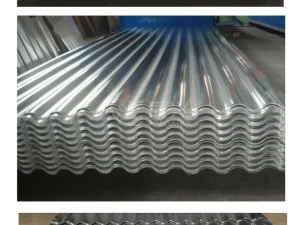
High-performance primary and semi-finished aluminum products direct from our advanced manufacturing facilities.
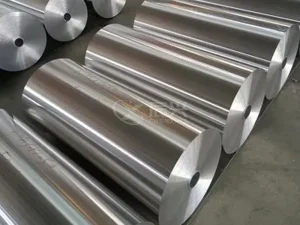
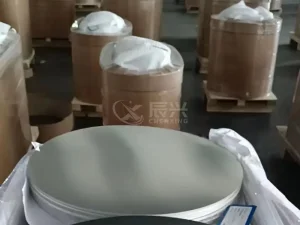
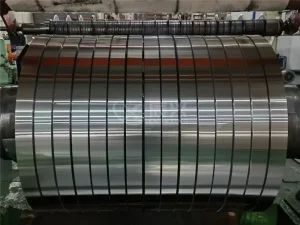
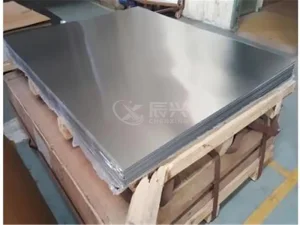
For over two decades, we have defined excellence in metal fabrication, metallurgical consistency, and international delivery.


In modern industrial applications, material selection is critical to product performance, durability, and cost efficiency. Among the vast family of non-ferrous metal alloys, 3003 aluminum foil has solidified its position as an indispensable medium-strength material. Characterized by its Al-Mn (Aluminum-Manganese) chemical composition, 3003 alloy offers a unique combination of exceptional formability, high corrosion resistance, and remarkable weldability. This comprehensive whitepaper explores the technological frameworks, global market conditions, technical specifications, and key structural properties that make 3003 aluminum foil the absolute standard for global commercial and industrial applications.
"As clean energy systems, advanced thermal management, and sustainable packaging solutions scale globally, the demand for high-integrity 3003 aluminum foil is growing exponentially. Choosing the right China-based factory partner is no longer just a purchasing decision—it is a critical optimization step in the product lifecycle."
3003 is a primary Al-Mn alloy (specifically belonging to the 3xxx series of wrought aluminums). Manganese (Mn) is the primary alloying element, typically representing between 1.0% and 1.5% of the total mass. The addition of manganese increases the alloy's overall tensile strength by roughly 20% compared to 1100 or 1050 pure aluminum grades, without significantly compromising ductility or corrosion resistance.
During the rolling process, the manganese forms highly dispersed intermetallic compounds (such as Al6Mn and Al12Mn3Si) within the aluminum matrix. This grain structure control prevents recrystallization during annealing processes, resulting in high mechanical stability, consistent deep-drawing characteristics, and reliable performance across tempers ranging from dead-soft O-temper to highly work-hardened H18/H19 tempers.
| Alloy Element | Manganese (Mn) | Copper (Cu) | Iron (Fe) | Silicon (Si) | Zinc (Zn) | Aluminum (Al) |
|---|---|---|---|---|---|---|
| Typical % Weight | 1.0% - 1.5% | 0.05% - 0.20% | Max 0.70% | Max 0.60% | Max 0.10% | Remainder (Balance) |
Depending on the final manufacturing application, China 3003 aluminum foil factories supply materials in several distinct tempers. Understanding these tempers is vital for industrial procurement teams:
The global market for 3003 aluminum foil has shifted toward integrated, highly automated production lines. China accounts for a significant portion of the world's foil rolling capacity, utilizing advanced continuous casting and direct chill (DC) hot rolling technologies. Key market drivers include:
Factory Insight: High-quality factories must comply with global regulations such as IATF 16949 (automotive quality management standards), ISO 9001, RoHS, and REACH. This compliance ensures consistent mechanical properties, precise thickness tolerances (down to ±2%), and defect-free surfaces suitable for high-speed automated production lines.
When evaluating 3003 aluminum foil suppliers, procurement and quality assurance teams should prioritize three key technical parameters:
Our aluminum products are engineered to meet demanding requirements across multiple global industries.
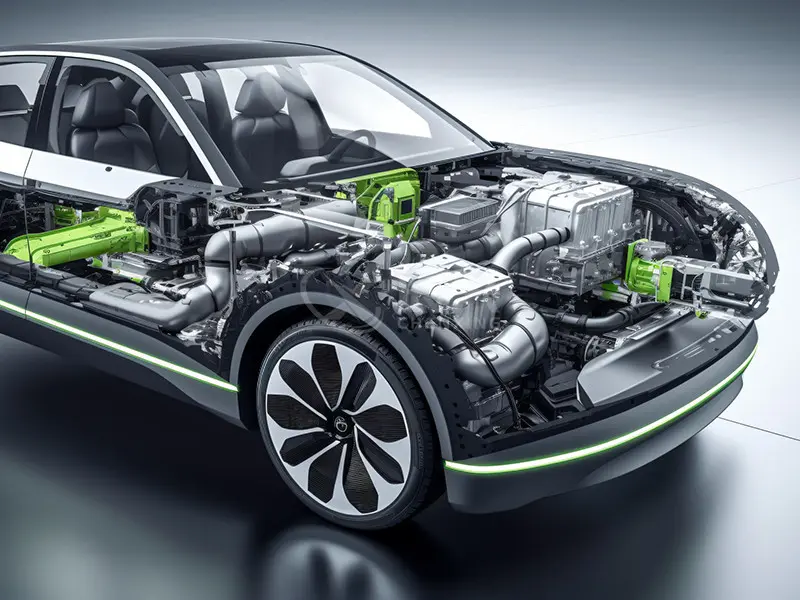
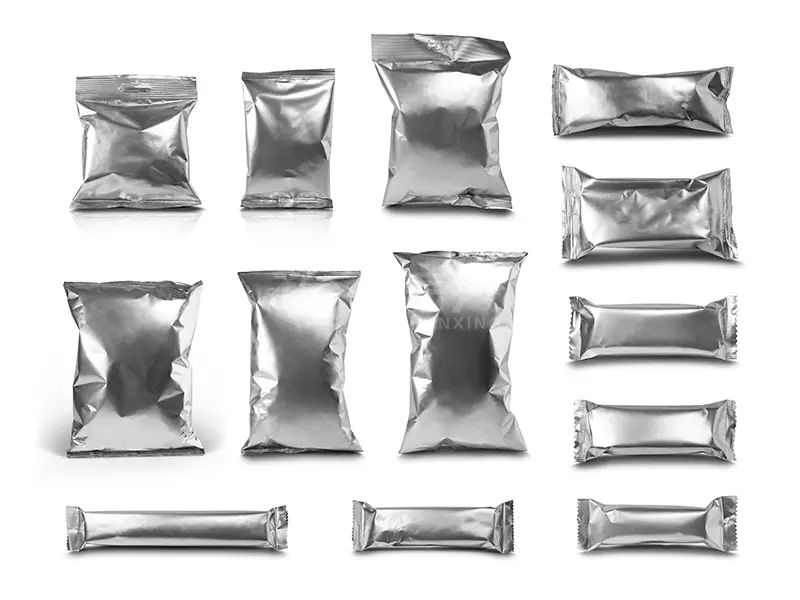


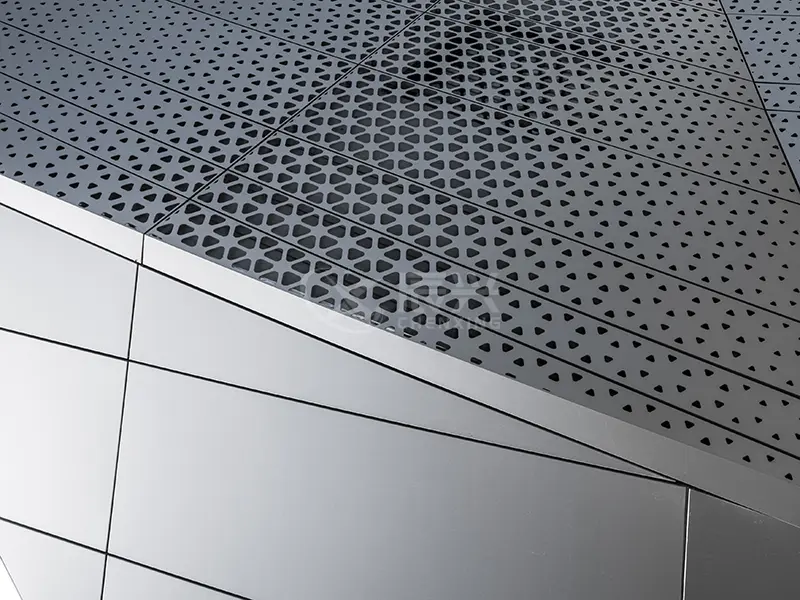

Detailed answers to frequently asked technical and commercial sourcing questions.
Request technical specifications, chemical analysis sheets, or a custom price quote from our engineering department. We reply within 24 hours.
Stay informed with the latest metallurgical breakthroughs and global supply chain analyses.
A full range of specialized alloys, sheets, coils, and foils for critical industrial applications.