Advanced cold-rolling technologies now allow mass production of foils below 6 microns, utilizing complex thermo-mechanical processes to ensure high yield strength and minimal pinhole frequency.
Modern processes incorporate cross-laminated designs with high tensile alloys (such as 8011 or 1235) to provide a 100% barrier against oxygen, moisture, and light transmission.
Top-tier foil mills are moving toward carbon-neutral refining and closed-loop scrap recycling processes, reducing the overall carbon footprint by up to 70%.


Procurement departments in multinational organizations evaluate large roll foil manufacturers based on a complex combination of technical parameters, consistency, and compliance. Ensuring that foil properties remain unchanged across multiple production batches is critical. Below are the key evaluation parameters:
Industrial slitting machines operate at high feed rates. Standard paperboard or composite cores must be highly crush-resistant to prevent collapse under heavy winding tension.
For lamination and printing applications, surface oil levels must be kept within strictly defined limits. Consistently high wetting tension (measured in Dynes) is critical to ensure proper bonding with resins and inks.
In high-barrier flexible packaging, even tiny pinholes can compromise product shelf life. Top-tier manufacturers utilize online optical scanning devices to monitor and control pinholes per square meter.
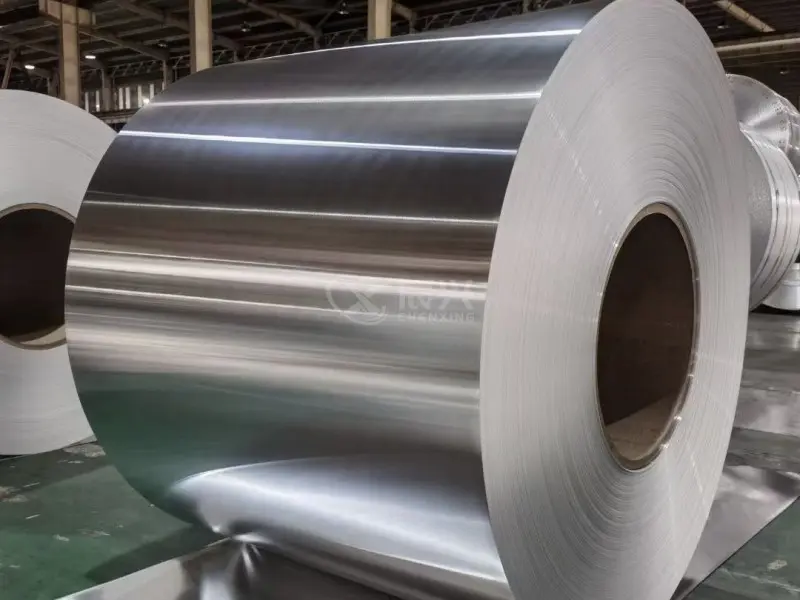
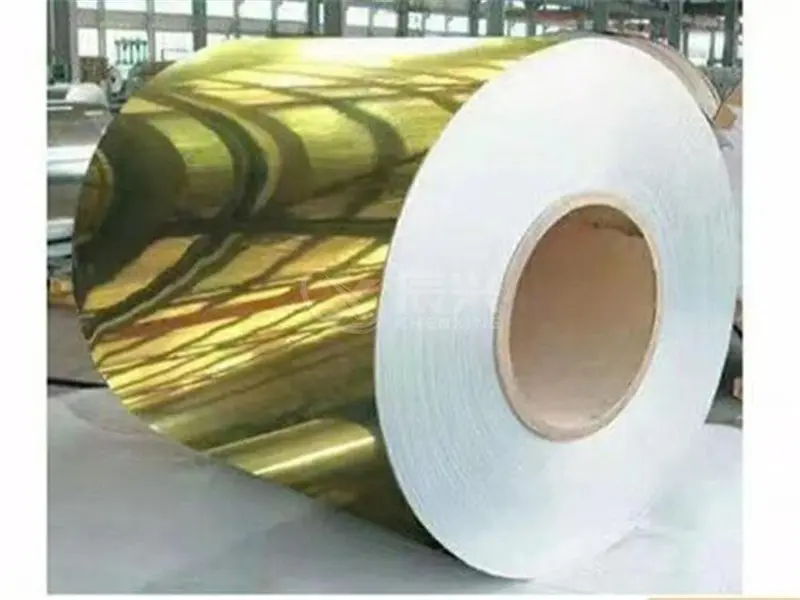
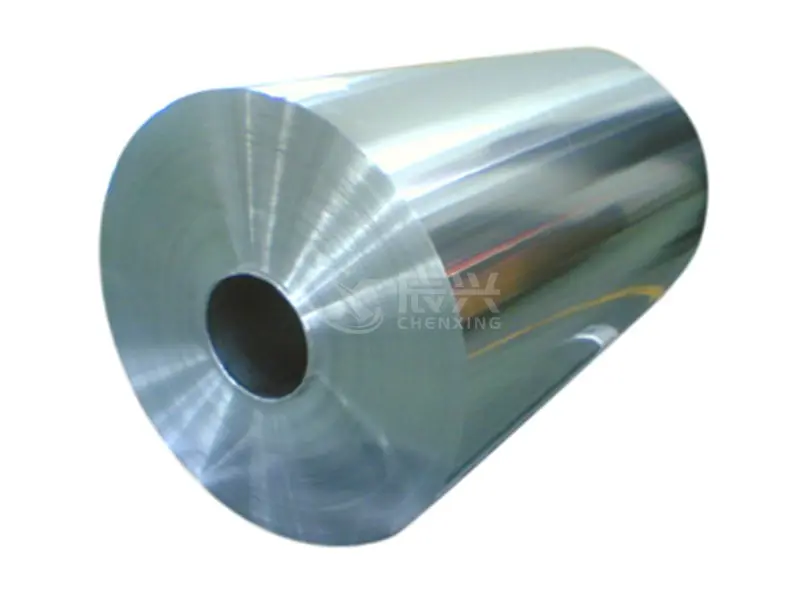
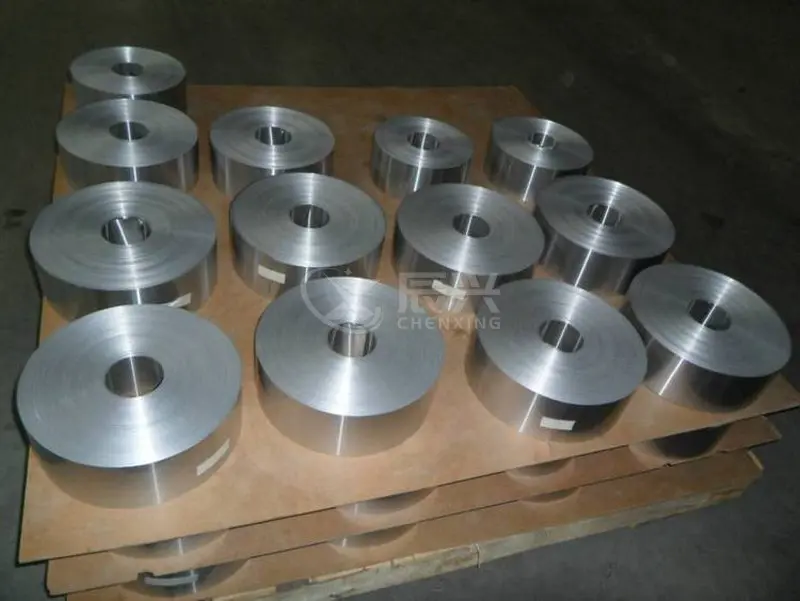
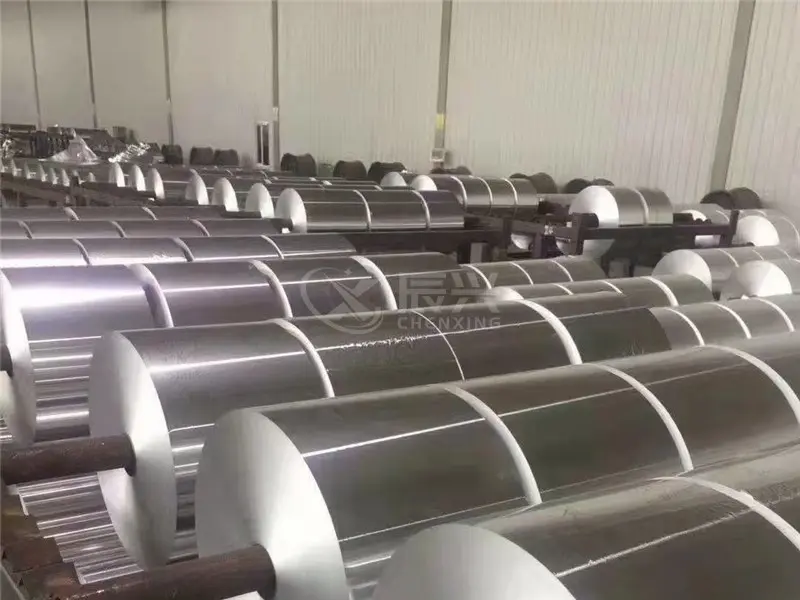
Large roll aluminum foil is an essential base material across multiple industries. Its unique mechanical, thermal, and barrier properties make it a key component in complex modern industrial solutions.

Lightweight design solutions for automotive heat shields, rail cabins, and shipping containers, improving fuel efficiency and structural durability.
Read Case Study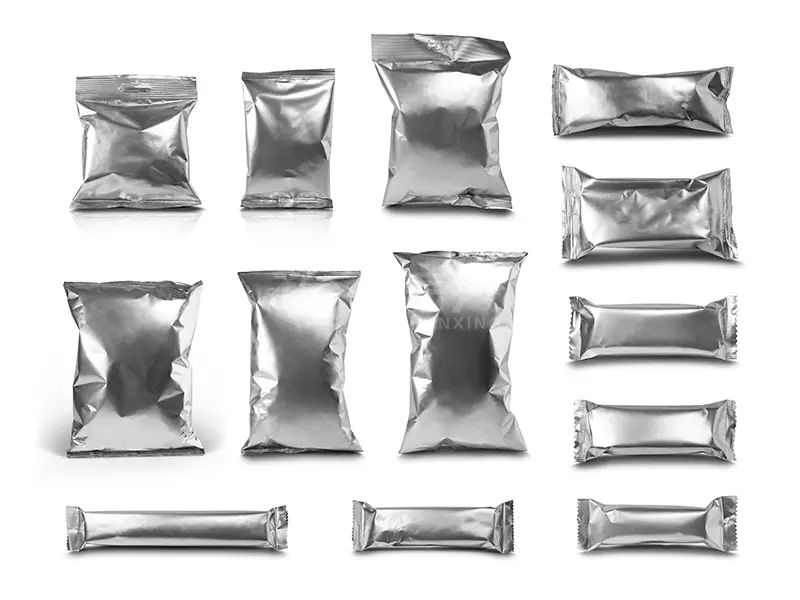
High-integrity aseptic barriers for the food, beverage, and pharmaceutical industries, extending product shelf life and ensuring hygiene.
Read Case Study
High-purity capacitor foils, heat sinks, and battery current collectors for next-generation consumer electronics and electric vehicles.
Read Case Study
Exceptional alloy stability, structural strength, and corrosion resistance under extreme environments and high altitudes.
Read Case Study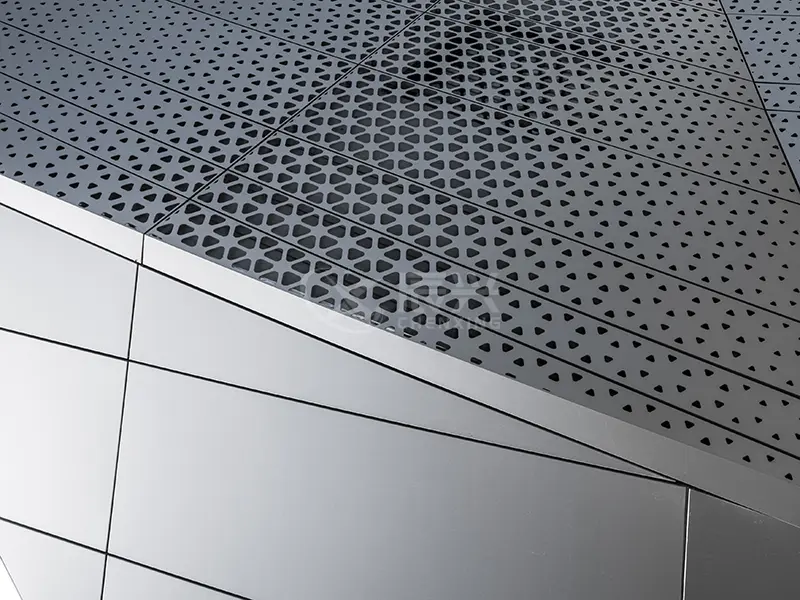
Reflective insulation liners, HVAC ducting assemblies, and cladding sheets for energy-efficient building infrastructure.
Read Case Study
Corrosion-resistant evaporator fins and structural panels for air conditioners, refrigerators, and heating appliances.
Read Case StudyImporting industrial metals requires strict adherence to regional regulatory frameworks. We maintain dynamic compliance certifications across different international jurisdictions:
Our large roll aluminum products are strictly produced in compliance with global mechanical properties and composition limits, including ASTMB209 and EN573 standards.
For flexible food packaging and pharmaceutical uses, all foils are manufactured using certified safe lubricants and undergo chemical testing to confirm they are safe for direct contact.
All products are fully compliant with RoHS and REACH standards. We ensure zero hazardous substances, guaranteeing clean materials for electronic components and construction insulation.
Looking for specific alloy tempers, custom core sizes, or scheduled monthly deliveries? Submit your project requirements now, and our technical sales engineers will contact you within 24 hours with a comprehensive quotation.
The next frontier in large roll aluminum foil manufacturing centers on process optimization through automation. Industry leader efforts are focused on integrating high-resolution thickness detection systems directly into the rolling mill loops. By taking real-time measurements, control valves adjust pressure dynamically, achieving strip thickness tolerances within ±2%. This level of precision prevents thickness variation, which is a major cause of web breaks in high-speed industrial lamination lines.
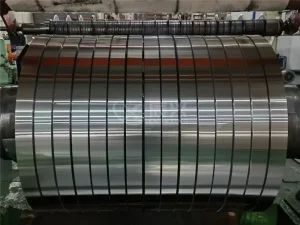
In addition, high-speed slitting technology now utilizes advanced shear-cut slitting systems. This process minimizes edge deformation, ensuring smooth roll faces and consistent tension throughout the roll. These improvements help global procurement teams reduce waste, optimize downstream processing speeds, and lower overall operational costs.
Standard manufacturing lead times for customized mill runs typically range between 30 to 45 days, depending on the alloy class, thickness requirements, and production volume. For stock items or standard specifications, dispatch can often be arranged within 15 to 20 days.
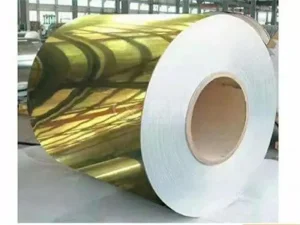
We offer high-density fiber cores, steel cores, and aluminum cores. The most common inner diameter sizes are 76mm (3 inches) and 152mm (6 inches), designed to match standard unwind shafts on high-speed slitting and laminating equipment.
Flexible packaging primarily uses alloy 1235 or 8011 in soft O tempers to ensure maximum barrier properties and foil flexibility. Technical insulation panels and HVAC ducts commonly utilize alloy 8011 or 3003 in harder tempers (such as H18 or H24) to provide higher structural strength and puncture resistance.
Every production batch undergoes testing for surface cleanliness, oil residue levels, wetting tension (Dyne test), tensile strength, elongation, and pinhole density. We provide complete material test reports (MTR) with every shipment.
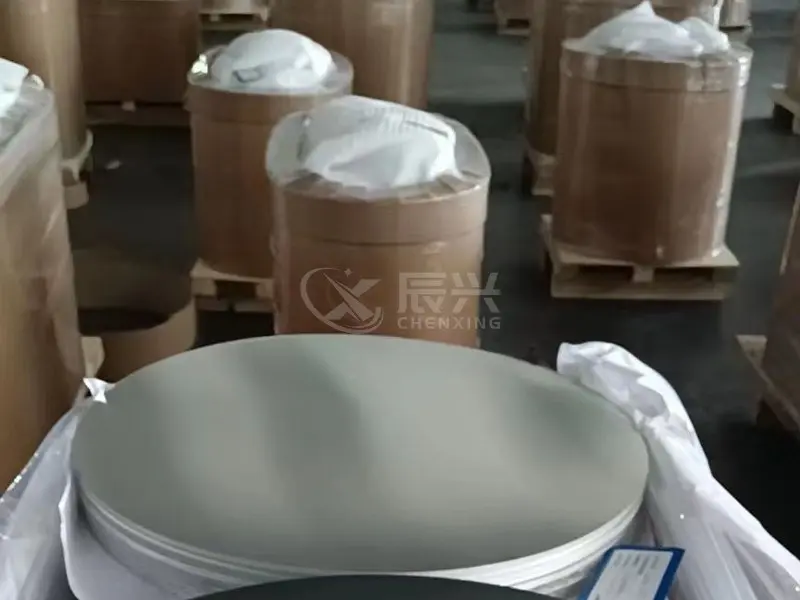
To prevent moisture ingress and oxidation during maritime transit, rolls are wrapped in plastic film, packed with desiccants, and enclosed in robust, seaworthy wooden boxes. We also offer suspension packaging to prevent flat spots on the rolls.
We have expanded our cold-rolling capacities to meet growing global demand for high-strength aluminum materials.
Read Full News
An analysis of the key purity requirements and thickness tolerances needed for electric vehicle battery cells.
Read Full News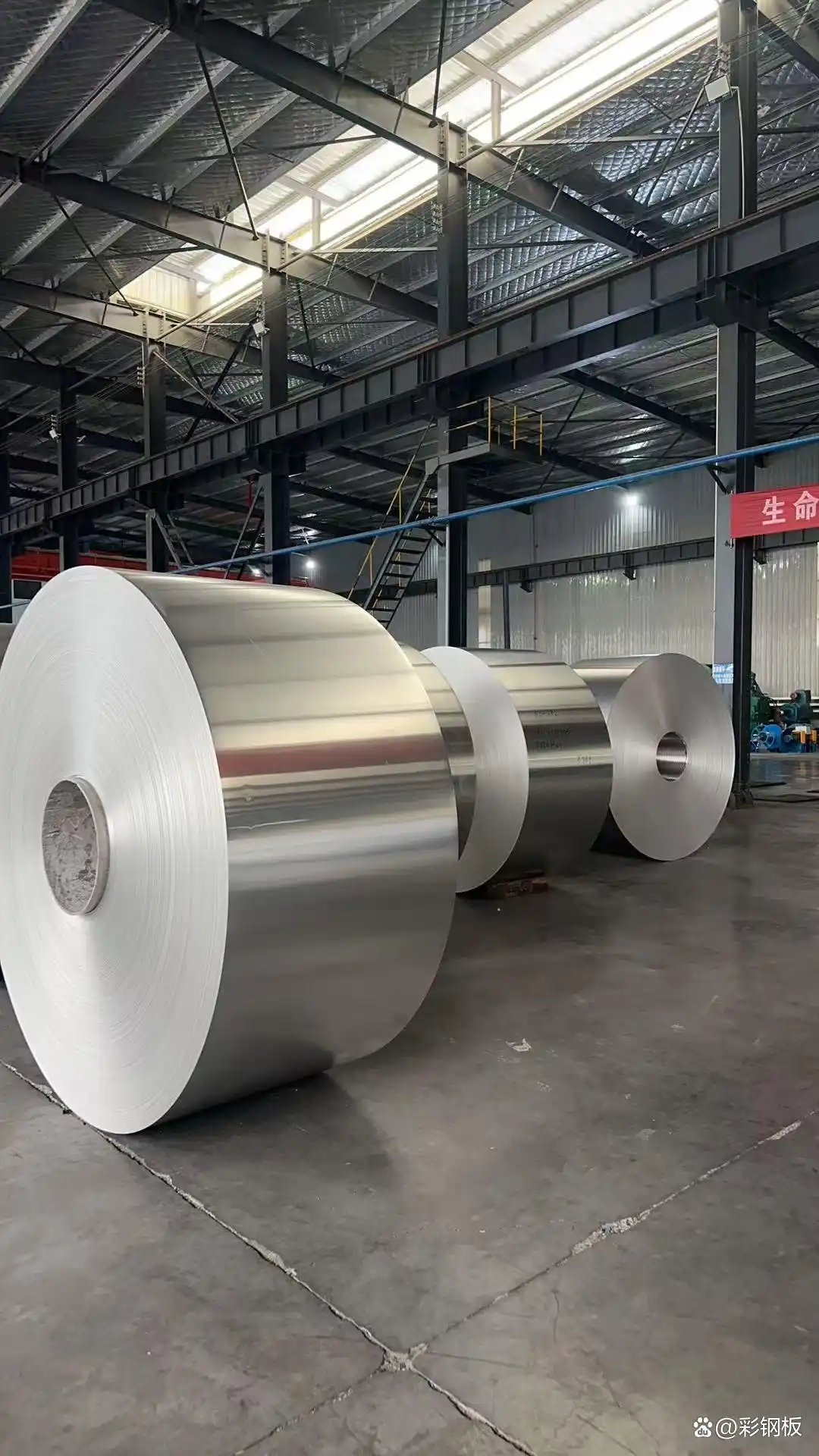
How sustainable initiatives and recycling programs are reshaping the sourcing strategies of major industrial buyers.
Read Full News