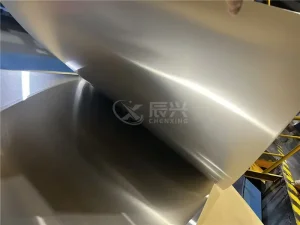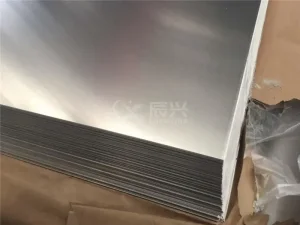
Explore our foundational range of industrial aluminum solutions. High-precision manufacturing meets stringent quality criteria across global standards.
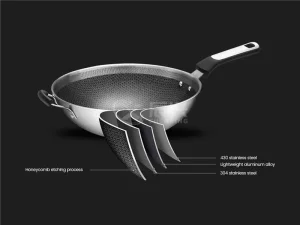
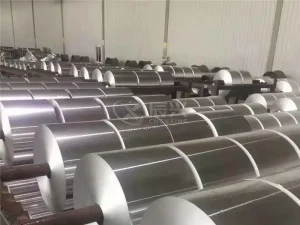
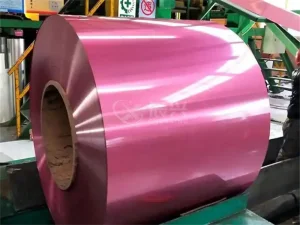
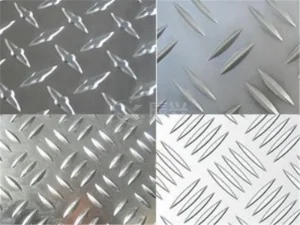
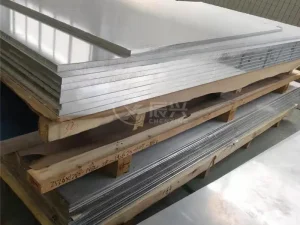
In the modern engineering and manufacturing sectors, the demand for flexible aluminium sheets has surged. This trajectory is fueled by structural transitions in automotive design, energy generation, consumer electronics, and sustainable architecture. Flexibility in aluminium is not merely a physical attribute; it is an engineered parameter defined by alloy chemistry, precise temper control, and microstructural grain refinement. As industrial buyers look to buy flexible aluminium sheets, they must navigate a fragmented global landscape of manufacturing companies to find partners capable of delivering consistency.
Historically, the metals sector prioritized structural rigidity. Today, advanced industrial applications require materials that bend without fracturing, resist corrosion, and maintain high thermal and electrical conductivity. This paradigm shift has prompted premium manufacturers to refine their rolling processes, optimizing the balance between yield strength and elongation. Consequently, selecting the correct flexible aluminium sheet supplier is no longer a matter of identifying the lowest cost per metric ton; it requires a deep validation of technological capability, raw material tracking, and quality control systems.
SEO Insights & Search Intent Definition: When procurement teams search to "buy flexible aluminium sheet companies", they are hunting for certified production mills capable of mass-customization, repeatable metallurgical tolerances, and structured supply chains that mitigate macro-economic disruptions.
Across the American, European, and Asian markets, local supply chains face severe challenges including high energy costs, outdated rolling technology, and variable raw material grades. In contrast, leading companies in emerging hubs have invested heavily in high-performance cold rolling mills and continuous annealing furnaces to manufacture sheets that meet strict international specifications like ASTM B209, EN 485, and GB/T 3880.
Leveraging decades of production knowledge, we supply industrial projects worldwide with guaranteed consistency and responsiveness.


Industrial flexibility in aluminium sheet metal is determined by structural tempering and alloying elements. Raw pure aluminium (1xxx series) offers the highest inherent ductility but lacks mechanical toughness. The addition of manganese (3xxx series) or magnesium (5xxx series) alters the recrystallization profile, allowing engineers to balance tensile properties and bendability.
To support global supply chains, leading companies utilize targeted heat treatments. The "O" temper (fully annealed) represents the softest state, offering maximum elongation and minimum bending radius, making it ideal for deep drawing and complex profiling. Conversely, partial work-hardened tempers like "H14" or "H24" provide structural stability while remaining ductile enough for standard folding operations without cracking along the bend line.
| Alloy Designation | Temper Status | Tensile Strength (MPa) | Yield Strength (MPa) | Elongation A50 (%) | Minimum Bending Radius (90°) |
|---|---|---|---|---|---|
| AA1050 / AA1060 | O (Soft Annealed) | 60 - 95 | ≥ 25 | ≥ 30 | 0.5t (Flat Bending) |
| AA3003 | O (Soft Annealed) | 95 - 135 | ≥ 35 | ≥ 25 | 1.0t |
| AA3003 | H14 (Half Hard) | 140 - 180 | ≥ 115 | ≥ 8 | 1.5t |
| AA5052 | O (Soft Annealed) | 170 - 215 | ≥ 65 | ≥ 20 | 1.0t |
| AA5052 | H32 (Stabilized) | 210 - 260 | ≥ 130 | ≥ 12 | 1.5t |
Understanding these variables is critical for sourcing agents looking to buy flexible aluminium sheets. Requesting a generic "flexible sheet" without specifying the alloy class, temper state, and final forming geometries can lead to premature material fatigue or cracking during manufacturing, compromising quality.
Engineered for versatility across aerospace, electronics, and construction applications. Click through to discover technical profiles and customization capabilities.
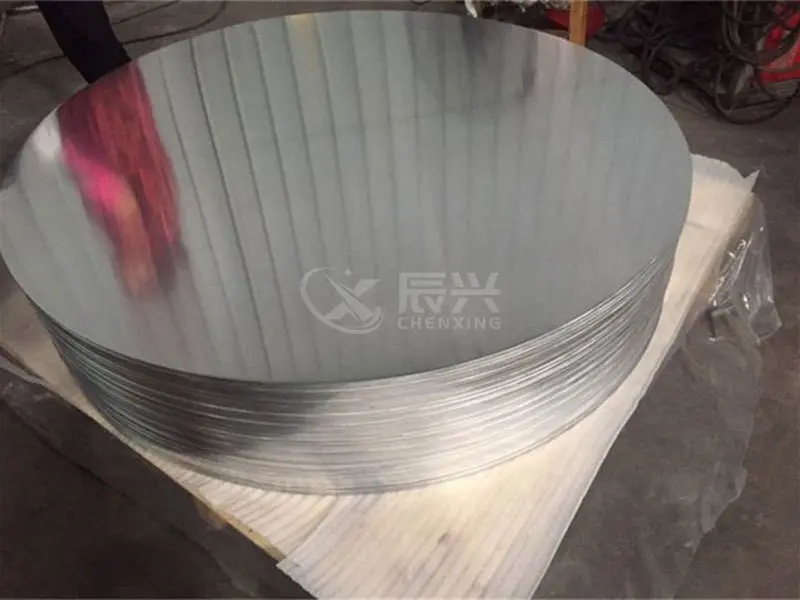
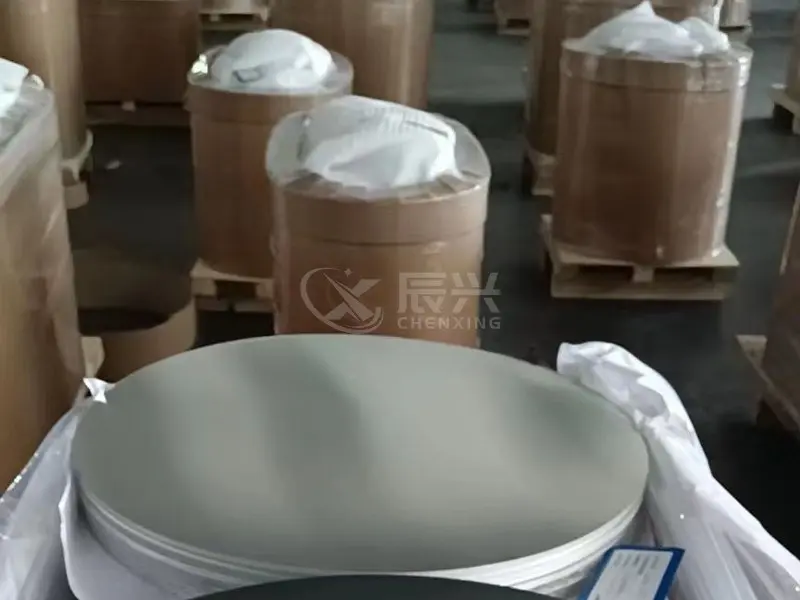
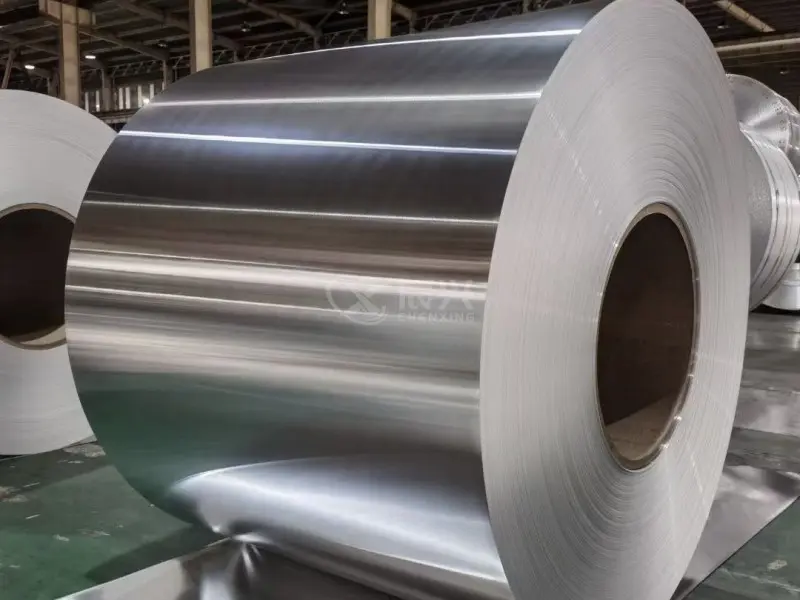
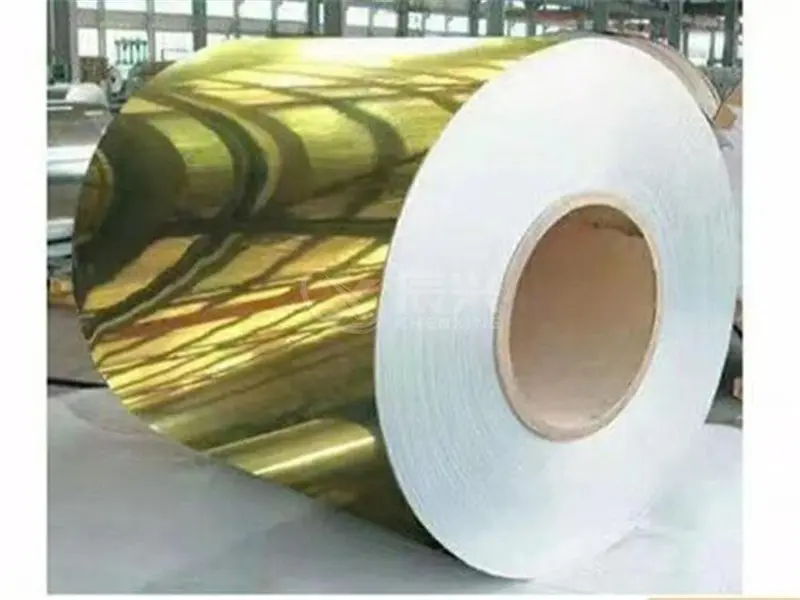
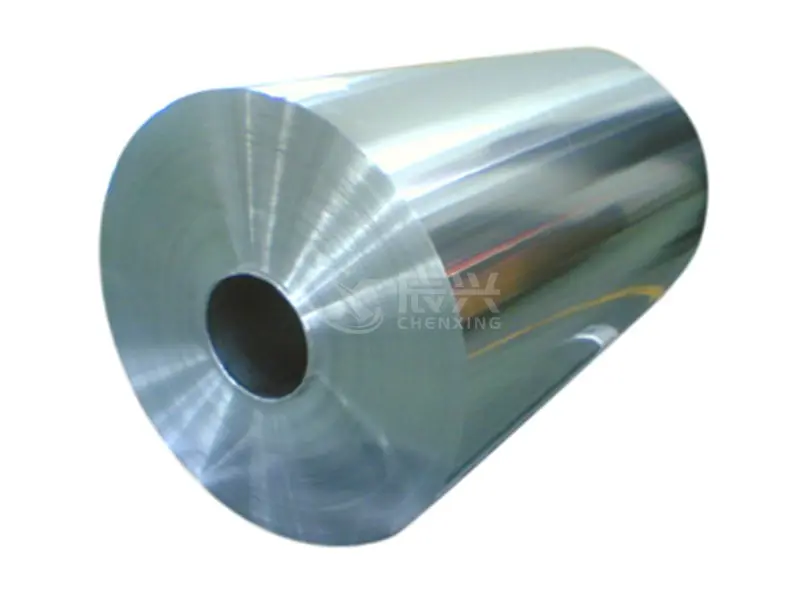
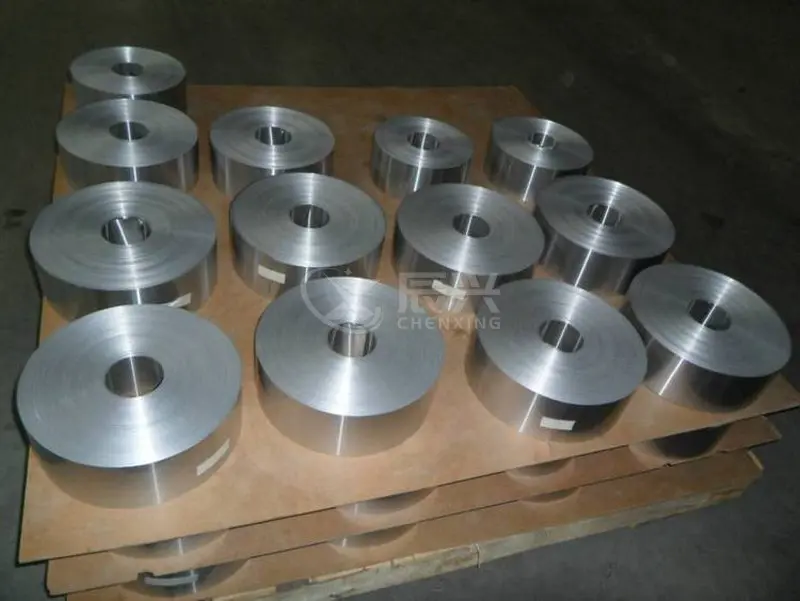
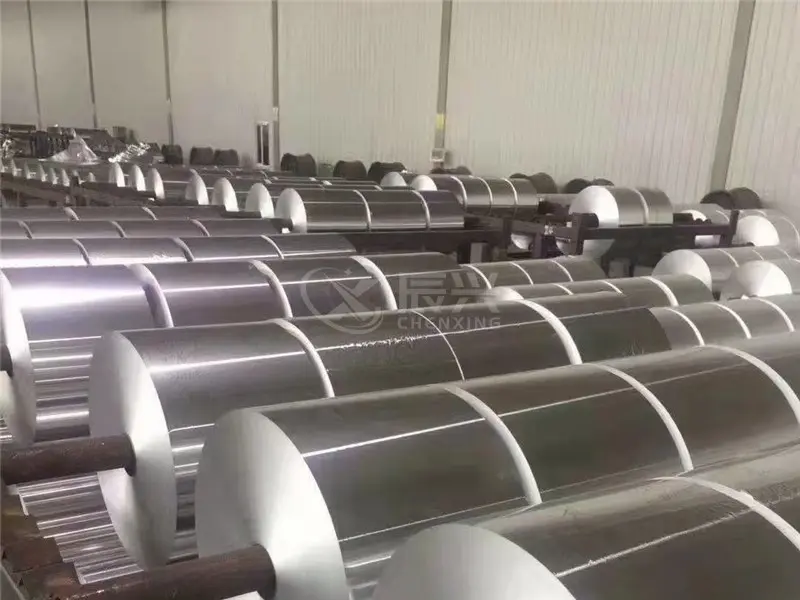
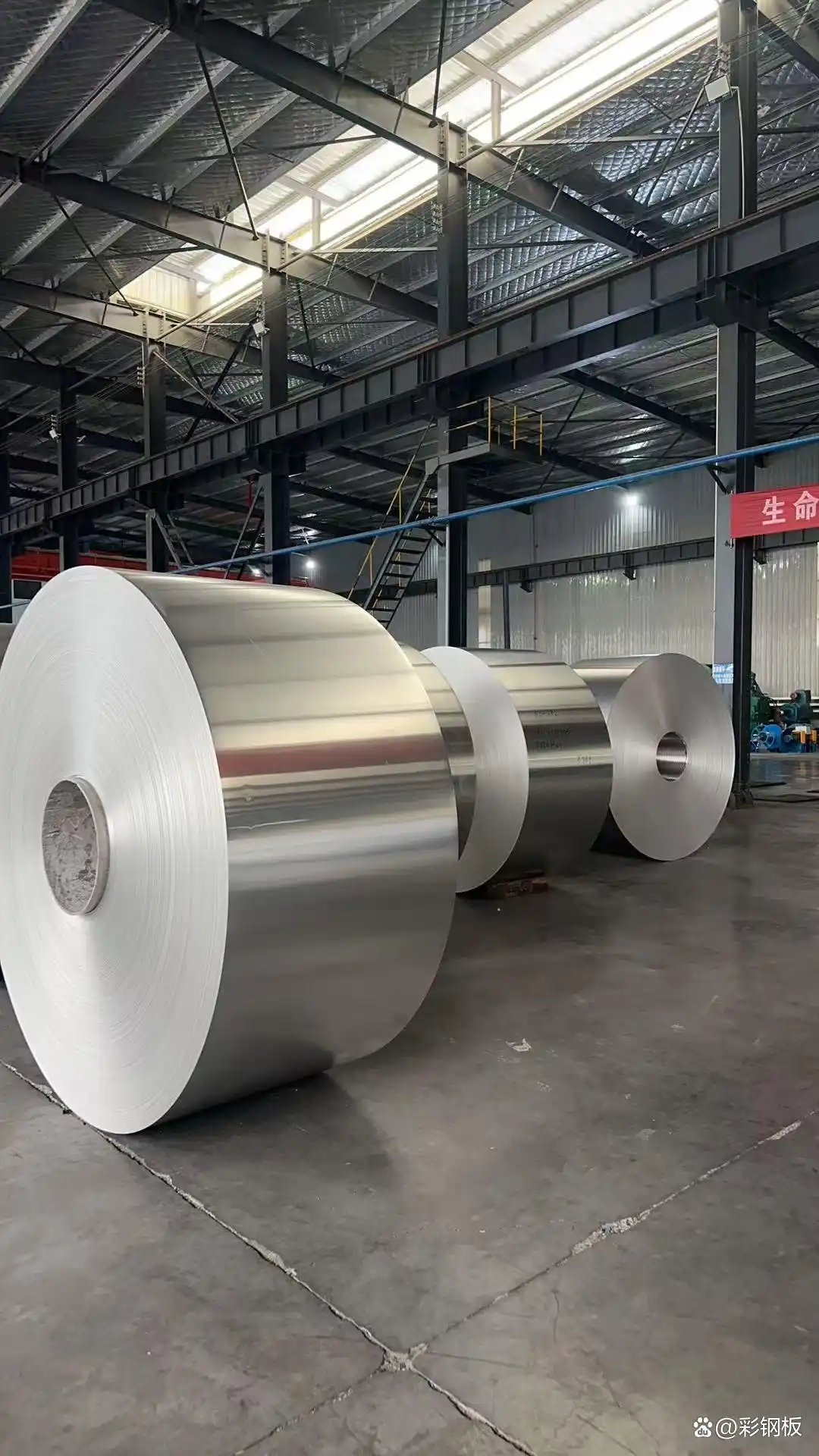
The transformation of China's aluminum mills under the "Factory 4.0" banner has altered the economics of global metal procurement. For businesses seeking to buy flexible aluminium sheets from experienced suppliers, Chinese smart factories combine production volume with custom metallurgical engineering.
Modern Factory 4.0 infrastructure features continuous closed-loop thickness monitoring systems (Automatic Gauge Control, or AGC) that hold rolling tolerances within microns. Computerized sensor arrays track metallurgical grain size in real-time during structural heat treatment. This automation ensures that every production lot of flexible sheets exhibits consistent mechanical performance, resolving a long-standing challenge for automated stamping lines.
In addition, supply chain integration in key industrial zones reduces lead times from casting to seaport delivery. Smart inventory tracking, automated shipping operations, and integration with raw material suppliers shield procurement teams from market volatility. This structural efficiency translates directly to competitive pricing models, reliable delivery windows, and lower overall project risk.
Supply Chain Security Note: In an era of trade volatility, partnering with factories utilizing intelligent MES (Manufacturing Execution Systems) allows for complete material traceability from the primary ingot to the final packaged coil. This transparency is critical for compliance with international quality and sustainability audits.
Flexible aluminium sheets are key components across high-performance sectors. Our materials are engineered to meet specific localized operational requirements.

Engineered for lightweight electric vehicle body panels, interior structural brackets, and heat shields. Provides formability and corrosion resistance.
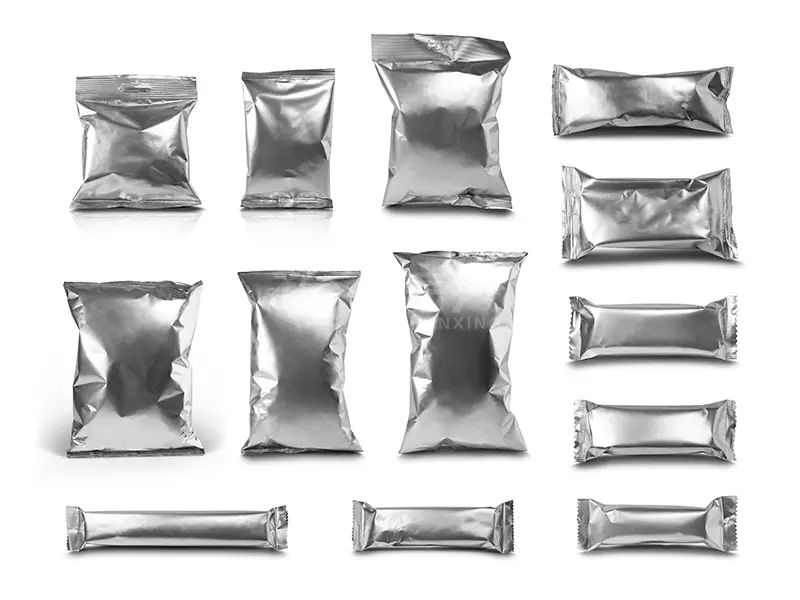
Highly flexible, non-toxic barriers for pharmaceutical blister packs, food containers, and composite laminate structures.

Highly conductive alloys for flexible printed circuits (FPC), battery electrode substrates, and precision heat sinks in consumer electronics.

Alloys developed for fuselage components, internal air ducting, and lightweight structural elements requiring certifications.
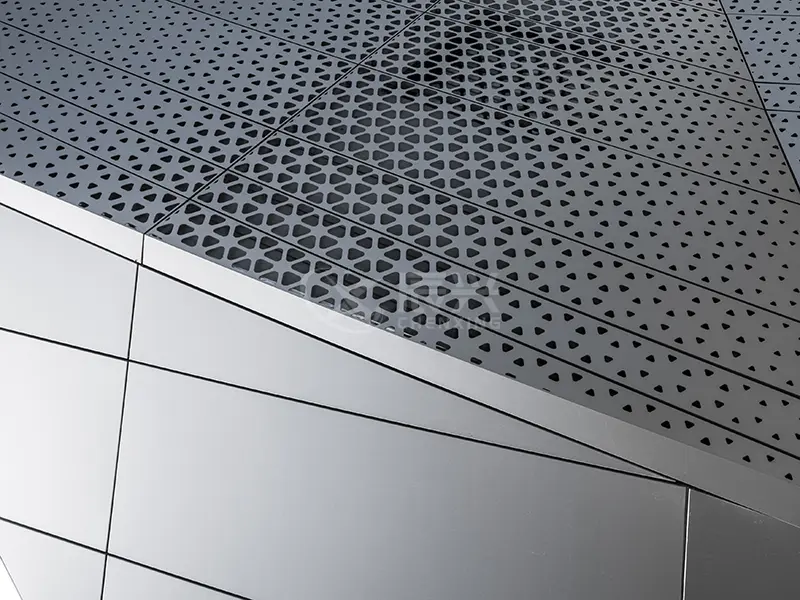
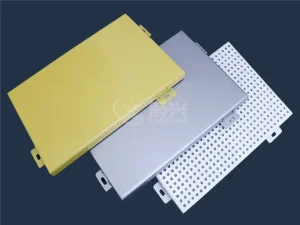
Flexible architectural cladding, roofing, and window flashings designed to bend on-site without cracking or surface peeling.
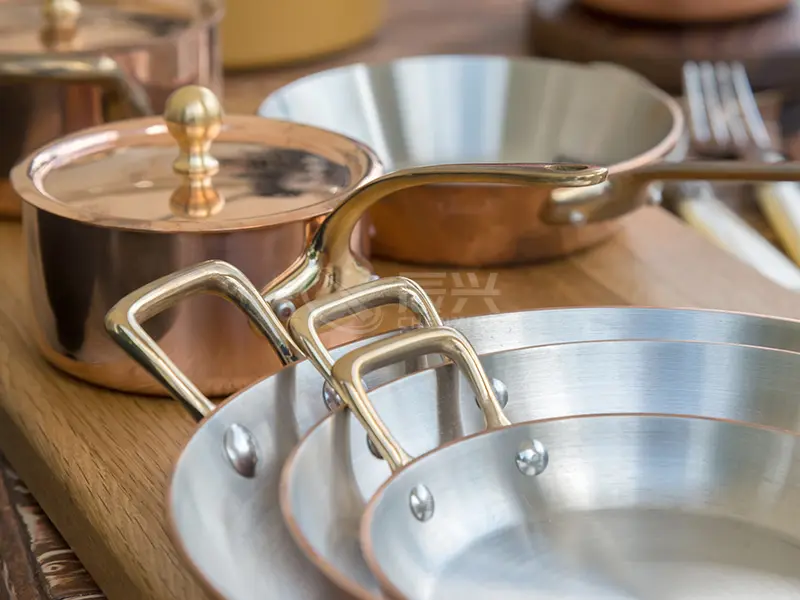
Formable sheets for refrigerator liners, HVAC fin stock, and decorative trim, combining cosmetic finish with deep-drawing capability.
Submit your custom specifications, thickness tolerances, or alloy requirements. Our engineering team will review and reply with an optimization report within 24 hours.
Stay informed on global pricing shifts, technological innovations, and manufacturing updates.
Addressing the core considerations of engineering teams and procurement departments.
A: The 1xxx series (e.g., 1050, 1060) in the O temper offers the highest ductility and is suitable for severe bending and forming. For applications requiring a balance of strength and flexibility, the 3xxx series (e.g., 3003) is recommended. For high-corrosion or structural requirements, 5xxx series alloys (e.g., 5052-O) are preferred.
A: Temper indicates the hardness and thermal history of the alloy. Fully annealed (O temper) metal has the lowest yield point and the highest elongation capacity, permitting a tight bending radius (down to 0.5t). As the metal is work-hardened (H14, H24, H38), the yield strength rises and elongation falls, requiring a larger bend radius to avoid surface tearing.
A: Our Factory 4.0 production lines integrate continuous thickness controls and laser grain-size measurements. By checking rolling parameters and heat distribution in real-time, the facility ensures that mechanical values such as yield points and elongation rates remain uniform across production batches.
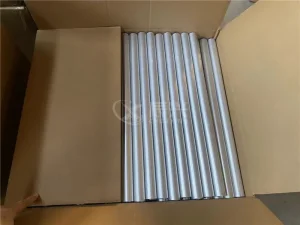
A: We package material using export-standard wooden pallets. Coils or sheets are wrapped with plastic moisture barriers, packed with silica gel desiccants, and clad in heavy cardboard or steel protection caps. We offer both "eye-to-sky" and "eye-to-wall" shipping configurations based on your warehouse handling equipment.
A: We apply the industry-standard 8D problem-solving methodology. Within 24 hours of receiving a report, our quality team initiates containment actions. We review production history files using the batch ID number to isolate the cause and implement verified corrective measures, providing full documentation to the client.
Select specialized alloys and structured profiles engineered for precise global manufacturing tolerances.