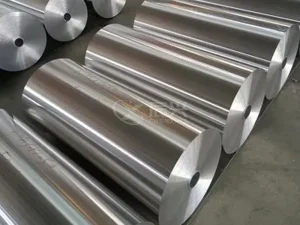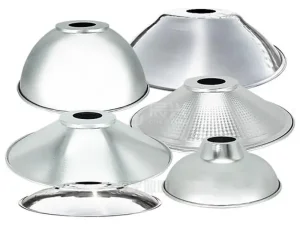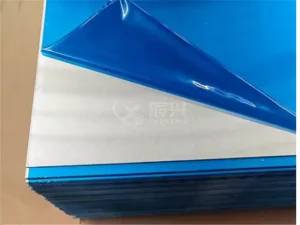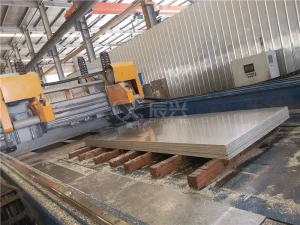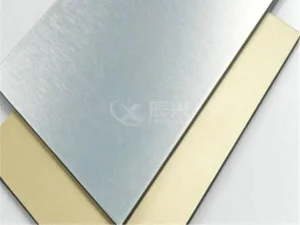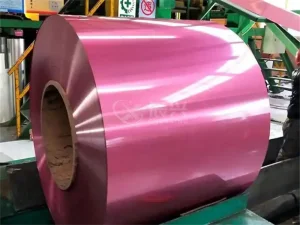
Explore our tier-1 industrial aluminum sheets, marine-grade plates, color-coated coils, and customizable fabricated units manufactured to exact international standards.
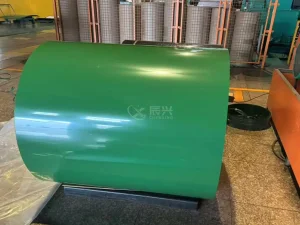
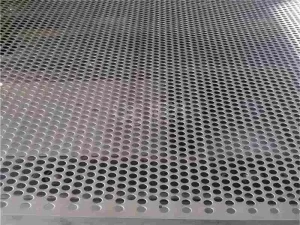
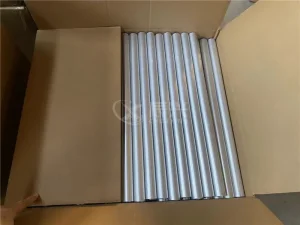
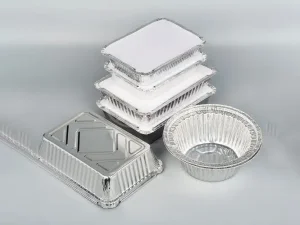
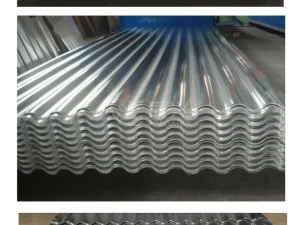
The global demand for flat rolled aluminum (FRA) is experiencing an unprecedented structural expansion, driven by the global transition toward light-weight transportation, circular packaging solutions, and decarbonized building structures. As industrial procurement departments seek to secure high-performance supply chains, selecting an experienced flat rolled aluminum manufacturer has transcended transactional purchasing; it has become a strategic component of long-term product lifecycle management and compliance architecture.
Flat rolling—the process of converting aluminum ingots and slabs into sheets, plates, and foils through sequential mechanical reduction—demands strict thermal control, advanced rolling metallurgy, and sophisticated surface finishing. Driven by international standards such as ASTM B209, EN 485, and GB/T 3880, manufacturing operations have integrated smart gauge tracking, automated flatness systems, and digitized surface monitoring to support demanding Tier-1 industrial applications.
"According to global metallurgical output tracking, flat rolled aluminum represents over 35% of all semi-finished aluminum product usage worldwide. This continuous growth highlights the necessity for engineering leads to verify manufacturer qualifications, alloy properties, and metallurgical consistency at the mill source."
In terms of economics, the market is navigating complex global trade conditions, including anti-dumping regulations, Section 232 tariffs, and the European Union’s Carbon Border Adjustment Mechanism (CBAM). Under these conditions, procurement heads prioritize factories with clean processing footprints, vertically integrated casting houses, and advanced energy efficiency profiles. Selecting a manufacturer with integrated rolling capabilities ensures predictable mechanical properties, dimensional precision, and stable cost structures.
Why global sourcing directors partner with our advanced flat-rolled production facilities.
The mechanical characteristics and workability of flat rolled aluminum depend on its specific alloy series, temper designation, and surface preparation. A professional procurement framework requires a clear understanding of material properties to balance structural integrity with cost efficiency. Below is an engineering overview of the primary alloys utilized in flat rolling operations:
| Alloy Series | Primary Alloying Elements | Key Mechanical Traits | Common Industrial Applications |
|---|---|---|---|
| 1xxx Series (e.g., 1050, 1060) | Pure Aluminum (≥99.0%) | Excellent thermal & electrical conductivity, high formability, superior corrosion resistance. | Lighting reflectors, chemical equipment, busbars, electrical circles, decorative trim. |
| 3xxx Series (e.g., 3003, 3105) | Manganese (Mn) | Moderate strength, excellent weldability, superior deep-drawing capability, corrosion resistance. | Heat exchangers, cooking utensils, HVAC ducting, industrial roofing, pressure vessels. |
| 5xxx Series (e.g., 5052, 5083) | Magnesium (Mg) | High fatigue strength, exceptional marine corrosion resistance, outstanding structural weldability. | Marine vessels, LNG storage tanks, pressure vessels, vehicle chassis, industrial silos. |
| 8xxx Series (e.g., 8011) | Iron / Silicon (Fe/Si) | Excellent ductility, high tensile strength in thin gauges, barrier protection properties. | Battery current collectors, pharmaceutical packaging, food service containers. |
Flat rolled aluminum is often modified with specialized surface treatments to meet demanding service conditions:
Engineered flat-rolled aluminum solutions tailored for global manufacturing sectors.

High-strength 5xxx and 6xxx series sheets utilized in automotive body-in-white (BIW), commercial vehicle trailers, marine hulls, and mass transit rolling stock to reduce fuel consumption and lower carbon emissions.
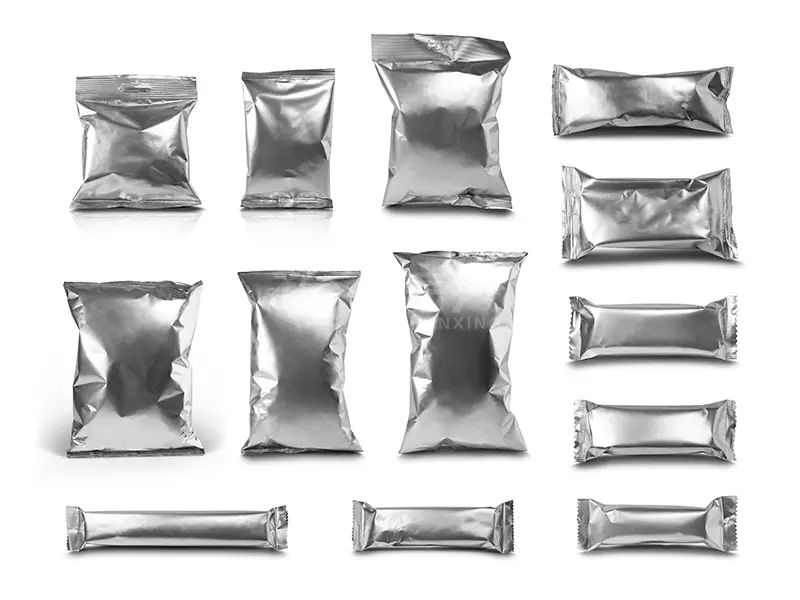
Food-grade foils and container alloys providing exceptional barrier protection against moisture, light, and gases. Essential for flexible food storage, high-volume pharmaceutical packaging, and recyclable cans.

Lightweight, thermally conductive sheets for computer chassis, cell phone backplates, LED heat sinks, and battery cell casings, ensuring rapid heat dissipation and robust component protection.

Ultra-flat structural plates engineered to withstand high stress, extreme temperatures, and pressure differentials. Extensively used in fuselage skins, wing structures, and aerospace components.
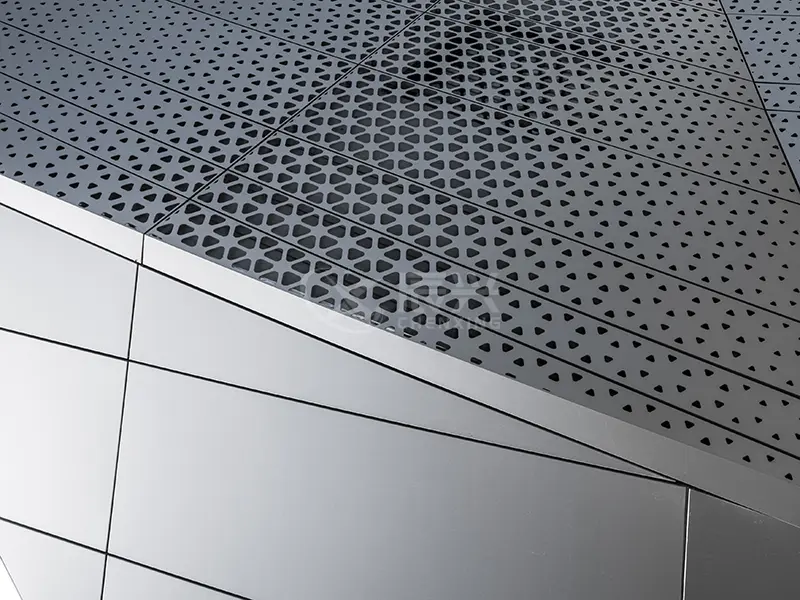
Corrugated roofing sheets, PVDF-coated wall cladding panels, structural soffits, and window frames designed to provide weather resistance and structural durability for modern urban infrastructure.

Clean, aesthetic surfaces for refrigeration liner panels, washing machine drums, microwave shields, and kitchen equipment, blending functional durability with clean modern design.
B2B sourcing operations require strict adherence to international quality standards to prevent component failure, production delays, and regulatory penalties. A reliable flat rolled aluminum manufacturer operates under a certified quality management system, implementing robust testing at every stage of production—from the raw melt to final dispatch.
Before entering a purchase agreement, procurement officers should verify that the manufacturing facility holds the following certifications:
Leading rolling mills utilize automated optical inspection systems (AOIS) to detect surface defects such as roll marks, pinholes, edge cracks, and oil stains in real time. In the event of a quality deviation, manufacturers employ the 8D (Eight Disciplines) problem-solving methodology to perform a root-cause analysis, implement corrective actions, and prevent recurrence.
The manufacturing of flat rolled aluminum is transitioning from traditional rolling methods to smart, low-emission processing. Factories are investing in advanced machinery and digital systems to improve yield, achieve tighter dimensional tolerances, and lower carbon footprints.
Key technological developments include:
Stay informed on metallurgical exports, battery foil requirements, and global market trends.
Recent trade data shows a significant increase in international demand for high-grade semi-finished aluminum sheets and coils, driven by construction and transportation sectors.
Read Article →
The rapid expansion of electric vehicle manufacturing is driving demand for ultra-thin, high-purity aluminum foil used as current collectors in lithium-ion battery cells.
Read Article →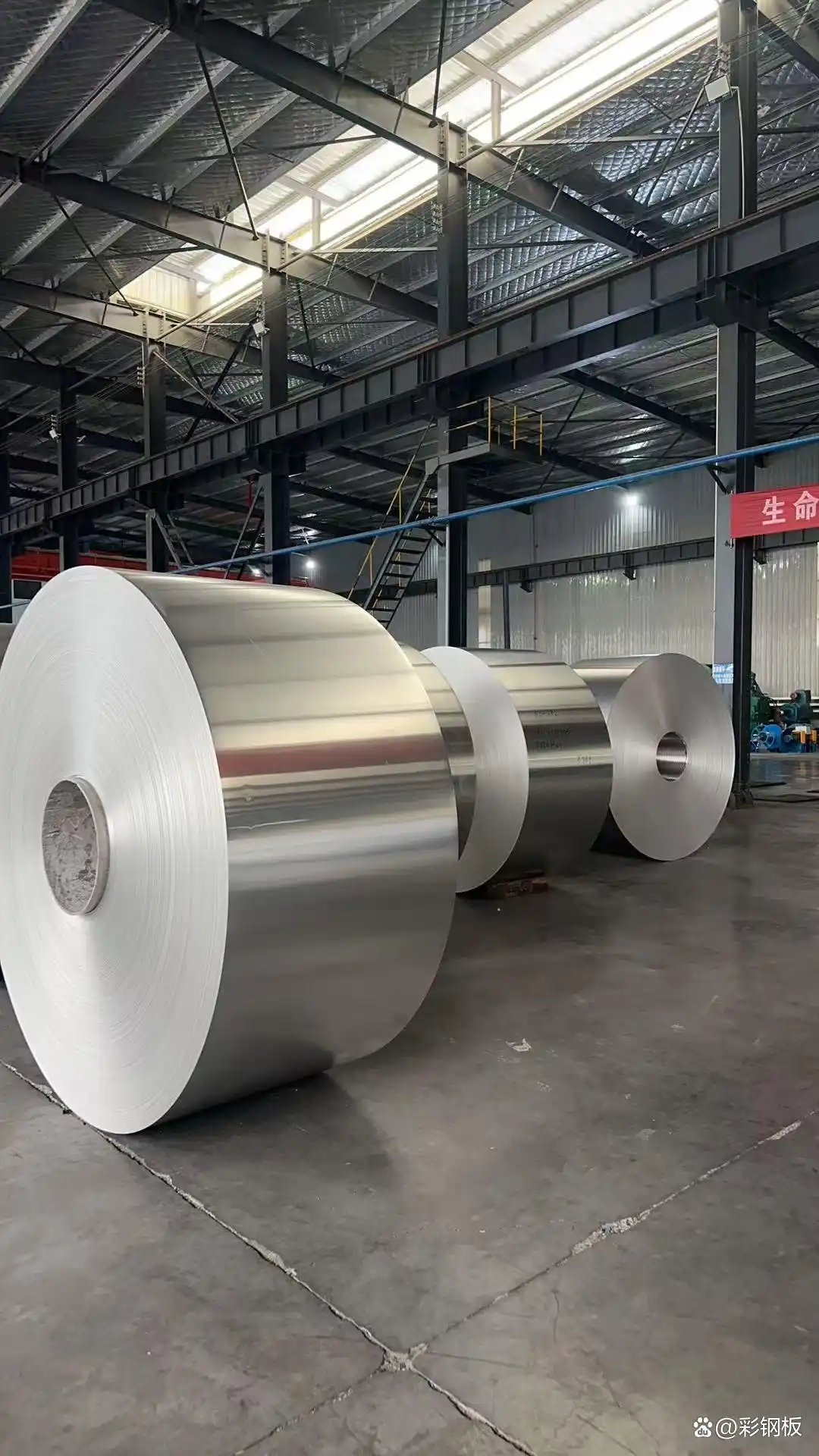
Sustainability mandates and material recycling initiatives are accelerating the transition to lightweight aluminum coils for architectural panels and commercial applications.
Read Article →Answers to common technical, quality, and logistical questions from industrial buyers.
Request quotes, verify alloy inventory, or request technical specifications. Our engineering support team responds within 24 hours.
Send Inquiry NowHigh-purity current collectors, precision-cut lighting circles, and customized anodized sheets for advanced applications.