
Engineered to exact tolerances and international standards. Explore our core manufacturing capabilities below.
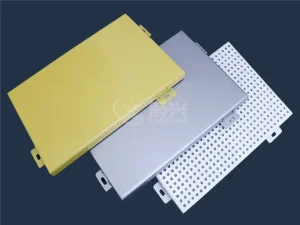
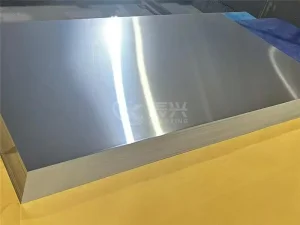
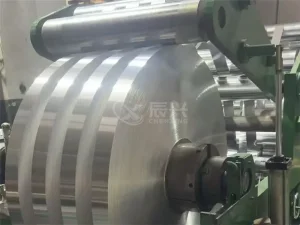
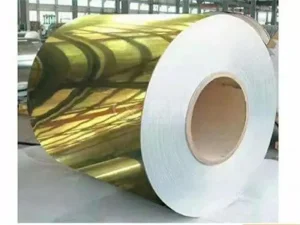
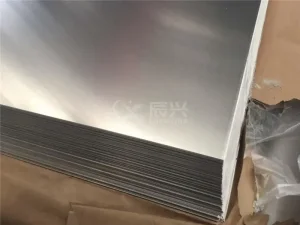
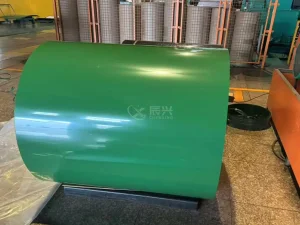
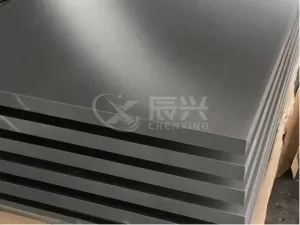
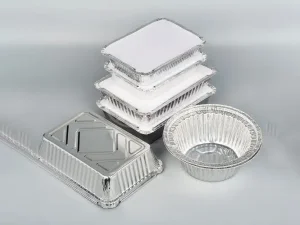
Decades of industrial mastery, state-of-the-art roll grinding mills, and client-centric global support.


A comprehensive technical breakdown of global coil aluminium production, alloy metallurgy, and supply chain management.
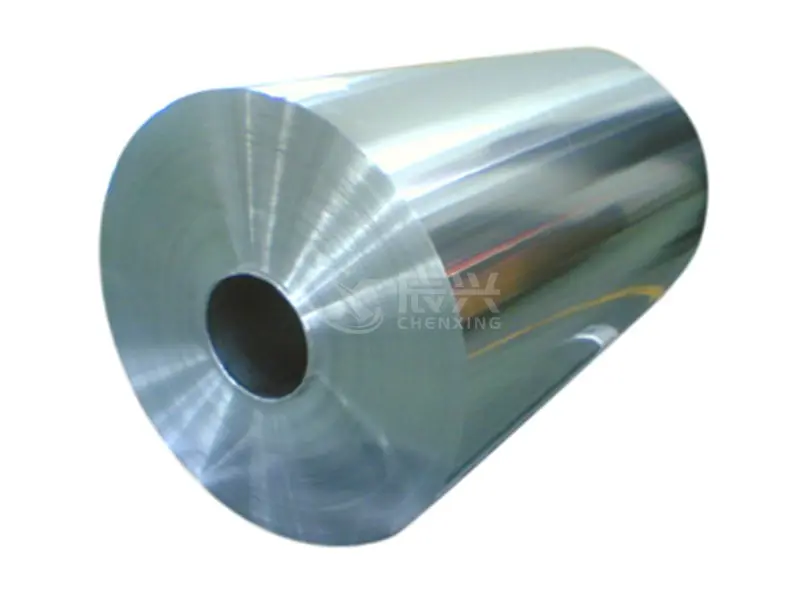
China has long transitioned from a volume-based metal manufacturer to a center of high-precision metallurgical engineering. Today's Chinese coil aluminium manufacturers leverage state-of-the-art cold rolling mills (CRM), continuous casting (CC) plants, and direct chill (DC) hot rolling technologies. By utilizing fully automated thickness control systems (such as AGC systems) and tension levelers, Chinese factories output coils that meet or exceed ASTM, EN, and JIS standards.
Key structural advantages include:
When procurement managers buy aluminium coils, selecting the casting method is critical to performance. CC Coils are typically optimal for general applications such as roofing sheet, ductwork, and standard fabrication due to cost efficiency. DC Coils, however, undergo hot rolling, yielding a highly refined grain structure. This makes them ideal for deep drawing, anodizing, and complex structural components like automotive heat shields.
Choosing the correct aluminum alloy requires matching structural loads, chemical exposure, and fabrication processes with precise metallurgical tempers. Below is a specification matrix commonly sourced from leading companies:
| Alloy Series | Typical Grades | Key Properties | Primary Applications |
|---|---|---|---|
| 1xxx (Pure) | 1050, 1060, 1100 | >99% Purity, Superior Conductive Profile, Ductile | Transformer Windings, Reflectors, Capacitor Foil |
| 3xxx (Mn-Alloy) | 3003, 3105 | Moderate Strength, Excellent Corrosion Resistance | HVAC Heat Exchangers, Beverage Cans, Cladding |
| 5xxx (Mg-Alloy) | 5052, 5754, 5083 | High Fatigue Strength, Marine Corrosion Resistance | Fuel Tanks, Marine Decks, Structural Panels |
| 6xxx (Mg-Si-Alloy) | 6061, 6082 | Excellent Heat-Treatable Strength, Machining | Heavy Structural Applications, Railcars, Machinery |
| 8xxx (Fe-Si-Alloy) | 8011, 8021, 8079 | Superior Barrier Properties, High Elongation | Pharmaceutical Foil, Composite Tubes, Fin Stock |
Aluminum coils serve as the backbone for modern infrastructural solutions:
Precision-milled aluminum products optimized for specialized industrial uses.
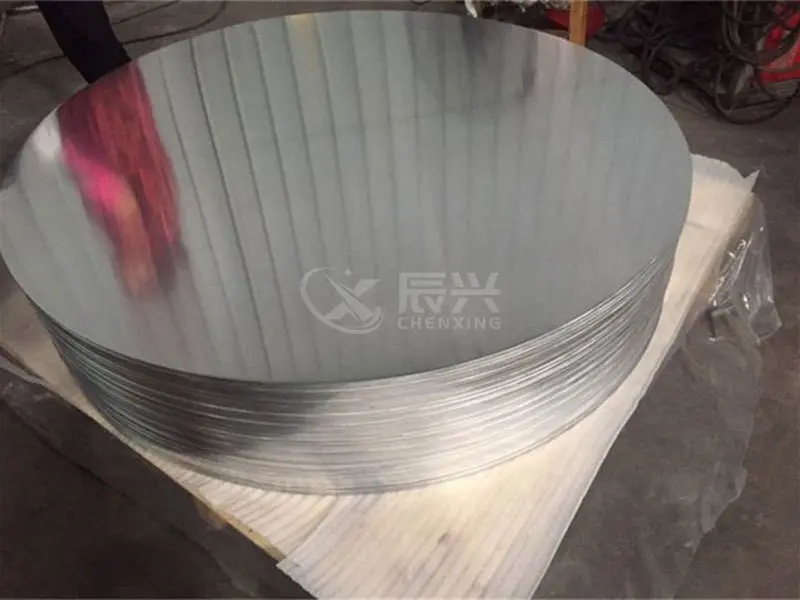
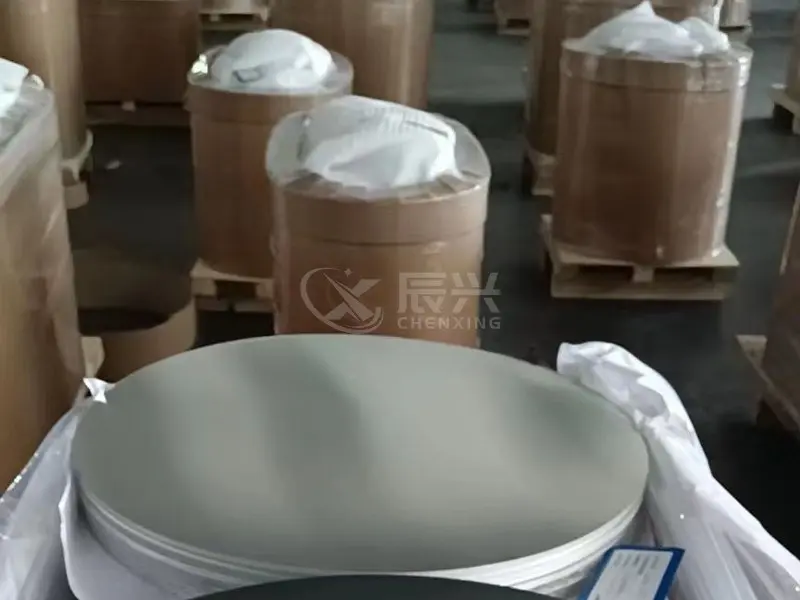
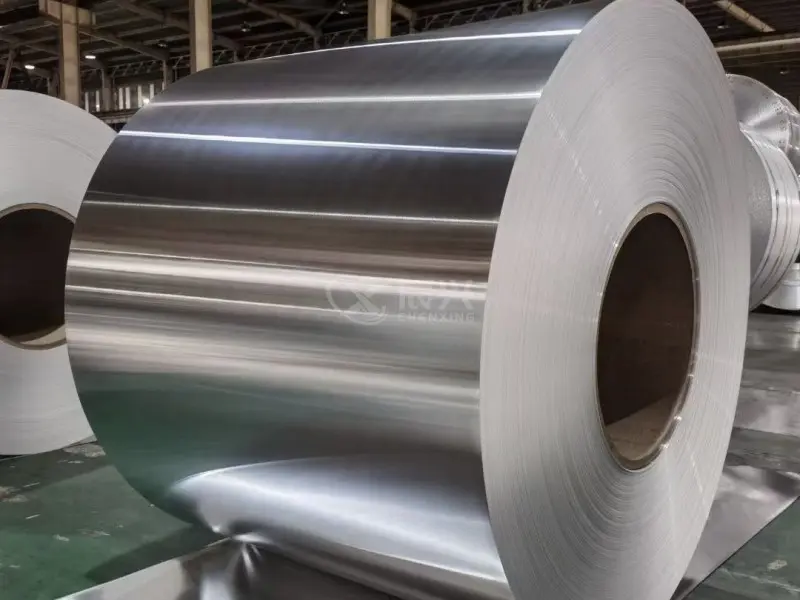
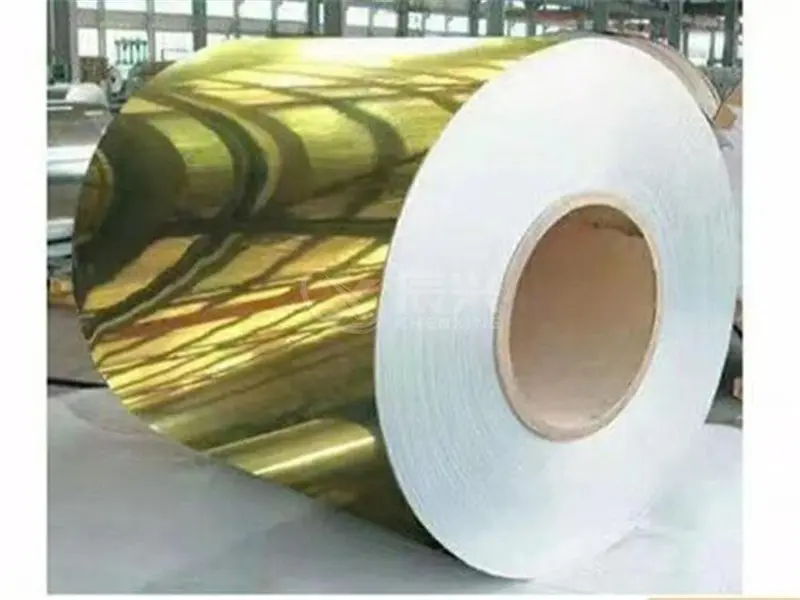
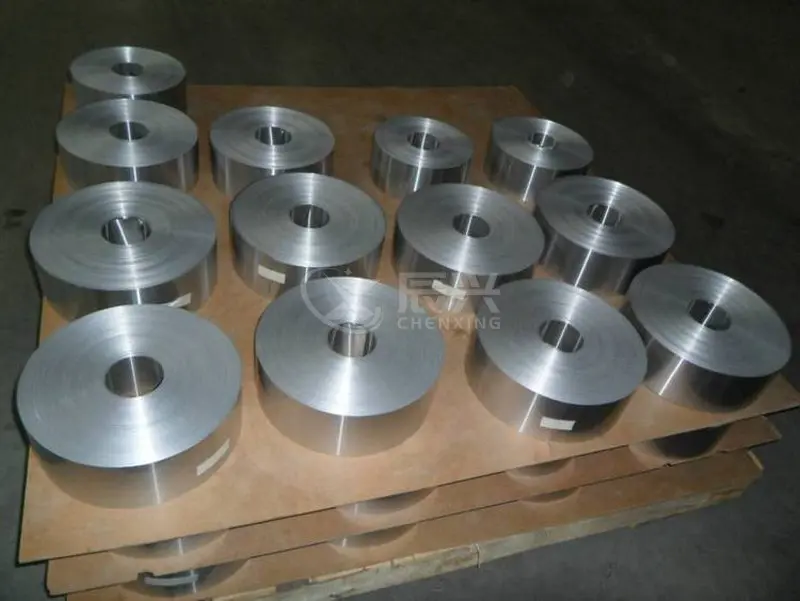
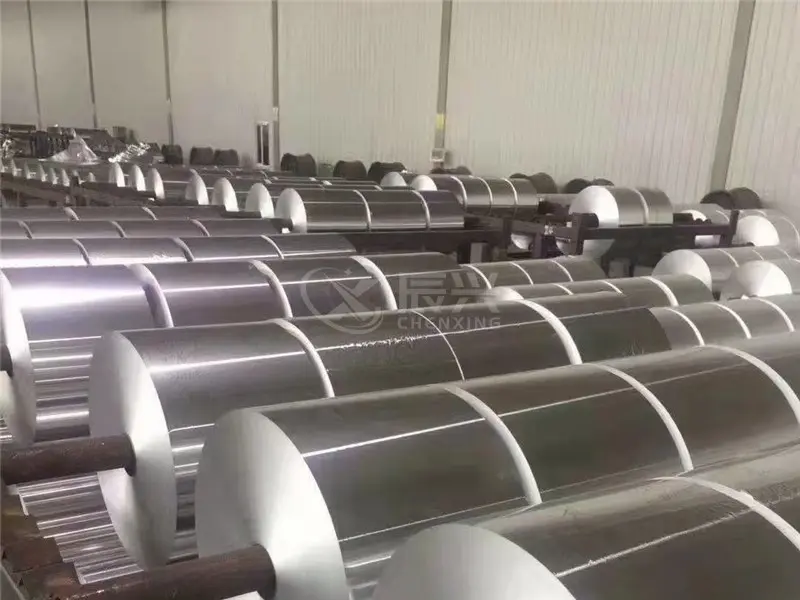
Explore how our customized materials excel across various demanding industrial markets.
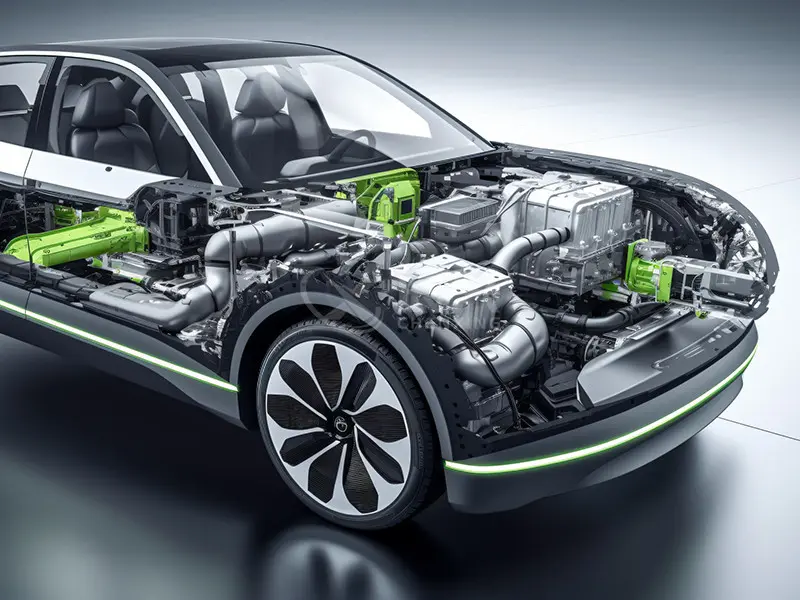
High structural integrity and optimized weight profiles to support modern automotive, rail, and marine chassis design.
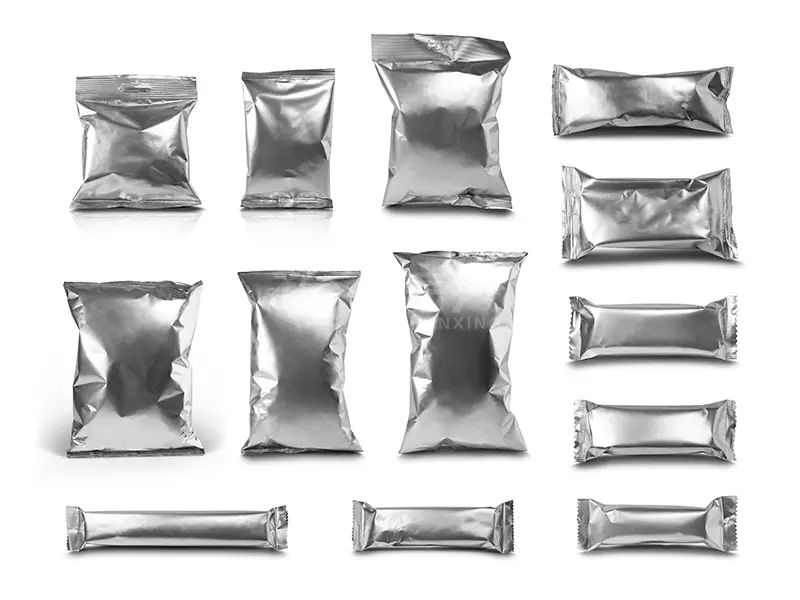
Superior barrier performance and sterile capabilities, matching the requirements of food-grade containers and blister packaging.

Highly conductive and reflective alloys crucial for circuit substrates, shielding, and cooling components.

Extreme strength-to-weight ratio and fatigue resistance, satisfying rigorous defense and civil aviation standards.
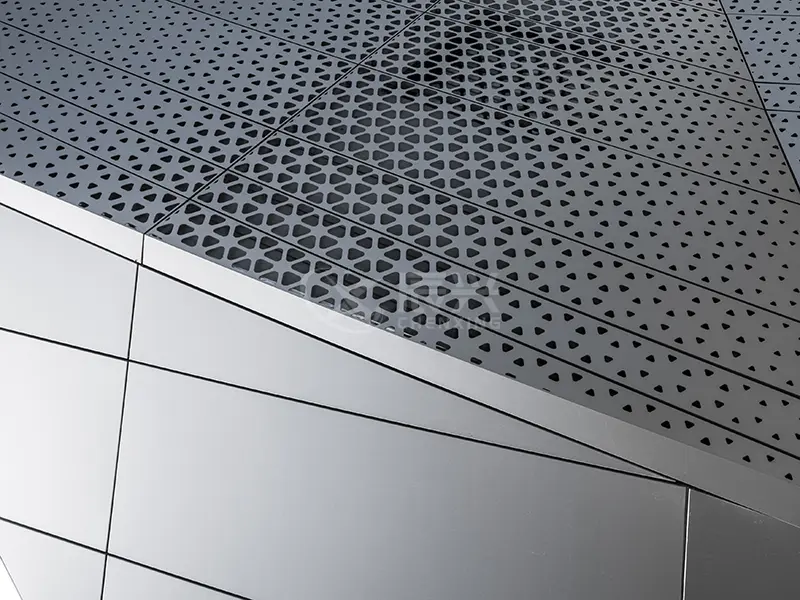
Weather-resistant and durable panels suited for exterior cladding, high-end facades, and structural framing.
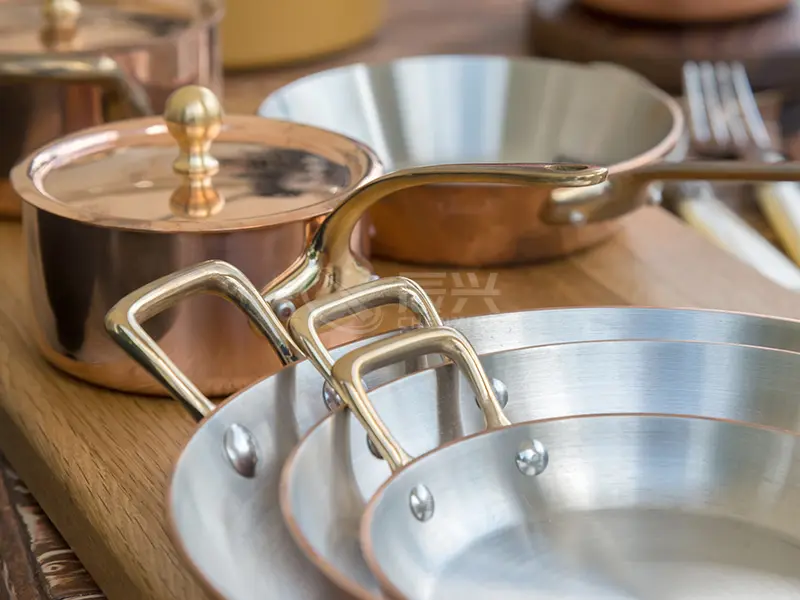
Aesthetic surface finishes combined with high corrosion resistance for premium consumer appliances.
Crucial answers to industry-standard questions from structural engineers and global procurement specialists.
Buyers should demand ISO 9001:2015 for manufacturing quality control, along with SGS, BV, or TÜV third-party testing. To verify mechanical and chemical compliance, request a Mill Test Certificate (MTC) conforming to EN 10204 3.1, detailing exact composition and yield/tensile strength results.
Standard architectural coating consists of PVDF applied in a 2-coat or 3-coat system (ranging from 25 to 35 microns). PVDF coatings offer excellent resistance to UV radiation and industrial pollution, typically providing a 15–20 year guarantee, whereas PE (polyester) coatings are more suitable for interior applications due to lower cost and shorter UV lifespans.
To avoid surface water stains, coils must be wrapped in heavy-duty waterproof barrier paper, secured with plastic film, and packed in strong wooden crates (eye-to-wall or eye-to-sky configurations). Silica gel desiccant packs are inserted to control internal humidity levels within the container.
Yes. 3003-H14 is highly ductile and can be bent to a tight radius without cracking. 5052-H32 has higher magnesium content, providing greater strength but requiring a slightly larger minimum bend radius (typically 1t to 1.5t of sheet thickness) to prevent cracking along the bend line.
For standard alloys like 1050 or 3003, MOQs generally start around 3 to 5 metric tons per size. Custom widths or rare alloys may require an MOQ of 10 tons, depending on the rolling schedule of the casting furnace.
Stay up to date with manufacturing innovations, global supply dynamics, and green alloy advancements.
Worldwide demand for high-strength aluminum profiles continues to rise. We have expanded our precision production capacity to support fast international deliveries.
More news
With EV battery manufacturing accelerating, the demand for ultra-thin 10-micron aluminum foil is reaching historic highs. Discover our recent quality improvements in foil manufacturing.
More news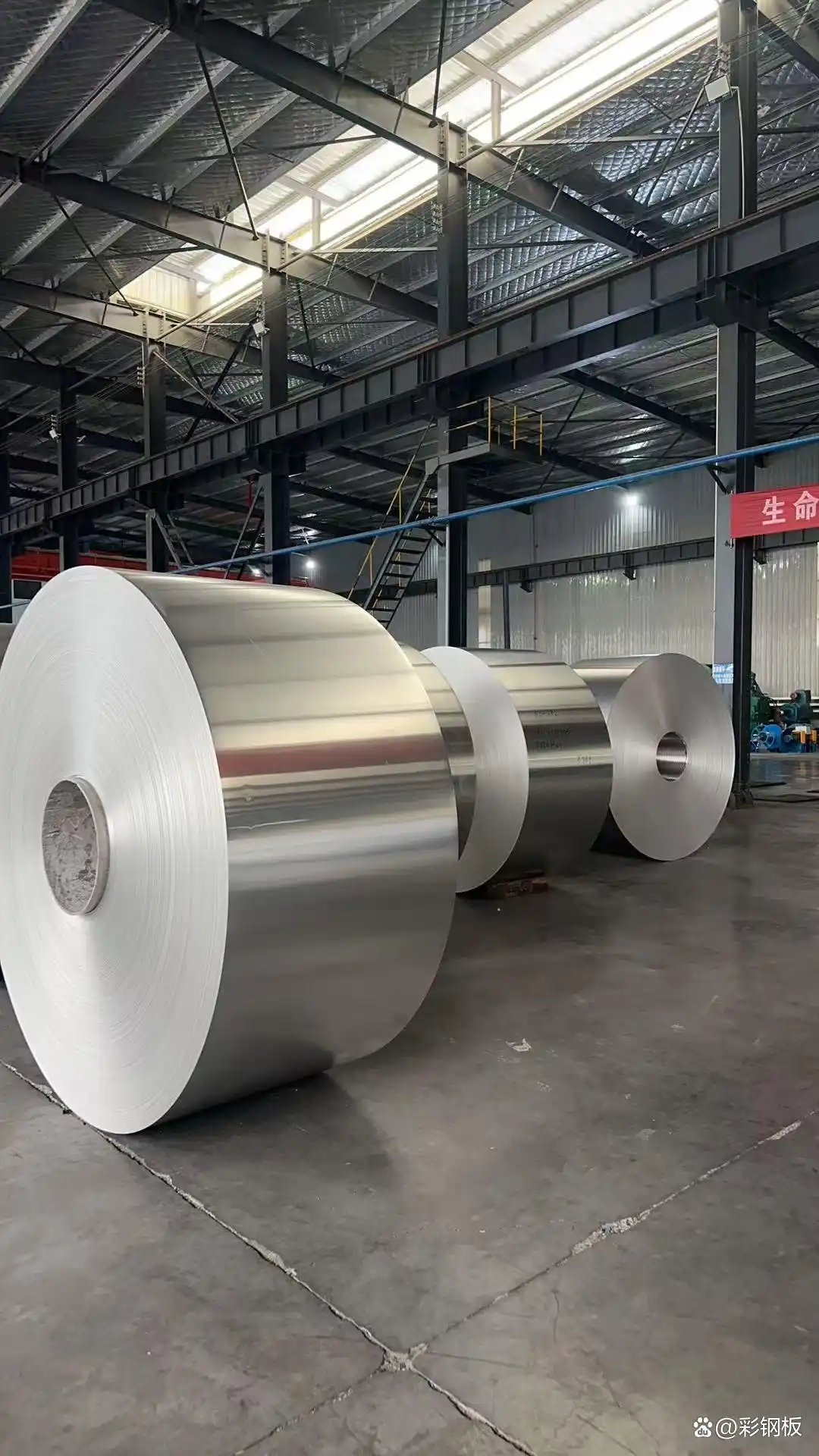
Decarbonization efforts are boosting the choice of recycled aluminum over primary ingots. Our team is leading the way by developing carbon-reduced aluminum options.
More newsA comprehensive selection of certified foils, containers, and alloy sheets ready for shipment.
Connect with our expert engineering team to receive detailed quotes, chemical breakdown reports, and physical samples within 24 hours.
Send Sourcing Request