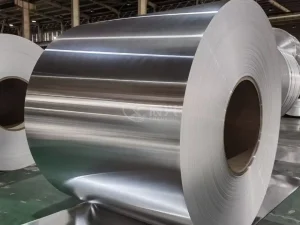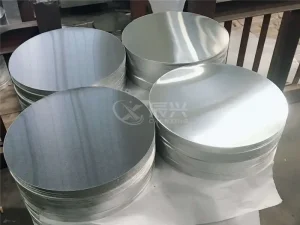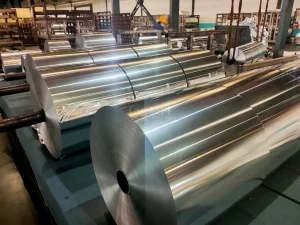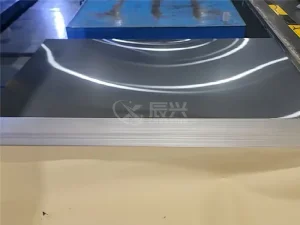
Direct Access to Top-Tier Global Mills: High-Precision Metallurgy, Advanced Coil Slitting, Anodized Solutions, and Enterprise Compliance for Industrial Applications
Direct supply from state-of-the-art continuous casting mills, meeting strict international ASTM, EN, and GB parameters.
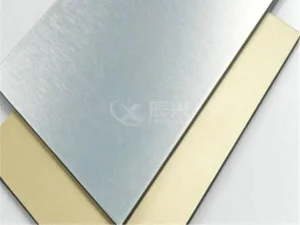
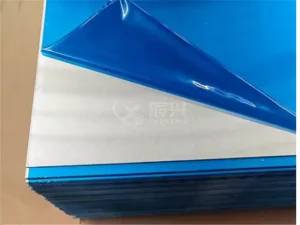
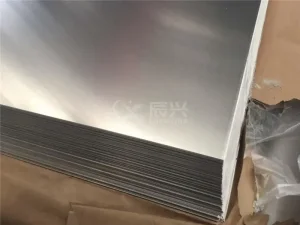
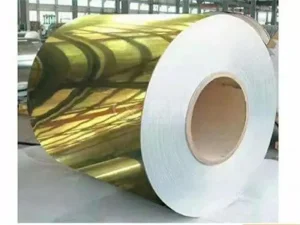
In the modern manufacturing landscape, the strategic sourcing of aluminum sheet metal and coil is undergoing an unprecedented paradigm shift. Industrial procurement is no longer merely a transaction of weight and price; it has become a complex equation of metallurgy precision, supply chain reliability, and stringent environmental compliance. As key industrial sectors target decarbonization, lightweighting, and higher circularity ratios, the demand for high-quality aluminum alloys has surged globally.
From the lightweighting imperatives of automotive electric vehicles (EVs) utilizing structural 5xxx and 6xxx series alloys, to the strict barrier-protection demands of food and pharmaceutical packaging demanding ultra-pure 1xxx and 3xxx series foils, choice of manufacturer dictates end-product performance. Modern production lines require coils with extremely tight flatness tolerances, uniform mechanical characteristics, and reliable surface treatments such as tension-leveling and electrochemical anodization.
Understanding these underlying structural trends allows supply chain directors to align with manufacturers that don't just supply metal, but act as technology partners. This guide details the critical considerations, process controls, and quality guarantees necessary to de-risk your aluminum procurement.
We combine advanced metallurgy, automated processing lines, and robust global logistics to deliver an uncompromised supply of aluminum products.
Multi-stage inspection protocols from direct chemical melt testing to final thickness tolerances check using non-contact X-ray gauges.
Our engineering support unit acts within 24 hours. Implementation of the structured 8D problem-solving process guarantees total service reliability.
Exporting to more than 35 countries. Structured logistics pathways and robust ocean packaging ensure corrosion-free material delivery.
From custom slitting widths down to 10mm to dedicated tempering schedules, we adapt chemical compositions to suit your tooling profiles.
Selecting the optimal aluminum alloy is paramount to preventing downstream failure. Different series present widely varying attributes. For instance, the 1xxx series alloys (such as 1050 and 1060) offer outstanding electrical conductivity and chemical resistance but lack the mechanical strength required for load-bearing structures. Conversely, the heat-treatable 6xxx series alloys (like 6082 T6) leverage magnesium and silicon to construct high yield-strength profiles ideal for structural engineering.
The table below highlights the standard physical properties of major alloys manufactured across our advanced hot-rolling and cold-rolling lines:
| Alloy Series | Primary Elements | Mechanical Strength | Key Characteristics | Primary Industrial Applications |
|---|---|---|---|---|
| 1xxx Series (e.g., 1050, 1060) | Al ≥ 99.0% / 99.5% | Low (60-120 MPa) | Exceptional ductility, electrical & thermal conductivity, high corrosion resistance. | Capacitors, heat exchangers, chemical storage, transformers. |
| 3xxx Series (e.g., 3003) | Manganese (Mn) | Medium (110-190 MPa) | Outstanding formability, superb welding performance, 20% stronger than 1xxx. | Deep-drawn cookware, heat shields, chemical equipment, roofing. |
| 5xxx Series (e.g., 5052, 5754) | Magnesium (Mg) | Medium-High (190-290 MPa) | Superb marine-grade corrosion resistance, high fatigue strength. | Marine hulls, pressure vessels, vehicle body panels, fuel lines. |
| 6xxx Series (e.g., 6082 T6) | Mg & Silicon (Si) | High (290-370 MPa) | Excellent machinability, structural integrity, high response to heat treatment. | Heavy-duty structures, transportation frameworks, railway cars. |
The properties of aluminum sheet and coil are shaped by their temper designation. Standard tempers include:
Explore how our aluminum sheets, coils, and foils satisfy precise engineering and structural demands across global sectors.
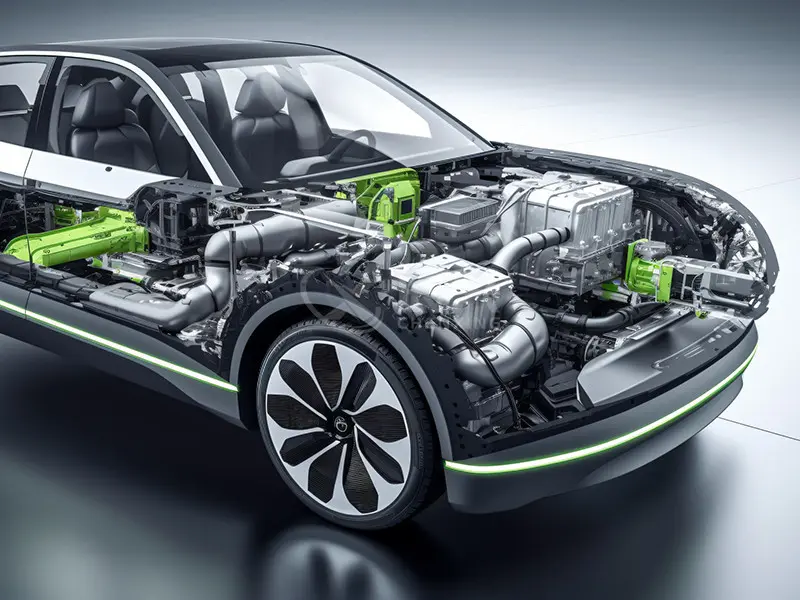
Providing automotive body-in-white (BIW) sheets and lightweight structural components. Facilitates weight reduction to extend EV range, maintaining structural integrity under rigorous impact testing.
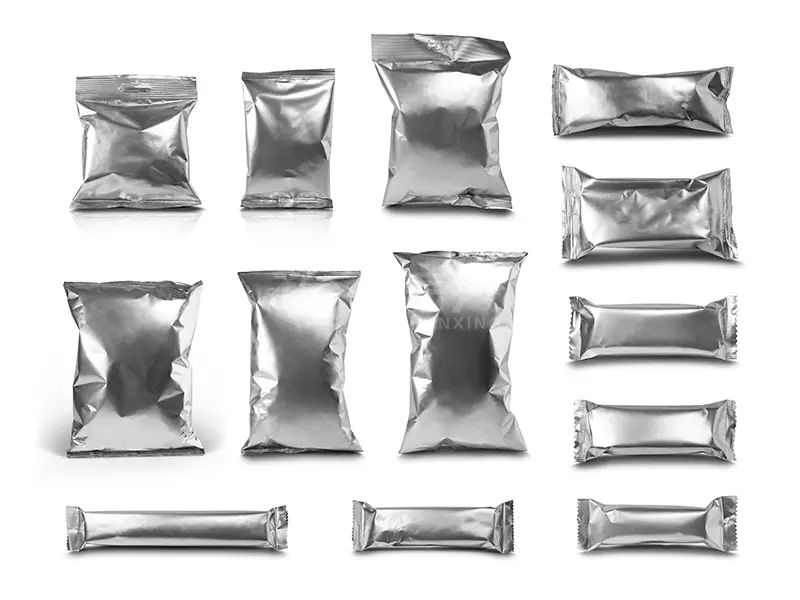
Highly precise aseptic foils and container stocks. Delivers zero porosity to protect food products, cosmetic bases, and delicate pharmaceutical products from oxygen ingress.

Superb thermal dissipation characteristics, ideal for electronics shielding, chassis structures, LED backing boards, and cell battery heat sinks.

High-strength-to-weight structures, delivering optimal structural performance under stress and wide temperature variations in fuselage skin structures.
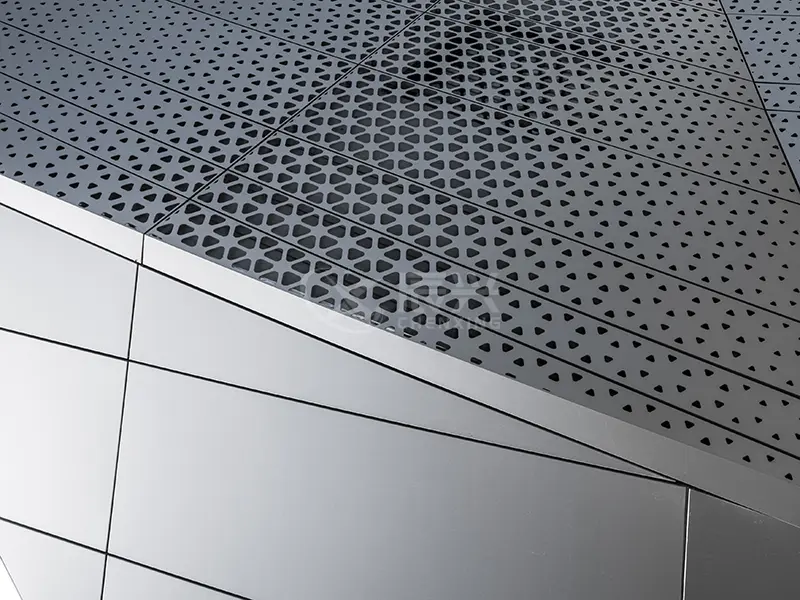
Corrosion-resistant roofing coils, cladding, and protective trim profiles. Resistant to weathering, marine environments, and UV degradation.

Aesthetic brushed finishes, fingerprint-resistant sheets, and structured heat exchangers for modern domestic appliances and HVAC systems.
As the international community moves toward stricter environmental policies, including the EU's Carbon Border Adjustment Mechanism (CBAM) and clean supply chain frameworks, aluminum manufacturing is undergoing an ecological transition. The production of traditional primary aluminum is highly energy-intensive. To support customer ESG initiatives, we are implementing a progressive engineering roadmap:
Integrating state-of-the-art optical scrap sorting systems to increase the recycled content of our 3xxx and 5xxx series alloys to up to 75% without compromising mechanical purity or structural grain structures.
Forming strategic alliances with energy grids driven by hydroelectric power, reducing the carbon footprint of our base primary aluminum ingots below 4.0 kg CO2 per kg of aluminum.
Installing inline laser thickness gauges and camera scanners to detect surface micro-cracks, oil residues, and shape deviations in real-time on our high-speed slitting lines.
Direct technical explanations from our metallurgical engineering and supply teams.
We measure flatness using tension-leveling technology and verify parameters using non-contact optical sensor arrays. Deviation limits are strictly held within ASTM B209 and EN 485 specifications. Standard limits are kept below 1% to eliminate coil set and ensure problem-free processing on automated stamping lines.
All sheets and coils are wrapped in moisture-barrier plastic wrap and corrugated paper, loaded with silica gel desiccant packs, and packed into IPPC-certified wooden cases. We offer customized dry packaging or light oil coatings to match your post-unpacking assembly guidelines.
Yes. We anodize custom orders to thicknesses between 5 and 25 microns (Architectural Class I & II). We perform strict checks on color uniformity and seal quality to ensure long-term durability in outdoor applications.
For deep drawing processes, the 1050, 1060, and 3003 alloys in the annealed (O) temper are ideal. Their high elongation and fine grain structures prevent tearing and orange-peel defects when forming cookware or complex enclosures.
Stay informed about global aluminum market changes, technological innovations, and our operational growth.
Read about how we have expanded our advanced hot-rolling mills to meet the growing global demand for high-strength 5xxx alloy plates.
Read Full Article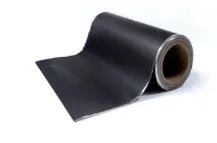
Review our analysis of technical requirements for battery foils, focusing on tensile strength and surface cleanliness in lithium energy storage systems.
Read Full Article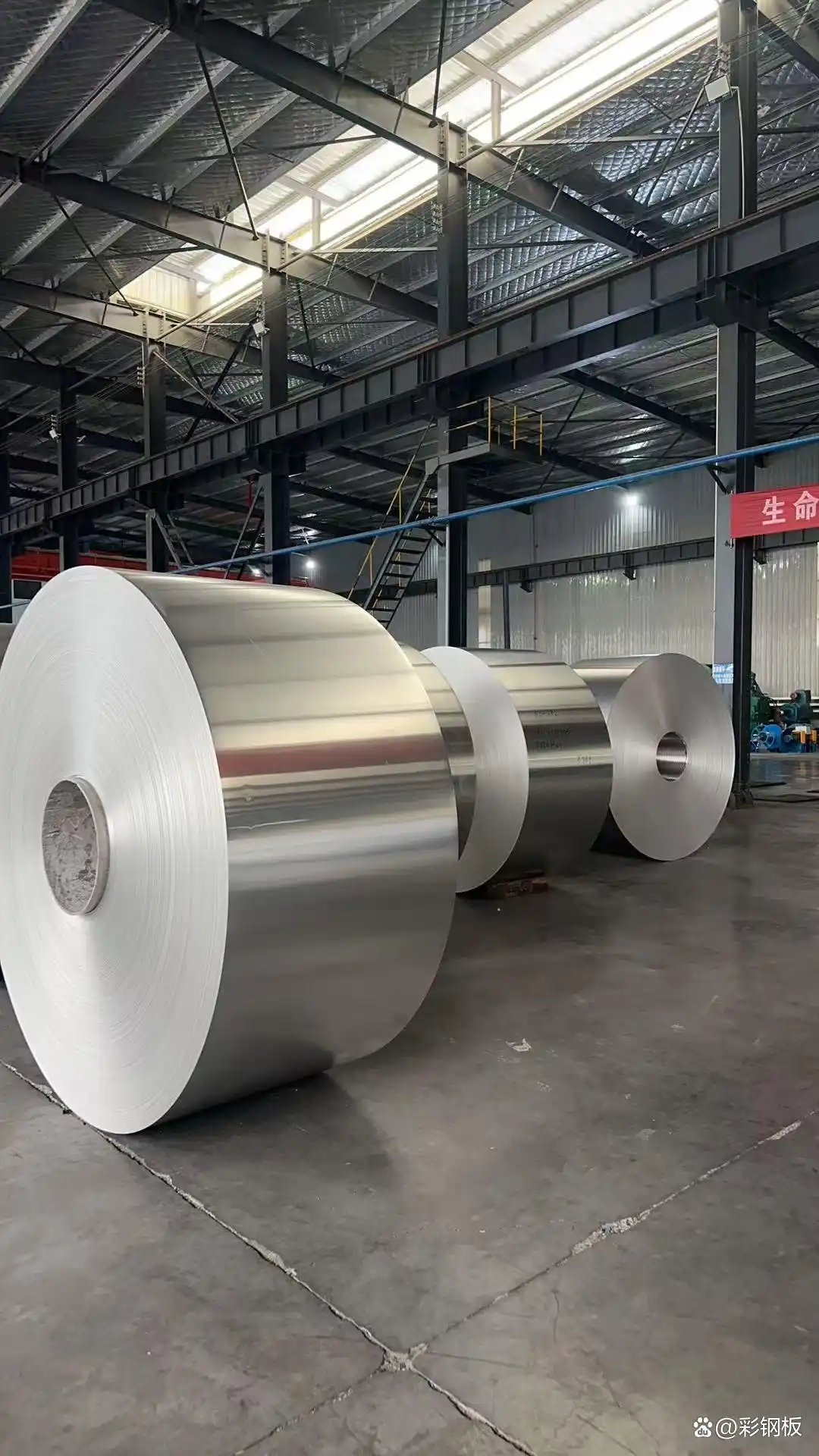
Understanding the shift toward green building designs and the increased usage of durable pre-painted aluminum panels.
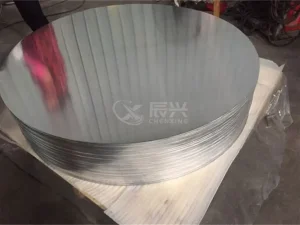
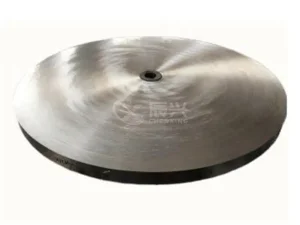
Read Full ArticleProviding specialized foils for packaging and pharmaceutical use, circle blanks, and corner finishing components.
Request pricing, chemical analysis reports, mechanical data, or custom sizing configurations. Our technical sales team will reply with a detailed proposal within 24 hours.