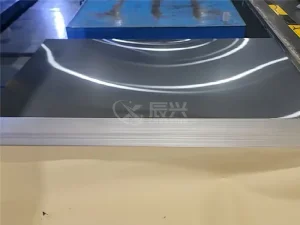
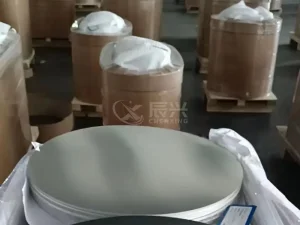
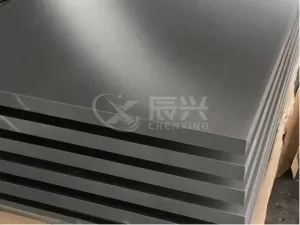
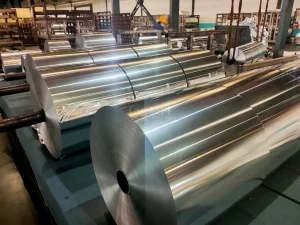
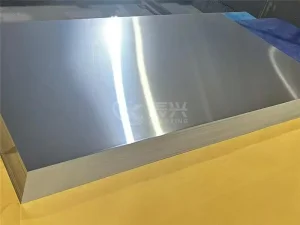
In the contemporary landscape of structural engineering and manufacturing, the demand for precision-engineered aluminum structural frames and profiles is accelerating at an unprecedented rate. Globally, industrial sectors are pivoting towards high-strength, lightweight, and recyclable structural framing solutions. Aluminum, characterized by its remarkable strength-to-weight ratio and natural corrosion resistance, has transitioned from a basic material option to the cornerstone of advanced structural design.
Macroeconomic drivers, such as the worldwide drive towards carbon neutrality, net-zero architectural configurations, and the electrification of transportation networks, have intensified the reliance on specialized aluminum manufacturers. Large-scale solar energy fields require robust, wind-resistant structural tracking frames, whereas high-speed rail and automotive OEMs seek customized structural profiles to reduce dead weight and enhance fuel or battery efficiency. To navigate this demanding framework, procurement executives must look beyond standard catalogs and collaborate with vertically integrated manufacturers capable of delivering customized alloys, precision tolerances, and strict compliance assurance.
Selecting the optimal aluminum alloy determines the performance, durability, and stress tolerance of the final structural component. In structural aluminum manufacturing, engineers primarily categorize material bases depending on mechanical properties and chemical compositions. Below is a comprehensive breakdown of the key alloys utilized in advanced structural and sheet applications:
| Alloy Series | Yield Strength (MPa) | Tensile Strength (MPa) | Elongation (%) | Primary Technical Characteristics | Key Applications |
|---|---|---|---|---|---|
| 1xxx Series (e.g., 1050, 1100) | 75 - 105 | 110 - 130 | 5 - 12 | High ductility, supreme thermal & electrical conductivity, superior corrosion resistance. | Deep-drawn components, electrical conductors, cookware, reflectors. |
| 3xxx Series (e.g., 3003) | 120 - 145 | 140 - 160 | 8 - 15 | Moderate strength, exceptional workability, excellent weldability, and resistance to chemical corrosion. | Heat exchangers, chemical equipment, industrial sheet metal structures, food-grade storage. |
| 5xxx Series (e.g., 5052) | 190 - 215 | 210 - 230 | 12 - 20 | Superior fatigue strength, outstanding saltwater corrosion resistance, highly formable. | Marine vessels, subsea containment units, structural enclosures, fuel lines. |
| 6xxx Series (e.g., 6082-T6) | 250 - 270 | 290 - 310 | 10 - 14 | Highly extrudable, heat-treatable, high structural strength, great corrosion resistance, excellent machining attributes. | Structural framing, automotive chassis, high-stress bridges, construction gantries. |
| 7xxx Series (e.g., 7075-T6) | 480 - 505 | 540 - 570 | 7 - 11 | Extremely high mechanical strength, high fatigue limits, heat-treatable, premium hardness profile. | Aerospace structural beams, military defense enclosures, high-stress athletic gears. |
Achieving dimensional stability during the extrusion process requires strict thermal management. Extrusion dies are pre-heated to precise metallurgical thresholds to eliminate thermal micro-cracking. Once extruded, the profile undergoes controlled water or air quenching to attain the desired temper (such as the highly resilient T6 state achieved via artificial aging). Furthermore, advanced secondary finishes are applied to optimize performance:
Vetted and trusted by global procurement and structural engineering groups for over two decades.
Modern procurement officers are faced with complex supply chain issues. In addition to material and fabrication costs, global regulations mandate strict compliance with decarbonization and environmental standards. For structural systems utilized in regions governed by carbon offset markets, procuring low-carbon aluminum is a critical factor.
Recycled Scrap and Low-Carbon Smelting: Leading aluminum extrusion plants minimize energy consumption by using high ratios of clean post-consumer or industrial scrap. Smelting aluminum from scrap requires only about 5% of the energy needed for primary aluminum extraction. Furthermore, sourcing primary ingots processed via zero-emission hydropower rather than coal-fired power grids results in a significant drop in embedded carbon, helping developers meet strict Carbon Border Adjustment Mechanism (CBAM) rules in the EU.
Anti-Dumping Regulations and Tariffs: Cross-border trade in extruded aluminum is subject to complex trade defenses. We offer clear traceability of raw material origin, ensuring smooth customs processing and avoiding heavy anti-dumping tariffs. By organizing production across geographically secure fabrication hubs, we provide a resilient supply chain that minimizes exposure to geopolitical issues and high tariffs.
Tailored material characteristics for high-demand, high-performance environments.
Providing crash-management components, railcar framework extrusions, and lightweight structural elements for passenger cars and EVs.
High-barrier packaging foils, sterile food container products, and coated coil stocks for the consumer goods industry.
Extruded heat sinks, precision chassis enclosures, and thin foil shielding with exceptional heat dissipation profiles.
High-strength 7xxx series alloy panels and forged framing designed to withstand cryogenic temperatures and high stresses.
Anodized structural frames, curtain wall support structures, window frames, and durable PVDF coated components.
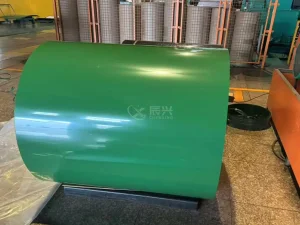
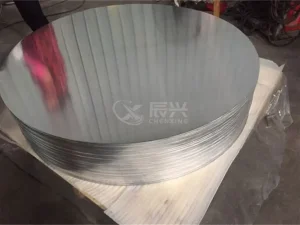
Highly aesthetic interior trim sheets, specialized cookware circles (1050/3003 alloys), and condenser coil foils.
Sourcing structural aluminum frames for safety-critical installations (like skyscraper curtain walls or mass-transit systems) requires rigorous verification protocols. High-performance extrusions must adhere to global engineering guidelines to avoid mechanical failure.
Key metallurgical and logistics queries answered by our structural design engineers.
6082-T6 is a high-strength structural alloy that offers significantly higher mechanical properties than 6063. It features roughly 40-50% higher yield strength and tensile strength, making it the ideal choice for high-stress structural designs, cranes, trusses, and structural framing. 6063, on the other hand, is suited for intricate profiles where aesthetic surface finishing is the main priority.
The service life is directly related to the thickness of the anodic oxide layer. For indoor use, a thickness of 5-10 microns is sufficient. However, for industrial or harsh outdoor settings, a Class I anodized layer of 18-25 microns is required to protect the frame from pitting and corrosion caused by rain and airborne pollutants.
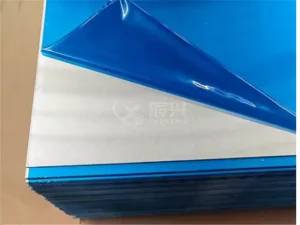
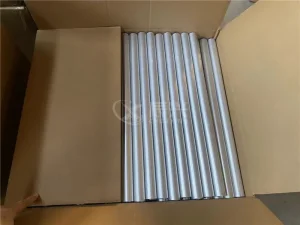
To prevent transit damage, we apply protective peelable films to all exposed surfaces of the profiles. Bundles are securely wrapped in waterproof kraft paper or heavy-duty shrink wrap, and packed into reinforced wooden crates. This packaging ensures the material remains dry and scratch-free during ocean freight shipping.
Stay updated on market dynamics, material supply trends, and advanced engineering technologies.
As structural demand grows worldwide, our manufacturing facilities have added new large-tonnage extrusion presses to meet tight delivery schedules for international projects.
The boom in electric vehicles is driving demand for ultra-thin, high-purity foils. Explore the technical requirements for battery collector foils.
The shift toward green construction materials is boosting the consumption of coated coils, with structural durability and recycling rates key to new specifications.
Request a quote or technical consultation. Our engineering team will respond within 24 hours.