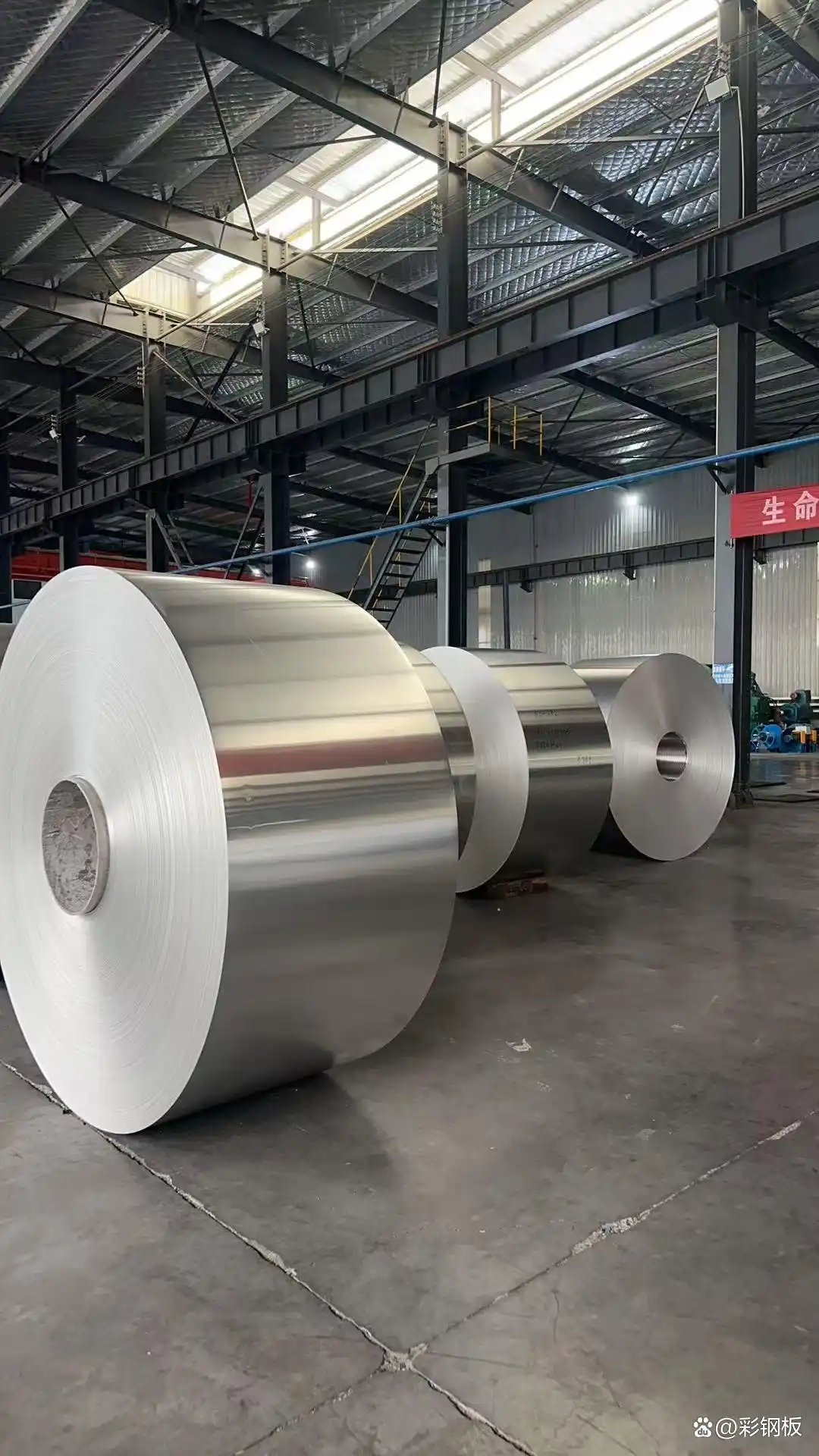
Industrial-Grade Aluminum Solutions Engineered for Structural Integrity and Weather Resistance
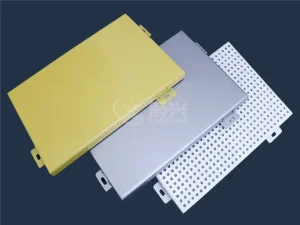
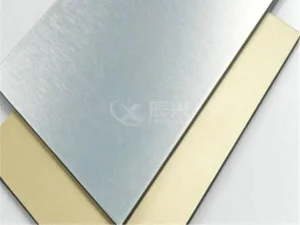
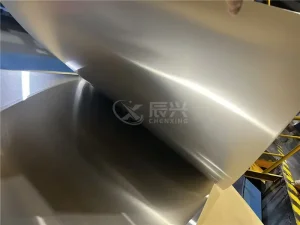
Understanding Commercial Intent, Engineering Alloy Selection, and Global Manufacturing Frameworks
When enterprise buyers search to buy aluminum fencing manufacturers and company partners, the purchasing decision extends far beyond basic cost-per-meter calculations. Modern architectural perimeters require structural resilience, long-term corrosion resistance, compliance with localized building codes, and scalable OEM manufacturing capabilities. Industrial aluminum fencing systems have largely replaced traditional wrought iron and wood perimeters due to their superior strength-to-weight ratio, total immunity to rust, and minimal life-cycle maintenance requirements.
Technical Insight: Premium aluminum fencing relies on high-grade magnesium-silicon aluminum alloys (primarily 6063-T5, 6063-T6, and 6005-T5). These alloys offer exceptional extrudability, high yield strength, and optimal surface preparation characteristics required for architectural-grade powder coatings adhering to AAMA 2604 and AAMA 2605 specifications.
The structural efficacy of an aluminum fence depends strictly on its alloy composition and thermal temper. Enterprise procurement teams must evaluate the chemical composition and mechanical properties of raw extrusions prior to committing to high-volume contracts:
Bare aluminum forms a natural oxide film, but aggressive atmospheric conditions—such as coastal acid rain, industrial pollutants, and intense ultraviolet exposure—demand multi-stage chemical pretreatment and electrostatic powder coating. Premium manufacturing facilities implement a non-chromate conversion coating (Zirconium/Titanium-based) to ensure superior film adhesion.
Coatings must meet American Architectural Manufacturers Association (AAMA) standards:
Suitable for interior or mild residential exterior environments. Provides basic color retention and impact resistance over a 1-to-3-year service horizon.
Formulated with high-grade TGIC polyester resin. Guaranteed to withstand 5 years of South Florida weathering, resisting chalking and color fading.
Utilizes PVDF resin technology. Designed for extreme commercial, coastal, and high-security infrastructure, offering 10+ years of unyielding color stability.
Vertical Integration from Primary Ingot Smelting to Precision CNC Customization
Operating continuous automated extrusion presses ranging from 600 to 3,600 metric tons. Capable of extruding complex multi-hollow profiles, heavy-duty post sections, and engineered horizontal rails with millimeter-accurate wall thickness tolerances.
Direct integration with primary aluminum ingot smelters eliminates intermediary trading markups. Economical volume purchasing combined with optimized scrap recycling lowers FOB costs by 20% to 35% compared to Western regional mills.
In-house CAD/CAM tooling centers can design, fabricate, and test custom extrusion dies within 7 to 10 working days. Rapid prototyping allows global distributors to launch proprietary fencing designs to market ahead of competitors.
Supply Chain Security: Tier-1 Chinese manufacturers utilize real-time SAP/ERP tracking systems, allowing global buyers to monitor raw material melting, extrusion, aging heat treatment, powder coating, and loading in real-time.
Engineering Aluminum Fencing Systems to Meet Rigorous International Structural Standards
Exported fencing profiles strictly conform to ASTM F2408 (Standard Specification for Ornamental Fences Employing Steel or Aluminum). Fastening brackets and post anchors are engineered to satisfy International Building Code (IBC) and International Residential Code (IRC) lateral load requirements of 200 lbs applied at any point along the top rail.
For hurricane-prone regions like Florida (HVHZ - High-Velocity Hurricane Zones), specialized reinforced post inserts and high-tensile 6005-T5 pickets are supplied with complete structural wind-load calculation packages (up to 150 mph wind velocity test ratings).
European architectural projects demand compliance with EN 1999-1-1 (Eurocode 9) for design of aluminum structures, as well as Qualicoat / Qualanod certifications for surface treatments. Aluminum gate assemblies carry full CE marking under EN 13241-1 for industrial, commercial, and garage doors and gates.
Materials undergo rigorous salt spray exposure tests under ISO 9227 for a minimum of 3,000 continuous hours to guarantee corrosion immunity in Northern European maritime environments.
Solving Freight Optimization, Packaging Protection, and Tariff Navigation for Large-Scale Imports
Fencing components are wrapped with protective interleave tissue, shrink film, and custom heavy-duty steel pallet crates. Prevents cosmetic abrasion or surface micro-scratching during long-distance ocean transit.
Utilizing 3D CAD container loading simulations. Knock-down (KD) fence panel packaging increases container utilization rates by up to 40% compared to fully welded pre-assembled panels, drastically reducing freight cost per foot.
Experienced logistics teams manage HS code classification (e.g., HS 7610.90 for aluminum structures), Certificates of Origin (Form E, RCEP, COO), and anti-dumping tariff optimization strategies for US, EU, and Australian buyers.
Empowering International Buyers through Unrivaled Manufacturing Capacities and Responsive Quality Management
Decades of deep metallurgical expertise in aluminum extrusion, roll forming, and structural fabrication.
Reliable logistics and localized compliance across North America, Europe, Australia, and the Middle East.

Automated optical inspection, wall thickness ultrasonic testing, and digital batch traceability.

Dedicated engineering support with rapid 8D root-cause corrective reporting within 24 hours.
Innovations Shaping the Future of Perimeter Security and Architectural Design
Modern commercial perimeters seamlessly incorporate hidden wiring channels, magnetic lock brackets, and integrated optical sensors within extruded posts to accommodate IoT automated access systems.
Architectural demand is shifting toward clean visual aesthetics. Patented snap-lock and hidden picket-to-rail lock mechanisms eliminate visible screws, improving both anti-tamper security and visual elegance.
Eco-conscious developments are adopting aluminum frame fence panels engineered to house thin-film solar photovoltaic modules, transforming perimeter boundaries into clean energy generation assets.
Tailored Industrial and Architectural Aluminum Solutions for Every Sector

Lightweight structural extrusions for railway, trailer sidings, and noise barrier enclosures.
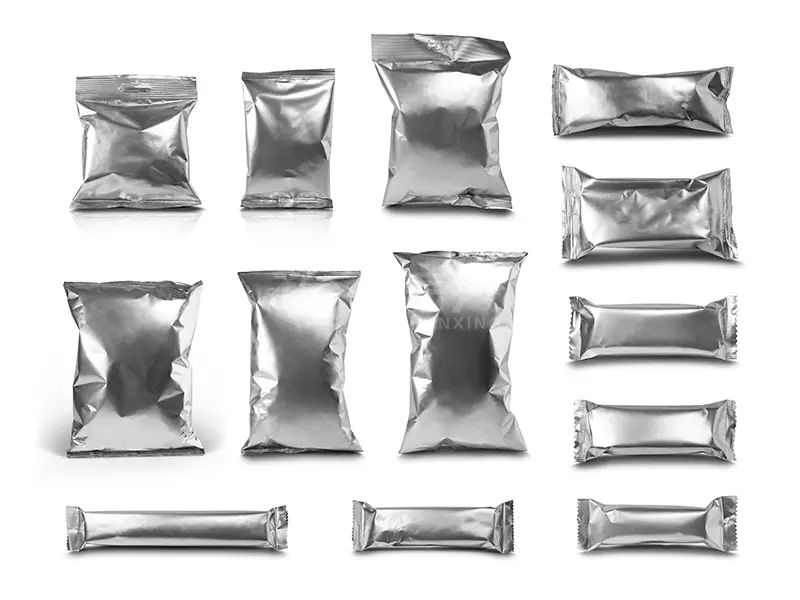
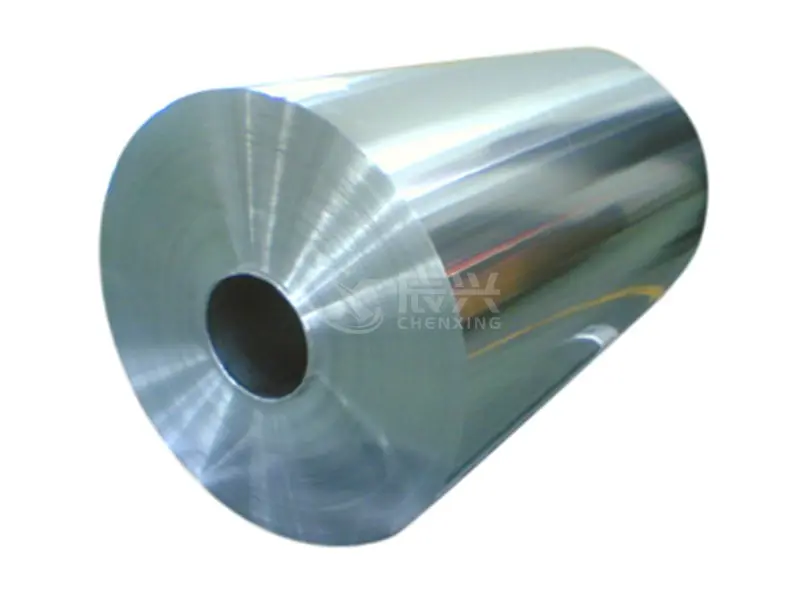
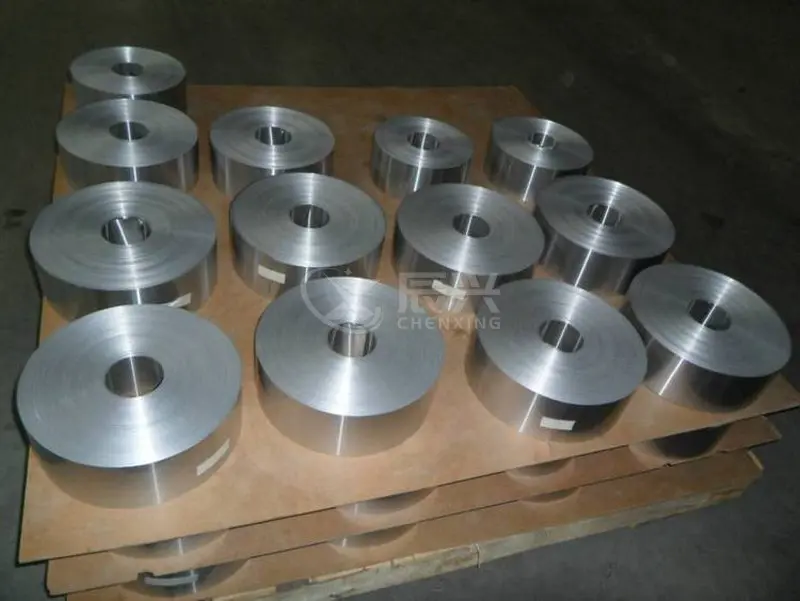
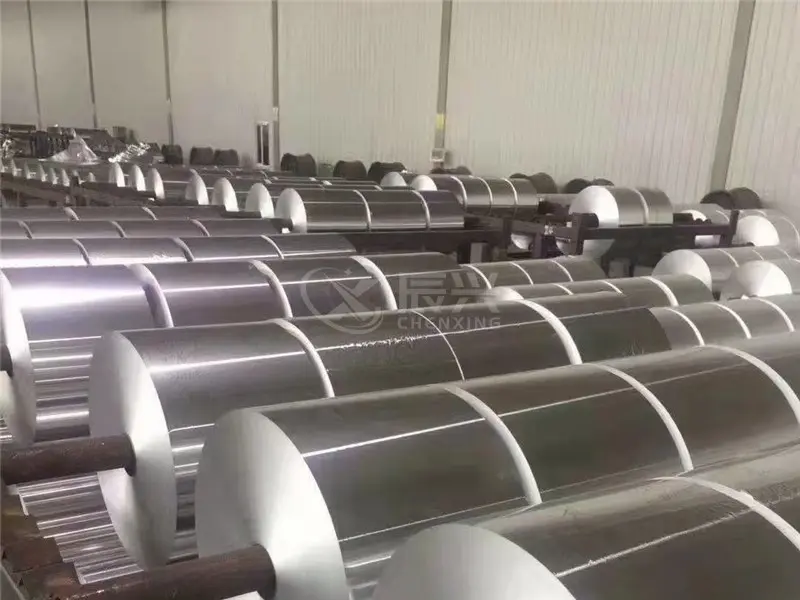
High-barrier coated foils and continuous strip sheets for industrial containment.

Precision thermal conductivity plates and anodized enclosures for electronic hardware.

High-strength 7075 and 6082 T6 heat-treated plates engineered for structural strain.
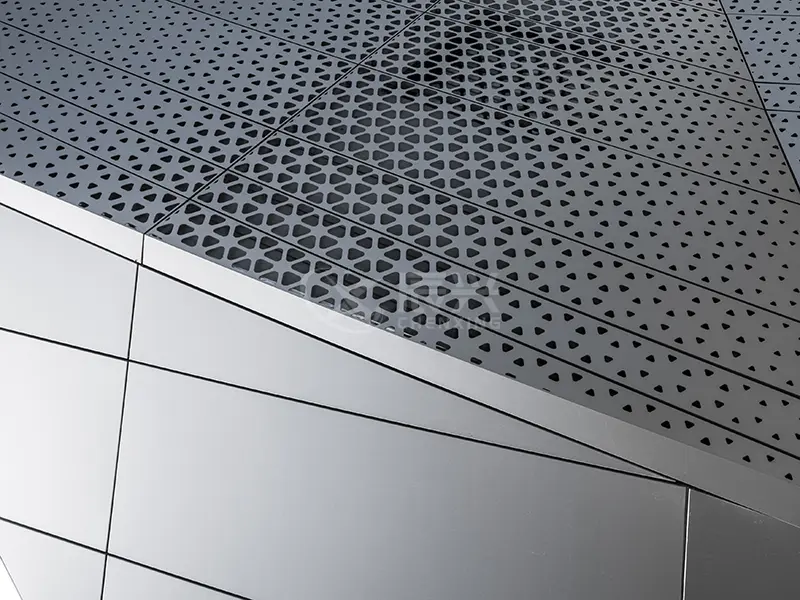
Heavy-duty architectural curtain walls, security fencing profiles, and structural posts.
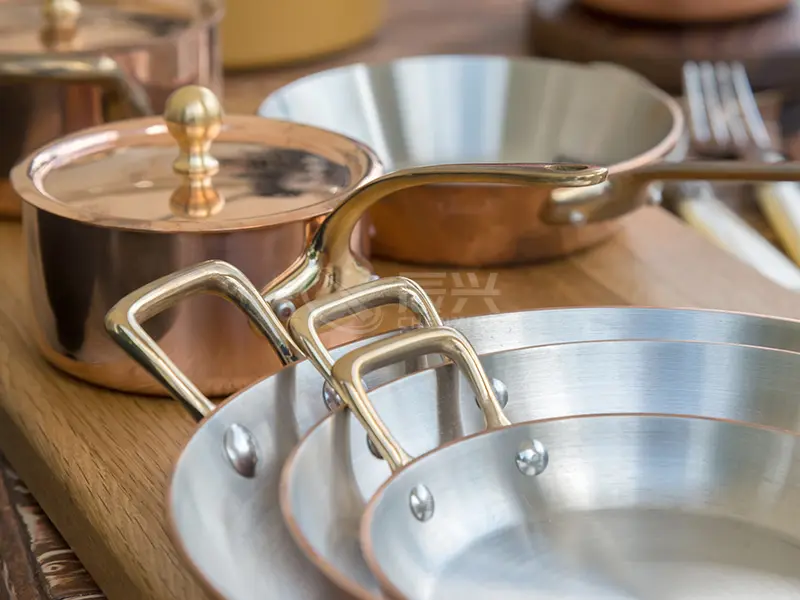
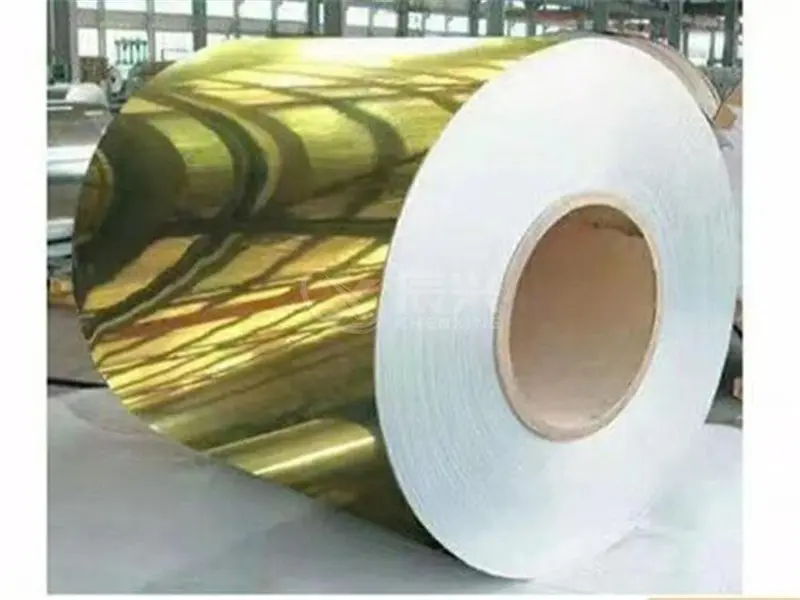
Brushed and mirror-finish decorative coils for premium home and kitchen appliances.
Expert Insights into Aluminum Fencing Sourcing, Engineering, and Order Execution
Aluminum is naturally resistant to oxidation, weighing roughly one-third of iron while offering comparable tensile strength in T6 tempers. It eliminates long-term maintenance costs associated with rust, repainting, and structural fatigue.
We recommend 6005A-T61 or 6082-T6 profiles for posts and structural horizontal rails in hurricane-prone zones. These alloys provide higher yield strength and flexural rigidity under severe wind loads.
We apply a multi-stage non-chromate chemical pre-treatment followed by AAMA 2605 certified fluoropolymer (PVDF) powder coating, delivering 3,000+ hours of continuous salt spray resistance under ISO 9227 standards.
Custom extrusion die fabrication and sample validation take 7 to 10 days. Mass production runs usually require 15 to 20 days upon sample sign-off, supported by real-time order tracking.
Yes, we offer both fully welded panels and pre-drilled knock-down (KD) systems. KD packaging optimizes container volume by up to 40%, drastically lowering ocean shipping expenses for large distributors.
Our pool-grade fence lines are manufactured to meet IBC 3109 and US CPSC safety guidelines, featuring minimum 48-inch height barriers, vertical picket spacing under 4 inches, and self-closing, self-latching gate hardware.
Complete Industrial Catalog for Specialized Construction and Manufacturing Applications
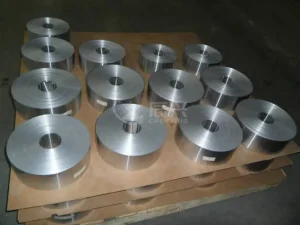
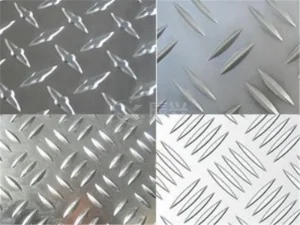
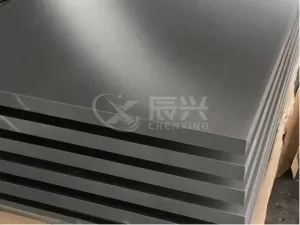
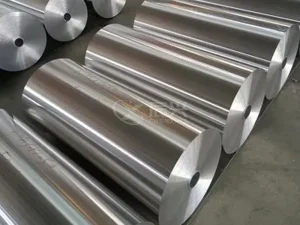
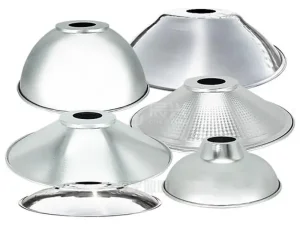
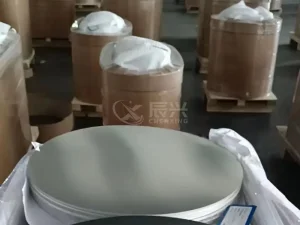
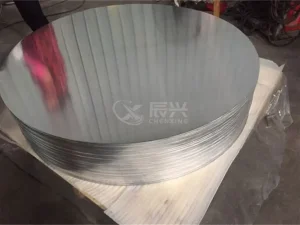
High-Demand Aluminum Form Factors Available for Direct OEM Supply
Stay Updated with Global Aluminum Market Trends, Metallurgy Reports, and Plant Updates
For inquiries regarding aluminum fencing profiles, custom extrusion dies, or bulk pricing lists, contact our engineering team. We respond within 24 hours with full technical quotes and 8D support.
Submit Inquiry Now