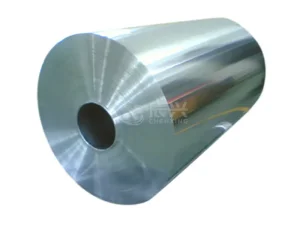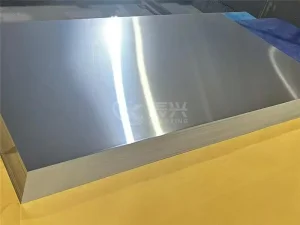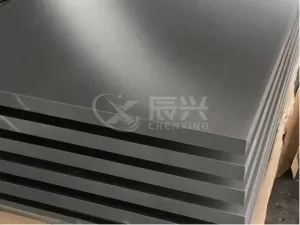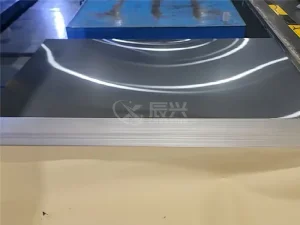
Explore our highly-acclaimed and factory-certified flat-rolled & engineered aluminium solutions.
An in-depth analysis of metallurgical advancements, supply dynamics, and high-performance applications.
The global demand for Aluminium Tube Coils has witnessed exponential growth over the past decade, shifting from niche thermal engineering applications to a pillar material for key technological sectors. With industrial systems demanding higher heat transfer efficiency, weight minimization, and long-term corrosion resistance, aluminium tube coils are replacing traditional copper tubing in mainstream heat exchangers, refrigeration cycles, and automotive cooling assemblies. The chemical and mechanical properties of specific alloys—predominantly from the 1000, 3000, 5000, and 6000 series—provide the thermal conductivity, tensile strength, and bendability required to meet rigorous global standards.
In modern industrial applications, the choice of alloy dictates thermal efficiency and structural integrity. Aluminium tube coils represent the pinnacle of light metal extrusion and precision drawing, enabling engineering groups to realize compact, lightweight heat transfer configurations with lower carbon footprints.
Regionally, the market for aluminium tube coils is split between raw material manufacturing hubs and high-value technology consumers. North America and Western Europe remain dominant in high-precision aerospace, automotive EV battery cooling, and commercial HVAC designs. However, the East Asian corridor, specifically China, has emerged as the epicentre for mass-scale manufacturing and processing technologies. This geographical specialization has created a global dependency on highly efficient suppliers capable of maintaining strict mechanical tolerances while scaling volume outputs.
Moreover, the global transition to eco-friendly refrigerants (such as CO2, R32, and R290) in air conditioning systems has forced a technological overhaul in tubing design. Manufacturers are shifting towards micro-channel flat tubes and multi-port extrusions (MPE) in coil forms. These profiles demand exceptional microstructural purity, which is achieved through advanced filtration and degassing processes during the continuous casting phase.
To successfully integrate aluminium tube coils into industrial setups, engineers must evaluate chemical compositions. Below is a comprehensive overview of the principal alloys utilized in global manufacturing:
| Alloy Series | Key Elements | Primary Mechanical Characteristics | Typical Applications |
|---|---|---|---|
| 1000 Series (e.g., 1050, 1060, 1070) | Al ≥ 99.5% | Excellent ductility, high thermal/electrical conductivity, superior corrosion resistance. Lower strength limits. | Electrical conductors, domestic refrigeration coils, chemical equipment. |
| 3000 Series (e.g., 3003, 3103) | Al-Mn (Manganese) | Moderate strength, excellent formability, high corrosion resistance, superb weldability. | HVAC evaporators and condensers, radiators, heat exchanger headers. |
| 5000 Series (e.g., 5049, 5052, 5754) | Al-Mg (Magnesium) | High strength, exceptional marine corrosion resistance, good fatigue strength. | Marine piping, structural tubes, automotive fluid lines in harsh environments. |
| 6000 Series (e.g., 6061, 6063, 6082) | Al-Mg-Si (Silicon) | Heat-treatable, high structural strength, great corrosion resistance, excellent extrusion characteristics. | Structural tubing, high-pressure liquid transfer, structural frames. |
A benchmark of quality, global logistics experience, and technical precision.
Two decades of continuous improvement in aluminium extrusion and drawing.
Meeting diverse global testing standards across Europe, Americas, and APAC.

Eddy current testing, ultrasonic verification, and full chemical trace tracking.

Rapid failure mode response and standard engineering consultation within hours.
Procuring from a specialized Chinese factory presents structured advantages that extend far beyond raw unit cost reductions. The core driver is **industrial cluster efficiency**. In regions such as Henan and Zhejiang, the proximity of primary smelting plants, precision tooling shops, and packaging design facilities reduces logistics delays and minimizes inventory holding costs.
A modern Chinese manufacturing facility utilizes continuous cast-rolling lines, computerized multi-stage drawing systems, and online annealing chambers that ensure homogeneous temper properties across the entire coil length. This structural cohesion prevents localized brittle points that often trigger failures during high-speed CNC bending processes. Furthermore, local engineers optimize extrusion dies dynamically using AI simulation tools, reducing cycle times and eliminating trial-and-error iterations.
Logistical competence is an critical pillar of our operation. When shipping thousands of metric tons of aluminium tube coils annually, packaging design determines the final yield rate. To prevent moisture ingress—which causes oxidation and surface pitting—our factory employs a multi-tiered moisture-barrier system: inner VCI (Volatile Corrosion Inhibitor) film, reinforced dessicant bags, custom wooden pallets designed for dynamic forklift handling, and heavy-duty steel strapping. The integration with domestic port networks allows seamless transition from our extrusion lines to international shipping containers, mitigating handling damage and customs delays.
How different global engineering sectors utilize our advanced aluminium profiles.
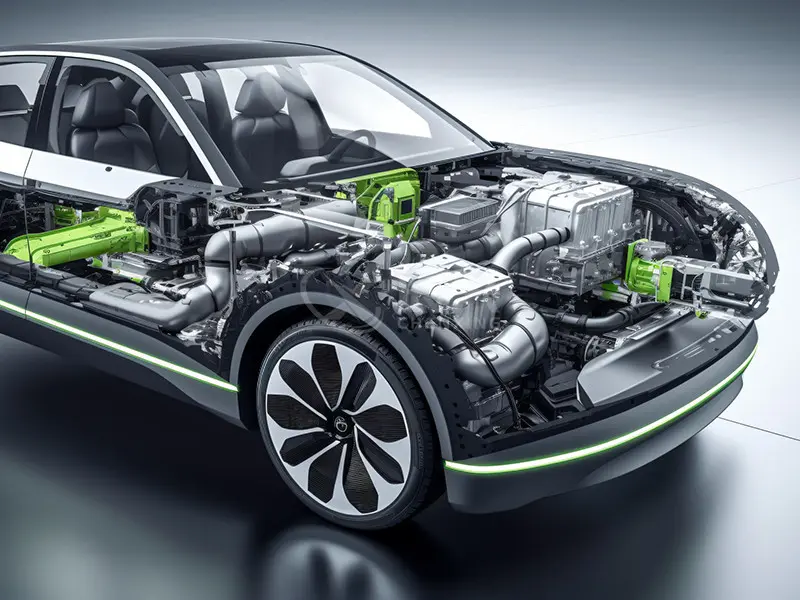
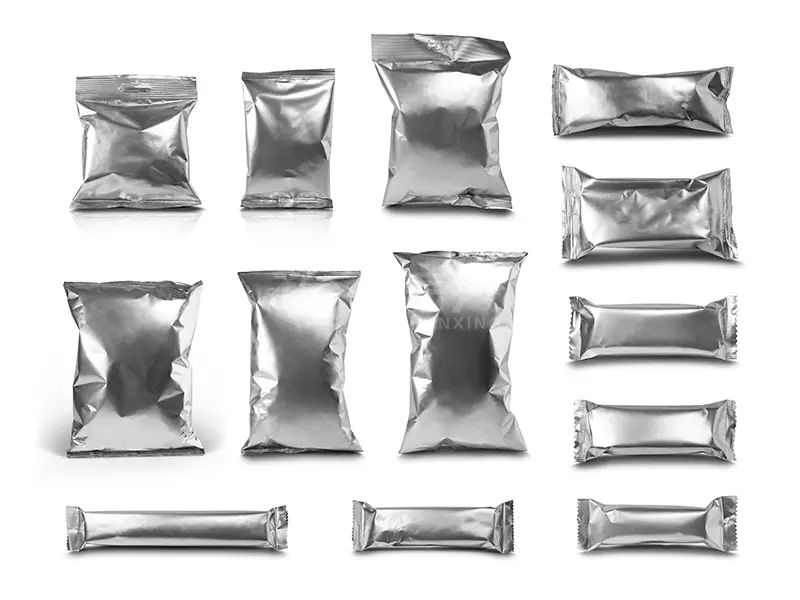
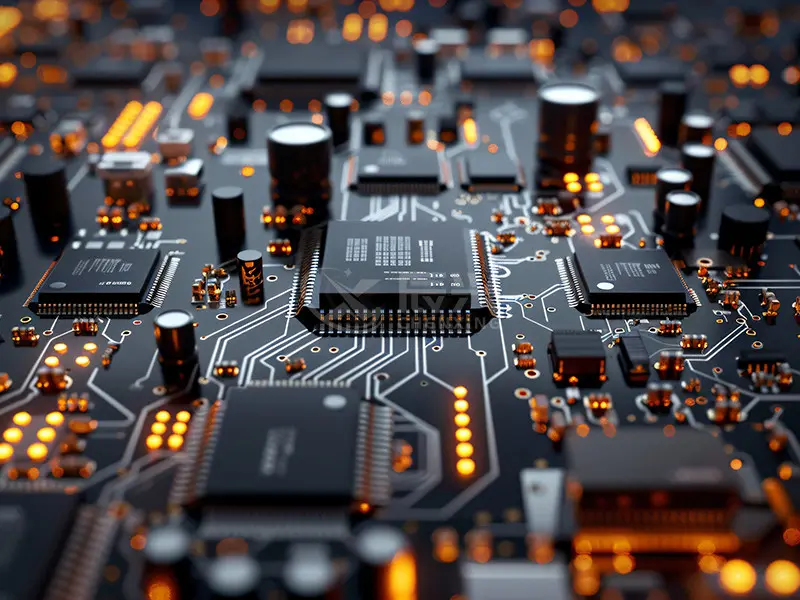
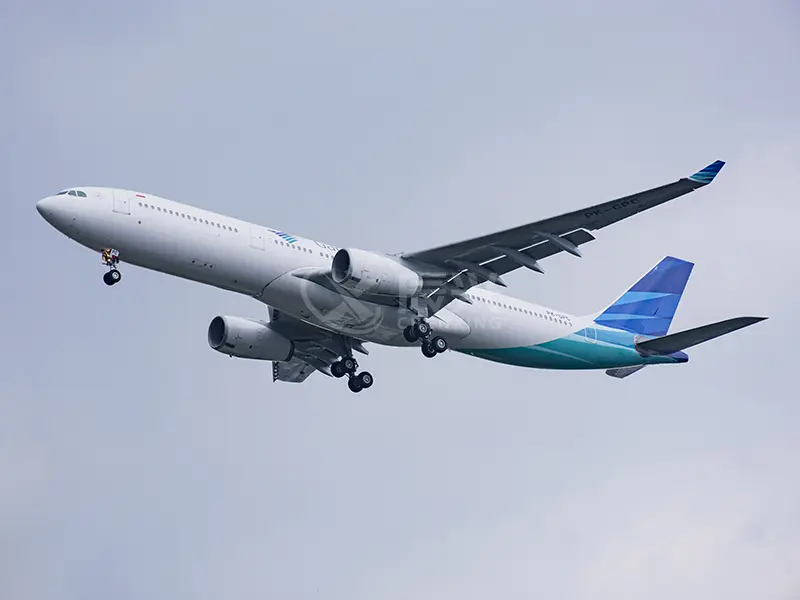
Procuring raw and semi-finished materials like aluminium tube coils requires strict qualification protocols. Sourcing managers must assess risk areas including mechanical deviation, chemical compliance, and delivery stability. An actionable procurement checklist should verify:
The transition toward eco-friendly industrial manufacturing has triggered two major movements in the aluminium tube coil industry. First, the push for **Green Aluminium** (or low-carbon footprint aluminium) is shifting smelter reliance from coal-based thermal power grids to clean hydropower sources. This transition can drop the carbon footprint of raw ingot production by up to 75%.
Second, downstream processing is leveraging **Industry 4.0** technologies. Intelligent extrusion systems use online eddy-current sensors to monitor material defects in real-time, instantly flagging structural anomalies along a 5,000-meter coil. Automated surface inspection cameras ensure anodized and chemical-conversion layers show complete coating thickness uniformity, satisfying high-end industrial buyers.
Stay informed about global trends, technical shifts, and our operational updates.
Technical answers to support procurement managers and mechanical engineers.
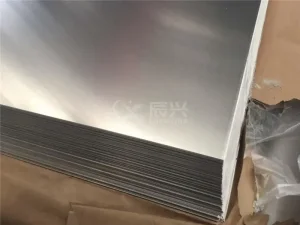
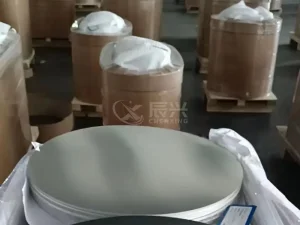
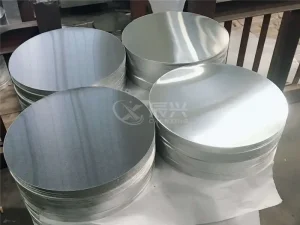
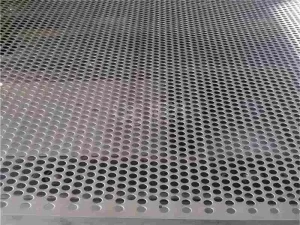
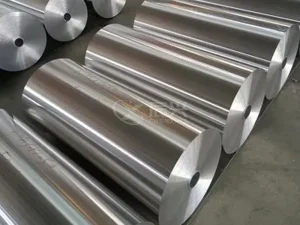
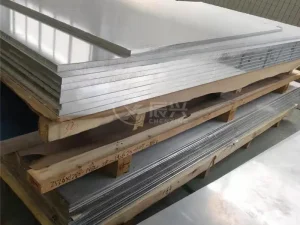
Premium grade structural plates, battery foils, and high-strength sheets for modern engineering.
Connect with our engineering specialists. Receive complete pricing structures, material chemical analysis certificates, and mechanical tolerance guarantees within 24 hours.