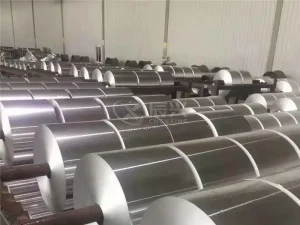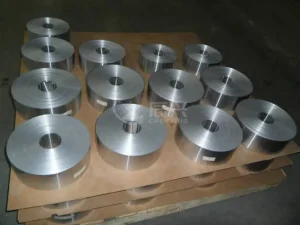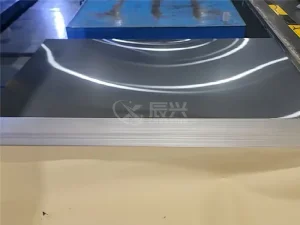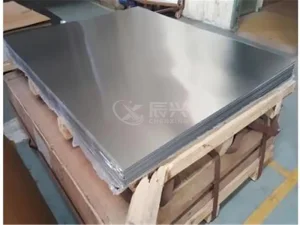
Premium aluminum base substrates engineered for custom slitting, roll-forming, and thermal manufacturing.
Why Tier-1 industrial buyers partner with us for critical metallurgical and strip slitting operations.


In modern metallurgy and heavy structural application development, the search term “Buy Aluminium Stripes Factories & Factory” corresponds to a highly specific and critical industrial need. It is not merely a request for raw aluminum coils, but a demanding requirement for calibrated processing lines, precision tolerance control, tension-levelling capabilities, and structural reliability. Choosing a qualified factory demands a profound understanding of metallurgical properties, grain structure, and the post-processing characteristics of different aluminum alloys.
"From electric vehicle busbars to building facade insulation, the precision of an aluminum stripe's edge quality and its metallurgical purity dictate the yield rate of the final manufactured assembly. The elimination of edge burrs and maintaining uniform coil tension are paramount."
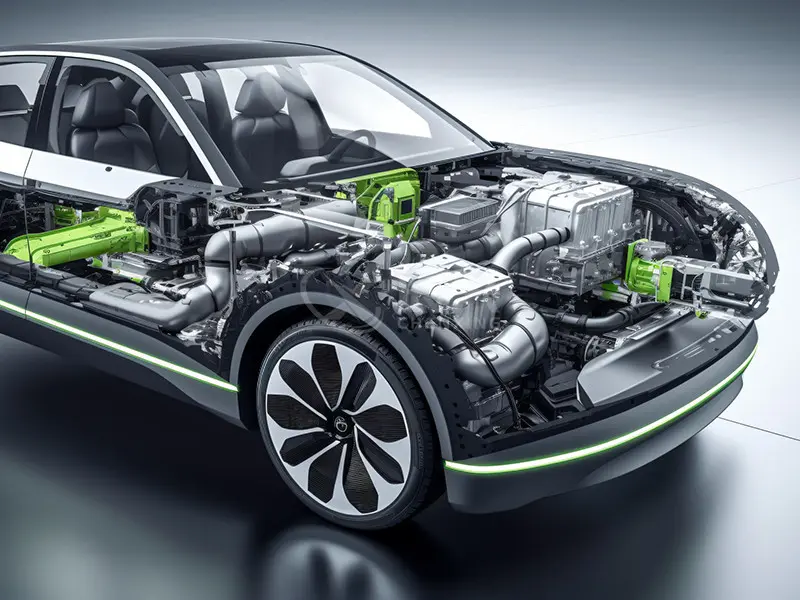
The global demand for high-quality aluminium strips has experienced an unprecedented surge, driven by structural shifts in three primary sectors: automotive electrification, green architectural envelopes, and micro-grid energy distribution. In the automotive sector, pure 1050/1060 series and structural 3003 series aluminum strips are increasingly utilized for battery cell-to-pack busbars, cooling tube plates, and shielding components. The transition towards lighter chassis and structural components requires factories to control thickness variations within ±0.005mm.
Geopolitically, the commercial landscapes are shifting. Modern B2B buyers must navigate changing carbon tariff structures, regional anti-dumping actions, and strict supply chain origins. Sourcing directly from certified Chinese manufacturers with integrated hot-rolling and continuous cold-rolling mills provides the optimal balance of material cost-efficiency and performance traceability. It ensures that raw ingots are tracked through casting, structural reduction, slitting, and final annealing.
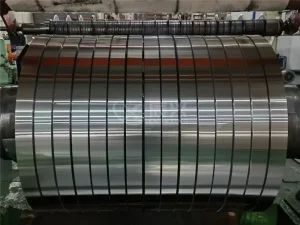
The primary differentiator of an elite aluminium stripe factory lies in its slitting line technology. During rotary shear slitting, the material experiences localized shear deformation. If the clearance between the slitter knives is misaligned by even a fraction of a micron, it leads to edge deformation, micro-cracks, and excessive burrs.
Leading factories employ high-precision CNC slitting stations equipped with automated clearance adjustment tools and tension-control systems. This limits edge burrs to less than 5% of the strip thickness (typically <0.015mm), which is critical for electrical applications where sharp edges can cause dielectric breakdown or damage insulation layers.
Comprehensive technical breakdown of structural alloys, mechanical properties, and tolerance standards.
| Alloy Grade | Temper Options | Thickness Range | Tensile Strength (MPa) | Elongation (%) | Primary Industrial Applications |
|---|---|---|---|---|---|
| 1050 / 1060 | O, H12, H14, H18, H24 | 0.15mm - 4.5mm | 60 - 145 | ≥ 25 (Soft Temper) | Transformer windings, electrical busbars, heat exchangers. |
| 3003 | O, H14, H18, H24 | 0.20mm - 5.0mm | 95 - 200 | ≥ 18 | EV battery cooling tubes, condenser fins, architectural cladding. |
| 5052 / 5083 | O, H32, H34, H111 | 0.50mm - 6.0mm | 190 - 345 | ≥ 15 | Marine vessels, pressure equipment, aerospace brackets. |
| 8011 | O, H14, H18, H22 | 0.015mm - 0.2mm | 80 - 165 | ≥ 10 | Flexible air ducts, food packaging, heat-shield membranes. |
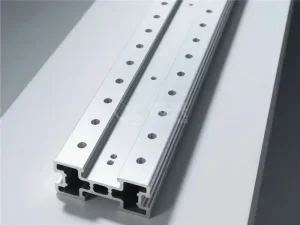
Precision-rolled coils and specialized aluminum profiles engineered to exact geometric tolerances.
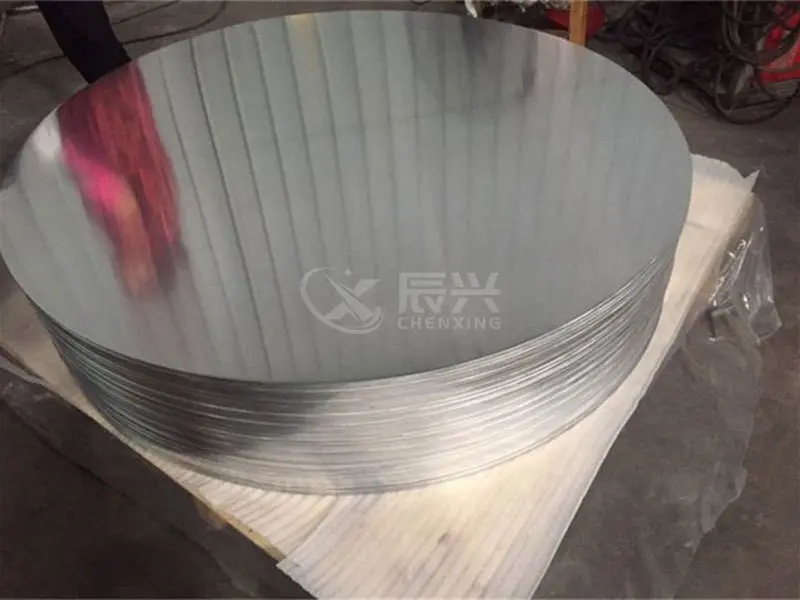
High-conductivity circular blanks for manufacturing deep-drawn cookware and reflector lamps.
Inquire Stock →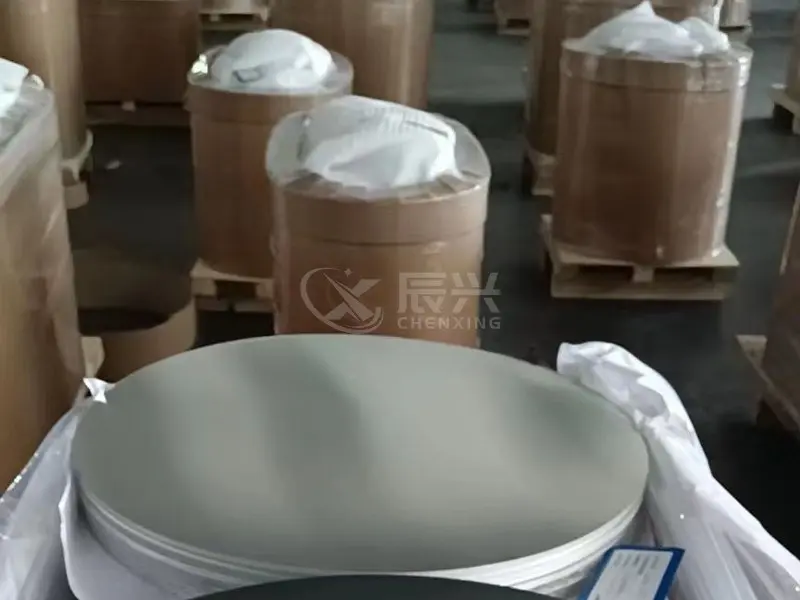
Manganese-alloyed structural circles offering superior resistance to chemical attack and pitting corrosion.
Inquire Stock →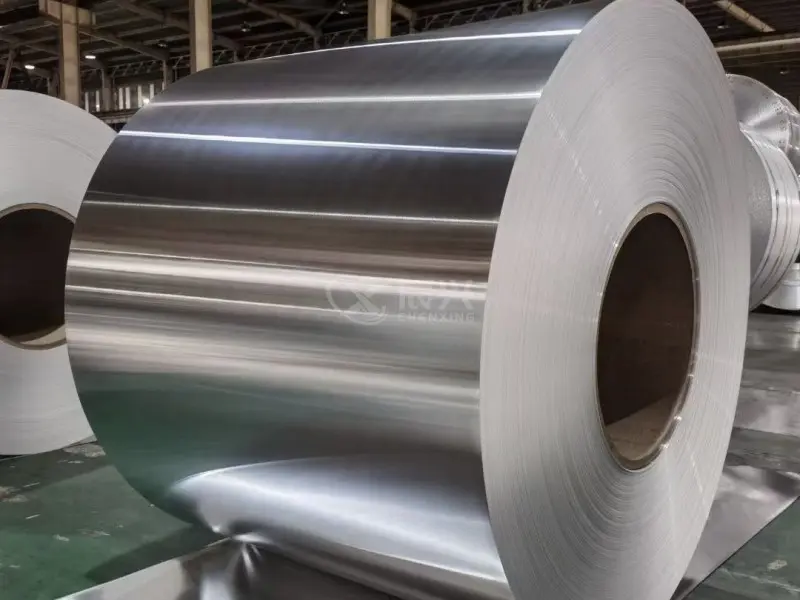
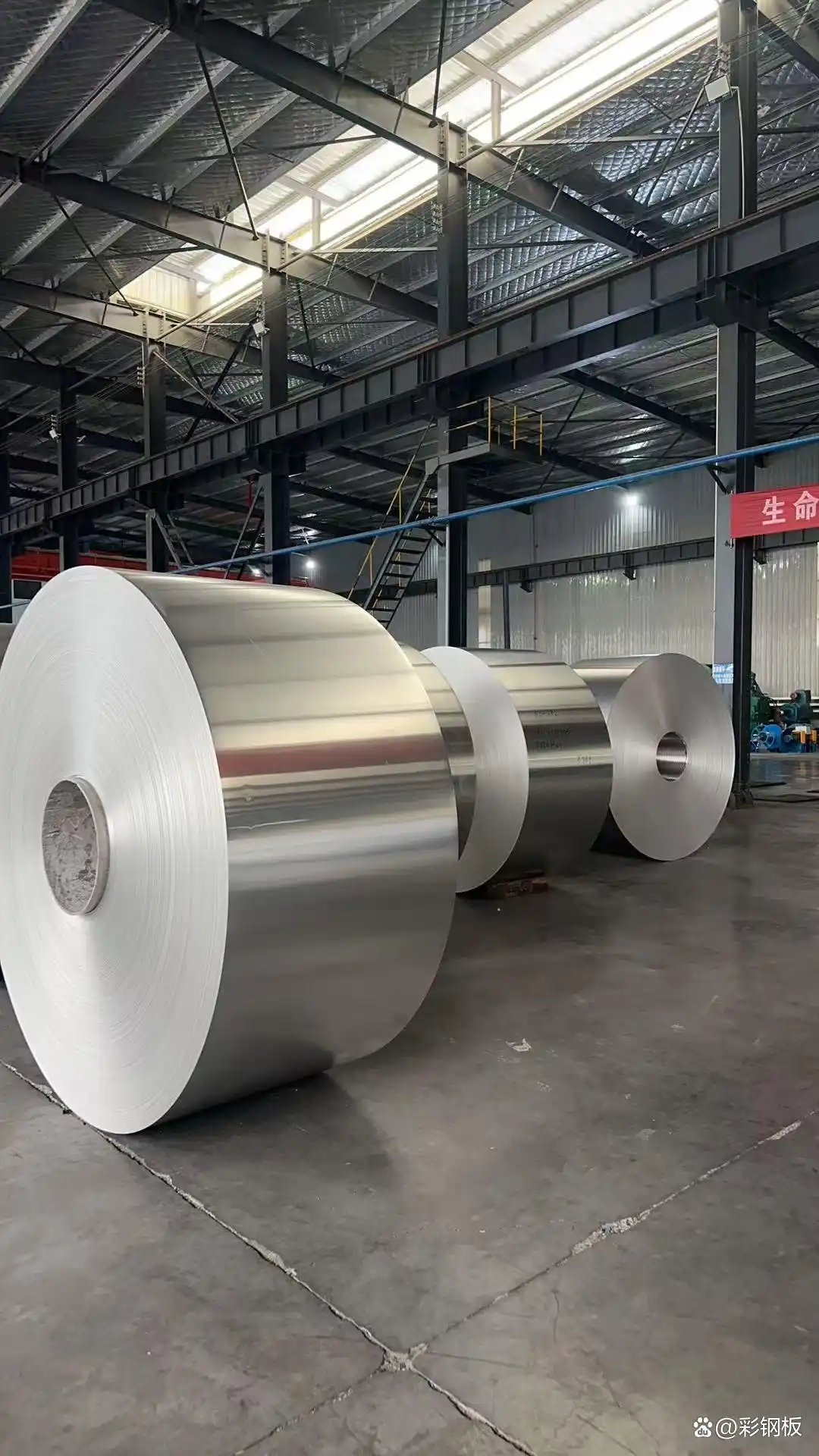
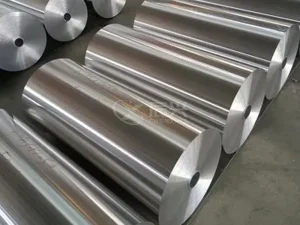
Industrial-grade parent coils for dynamic slitting lines, continuous stamping, and roll-forming.
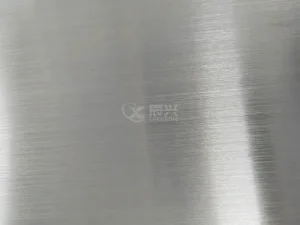
Inquire Stock →Premium textured surface finish for high-end consumer electronics casing and decorative facades.
Inquire Stock →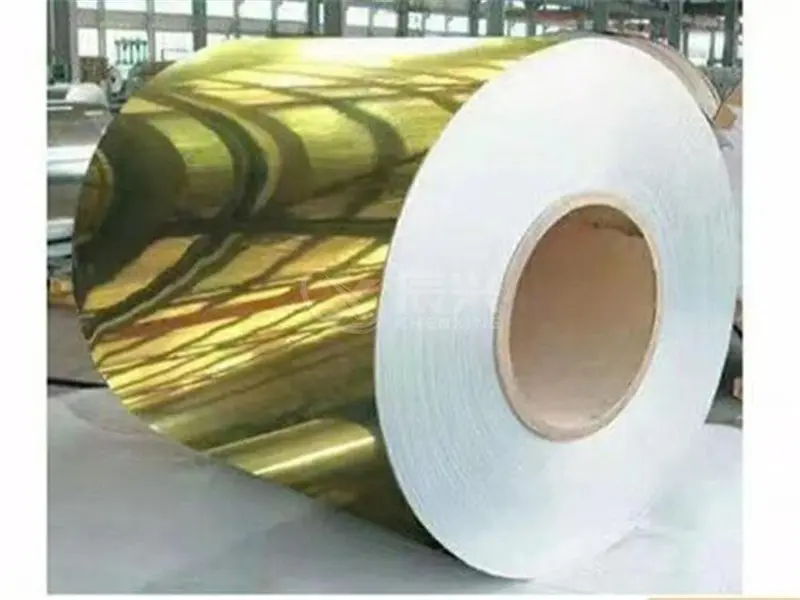
Highly reflective surface treatments for optical reflectors, solar thermal receivers, and premium interiors.
Inquire Stock →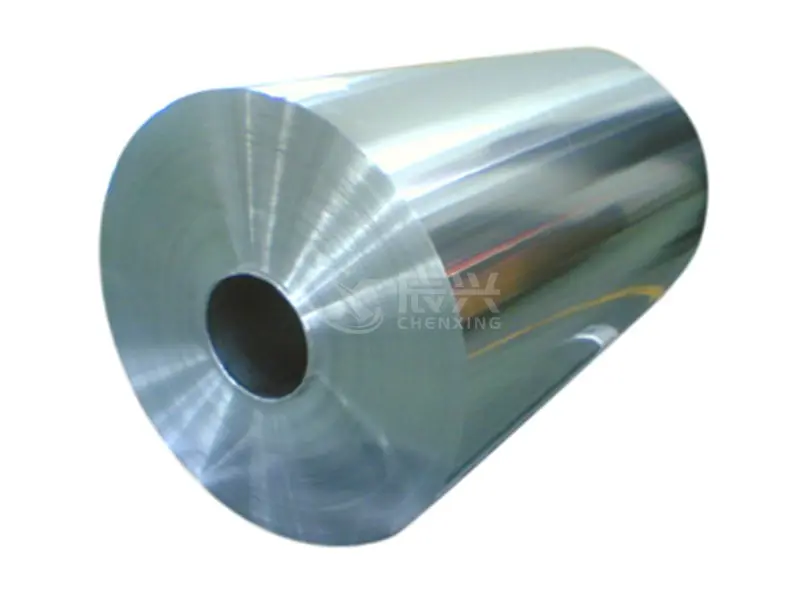
Hydrophilic coated foil designed specifically for high-efficiency heat exchanger fins and HVAC coils.
Inquire Stock →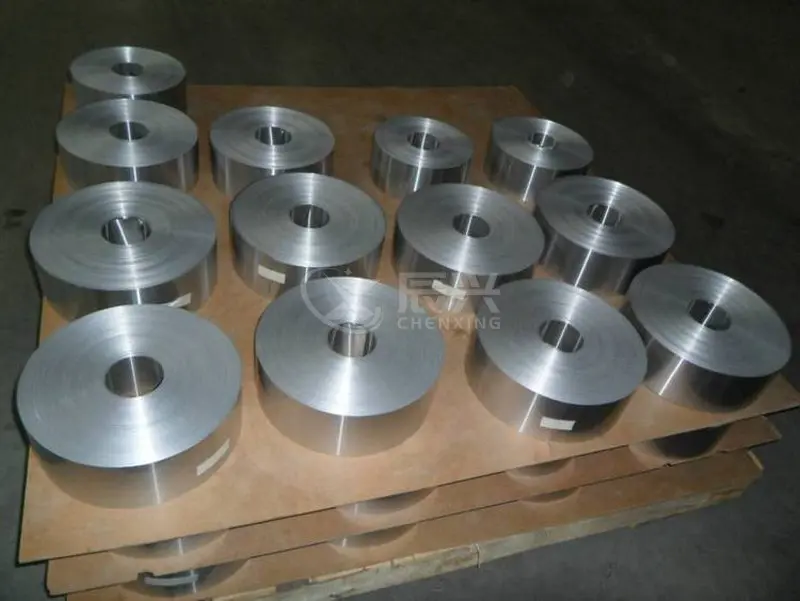
Flexible, flame-retardant structural foils optimized for double-sided insulation in industrial ventilation ductwork.
Inquire Stock →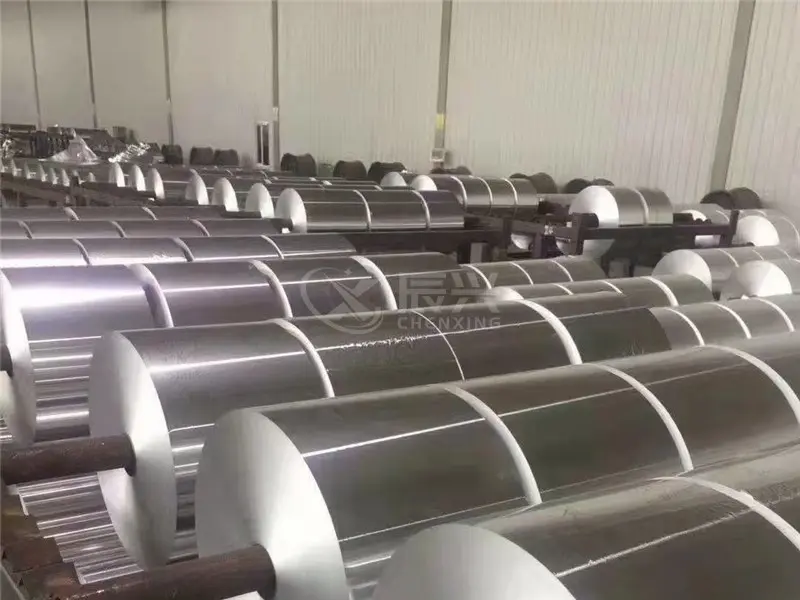
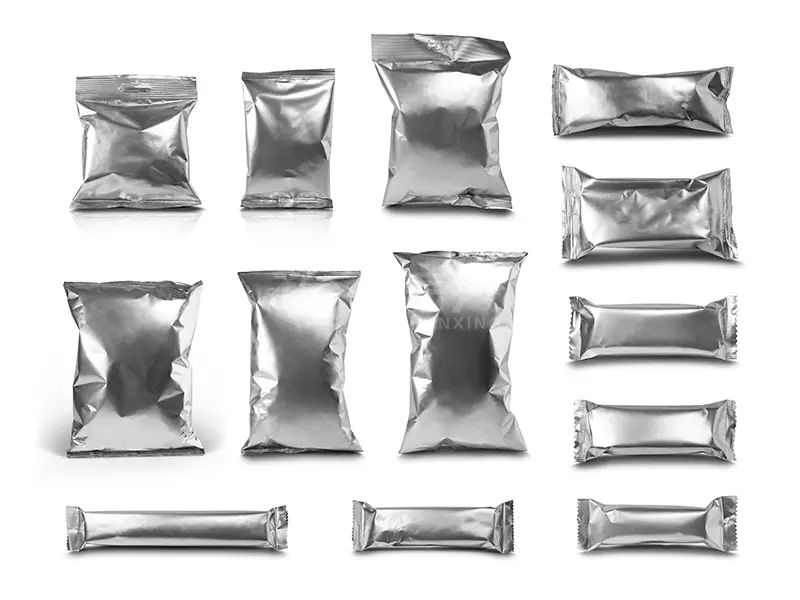
Standard household and industrial packaging grades with high barrier properties against light, gases, and moisture.
Inquire Stock →The performance requirements for aluminium stripes vary significantly across different industrial applications and geographical markets. Our engineering support teams optimize mechanical characteristics, chemical formulations, and dimensional limits to match specific operational demands:
In electrical transformer engineering, soft temper (O-temper) 1050/1060 aluminium stripes are favored for coil windings due to their high electrical conductivity (≥61.5% IACS). The absence of sharp edge burrs is critical to prevent punctures in the interlayer insulation film during high-tension winding. We offer strips with fully deburred, chamfered, or rounded edges to guarantee insulation safety under high voltage.
The global expansion of battery manufacturing facilities requires thin, highly uniform aluminum strips. Battery-grade foils and strips (specifically 1235, 1060, and 3003 alloys) serve as positive current collectors. Here, thickness uniformity must be maintained within ±0.3 microns to ensure consistent paste coating and avoid local hot spots during high-amperage charge/discharge cycles.
In hot, humid climates, HVAC equipment faces severe galvanic and atmospheric corrosion. Our factories produce epoxy-coated or hydrophilic-coated 3003/8011 aluminum strips. The hydrophilic coating prevents water droplets from bridging the gaps between condenser fins, ensuring optimal airflow and improving heat transfer efficiency by up to 25% over uncoated alternatives.
Serving core structural, electrical, and packaging requirements across diverse industrial sectors.



International sourcing requires compliance with rigorous material test standards. A trusted manufacturing plant must supply comprehensive Mill Test Certificates (MTC) in accordance with EN 10204 3.1, detailing chemical composition, tensile strength, yield strength, and elongation.
For European and North American markets, compliance with REACH (Registration, Evaluation, Authorisation and Restriction of Chemicals) and RoHS (Restriction of Hazardous Substances) directives is mandatory. Our products are verified free of lead, cadmium, mercury, and hexavalent chromium. Structural grades also comply with ASTM B209, EN 485, and GB/T 3880 standards.
The aluminum industry is focusing on reducing scope 1, 2, and 3 carbon emissions. The technological roadmap of our factory centers on two main pillars:
Submit your custom specifications (Alloy, Temper, Thickness, Width, Tolerance limits, Edge requirements) and receive a formal commercial offer within 24 hours.
Addressing the critical engineering, quality control, and logistics questions raised by procurement managers.
Pricing is determined by the London Metal Exchange (LME) or Shanghai Futures Exchange (SHFE) base ingot price, plus the factory's fabrication cost. Fabrication costs vary depending on alloy complexity (e.g., 5xxx and 6xxx series require higher rolling force than 1xxx series), strip thickness, width (very narrow strips under 20mm require complex slitting and rewinding setups), and edge processing requirements (such as round or deburred edges).
To protect highly sensitive surface finishes like mirror or brushed aluminum, our lines apply a protective polyethylene (PE) or paper film interleaving layer. This protection remains on the surface through mechanical operations, including punching and roll forming, and can be removed cleanly post-assembly without leaving adhesive residue.
Our high-precision CNC slitting stations achieve width tolerances down to ±0.1mm for narrow strips. For specialized electronic and battery applications, we can calibrate tolerances down to ±0.05mm.
Consistency is maintained through continuous monitoring of annealing temperatures and tension control. We use non-contact online thickness measuring devices and automated thermal control systems across our rolling mills. Every batch undergoes mechanical testing, including tensile strength, yield strength, and elongation checks at the front, middle, and tail sections of the coil.
For standard structural alloys (such as 1050, 1060, and 3003), standard fabrication and slitting take between 15 to 25 days, depending on production line scheduling. Custom-coated, anodized, or marine-grade alloys (like 5083) typically require 30 to 45 days. We also offer expedited options for urgent industrial projects.
Market trends, technological developments, and global export insights.
Specialized high-purity foils, marine-grade plates, and industrial tubes for extreme operating environments.