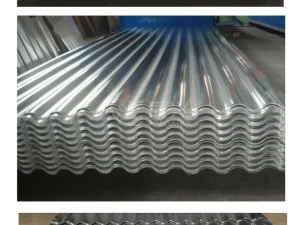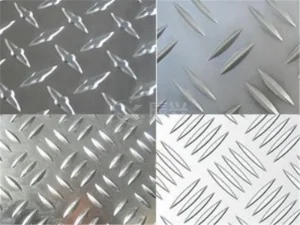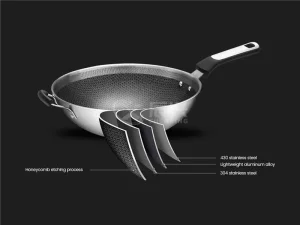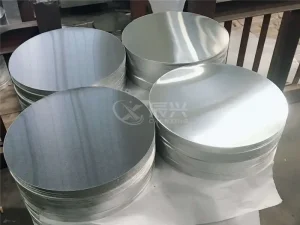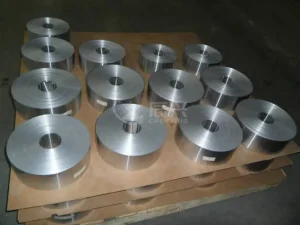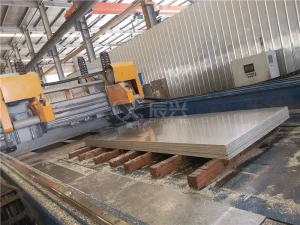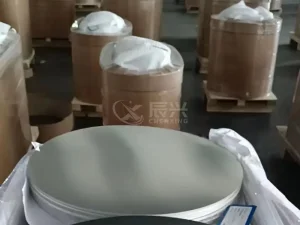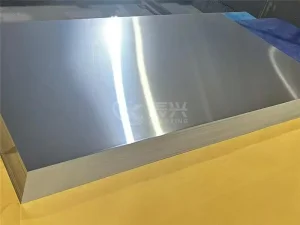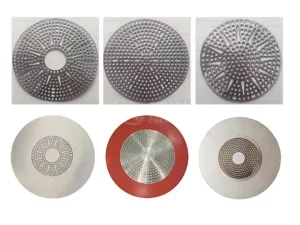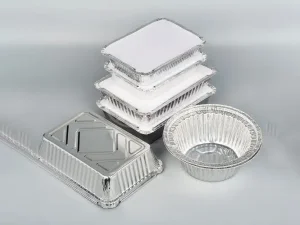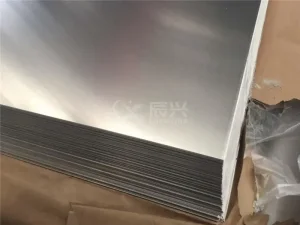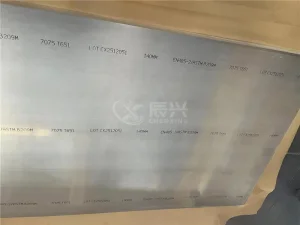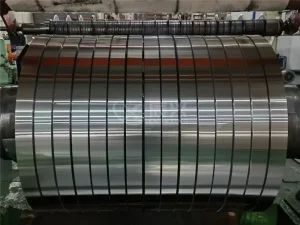
Explore our high-performance product lineup sourced directly from our advanced Chinese mills.
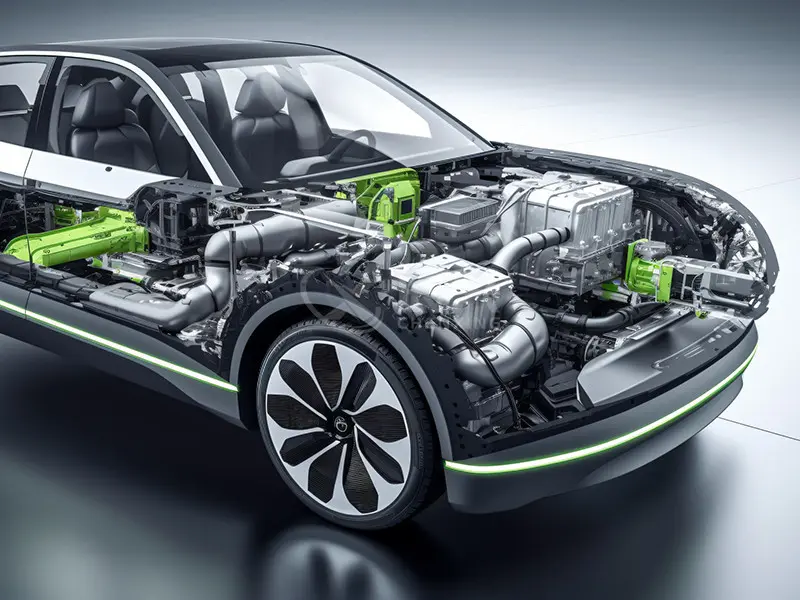
The global aluminium sheet plate market is experiencing a profound transition driven by electrification, sustainable architecture, and next-generation packaging technologies. As industries worldwide strive for decarbonization, aluminium has evolved from a basic structural material into a strategic asset. In the automotive sector, the push for vehicular range extension has accelerated the demand for lightweight car body panels and battery enclosure materials. Concurrently, the construction sector's strict adherence to green building certifications (such as LEED) has made highly recyclable aluminium siding and roofing sheets standard specifications.
Furthermore, structural disruptions in traditional supply lines have forced global procurement managers to prioritize supply chain resilience, traceable material chemistry, and consistent dimensional tolerances. Purchasing directly from a vertically integrated manufacturer ensures that raw bauxite sourcing, smelting, hot rolling, cold rolling, and heat treatments are monitored under a singular Quality Management System (QMS).
Industrial procurement is no longer just about searching for the lowest price per metric ton. Experienced QA engineers and sourcing executives use multi-faceted matrices to evaluate suppliers. A reliable aluminium mill must consistently meet parameters that prevent production downtime:
Slight deviations in trace elements (like Silicon, Iron, Copper, or Manganese) can negatively impact weldability, corrosion resistance, and anodizing quality. Leading manufacturers supply Mill Test Certificates (MTC) matching EN 10204 3.1 standards, detailing exact chemical breakdowns verified via Optical Emission Spectrometry (OES).
For high-precision laser cutting, CNC machining, or automated stamping lines, thickness variation must be kept to a minimum (often within micrometers). Our advanced tension leveling lines ensure that plates remain flat without internal residual stresses that could cause warping during machining.
Surface defects like oil stains, scratches, roll marks, or corrosion spots (white rust) can ruin anodizing or powder coating treatments. Applying protective PE/laser-PVC films and interleaving sheets with neutral pH paper are vital steps in our packaging system.
Modern Chinese aluminum manufacturing has moved beyond raw capacity to embrace high-tech smart manufacturing. By integrating Industry 4.0 setups, our production lines achieve exceptional efficiency and high product consistency.
| Production Phase | Traditional Methods | Smart Factory 4.0 Integration | Direct Benefit to Buyer |
|---|---|---|---|
| Smelting & Direct Chill Casting | Manual temperature controls & chemistry additions | Automatic electromagnetic stirring & online degassing systems | Highly uniform microstructure, eliminating internal porosity and inclusions. |
| Thickness & Dimensional Control | Manual micrometer measurement checks | X-Ray automatic gauge control (AGC) during continuous rolling | Guarantees extremely tight thickness tolerances across the entire coil. |
| Surface Inspection & Quality Control | Random manual visual checks post-production | Real-time machine-vision optical scanners monitoring the line | 100% surface defect detection, preventing sub-par sheets from shipping. |
| Traceability & Shipping Systems | Paper batch records with high risk of human error | End-to-end QR code tracking from raw ingot to finished pallet | Instant batch history access for simplified compliance verification. |
This systematic refinement drastically reduces production waste, allowing us to pass the cost savings directly to global buyers without compromising structural standards.
Navigating the differences between various aluminum grades is essential for making the right purchase. Below is an overview of the key alloys manufactured in our facility:
Providing high-precision aluminum alloys engineered specifically for demanding global industry standards.
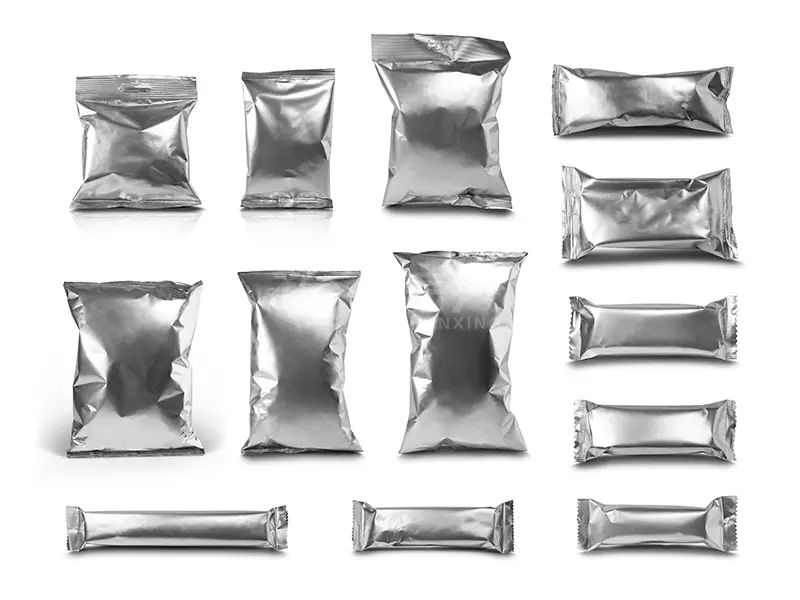


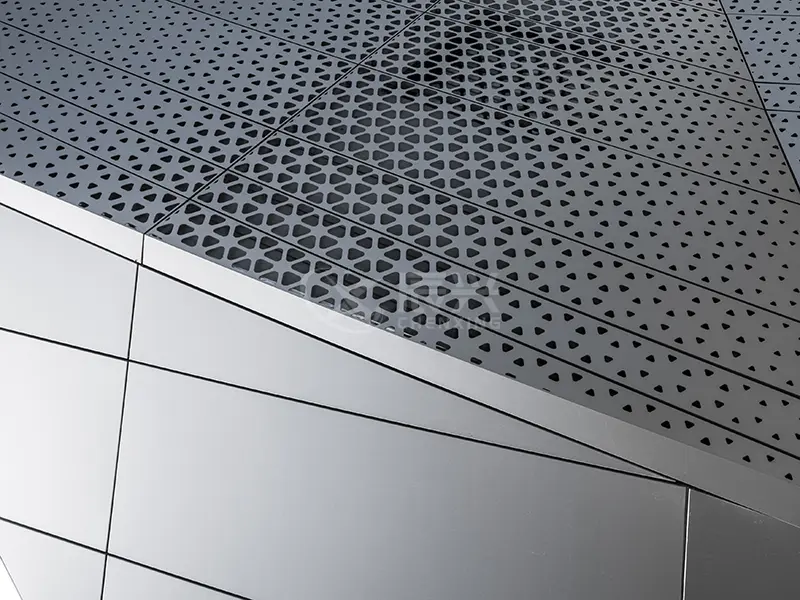

Submit your specific grade, thickness, temper, and volume requirements. Our engineering team will review your RFQ and provide a detailed quotation, complete with packaging specs and current shipping lead times.
Submit RFQ / Contact EngineersStay informed about global aluminum market changes, supply chain news, and our latest technical developments.
As international demand for high-strength aluminum sheets grows, we have upgraded our hot rolling mills to handle larger volume orders efficiently.
Analyzing the strict thickness tolerances and surface tension requirements of battery foils used in electric vehicles.
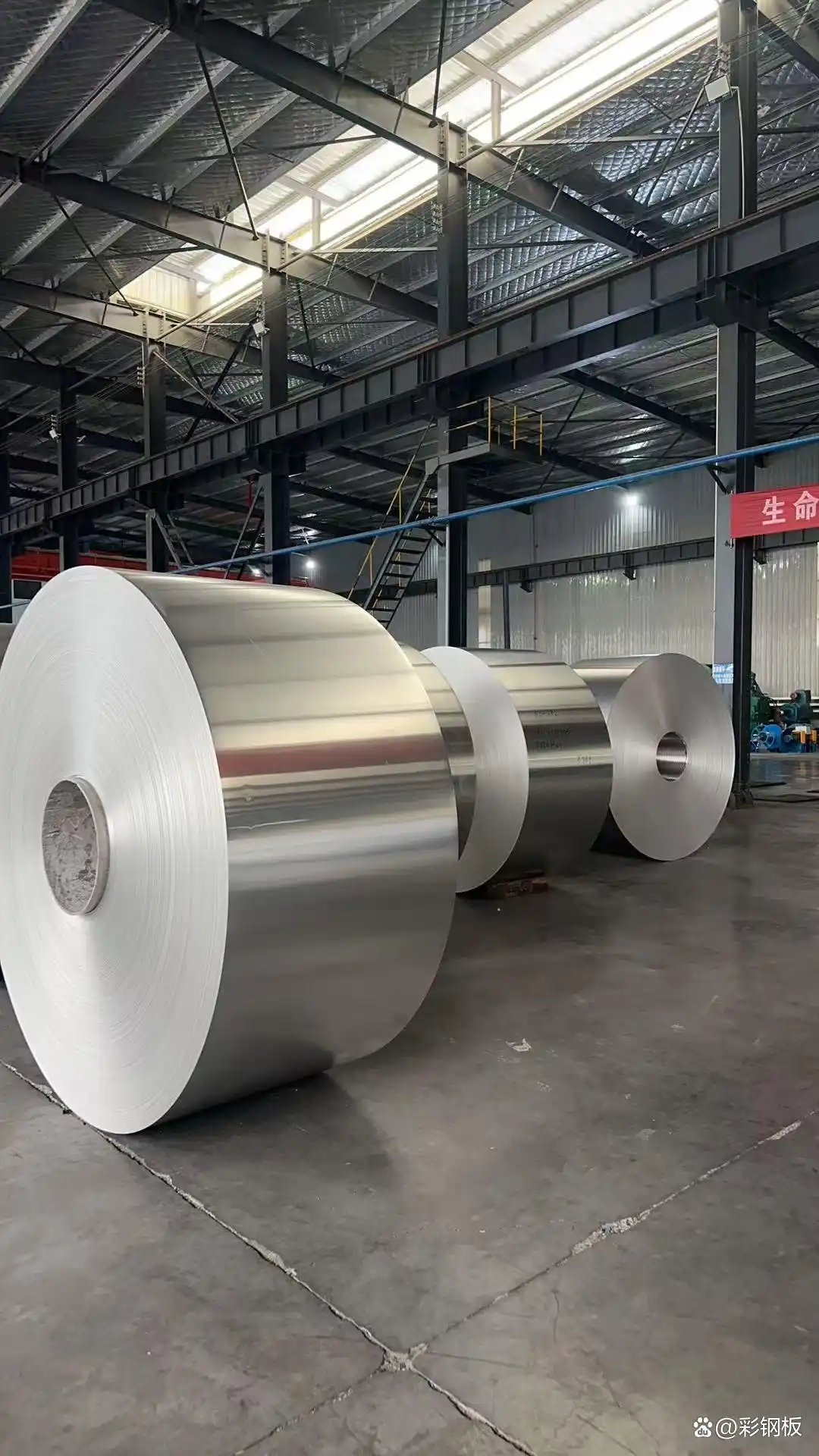
A closer look at how new environmental policies are increasing the demand for recycled aluminum in modern architectural projects.
Get answers to common technical, quality control, and logistics questions about sourcing aluminum sheets directly from China.
Explore our full range of plates, circles, and foil materials tailored for global industrial projects.