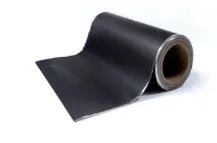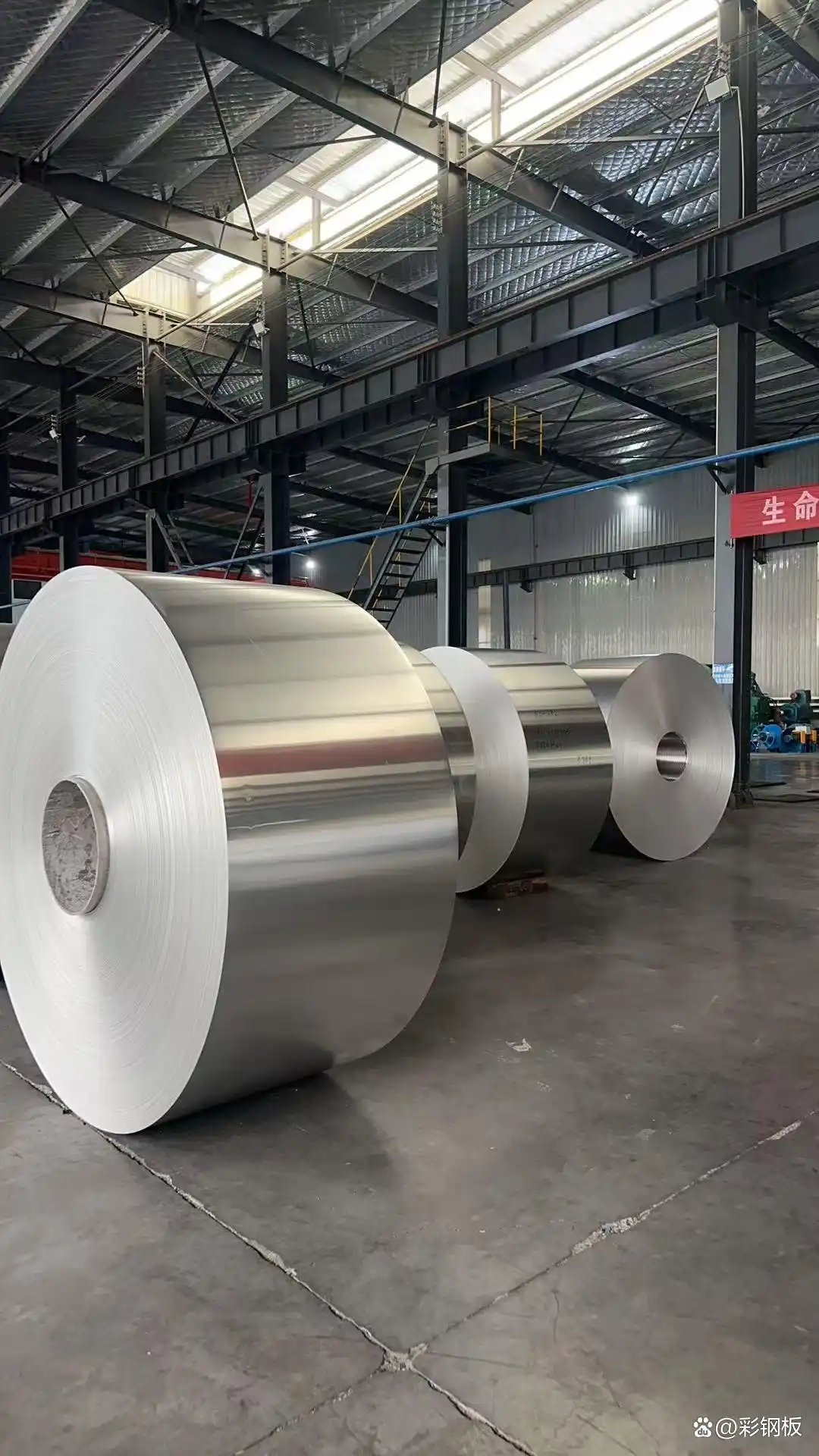
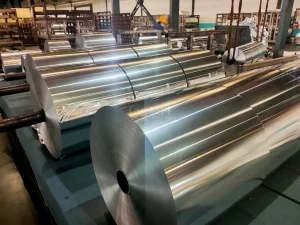
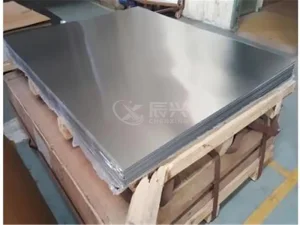
Explore our core selection of precision-manufactured aluminium sheets, coils, and specialty components from our state-of-the-art production lines.
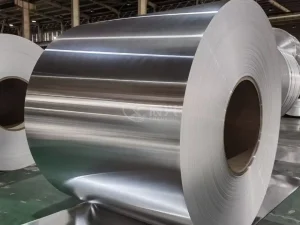
Aluminium sheet cladding has transitioned from a niche architectural element to a foundational component of modern building envelopes and industrial infrastructures worldwide. Globally, urban centers are demanding higher thermal efficiency, seismic resilience, and customizable aesthetics. According to recent market studies, the global architectural metal cladding market is experiencing a projected compound annual growth rate (CAGR) of over 5.8%, heavily driven by the rise of green building certifications like LEED and BREEAM.
Unlike steel or concrete, aluminium offers a high strength-to-weight ratio, allowing engineers to minimize structural loads on high-rise constructions. Additionally, because it is 100% recyclable, aluminium fits directly into circular economy initiatives. In North America and Europe, stringent energy compliance standards have made insulated and ventilated rainscreen systems employing high-grade aluminium cladding sheets standard specification for modern builds. B2B procurement professionals must navigate this landscape by identifying factories that not only deliver high-volume orders but also adhere to localized performance regulations.
China continues to represent the core of global aluminum sheet and foil manufacturing, accounting for over 50% of the world's primary aluminum output. The competitive advantage of Chinese factories is not merely defined by labor cost arbitrage, but by massive vertical supply chain integration. In key industrial clusters like Henan and Shandong, factories operate in close proximity to bauxite refineries, smelting hubs, and rolling mills, reducing logistics overhead and carbon footprints during the semi-finished production phase.
Technological advancement is another critical pillar. Modern Chinese factories feature state-of-the-art continuous casting lines, high-speed tandem cold mills, and advanced tension-leveling lines. This high level of automation ensures thickness tolerance controls down to the micron level and surface finishes that pass stringent global inspections. Furthermore, Chinese manufacturers have adapted to European and American testing regimes, ensuring certifications like CE (EN 13501-1 fire rating) and ASTM standards are readily available to international buyers.
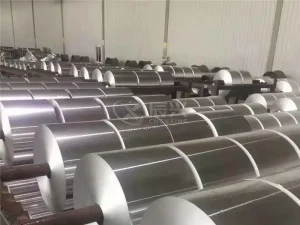
Supported by intensive quality control and localized logistics networks, our manufacturing capabilities serve the world's most demanding projects.


Selecting the right alloy is critical for structural safety and environmental resilience. Review our technical guidelines below.
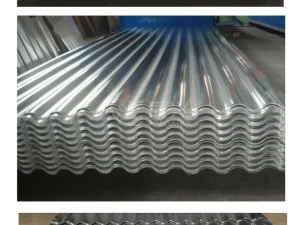
Utilized primarily in facades, roofing systems, and curtain walls. Highly demanding of 3003, 3104, and 5052 alloys for their corrosion resistance, structural strength, and compatibility with PVDF coatings.
Specialized food-grade foils and high-tensile packaging materials. Providing a barrier against light, moisture, and gasses, making it indispensable for pharmaceutical packaging and food container solutions.
Demands high thermal and electrical conductivity. High-purity 1050 and 1060 alloys are commonly specified for heat sinks, capacitor casings, and conductive components.
Maximum yield strength and low density. Structural applications depend heavily on 7000 and 2000 series alloys, heat-treated to exact specifications (e.g., T6, T651) to withstand extreme physical forces.
Widely utilized in electric vehicle battery trays, high-speed rail panel bodies, and marine structures. Strong, lightweight properties help optimize range and performance.
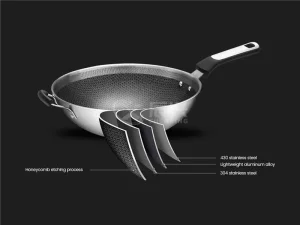
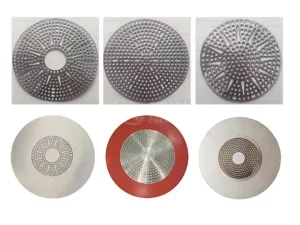
Pre-painted, brushed, or mirror-finished aluminum coils and sheets designed to offer premium aesthetics and corrosion resistance for refrigerator wrappers, microwave trim, and cookware bases.
| Alloy Series | Primary Temper Options | Key Performance Characteristics | Common Applications |
|---|---|---|---|
| 1000 Series (e.g., 1050, 1060) | O, H14, H18, H24 | 99%+ purity, excellent conductivity, low structural strength, superior corrosion resistance. | Electrical conductors, heat sinks, capacitor casings, heat reflectors. |
| 3000 Series (e.g., 3003, 3104) | O, H14, H24, H26 | Manganese alloyed, ~20% stronger than 1000 series, excellent workability and corrosion limits. | Deep-drawn cookware, roofing panels, cladding sheets, beverage cans. |
| 5000 Series (e.g., 5052, 5754) | O, H32, H34, H38 | Magnesium alloyed, high fatigue strength, exceptional marine corrosion resistance. | Marine hulls, automotive body panels, chemical processing vessels. |
| 6000 Series (e.g., 6061, 6082) | T4, T6, T651 | Silicon-magnesium alloyed, heat-treatable, high structural strength, good weldability. | Architectural support structures, vehicle frames, structural cladding. |
For B2B buyers sourcing from international factories, procuring aluminium cladding is not just about price per metric ton. A complete cost model includes surface coatings, packaging, shipping logistics, and compliance duties. Purchasing managers must verify whether a manufacturer utilizes PVDF (Polyvinylidene Fluoride) coatings—essential for architectural exposures exceeding 10 years—or PE (Polyester) coatings, which are cost-effective but suited for interiors.
Furthermore, marine and coastal regions require specialized coating treatments like FEVE or dual-layer PVDF systems with a chromate-free pretreatment to prevent salt-fog damage. Packaging plays a pivotal role: look for factories providing robust, eye-to-sky or eye-to-wall ocean-worthy packing bound with metal straps and moisture-barrier papers. This prevents oxidation and surface scratching during multi-week transits.
Sourcing directly from integrated Chinese factories cuts out local distribution markups, which typically inflate raw material prices by 15% to 30%. Sourcing direct also provides unmatched options for customization. Architectural designs often specify custom widths (up to 2000mm) or non-standard thicknesses that local stockists cannot supply. Factories can adjust continuous casting lines to these specific inputs, reducing waste and cost.
Lead times are a critical element of B2B procurement. Top Chinese manufacturers optimize cold-rolling speeds and maintain massive ingots reserves, allowing them to fulfill large-scale orders within 20 to 30 days. Partnering with factories that feature dedicated internal logistics coordinators ensures smooth operations, handling inland transit, customs clearance, and FOB/CIF documentation systematically.
Discover how the next generation of aluminium cladding addresses environmental goals and engineering demands.
Under pressure from global Carbon Border Adjustment Mechanisms (CBAM), factories are increasingly utilizing hydropower or recycled scrap in the smelting process. This cuts carbon footprints by up to 75% compared to coal-fired energy sources, aligning projects with global ESG mandates.
Research and development in surface coatings have yielded self-cleaning options. Utilized in high-density urban areas, these hydrophilic or photocatalytic layers break down organic pollutants using UV rays, which are then washed away by natural rainfall.
For modern projects, safety is non-negotiable. Modern composite cladding systems use highly filled mineral cores (up to 95% non-combustible material), allowing panels to meet class A2/B1 fire retardancy standards without sacrificing lightweight durability.
Our engineering and logistics teams answer common questions about sourcing materials from global factories.
Solid Aluminium Panels are made from a single sheet of material, typically 2.0mm to 3.0mm thick. They offer exceptional impact resistance, are non-combustible, and can be recycled repeatedly. ACP consists of two thin aluminum sheets (e.g., 0.5mm) bonded to a mineral or polyethylene core. ACP is lighter and more cost-effective for large, flat panels but requires specific mineral cores to meet strict non-combustibility building codes.
The most commonly recommended alloys are 3003 and 5052. The 3003 alloy is highly workable, has excellent corrosion resistance, and is compatible with complex architectural shapes. For projects exposed to high wind loads or marine environments, 5052 is preferred due to its higher tensile strength and superior resistance to saltwater oxidation.
Top-tier factories utilize computerized roll-coating systems with integrated online thickness gauges. These systems continuously measure the wet and dry film thickness across the width of the sheet, making real-time micro-adjustments. A standard architectural PVDF finish consists of a primer layer and a top coat, totaling a minimum dry film thickness of 25 microns (often specified as a 2-coat or 3-coat system).
Ocean transport exposes aluminum cargo to salt air and humidity, which can lead to white rust (aluminum hydroxide). To prevent this, factories package materials with silica gel desiccant packs, wrap the coils or sheets in plastic vapor barriers, cover them with strong galvanized steel sheet packaging, and place them on heavy wooden skids. Standard practice also involves using direct container shipping to minimize handling and exposure at transshipment points.
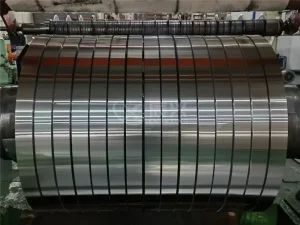
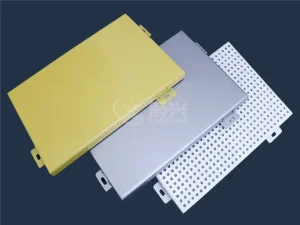
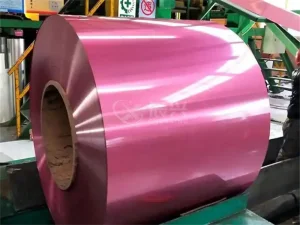
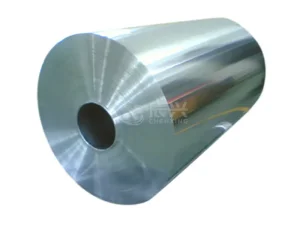
Review our specialized foil, panel, and roll offerings designed for packaging, decoration, and industrial thermal control.
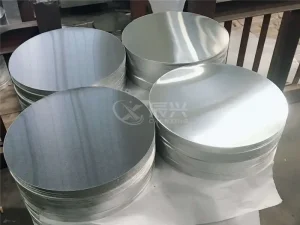
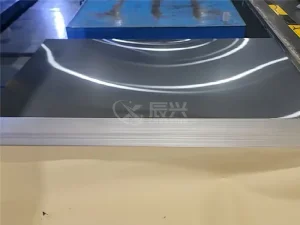
Stay informed with the latest developments in the global aluminum processing and export markets.
Connect directly with our engineering and procurement desks. Submit your dimensions, alloy requirements, and delivery schedules to receive a complete cost breakdown within 24 hours.