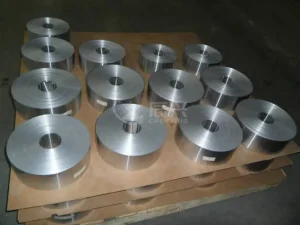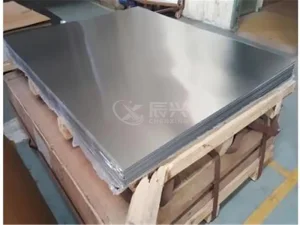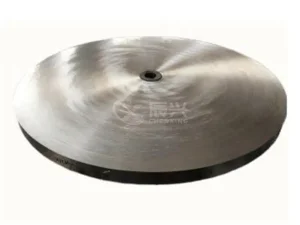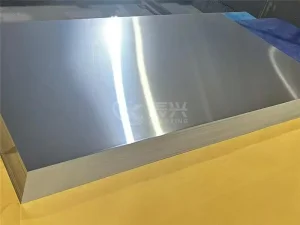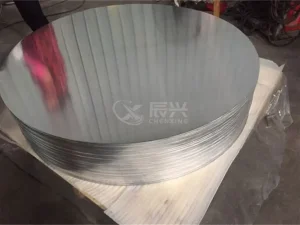
Direct supply from leading global manufacturers. Custom dimensions, high-purity alloys, and superior structural performance.
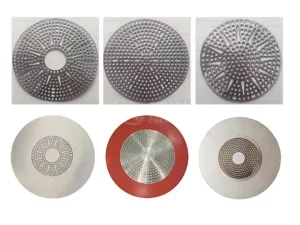
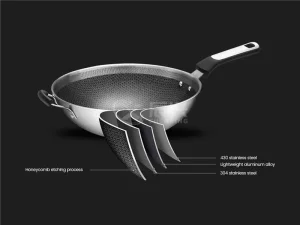
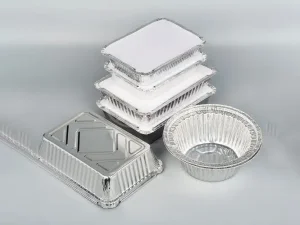
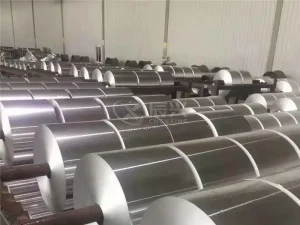
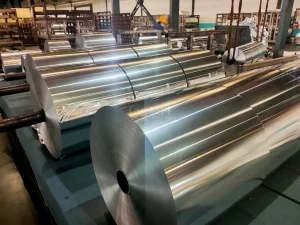
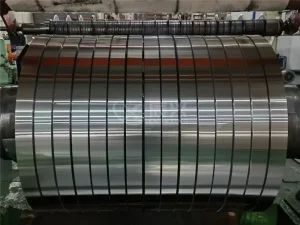
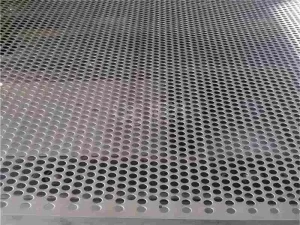
The global household items market is undergoing a seismic transition. Once dominated by heavy cast iron and high-maintenance copper, modern households and commercial kitchens are rapidly switching to high-grade aluminium alloys. The catalyst behind this global shift is the metal's exceptional thermodynamic properties, corrosion resistance, and high structural durability.
In the context of Semantic Search and User Intent Mining, modern procurement directors are no longer searching for generic household items. They look for specific metallurgical compounds—such as 3003-H14 deep-drawing cookware discs, induction-ready clad metal plates, and compliant food-grade barrier foils.
Aluminium's natural ability to form a protective oxide layer makes it ideal for handling high humidity and temperature fluxes, typical in household applications. Consequently, manufacturers must optimize surface treatments (including anodization, non-stick PTFE coating, and ceramic cladding) to ensure compliance with strict international food-contact guidelines.
"Information Gain Principle: Successful sourcing focuses not just on unit cost, but on the thermodynamic efficiency of the metal configuration. High-precision induction-ready alloys reduce domestic energy consumption by up to 22% compared to standard alloys."
Furthermore, the surge in green procurement initiatives globally has forced companies to evaluate the lifecycle impact of their raw materials. Aluminum stands out as the ultimate eco-friendly choice, requiring only 5% of the energy to recycle compared to primary production. Sourcing from a partner committed to sustainable smelting is now a core requirement for European and North American household brands.
Empowering global enterprises with premium material sourcing, comprehensive testing, and rapid response mechanisms.
Over two decades of precision metallurgical development and cookware production expertise.
Serving top-tier distributors, brands, and manufacturing companies in over 35 countries.
Intelligent tracking from cast billet to shipped coil, ensuring 100% trace-back capability.
24-hour global customer service with standardized 8D quality reporting for swift issue resolution.
Procurement professionals face significant hurdles when sourcing aluminum components. Key challenges include thickness tolerance variations, surface scratch defects, edge cracking during deep drawing, and shipping-related oxidation (white rust).
To mitigate these risks, leading global manufacturing companies implement strict operational frameworks:
Our solution profile is built to eliminate these exact pain points. By utilizing top-tier cold rolling mills and automated tension levelers, we produce aluminum circles and foils with flat tolerances well within ASTM and EN standards.
Furthermore, we offer hedging services on the London Metal Exchange (LME) to assist clients in managing price volatility for large-scale, long-term procurement contracts.
Aluminium's versatility spans critical engineering disciplines. Explore how our raw materials are integrated into diverse global industries.

High strength-to-weight ratio panels and extrusions for electric vehicles, passenger trains, and commercial trucking fleets.
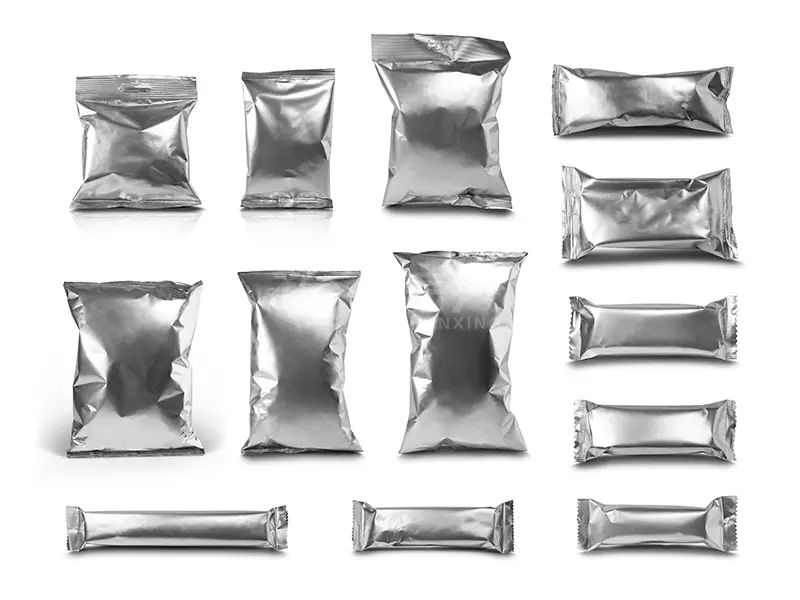
Ultra-thin barrier foils and flexible sheets for sterile food preservation, pharmaceuticals, and household packaging wraps.

High thermal conductivity foils and sheets optimized for LED heat sinks, high-frequency shielding, and air conditioning fins.

High-integrity alloys engineered to withstand intense pressure differentials, extreme thermal changes, and structural stress.
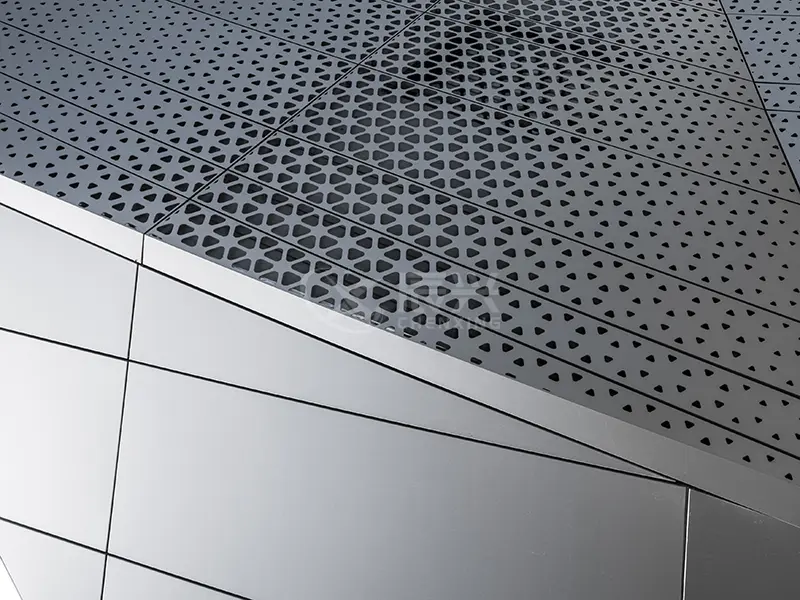
Pre-painted cladding, modern architectural facades, and perforated window/ceiling screens offering durability and weather resistance.

Precision-made inner liners, aesthetic brushed casing, and thermal conductors for cookware, refrigerators, and washing units.
Driving innovations in material composition to achieve superior thermal dynamics and neutral carbon footprints.
Perfecting the roll bonding of Al-Steel-Al clad layers. This guarantees optimal magnetic responses for modern induction stovetops while retaining the excellent heat distribution of pure aluminium.
Partnering with primary consumers to reclaim processing scraps, lowering total lifecycle emissions and supporting ESG initiatives.
Developing molecular-level sealants that eliminate chromium compounds from the production cycle while enhancing scratch and acid resistance.
Operating across diverse jurisdictions requires stringent adherence to dynamic regulatory landscapes. When importing aluminium household components, compliance is not negotiable. Sourcing managers must guarantee that materials meet food contact regulations, safety specifications, and chemical restrictions.
Our export operations are fully aligned with critical global standards, protecting our clients from import customs delays or product liability issues:
Furthermore, understanding the complexities of anti-dumping and countervailing duties (CVD) is crucial for import planning. We work closely with certified trade attorneys to provide clear country-of-origin documentation.
Our logistics teams utilize advanced tracking, offering real-time container status updates from the factory gates directly to your distribution center.
"Standardized Compliance Note: Always request Mill Test Certificates (MTC) matching EN 10204 3.1 before dispatch. This remains your ultimate legal safeguard against non-conforming industrial products."
Clarifying structural tolerances, material grading, and optimal alloy selection questions.
Alloy 3003 is generally preferred for deep-drawn cookware because of the addition of Manganese, which increases tensile strength and elongation compared to 1050 alloy. However, 1050 alloy circles are still used for cookware items requiring higher thermal conductivity and simpler drawing depths.
Pure aluminum is non-magnetic, making it incompatible with induction cooktops. Clad metal discs laminate a layer of high-conductivity aluminum between layers of ferritic stainless steel (such as SUS430). The steel bottom responds to the electromagnetic fields, while the aluminum core distributes the heat uniformly.
Typical specifications for industrial AC and air duct foil require tolerances within +/- 3% to 5% of nominal thickness. Precision rolling mills utilize active AGC (Automatic Gauge Control) to ensure consistency, preventing micro-tears during mechanical fin stamping.
We use triple-layer packaging: wrapping the coils or sheets in anti-corrosion barrier film, inserting active silica gel packs, and securing everything with heavy-duty plastic sheeting before placing the items in IPPC-certified wooden cases.
Stay informed with current developments in metallurgy, export logistics, and international metal markets.
Driven by rising automotive lightweighting demands and international construction upgrades, global export channels report steady volume growth.
Read More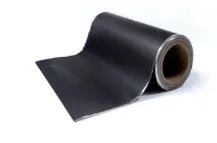
An in-depth look at chemical purity, mechanical tolerances, and surface cleanliness standards required for electric vehicle batteries.
Read More
Renewable energy projects and sustainable packaging mandates continue to drive demand for low-carbon rolled aluminum coils.
Read MoreFor custom alloy compositions, dimensional configurations, or volume quote requests, our technical support engineers will reply with a detailed proposal within 24 hours.
High-grade aluminum alloys engineered to meet specific industrial and household manufacturing applications.