In modern industrial manufacturing, procuring from a world-class aluminium foil plant requires a comprehensive understanding of raw material properties, metal alloy compositions, rolling mill tolerances, and dynamic international supply chains. Aluminium foil is no longer just a commodity; it has evolved into a key element in advanced technologies, flexible packaging, battery production, and thermal systems.
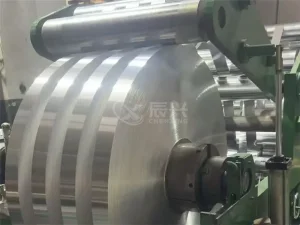
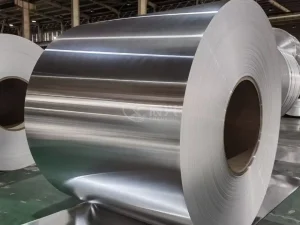
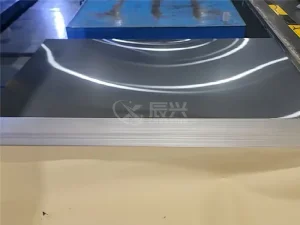
Experienced supply chain managers prioritize partners with deep vertical integration. The ability to transform raw bauxite and aluminum ingots through hot rolling, cold rolling, and precision foil processing under one organizational structure determines final batch stability and cost margins. When sourcing internationally, understanding manufacturing specifications like the thickness limit, surface treatment quality, chemical safety compliance, and mechanical properties allows buyers to reduce failure rates and improve return on investment.
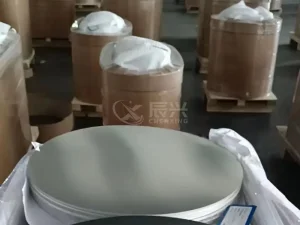
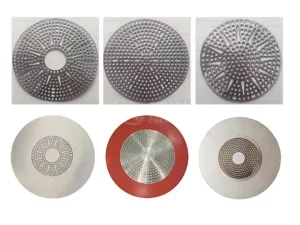
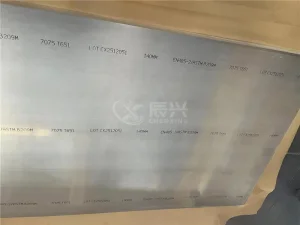
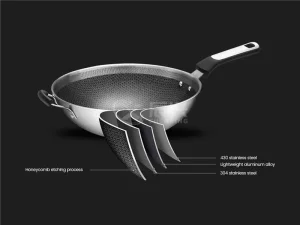
Global demand is shifting toward high-performance alloys. For instance, the use of 3003 aluminium circles in deep drawing applications requires precise control over grain size and crystal structure to prevent splitting during manufacturing. Standard alloys like 1050 and 1060 are commonly used in industrial and lighting sectors, but demanding processes like the production of multi-ply clad circles for high-end induction cookware require advanced cladding technology and thermal bonding processes. Sourcing from manufacturers who understand these technical differences ensures that materials perform reliably under extreme stress.
Consolidated industrial manufacturing capabilities backed by verified QA protocols, global logistical pipelines, and responsive technical support.


In the aluminum production market, Chinese factories stand out by integrating advanced raw material processing with modern rolling mills. This setup helps reduce shipping delays and ensures a steady supply of high-purity aluminum alloys, maintaining consistent material properties from ingot to foil.
Key processing capabilities include:
This manufacturing efficiency helps global supply chains manage market changes. Combining raw material supply with modern shipping networks enables manufacturers to ship volume orders to key hubs in North America, Europe, and Asia quickly.
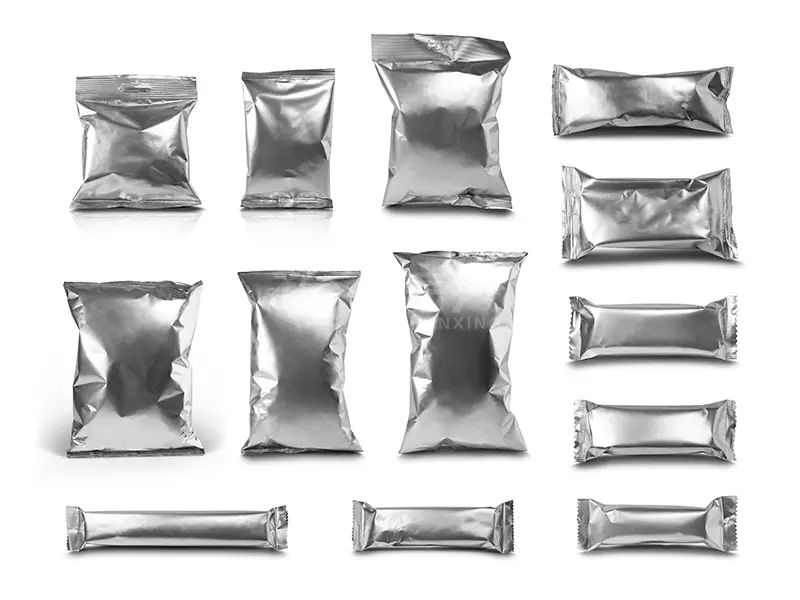


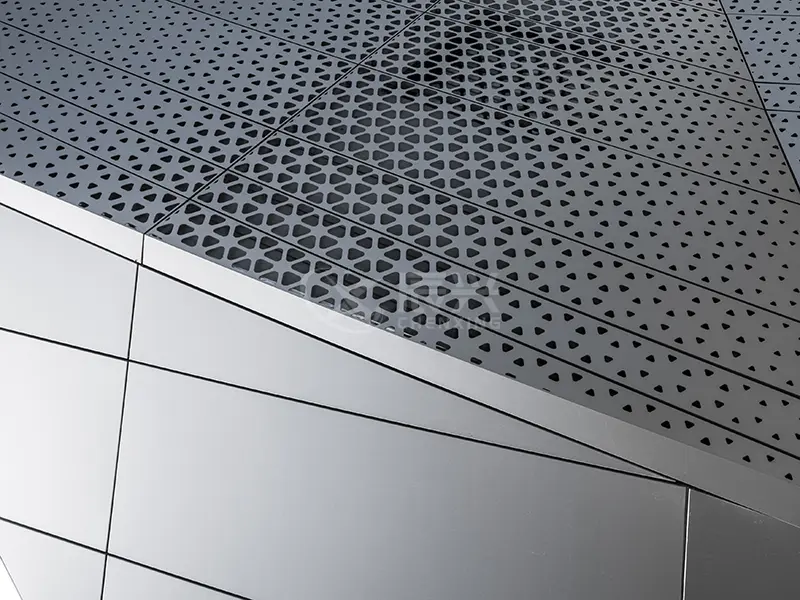

In global industrial procurement, adhering to local regulations is crucial. Manufacturers exporting raw aluminum, foil, and coil products to markets like the United States, Japan, and the European Union must align their processes with specific compliance frameworks:
To assist global buyers, forward-looking manufacturers provide localized support networks. These setups handle import clearance, help navigate local tariffs, and offer warehousing options to shorten lead times. Having local logistics support ensures supply chain continuity, even during international transport delays.
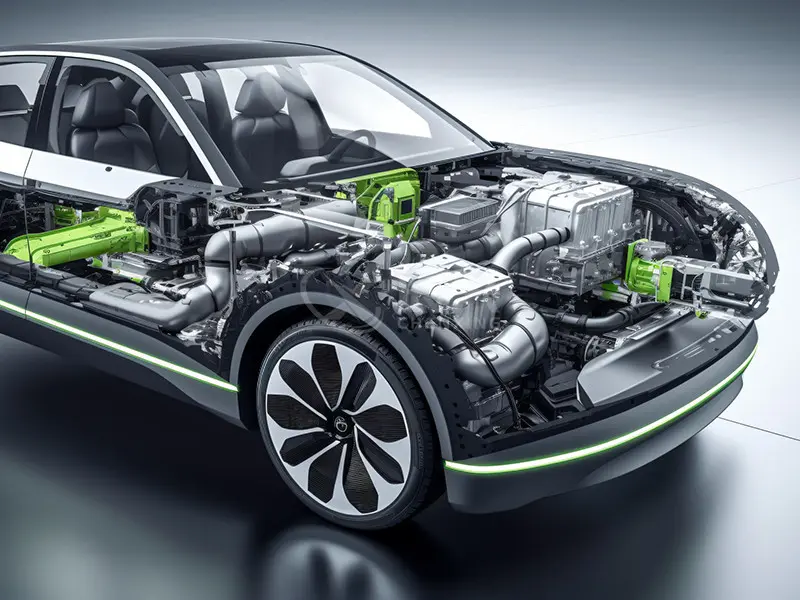
The industrial foil sector is changing rapidly due to new technologies. The transition to electric vehicles (EVs) has increased demand for high-grade battery foil, which serves as a current collector in lithium-ion batteries. These foils must be thin, possess high tensile strength, and feature pristine surface quality to prevent tears during high-tension battery winding.
At the same time, companies are prioritizing sustainable production. Sourcing partners are increasingly focusing on green aluminum, produced using renewable energy sources like hydroelectric power to minimize carbon footprints. Modern production facilities are also shifting toward closed-loop recycling systems, where scrap from stamping and cutting is remelted and fed back into the production line. This strategy helps reduce waste and lowers the overall environmental impact of the manufacturing process.
Learn how new manufacturing capacities help meet the growing demand for high-strength aluminum plates and circles across global markets.
A look at the strict technical requirements, thickness controls, and tensile strength standards needed for next-generation EV energy storage.
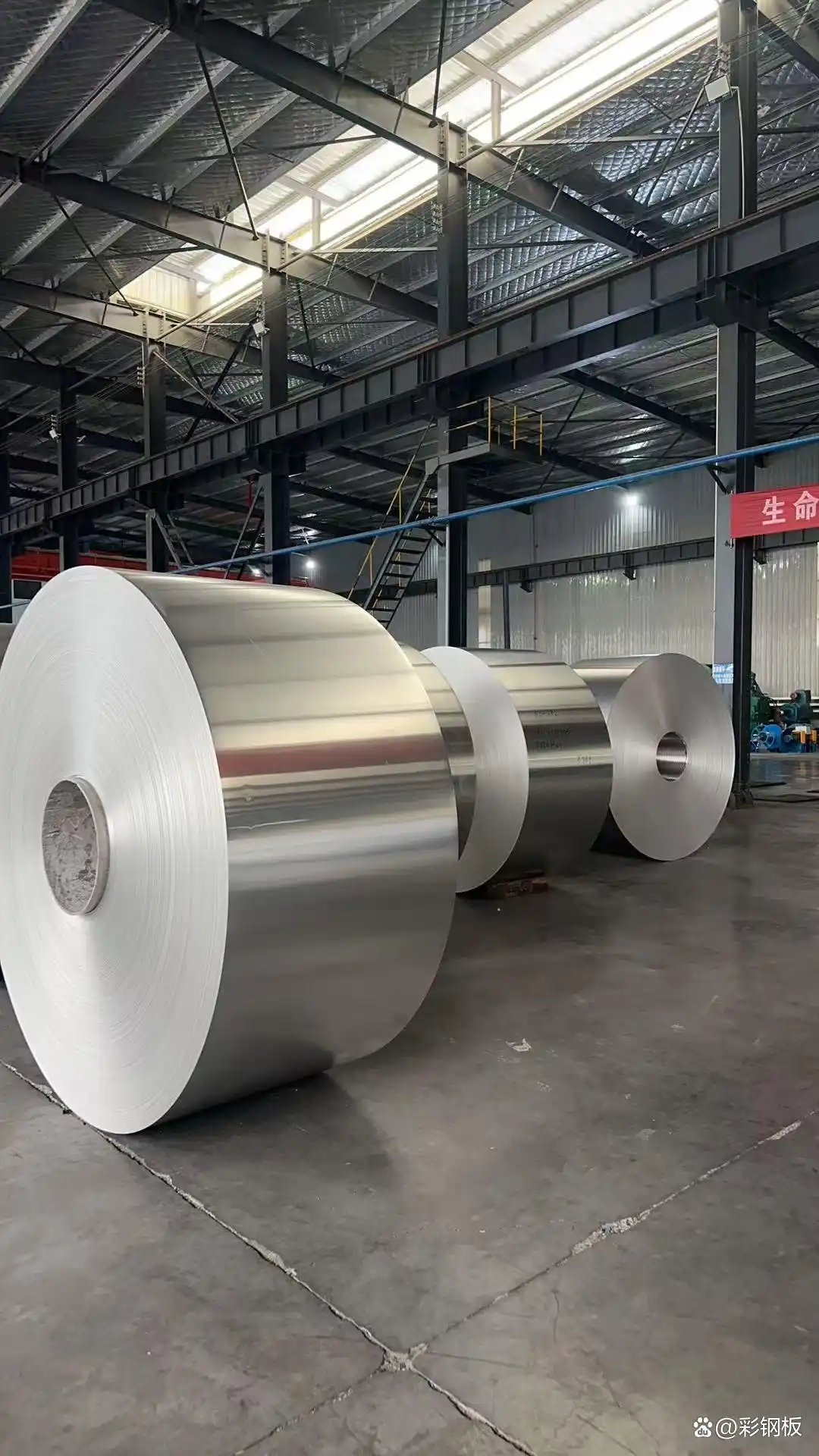
Analyzing how new building projects, eco-friendly packaging, and energy-efficient systems are driving demand for sustainable aluminum solutions.
Answers to key engineering and logistical questions about sourcing industrial aluminum products.
Connect with our engineering team for detailed technical quotes, custom alloy samples, and logistics support tailored to your project.