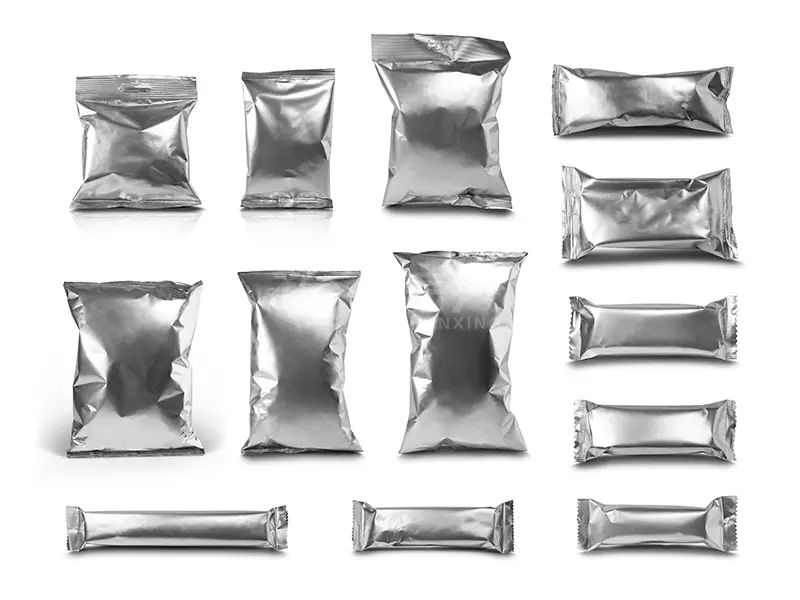
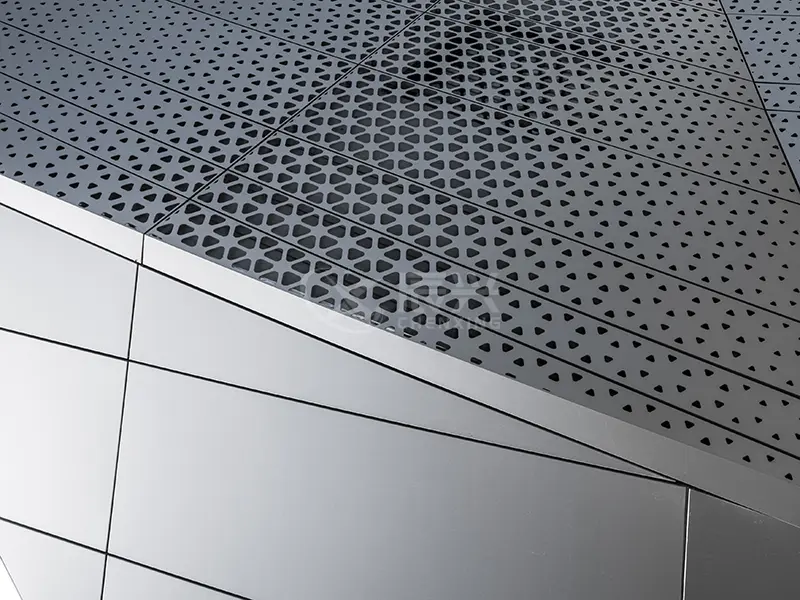
Direct sourcing from advanced manufacturing facilities. Built for extreme precision, high tensile strength, and exceptional barrier properties.
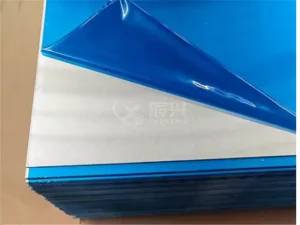
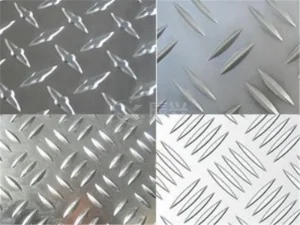
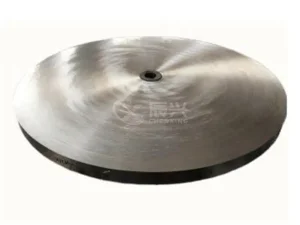
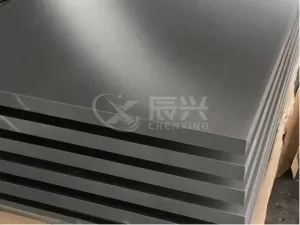
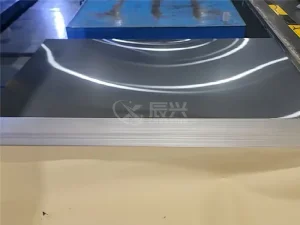
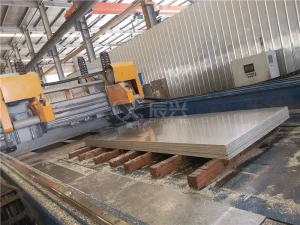
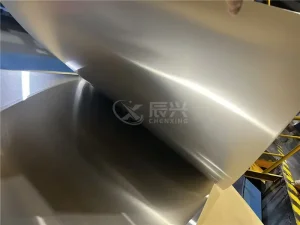
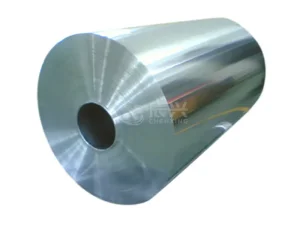
Aluminium foil materials represent a critical cornerstone in modern global logistics, chemical containment, electrical architectures, and thermal management industries. Characterized by their barrier capabilities, light weight, and structural flexibility, these ultra-thin materials undergo highly sophisticated metallurgical preparation to achieve the mechanical stability required by global procurement groups.
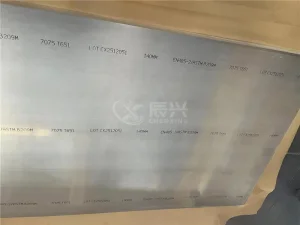
The selection of specific aluminium alloy grades depends strictly on the application's thermodynamic demands and mechanical load vectors. Pure aluminium variants like the 1xxx series (specifically 1050, 1060, and 1235) offer optimal electrical conductivity and barrier performance, making them standard for electronic shielding and packaging applications. For applications demanding structural resilience at elevated temperatures, the 3xxx series (such as 3003) incorporates manganese to improve tensile strength and ductility. Meanwhile, the 8xxx series (including 8011 and 8079) leverages silicon and iron micro-alloying to deliver exceptional elongation and burst strength, critical for high-speed automated packaging runs.
Engineered recrystallization levels enable complex deep-drawing properties without fractures or pinholes.
Complete barrier protection against oxygen, moisture, UV rays, and biological contaminants down to 6 microns.
Retains dimensional integrity and structural characteristics across temperatures from -200°C to +600°C.
The evolution of aluminium foil fabrication is driven by down-gauging, surface functionalization, and advanced microstructural design. To support emerging global megatrends like high-capacity energy storage and electric vehicles, manufacturers must continually push the boundaries of materials science.
Our dedicated Research and Development laboratories focus on two primary breakthroughs:
Implementing real-time digital AGC systems to run 5-micron foils for aerospace and high-density capacitors.
Integrating polymer-organic barriers on 8021 alloys to withstand aggressive acidic electrolytes in lithium pouch cells.
Transitioning manufacturing power sources to hydro and green hydrogen to deliver products with net-zero embodied carbon.
Modern industrial projects require tailored materials that match their specific operational environments. We provide custom solutions across several demanding industries:
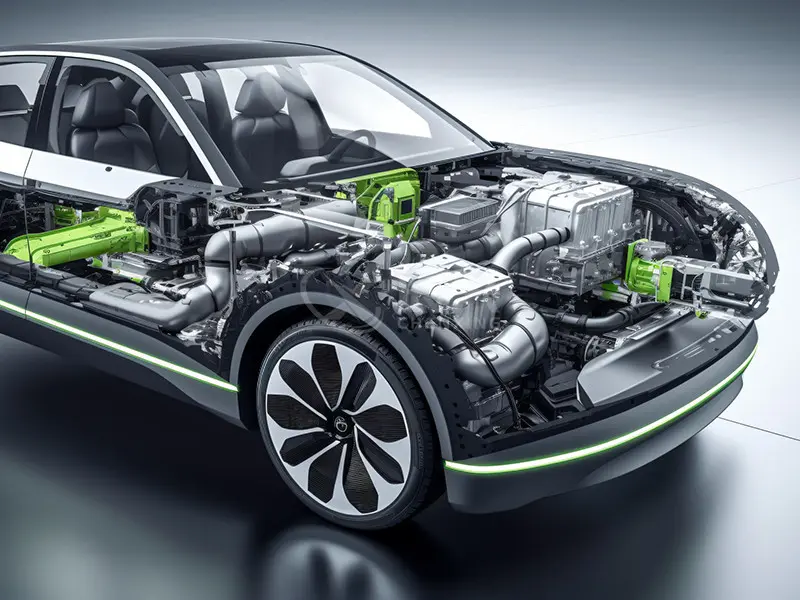
For electric vehicle systems, heat dissipation is critical to battery life and safety. Our battery-grade and hydrophilic foils are designed for maximum thermal conductivity, helping construct compact heat exchangers and cell-to-pack cooling assemblies.
High-strength 5052 and 5083 alloys are processed into light, rigid honeycomb structures. These structures provide excellent strength-to-weight ratios for commercial aircraft floors, bulkhead panels, and space application shielding.
Our hydrophilic and anti-corrosive coated foils prevent water bridges in air conditioner evaporator fins, improving airflow and heat transfer efficiency by up to 15% over standard foils.
Our manufacturing operations combine massive production capacity with digital quality control. By integrating Industry 4.0 practices, we maintain stable production speeds and tight quality tolerances.
Advanced Rolling Mill Controls: Our cold rolling mills feature closed-loop thickness and flatness systems. These systems make micro-adjustments every millisecond to keep thickness variations within ±2%, ensuring uniform performance across the entire coil width.
Integrated Supply Chain: Our production facilities are co-located near primary refining hubs, reducing transport times and protecting our supply chain from raw material shortages. This vertical integration allows us to offer stable, competitive pricing even during global market volatility.
We are committed to meeting international environmental, social, and governance standards. Our green manufacturing processes focus on carbon footprint reduction and waste minimization.
We track emissions transparently to support customers affected by import regulations such as the EU's Carbon Border Adjustment Mechanism (CBAM). By using low-carbon primary ingots and recycled scrap, we significantly reduce the carbon footprint of our finished products.
Industrial procurement teams must look beyond unit price to assess the Total Cost of Ownership (TCO). Use the following checklist when qualifying aluminium foil suppliers:
Serving core global industries with precision-engineered alloys, from structural aerospace elements to sterile medical packaging.
Technical guidance and answers to common procurement questions regarding global foil supply.
Stay informed on global supply trends, battery-grade technologies, and raw material markets.
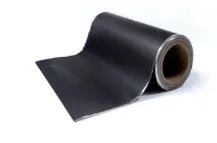
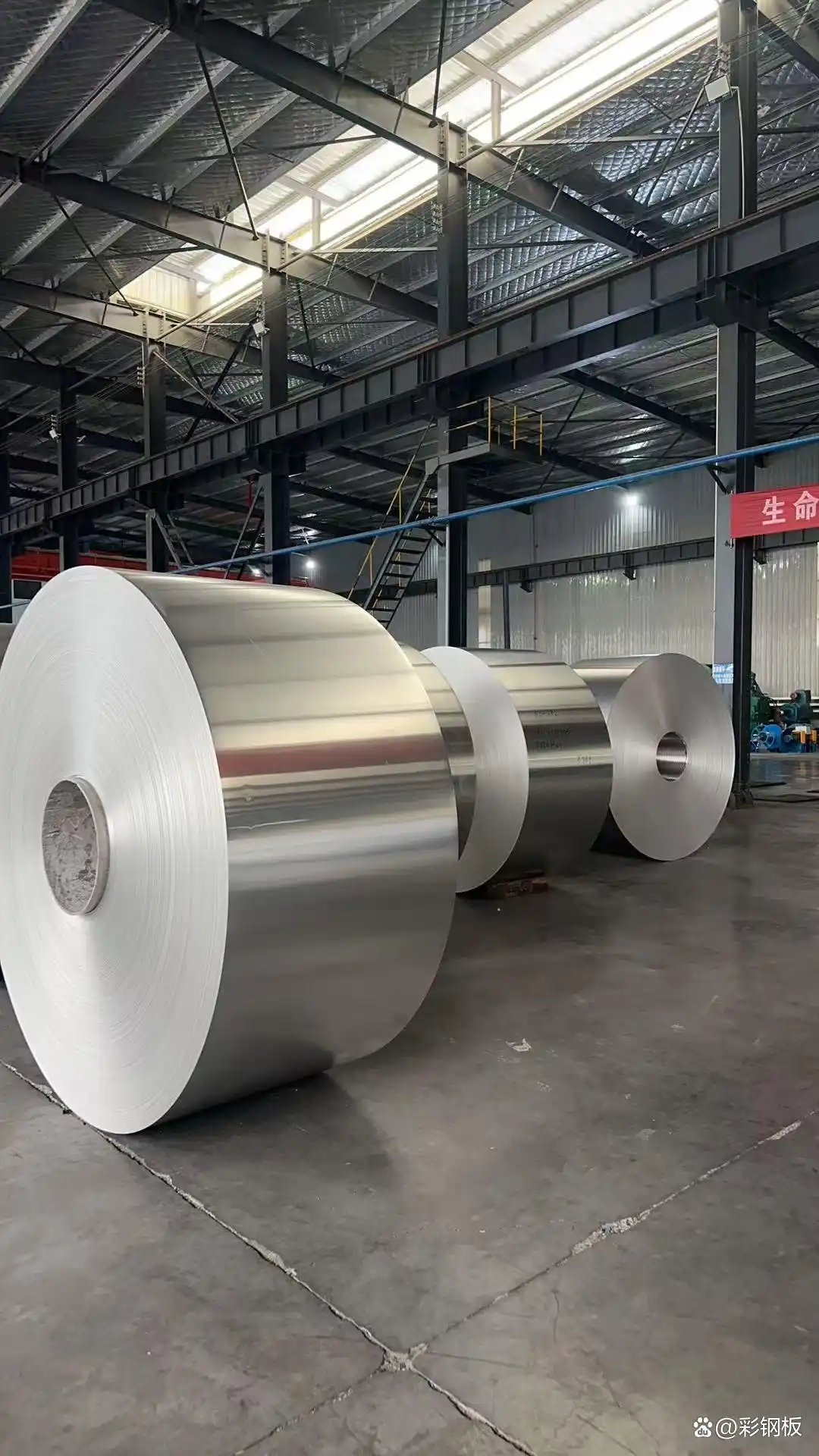
Request pricing, physical samples, or detailed alloy specifications. Our engineering team responds to all inquiries within 24 hours with complete 8D data sheets.
Complete alloy catalog manufactured under ISO 9001 and aerospace standards to ensure consistent gauge control.