
Explore our premium select range of factory-certified aluminum plates, sheets, and coils engineered for demanding structural specifications.
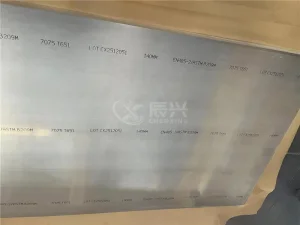
Understanding the vital role of premium aluminum flat plates in modern precision engineering and industrial scale-up.
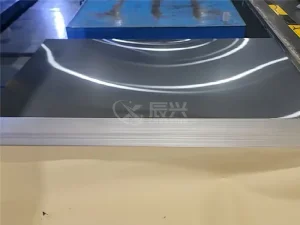
In the contemporary landscape of global industrial manufacturing, aluminium flat plates have transitioned from standard commodities to highly specialized structural materials. With the global shift toward decarbonization, lightweight design, and superior component durability, industries like aerospace, maritime architecture, electric mobility, and smart infrastructure demand high-performance raw materials. High-strength aluminum alloys are pivotal in helping manufacturers reduce energy usage and emissions without compromising on mechanical integrity.
Industrial buyers face complex challenges when sourcing from global manufacturers. Variations in rolling tolerances, grain structure alignment, residual internal stress, and heat-treatment consistency can directly impact the success of down-stream processing, such as precision CNC milling, laser cutting, and robotic welding. Sourcing from accredited manufacturers guarantees that you receive raw plates with uniform mechanical properties, certified planar flatness, and optimal grain flow orientation.
During the rolling and casting of aluminum flat plates, significant residual stresses can develop within the metal matrix. When these plates are machined, uneven stresses are released, which can lead to warping or dimensional distortion. To counter this, tier-one manufacturers utilize dedicated stretching and stress-relieving processes (often denoted by the T651 temper). This treatment ensures structural stability, enabling tight-tolerance machining for critical components such as semiconductor vacuum chambers, mold-making dies, and aerospace bulkheads.
A detailed technical guide to selecting the right aluminum alloy for your specific engineering, welding, and ambient conditions.
Selecting the ideal aluminum flat plate requires a thorough understanding of mechanical properties, environmental exposures, and manufacturing compatibility. The chart below provides a comparative analysis of the primary alloy families utilized by tier-one engineers and global manufacturers:
| Alloy Series | Key Characteristics | Tensile Strength (MPa) | Corrosion Resistance | Primary Industrial Applications |
|---|---|---|---|---|
| 1xxx (e.g., 1050, 1100) | >99% pure Al. Excellent thermal & electrical conductivity. Exceptional ductility. | 75 - 115 | Outstanding | Chemical processing equipment, lighting reflectors, decorative cladding, electrical busbars. |
| 3xxx (e.g., 3003, 3104) | Manganese alloyed. Moderate strength with excellent formability and welding characteristics. | 110 - 190 | Very High | HVAC evaporators, cooking utensils, heat exchangers, industrial storage tanks. |
| 5xxx (e.g., 5052, 5083) | Magnesium alloyed. High fatigue strength, excellent marine corrosion resistance. | 190 - 340 | Excellent (Marine Grade) | Shipbuilding, pressure vessels, vehicle chassis panels, cryogenic installations. |
| 6xxx (e.g., 6061, 6082) | Silicon-Magnesium alloyed. Heat-treatable, high structural strength, great machinability. | 290 - 350 | Good to High | Structural frames, heavy machinery platforms, railway structures, precision components. |
For industrial applications, the chemical composition of the alloy is only part of the equation; the temper designation is equally crucial. The F temper (as fabricated) offers no guarantees on mechanical consistency, making it unsuitable for structural calculations. Conversely, the H temper (strain-hardened, typical for 1xxx, 3xxx, and 5xxx series) and the T temper (thermally treated, typical for 2xxx, 6xxx, and 7xxx series) provide defined yield strengths, elongation percentages, and hardness metrics. When procurement officers request quotes from manufacturers, specifying the precise temper (e.g., 5052-H32 or 6061-T651) is critical for structural safety and compliance.
How our custom aluminum plates are integrated across critical infrastructure and high-performance sectors worldwide.

High-strength 5xxx and 6xxx series plates form the structural backbone of high-speed rail cabins, commercial trailer bodies, and automotive chassis, helping to lower fuel consumption.
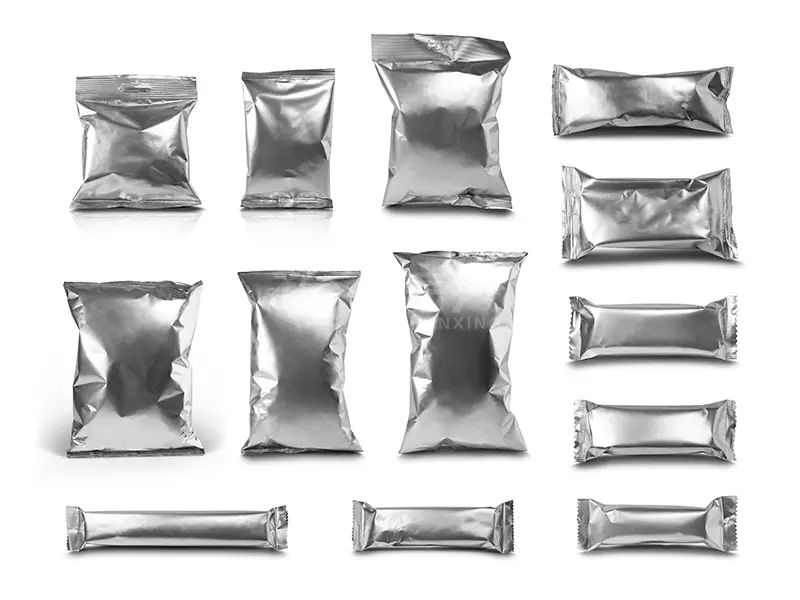
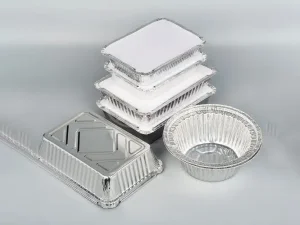
Utilizing high-purity alloys to manufacture deep-drawn foils, industrial containers, and barrier layers, providing safety and protection for global food and pharmaceutical supply chains.

High thermal conductivity sheet substrates and enclosures designed for heat sinks, semiconductor manufacturing frames, and electronic consumer goods enclosures.

Ultra-reliable structural alloy plates designed for structural airframe ribs, aircraft skins, and space launch vehicle components, where weight-to-strength ratios are critical.
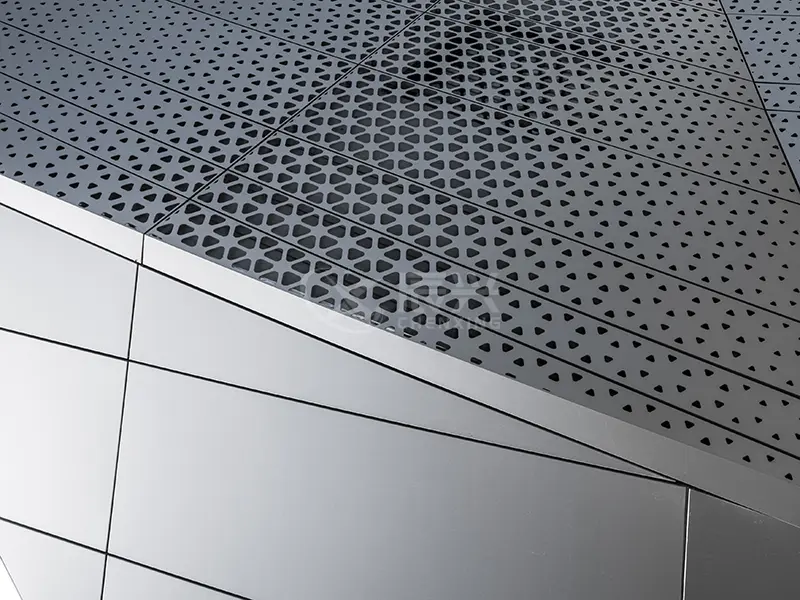
Architectural panels, structural glass curtain-wall supports, and roofing sheets engineered to withstand wind load challenges and weathering.

Highly aesthetic, corrosion-resistant surface plates, coils, and foils optimized for premium white goods, consumer appliances, and cooling components.
Ensuring global industrial projects meet rigorous regional standards, green mandates, and material traceability requirements.
For critical engineering projects, material certification is non-negotiable. Leading aluminum flat plate manufacturers supply materials certified under international systems, including ASTM B209 (US standard for aluminum sheets and plates), EN 485 (European standard for mechanical properties and tolerances), and ISO 9001:2015 quality management systems. In fields like shipbuilding, certifications from classification societies such as DNV, Lloyd's Register (LR), or ABS are mandatory to verify marine-grade performance under high-salinity conditions.
Material traceability is maintained using unique heat codes stamped directly on each flat plate. These codes link the material back to its casting log, chemical composition report (Mill Test Certificate - MTC EN 10204 3.1), and mechanical testing profiles. This level of traceability is essential for high-integrity industries, such as aerospace and pressure vessel manufacturing, to ensure safety and quality control.
As corporate sustainability goals grow more stringent, the environmental impact of raw materials is under greater scrutiny. Traditional smelting processes are energy-intensive; however, modern mills are transitioning toward greener methods. This includes using hydro-electric power for primary smelting and increasing the proportion of recycled scrap in the furnace charge. Secondary (recycled) aluminum production uses only about 5% of the energy required for primary smelting, significantly reducing the carbon footprint of the finished plate.
Many leading manufacturers now provide certified Environmental Product Declarations (EPD), which track the lifecycle carbon equivalent ($CO_2e$) per ton of aluminum. By sourcing low-carbon aluminum plates, procurement departments can directly lower their scope 3 emissions, aligning with global net-zero targets.
Stay informed with the latest updates from global production hubs, export dynamics, and advanced materials engineering.
Export volumes show rising global demand for certified high-precision plates. Read about our plant's upgrades to meet this demand.
Read Article
An in-depth look at how the electric vehicle surge has accelerated requirements for specialized ultra-thin aluminum foil materials.
Read Article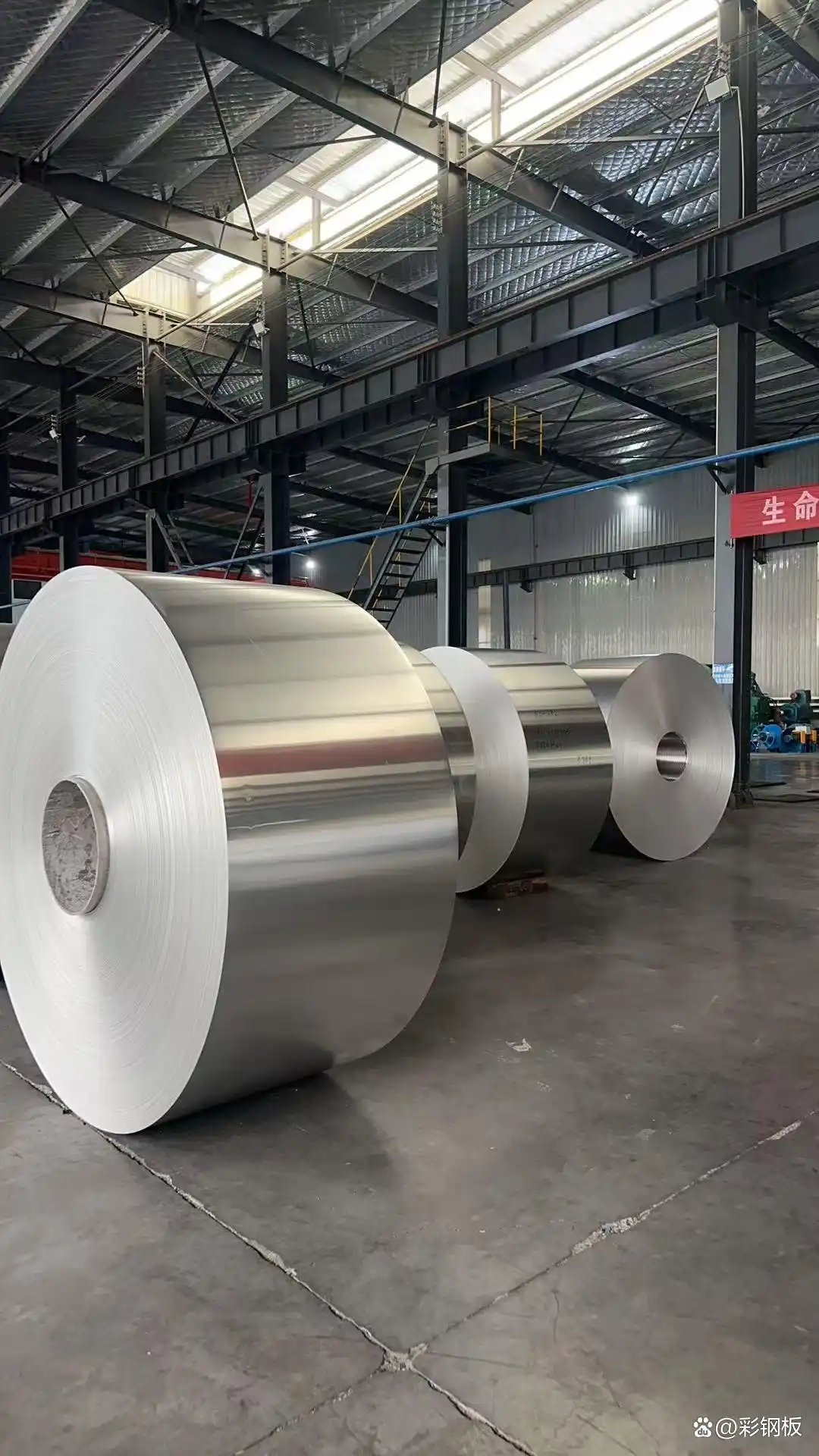
Stricter green codes are driving building facades to utilize recyclable aluminum coil coatings over synthetic composites.
Read ArticleNeed custom sizing, specialized tempers, or strict quality assurance testing? Get in touch with our applications engineering team today to receive a comprehensive quote and material analysis within 24 hours.
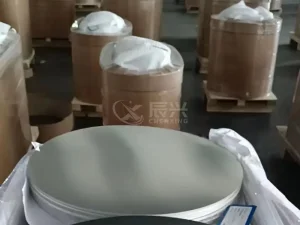
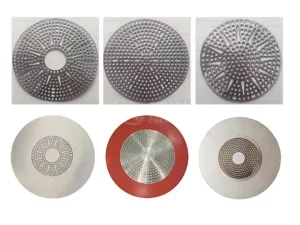
Explore our highly specialized metallurgical solutions, including HVAC foils, battery-grade materials, and deep-drawing circle blanks.
Detailed answers to key technical, quality control, and shipping questions for industrial purchasers.
The primary difference lies in their internal grain structure, mechanical properties, and dimensional stability during machining. Cast tooling plates are manufactured by casting liquid alloy into large billets and then slicing them into plates. This process produces an isotropic, stress-free grain structure. As a result, when you machine a cast tooling plate, there is virtually zero warp or distortion, making it perfect for precision semiconductor parts or high-tolerance molds.
Rolled flat plates are produced by passing heated aluminum ingots through a series of rollers. This process aligns and stretches the grain structure in the rolling direction, yielding higher tensile and yield strength than cast versions. However, rolling introduces internal directional stress. If machined heavily, the plate may warp slightly unless it has undergone stress-relieving thermal treatments, such as the T651 temper stretching process.
The choice between these two popular alloys depends on whether you prioritize high yield strength or formability:
Anodizing is an electrochemical process that converts the aluminum surface into a durable, corrosion-resistant anodic oxide finish. However, surface impurities, alloy segregation, and grain variations can lead to uneven coloration, streakiness, or spotting after anodizing. For architectural panels or high-end electronics enclosures, you should request Anodizing Quality (AQ) plates. Manufacturers of AQ plates implement strict filtration and casting controls to minimize surface imperfections, ensuring a clean, uniform finish.
When sourcing high-value metals, your inspection checklist should require the manufacturer to provide:
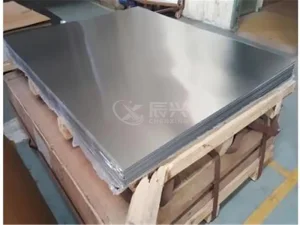
Aluminum is highly reactive and susceptible to water staining (white rust) if moisture is trapped between stacked plates during transit. To prevent this, professional manufacturers apply several layers of protection: placing neutral pH paper inserts or protective PE film between each plate, wrapping the stack in a moisture-resistant barrier, adding desiccant packs, and securing the bundle in heavy-duty wooden crates. This packaging ensures plates remain dry and scratch-free, even during long ocean transit.