
Direct Procurement of High-Reflectivity, Marine-Grade & Structurally Reinforcing Aluminium Alloys
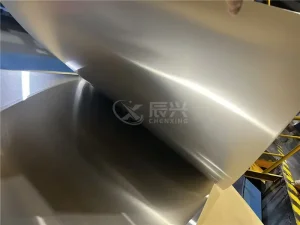
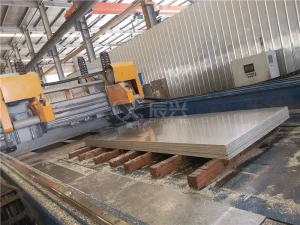
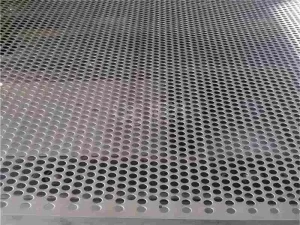
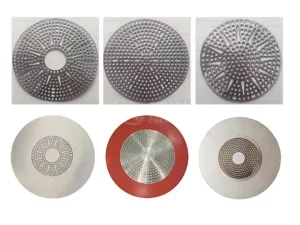
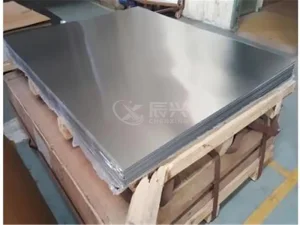
Aluminium alloy sheet metal serves as the backbone of modern lightweighting strategies across core industries including automotive engineering, aerospace architectures, marine logistics, and industrial packaging. With the push toward decarbonization and carbon-neutral supply chains, sourcing optimized aluminum solutions with verified mechanical integrity and low lifecycle carbon footprints has become critical for global B2B procurement managers.
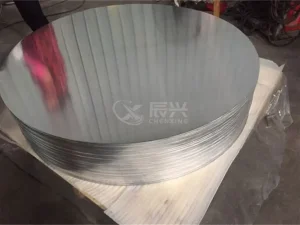
The selection of alloy series defines the thermodynamic and physical limitations of your end products. 1xxx Series (Pure Aluminium, e.g., 1050) features exceptional electrical and thermal conductivity combined with superior formability, making it ideal for deep drawing, spun cookware, and light-reflective components.
For applications requiring balanced mechanical stress capabilities, the 3xxx Series (Manganese-Alloyed, e.g., 3003, 3104) introduces higher tensile strength while retaining excellent cold-workability. It is widely used in air conditioning units, heat exchangers, and continuous can-making processes.
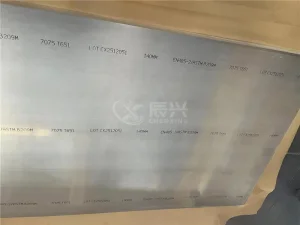
Where extreme structural integrity is required under corrosive conditions, the 5xxx Series (Magnesium-Alloyed, e.g., 5083) stands out. It offers unparalleled corrosion resistance against seawater, high weldability, and structural durability, qualifying it for marine vessel hulls, transportation tankers, and pressure vessels.
| Alloy Series | Key Elements | Mechanical Properties | Primary Target Verticals |
|---|---|---|---|
| 1xxx (e.g., 1050) | Al ≥ 99.5% | Excellent ductility, low strength, high thermal transfer | Reflectors, Spinning cookware, Condensers |
| 3xxx (e.g., 3003, 3104) | Al-Mn | Moderate strength, great formability & corrosion resistance | Beverage cans, HVAC heat fins, Roofing systems |
| 5xxx (e.g., 5083) | Al-Mg | High fatigue strength, marine corrosion proof, strong welds | Shipbuilding, Heavy vehicles, Cryogenic tanks |
| 8xxx (e.g., 8011) | Al-Fe-Si | High barrier efficiency, structural thinness, food-safe | Pharmaceutical packaging, Domestic household foil |
By implementing Factory 4.0 paradigms, China's modern manufacturing lines have shifted from basic volume-driven output to precision metallurgical engineering. Leveraging smart automated thickness monitoring systems (Automatic Gauge Control - AGC) and integrated digital tracking lines, our factories achieve consistent dimensional tolerance down to the micron level.
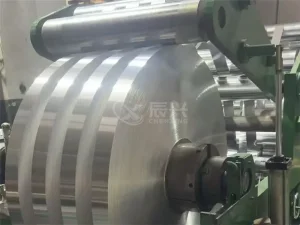
Supply chain resilience is anchored in fully integrated production chains: from primary liquid bauxite processing to casting, continuous cold/hot rolling, thermal heat-treatment, and precision slitting. This integration insulates global buyers from raw material volatility, offering predictable lead times and robust anti-dumping risk management options.
The future of aluminium sheet fabrication centers on the integration of Circular Green Metallurgy and advanced Nano-Alloy structures. Utilizing post-consumer scrap recycling streams reduces manufacturing carbon footprints by up to 95%.
Simultaneously, the industry is developing micro-alloying techniques designed to reduce overall vehicle curb weights, support EV battery enclosures with thermal runaway barriers, and enable ultra-thin foils with superior tensile yield limits.
Custom-Engineered Architectural, Thermal, and Structural Aluminium Systems
Structural body-in-white panels, heat shields, and battery cooling plates built using high-strength 5xxx and 6xxx structural alloys.
Aseptic barriers, household foil jumbo rolls, and blister pack foils optimized for light exclusion, moisture resistance, and food safety.
Anodized aluminum veneers, heat sinks, and pre-insulated duct foils featuring optimal thermal exchange capacities and corrosion defenses.
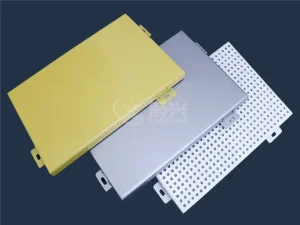
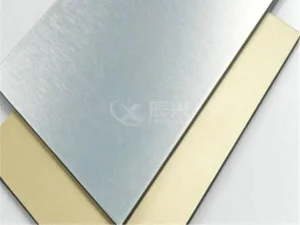
Solid exterior panels, rainscreen facades, and heavy-duty corner strips ensuring exterior durability and mechanical strength.
Operating within an increasingly complex regulatory landscape requires manufacturers to act as solutions providers rather than raw material suppliers. We address this transition with localized compliance verification, technical documentation (including Mill Test Reports conforming to EN 10204 3.1), and transparent quality assurance procedures.
Whether engineering lightweight aerospace hulls, structural railway profiles, or mass-produced automotive door skins, our engineers match alloy specifications to your forming limits, welding methodologies, and surface finish requirements (e.g., mill finish, brushed, mirror-polished, or color-coated PVDF).
By working directly with our factories, OEM purchasing departments can implement Just-In-Time (JIT) deliveries, secure long-term price hedges against LME fluctuations, and maintain continuous access to high-grade industrial metals.
Direct Factory Order Portals for Industrial Packaging, Heavy Construction & Insulating Materials
Resolving Common Questions Regarding Tolerances, Standards, and Factory Customization
Market Trends, Material Science Advancements, and Global Trade Dynamics
Market Analysis & Production Forecasting
Export demand for cold-rolled sheets is growing due to structural updates in heavy transport systems...
More News
Technical Release & EV Logistics
Investigating the mechanical parameters required for carbon-coated battery foils in lithium-ion cells...
More News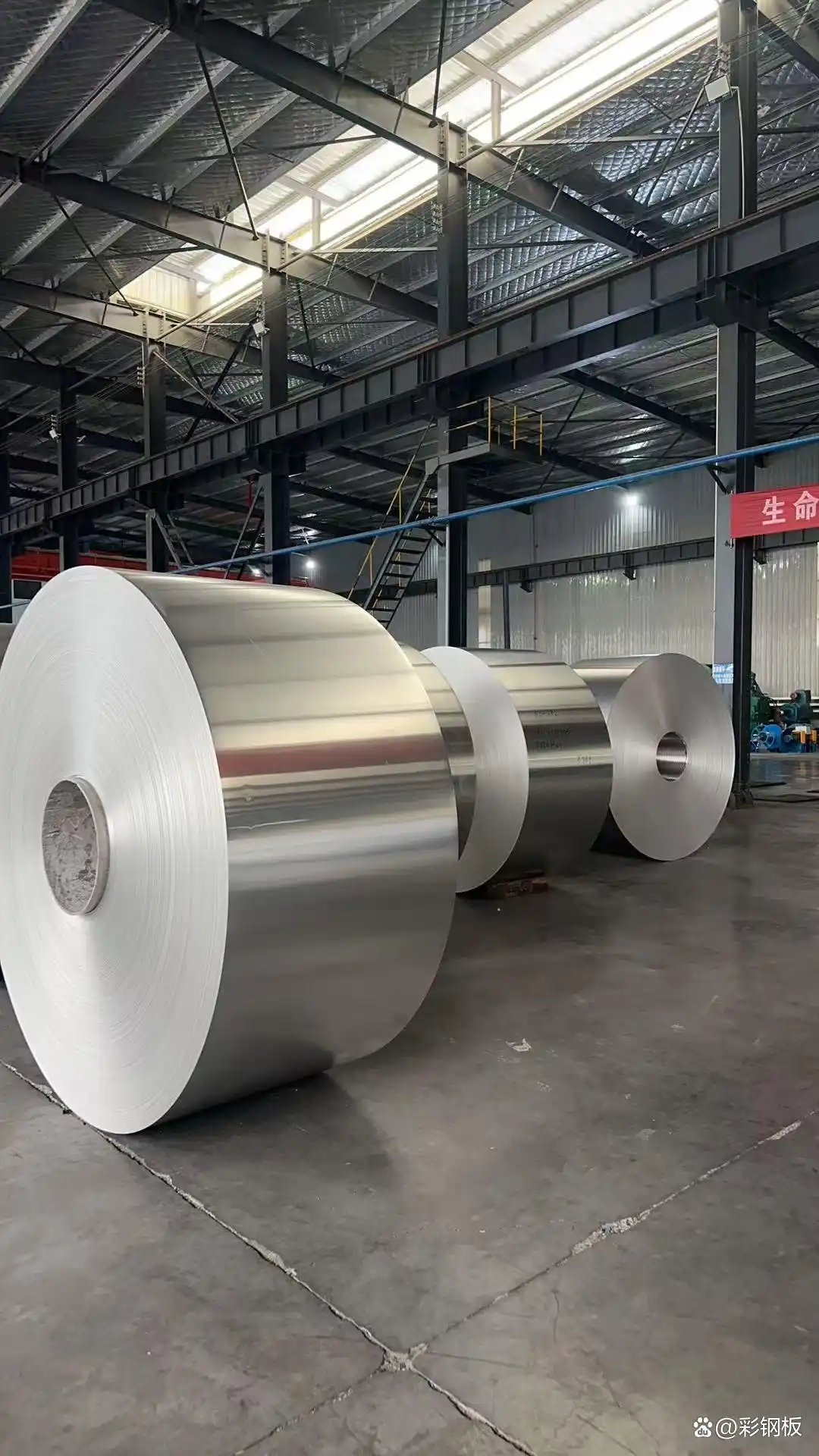
Sustainability & Architecture
LEED-certified structures increasingly specify recyclable, high-durability coated aluminum skins...
More NewsGet in touch with our engineering team for detailed technical evaluations, material property verifications, and factory-direct price sheets. We respond within 24 hours.