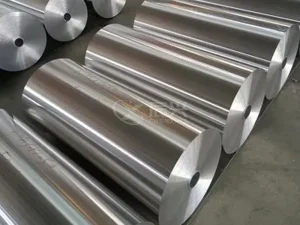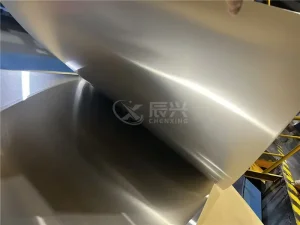
Explore our core manufacturing portfolio, delivering high-purity aluminum alloys processed to meet strict global mechanical specifications.
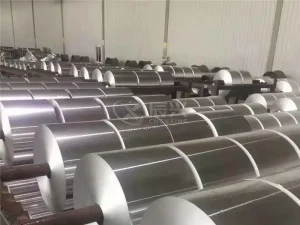
Consistently meeting international technical specifications with traceability and rigorous processing control.


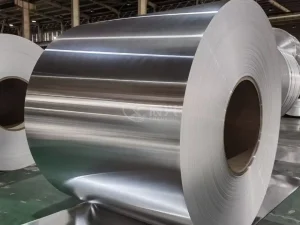
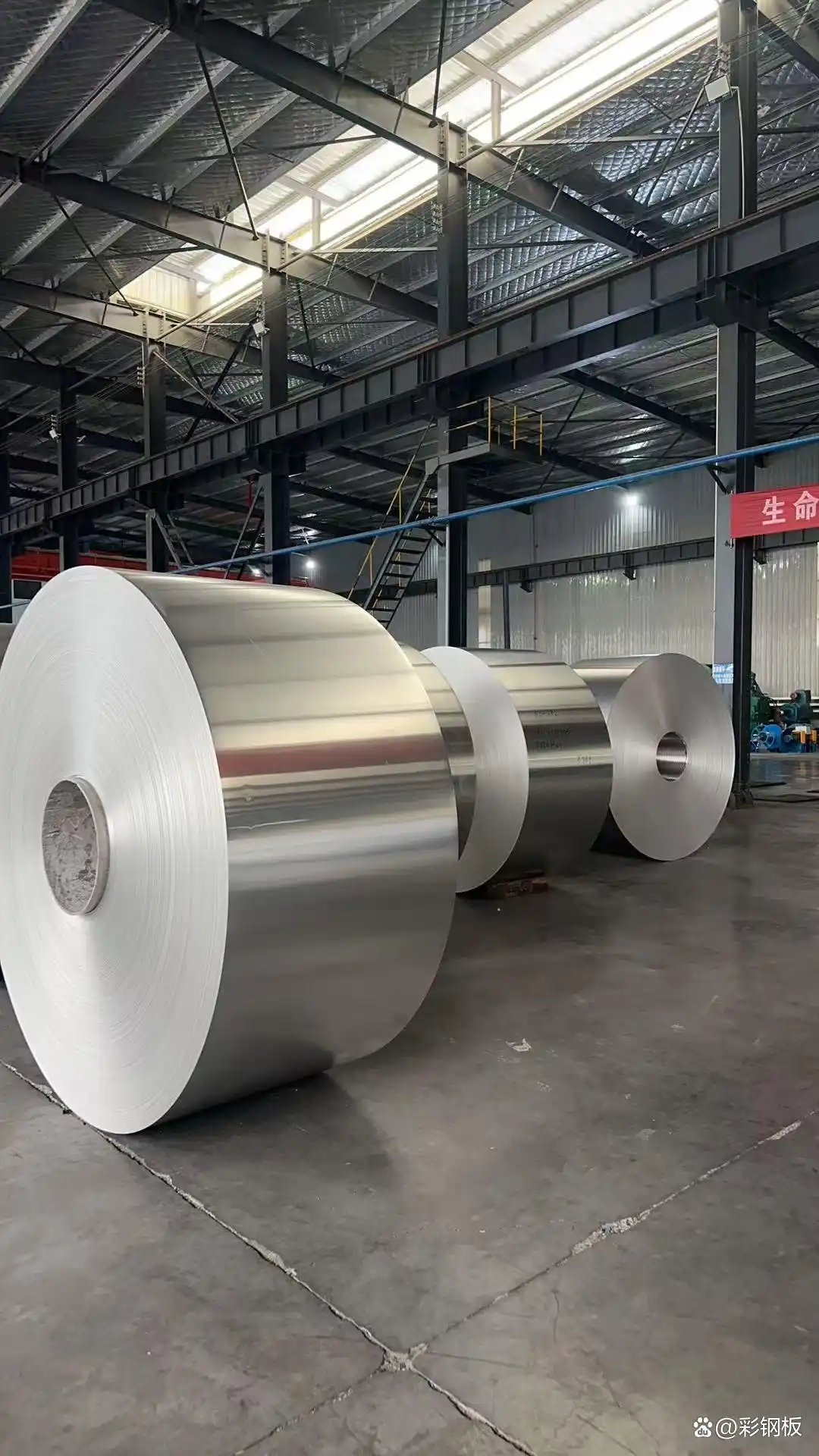
In the modern globalized industrial manufacturing landscape, aluminum foil (Alu Foil) has evolved from a basic packaging material into a key technology enabling sustainability and thermal management. The unique atomic structure of aluminum provides absolute barrier performance against moisture, oxygen, UV rays, and airborne contaminants at thicknesses measured in microns. This makes it crucial in the transition toward circular economies.
As global industries commit to decarbonization targets, lightweighting in transportation, electrification in energy transmission, and extended shelf life in food and pharmaceuticals have significantly increased demand for high-performance rolled foils. Modern manufacturing plants utilize sophisticated mill configurations to supply aluminum foil that acts as a structural component, heat shield, chemical barrier, and electrical conductor.
The production of industrial-grade aluminum foil requires deep technical expertise in rolling, metallurgy, and surface modification. High-speed cold rolling mills process cast coils through multiple reductions down to precise target gauges. Throughout this process, surface tension, lubrication, web tension, and roll temperature must be continuously monitored to prevent surface defects and pinholes.
With complex supply chains, buyers need manufacturers who offer consistent quality, reliable lead times, and compliance with anti-dumping regulations (AD/CVD). Selecting a certified manufacturing partner ensures access to premium raw ingots, controlled slab homogenizing, and advanced annealing cycles that produce the desired grain structures and tempers.
| Alloy Series | Common Tempers | Standard Gauges (mm) | Primary Properties & Applications |
|---|---|---|---|
| 1xxx Series (e.g., 1050, 1060, 1235) | O, H18, H24 | 0.006 – 0.050 | Purity ≥ 99.5%, excellent conductivity, highly ductile. Used in battery current collectors, capacitor windings, and flexible food pouches. |
| 3xxx Series (e.g., 3003) | H14, H22, H24 | 0.015 – 0.200 | Manganese-alloyed, high tensile strength, excellent corrosion resistance. Used in HVAC fins, structural ductwork, and deep-drawn containers. |
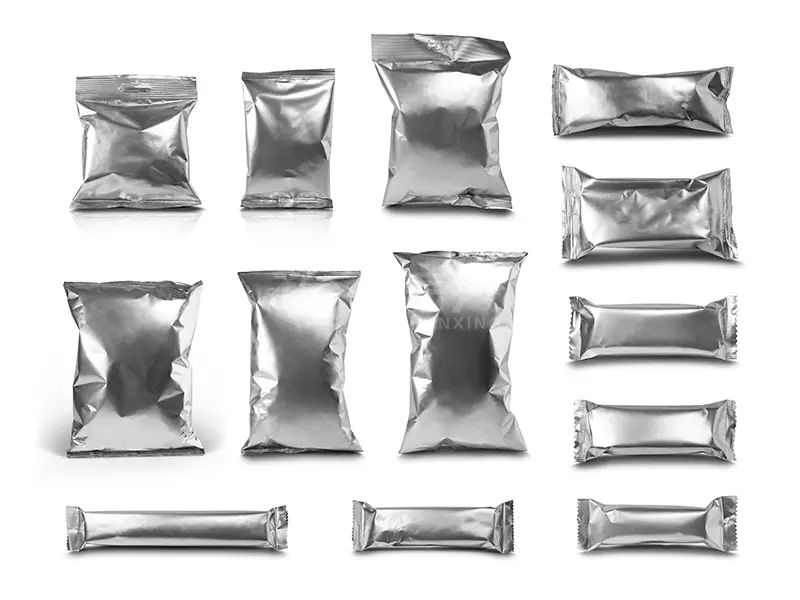
| 8xxx Series (e.g., 8011, 8021, 8079) | O, H18, H22 | 0.006 – 0.080 | Iron-silicon alloyed, high elongation and burst strength. Standard for pharmaceutical blister foils, aseptic packaging, and household rolls. |
Delivering specialized aluminum alloy solutions across diverse industrial and technological sectors.




The production of zero-pinhole, ultra-thin foils requires strict control of the rolling interface. Our rolling processes incorporate Automatic Gauge Control (AGC) and Automatic Flatness Control (AFC) systems. These technologies continuously scan the metal sheet in real-time, micro-adjusting roll profiles and pressure zones to ensure consistent thickness tolerance across the entire width of the coil.
Annealing profile control is also essential. Restoring ductility to cold-rolled aluminum requires precise heating, soaking, and cooling phases under a protective atmosphere (typically dry nitrogen or hydrogen). This process prevents oxidation and oil staining while ensuring the foil reaches the correct temper—whether soft (O) for flexible packaging or hard (H18) for battery components.
To maintain reliable distribution across global supply chains, our production processes comply with major international testing, environmental, and food-safety standards. Every coil is shipped with Mill Test Certificates (MTC) detailing chemical composition, tensile strength, and elongation profiles.
Expert insights addressing common engineering, ordering, and technical specifications for industrial aluminum products.
Alloy 1235 has a higher aluminum purity (minimum 99.35%), providing excellent electrical conductivity and ductility, making it suitable for capacitor foils and cable shielding. Alloy 8011 contains added iron (Fe) and silicon (Si), which increases tensile strength and burst resistance. This makes it ideal for household foil, food containers, and pharmaceutical blister packaging.
Pinholes are caused by micro-impurities in the raw ingots or dust during the rolling process. We prevent them by using high-grade primary ingots (99.9% purity), filtering rolling oils through advanced systems, and operating our finishing mills in controlled, pressurized environments. Online optical pinhole detectors scan the foil in real-time to locate and flag any defects.
We package our foil using a "suspended packaging" system inside heavy-duty wooden crates. This prevents the coils from resting on their sides, avoiding flat spots or physical deformation. The coils are wrapped in silica gel desiccants, enclosed in heat-sealed plastic vapor barriers, and wrapped in corrugated fiberboard to protect them from moisture and temperature fluctuations during ocean transit.
We supply foil in tempers ranging from fully annealed soft (O) to fully work-hardened (H18), as well as intermediate tempers like H22 and H24. The O temper offers maximum elongation for deep drawing and flexible packaging, while the H18 temper provides the higher tensile strength required for flat industrial wrappers, lithium-ion battery collectors, and cable wrap applications.
Stay informed with the latest metallurgical breakthroughs, trade dynamics, and factory upgrades.
Get in touch with our engineering team for customized alloy specifications, test samples, and detailed volume pricing packages within 24 hours.
Submit Inquiry NowBrowse our heavy-gauge sheets, plates, and specialized foils engineered to perform in demanding environments.