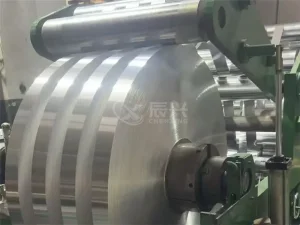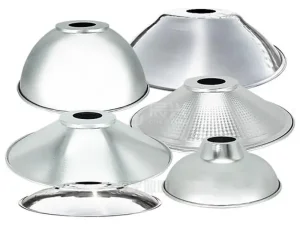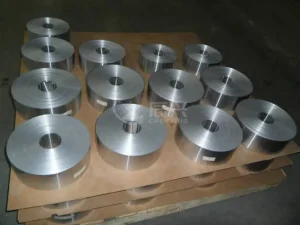
Browse our top-tier aluminum alloy configurations customized for structural durability and performance.


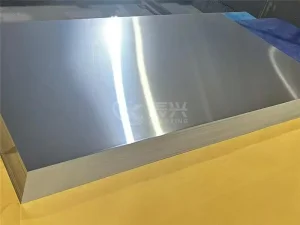
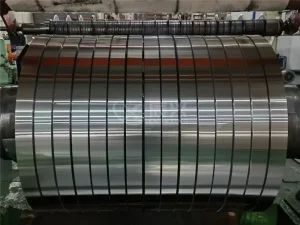
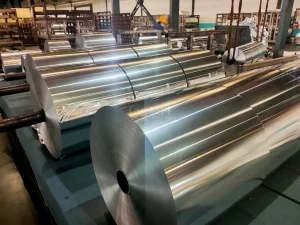

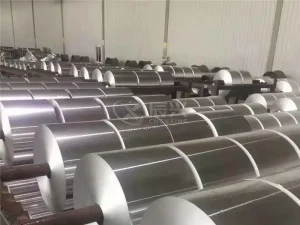
An expert-level technical reference on processing standards, structural benefits, and macro sourcing strategies.
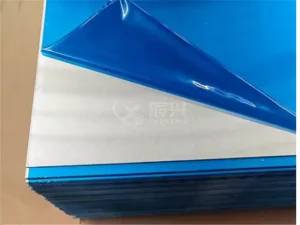
The 6061 aluminum plate represents one of the most versatile and widely utilized structural materials in modern manufacturing. As a precipitation-hardened aluminum alloy, its primary alloying elements are magnesium (Mg) and silicon (Si), forming magnesium silicide (Mg2Si). This specific intermetallic composition allows the alloy to balance moderate-to-high mechanical strength, excellent weldability, superior corrosion resistance, and superb machinability.
When sourcing from factory manufacturers, the temper designation is critical. The most commonly procured variants are:
| Element | Mg (Magnesium) | Si (Silicon) | Cu (Copper) | Cr (Chromium) | Fe (Iron) | Al (Aluminum) |
|---|---|---|---|---|---|---|
| Weight % | 0.8% - 1.2% | 0.4% - 0.8% | 0.15% - 0.40% | 0.04% - 0.35% | Max 0.70% | Balance |
China has positioned itself as the leading global cluster for high-quality aluminum fabrication. Buying 6061 plates directly from integrated Chinese manufacturers offers significant strategic benefits:
1. Scale-driven Cost Efficiency: Chinese plants feature massive vertical integration. By handling smelting, rolling, annealing, and stretching processes within single sites, manufacturers reduce logistics overheads, passing the savings down to volume buyers.
2. Advanced Rolling Machinery: Modern Chinese factories have upgraded to high-performance SMS Demag and Danieli rolling mills. These facilities support micro-millimeter tolerance control, flat-tension leveling systems, and strict computerized thickness monitoring, satisfying international standards such as ASTM B209, EN 485, and JIS H4000.
3. Optimized Logistical Supply Chains: Most major mills are located near key deep-water ports like Qingdao, Tianjin, and Shanghai. This structure allows seamless multimodal shipping routes, minimizing the risk of oxidation and salt corrosion during ocean transit.
Procuring industrial aluminum plates at scale involves complex variables: price fluctuations of LME (London Metal Exchange) raw ingots, strict shipping regulations, and quality verification. To mitigate risks, leading global enterprises rely on robust Quality Control (QC) frameworks.
We employ an 8D response cycle coupled with computerized lot-tracking from ingot casting to final shearing. Our QC inspectors carry out ultrasonic non-destructive testing (NDT) to prevent internal porosity, alongside spectral analysis to verify chemical homogeneity.
Decades of engineering leadership, global compliance, and responsive customer-centric operations.
Engineered for endurance: How 6061 and high-performance alloys drive diverse global industries.




The manufacturing of structural materials is pivoting rapidly toward sustainability and digital twin tracing. Global policy pressure has forced factories to invest heavily in low-carbon processes:
Resolve structural engineering queries and procurement doubts with input from our materials engineers.
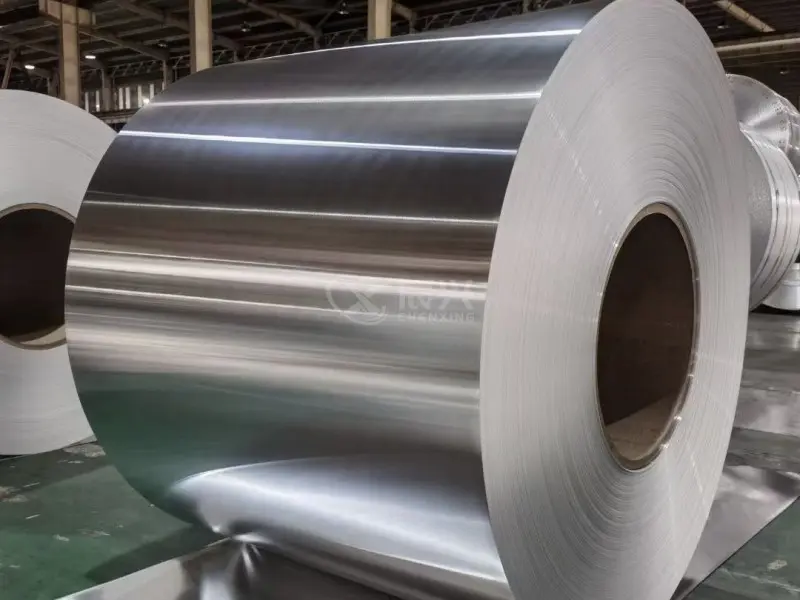
Stay informed with technical market shifts, dynamic export updates, and material science developments.
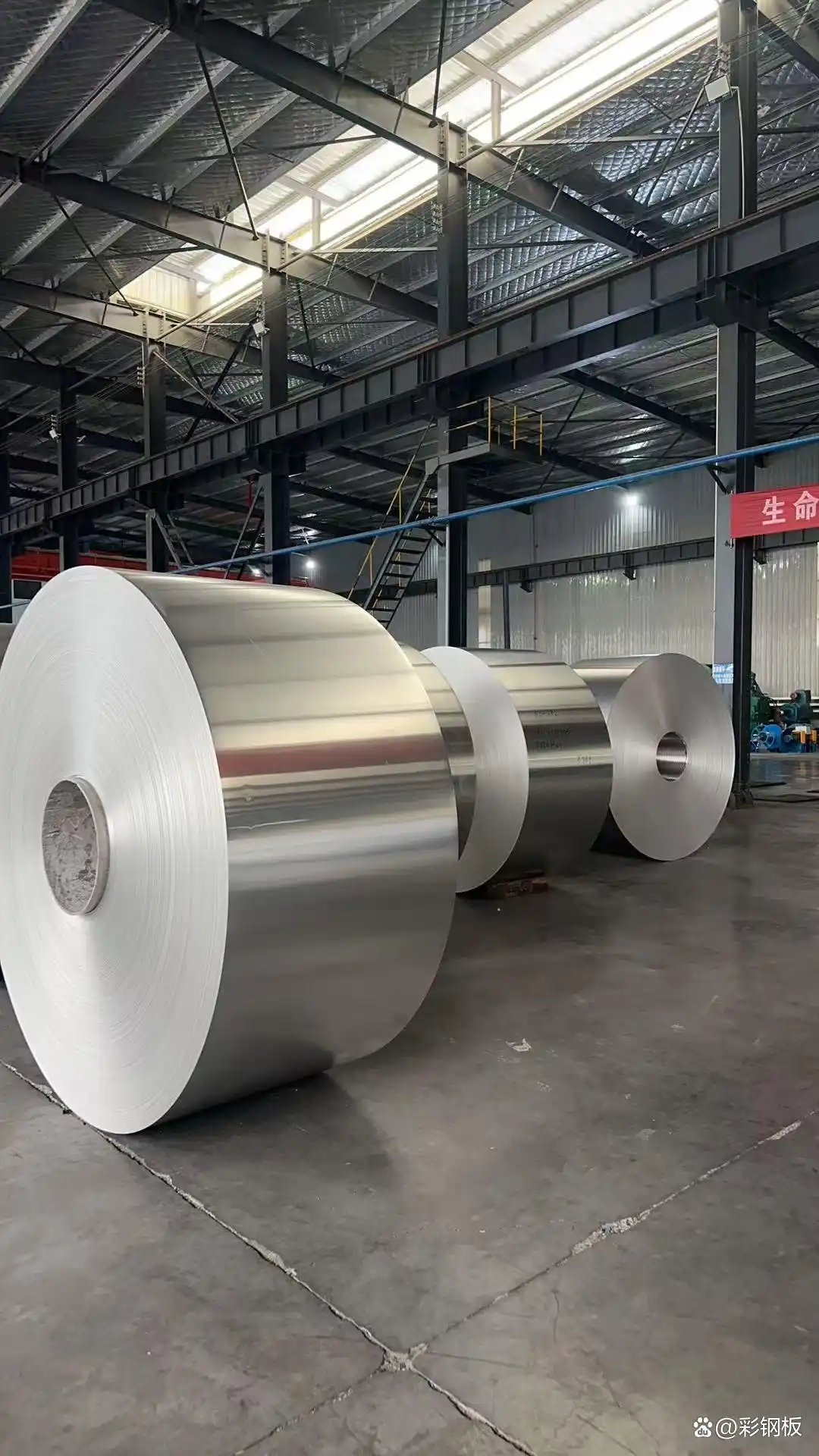
Connect with our metallurgists. We offer customizable sizing, precision tempers, and container-load optimization strategies.
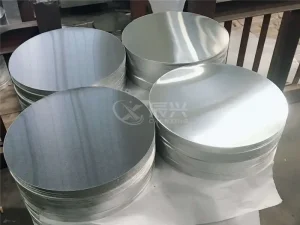
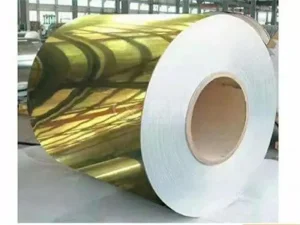
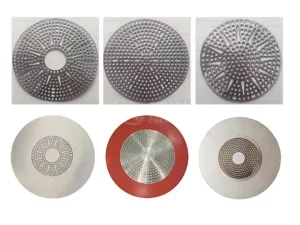
Examine our expanded line of precision foils, strips, circles, and reflective sheets.