1. Technical Paradigm of 5083 Aluminum Alloy: Metallurgical Overview
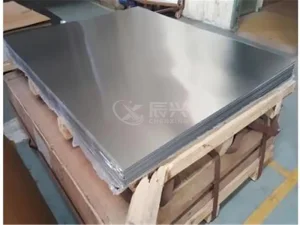
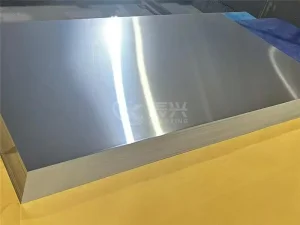
In the arena of modern engineering, the selection of metallic substrates dictates structural durability, weight efficiency, and long-term economic viability. Among non-heat-treatable aluminum-magnesium alloys, the 5083 aluminum sheet stands out as a high-performance material optimized for demanding applications. Categorized under the 5xxx series, this alloy is formulated with Magnesium (Mg) as its primary alloying element (typically ranging between 4.0% to 4.9%), augmented by trace elements of Manganese (Mn) and Chromium (Cr).
The metallurgical inclusion of magnesium provides solid-solution strengthening without inducing brittleness, enabling the material to maintain excellent ductility and workability. The chromium and manganese elements work synergistically to refine the grain structure and prevent grain boundary precipitation, which dramatically reduces the risk of stress corrosion cracking. This unique metallurgical composition equips 5083 aluminum plates with unmatched mechanical performance, outstanding weldability, and superior corrosion resistance, particularly when exposed to harsh alkaline and acidic environments, including marine saltwater.
Crucial Temper Designations: H116 vs. H321 vs. O Temper
For procurement specialists looking to buy 5083 aluminum sheets, specifying the correct temper is critical to alignment with design expectations:
- O (Annealed): Offers maximum formability and ductility, ideal for deep-drawing operations and components requiring extensive geometric deformation.
- H111: Work-hardened to a degree slightly less than that required for a full H11 temper, providing moderate strength with good formability.
- H116: Specifically engineered for marine applications. It is treated to produce a stable microstructure that prevents the continuous network precipitation of beta-phase magnesium-aluminum compounds along grain boundaries, thereby ensuring extreme resistance to intergranular and exfoliation corrosion.
- H321: Strain-hardened and stabilized. Similar to H116, it provides high strength and is widely qualified by marine registers (such as DNV, ABS, and Lloyd’s Register) for structural ship hull fabrication.
2. Global Procurement Demand Dynamics & Commercial Trends
The global transition toward carbon neutrality and energy-efficient transport systems has accelerated the demand for lightweight materials. High-strength aluminum sheets, especially the 5083 series, are central to this transformation. The global commercial landscape demonstrates a significant uptick in demand across several core sectors:
- Marine Engineering: The rapid growth of the LNG (Liquefied Natural Gas) trade relies heavily on 5083 plates. Its thermal properties allow it to remain highly stable and ductile at cryogenic temperatures (-162°C to -196°C), preventing catastrophic brittle fracture in containment vessels and storage tanks.
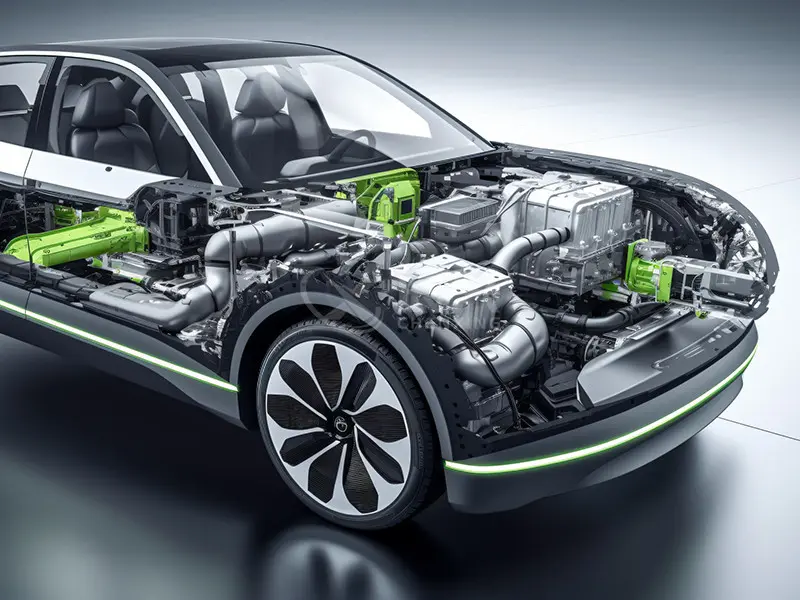
- Automotive Lightweighting: Automotive OEMs utilize 5083 sheets for structural components, chassis parts, and battery enclosures in Electric Vehicles (EVs). Minimizing vehicular curb weight directly extends battery range, making aluminum sheets highly sought after by tier-1 automotive suppliers.
- Aerospace & Defense: Aircraft tooling plates, armor cladding for military transport, and missile bodies utilize 5083 due to its high strength-to-weight ratio and ability to withstand ballistic impacts.
Procurement professionals must navigate dynamic market factors when selecting suppliers. LME (London Metal Exchange) price indexing, regional trade barriers, and shipping logistics require partnering with highly integrated manufacturers capable of offering consistent mill-direct supply lines and comprehensive material certifications.
Alloy Comparison: Mechanical and Corrosion Profiles
To assist technical buyers in selecting the appropriate material grade, the following matrix compares 5083 with other common alloys:
| Alloy Grade | Tensile Strength (MPa) | Yield Strength (MPa) | Corrosion Resistance | Primary Application |
|---|---|---|---|---|
| 5083 (H116/H321) | 275 - 350 | 125 - 200 | Outstanding (Saline Resistant) | Marine hulls, LNG tanks, pressure vessels |
| 5052 (H32) | 210 - 260 | 130 - 190 | Very Good | Sheet metal work, fuel tanks, electronics enclosures |
| 6082 (T6) | 290 - 310 | 250 - 260 | Good | Structural frames, trusses, high-stress designs |
| 1100 (O) | 75 - 105 | 25 - 75 | Excellent (Chemical) | Chemical equipment, decorative elements |