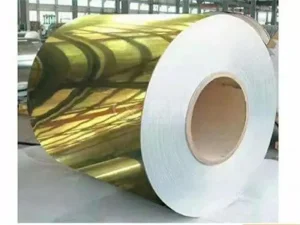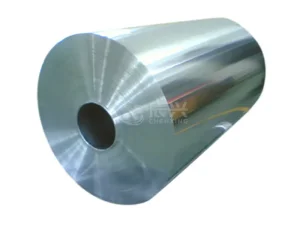
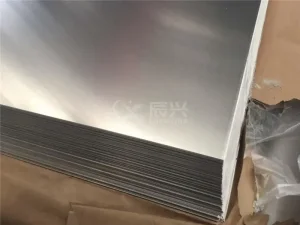
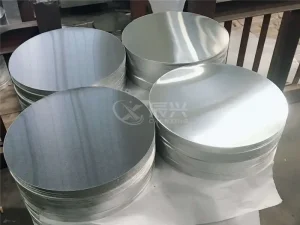


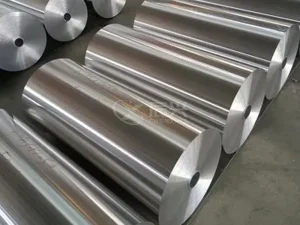
The global industrial and manufacturing sectors are experiencing an unprecedented transition toward materials that optimize the balance between mechanical load tolerance, durability, and corrosion resistance. Amidst this evolution, the 3003 Aluminium Sheet stands as a foundational pillar for key industries. Positioned as a non-heat-treatable Al-Mn alloy (3000 series), it offers roughly 20% higher mechanical strength than pure 1100 series aluminum while retaining exceptional weldability, workability, and corrosion resistance.
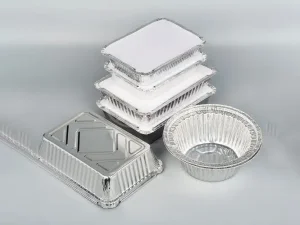
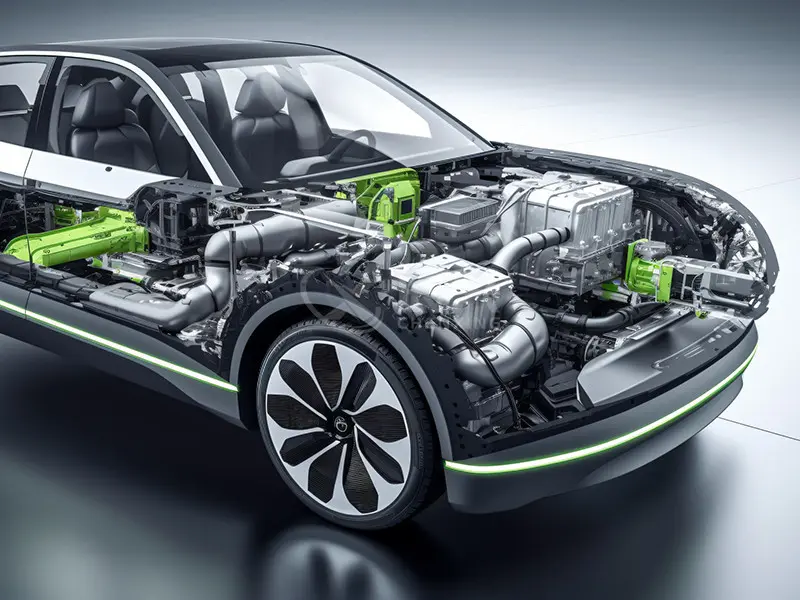
Currently, global consumption of 3003 aluminum alloy is dominated by regions experiencing rapid infrastructure development and high automotive demand, including North America, the European Union, and Asia-Pacific. The rise of green energy initiatives, smart cities, and thermal management demands in electric vehicles (EVs) has placed the 3003 alloy at the core of industrial designs. The alloy's ability to undergo extensive cold working, deep-drawing, and roll-forming makes it the preferred raw material for battery enclosure panels, chemical process containers, heat exchangers, and architectural facades.
The core performance of the 3003 aluminum alloy lies in its precise addition of Manganese (Mn) as the primary alloying element. Unlike copper or magnesium, manganese increases strength through solid-solution strengthening and dispersion of Al6Mn precipitate particles, preventing grain boundary sliding without decreasing corrosion resistance.
| Element | Manganese (Mn) | Copper (Cu) | Iron (Fe) | Silicon (Si) | Zinc (Zn) | Aluminum (Al) |
|---|---|---|---|---|---|---|
| % Content | 1.0 - 1.5% | 0.05 - 0.20% | 0.7% Max | 0.6% Max | 0.1% Max | Remainder |
By controlling these chemical compositions, our rolling mills produce sheets with highly uniform crystalline grains. Copper additions are managed carefully to guarantee optimal corrosion characteristics, making our 3003 sheets highly resistant to organic acids and industrial atmospheres.
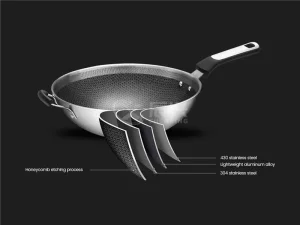
Ultimate elongation reaches up to 25-30%. Excellent for extreme deep-drawing processes, including the production of complex pots and cookware blanks.
Half-hard temper obtained via strain hardening. Striking a balanced ratio between high yield strength (approx. 115 MPa) and decent elongation (8-12%).
Strain hardened and partially annealed. Offers identical strength to H14 but provides slightly higher ductility and improved bend parameters.
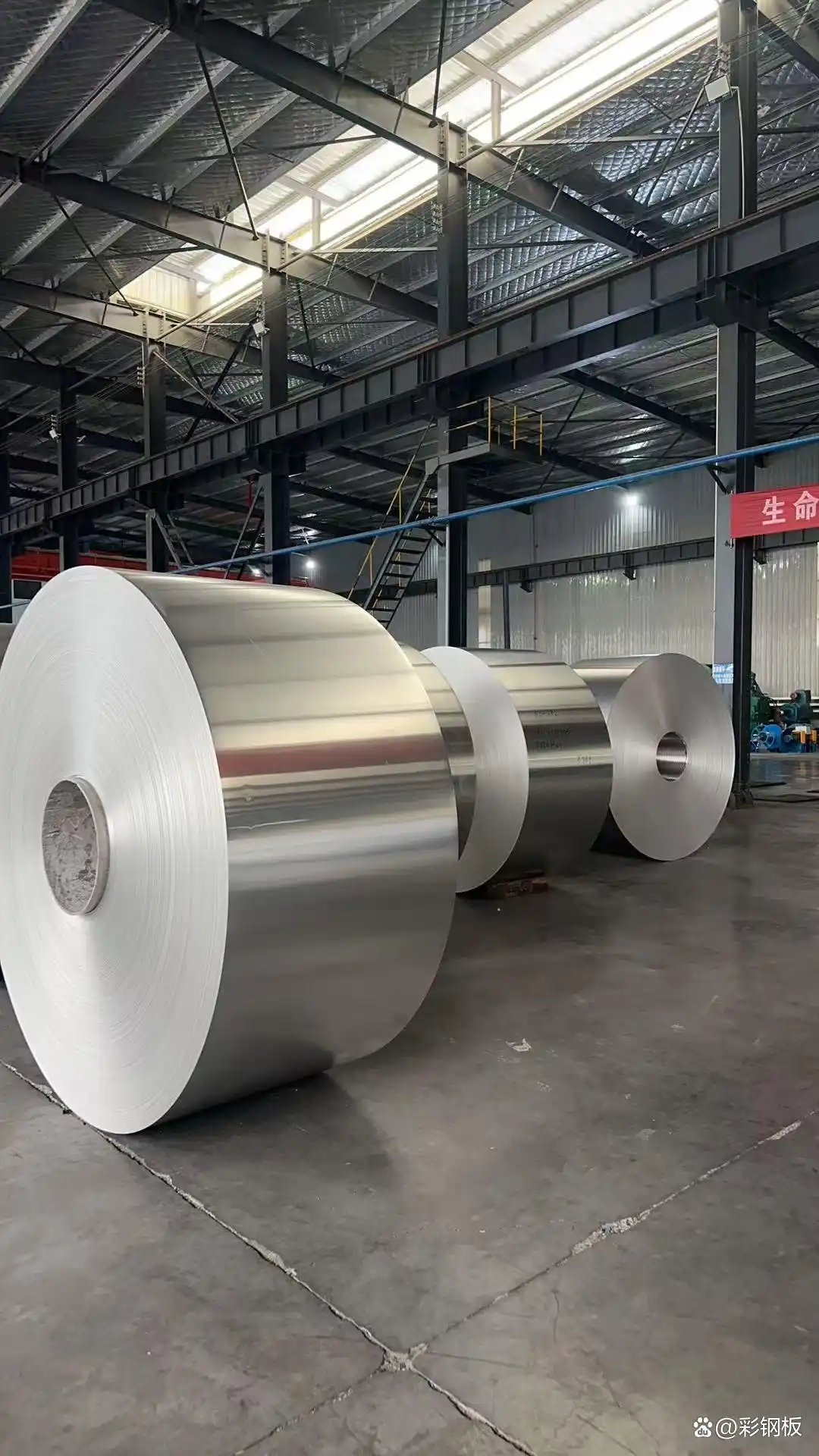
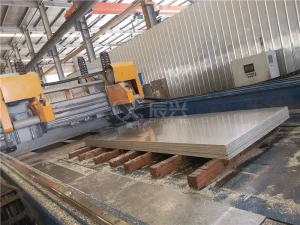
Top-tier factories produce 3003 aluminum sheets to comply with major international specifications, including ASTM B209, EN 485, and JIS H4000. The cold rolling technology route involves multi-pass reduction, continuous intermediate annealing, and tension leveling to achieve flatness down to 1-2 mm/m, which is essential for automated stamping and CNC punching.
Future roadmaps point to grain refinement via Titanium-Boron (Al-Ti-B) master alloys during the melting phase. This prevents fracturing during high-speed stamping operations, satisfying the strict requirements of automotive gigafactories and aerospace assembly lines.



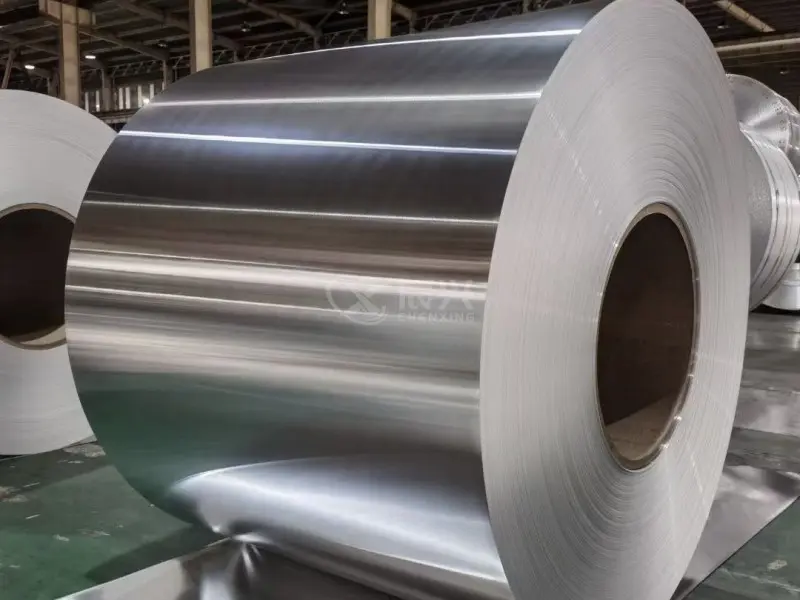
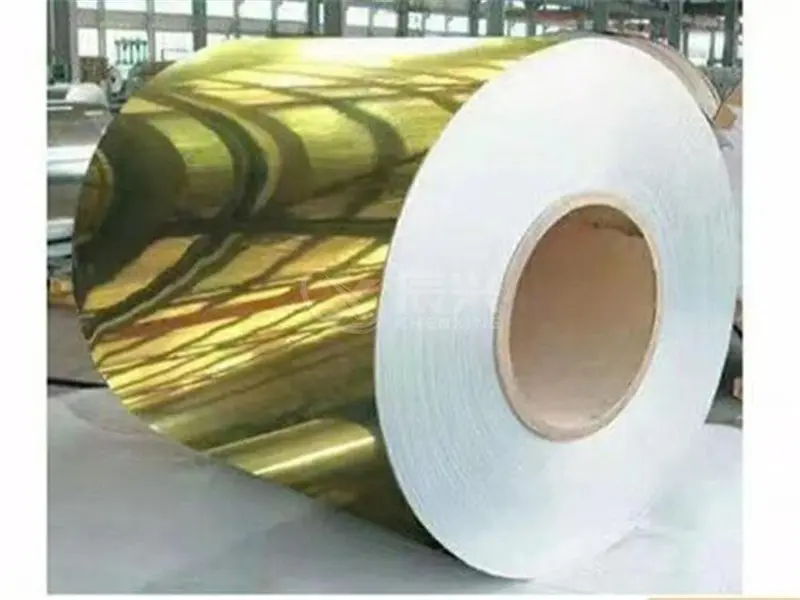
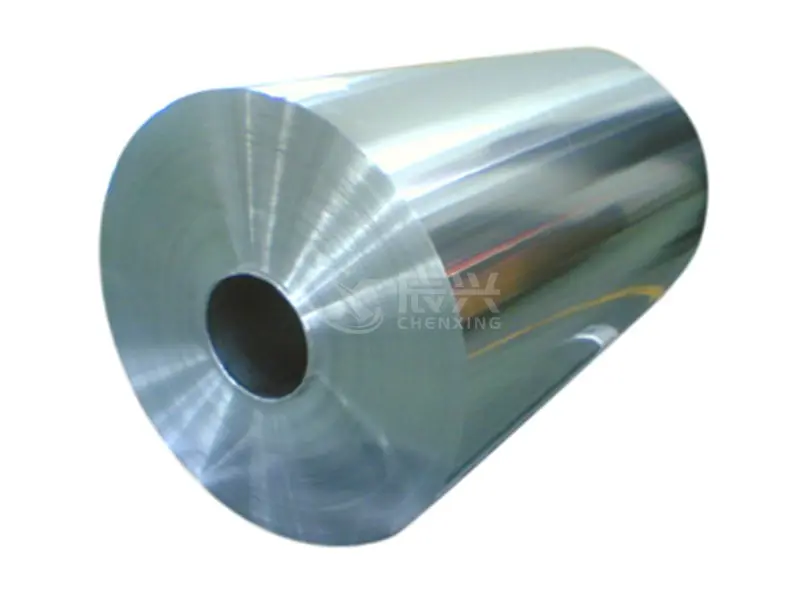
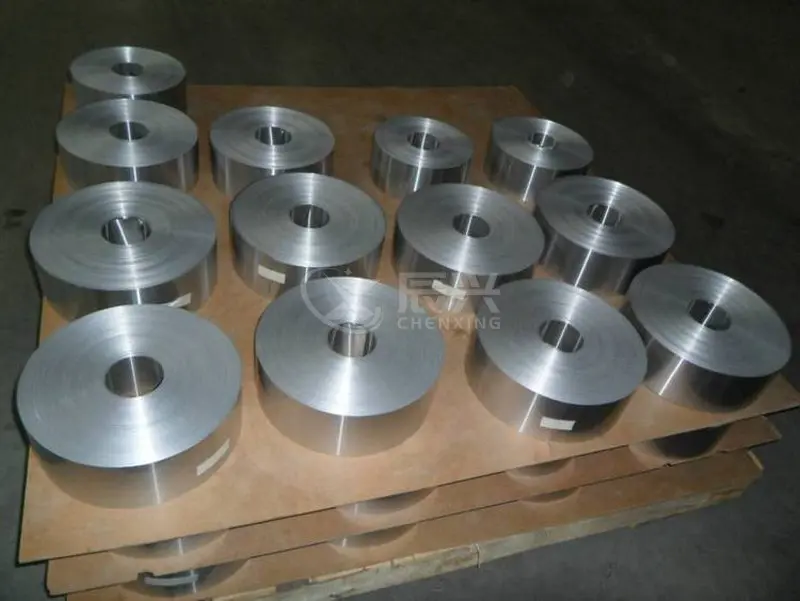
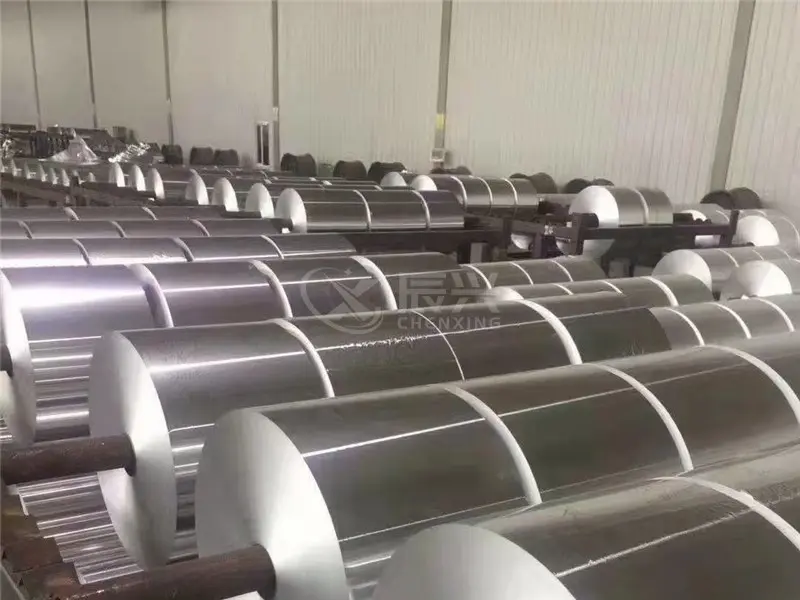
When purchasing 3003 aluminum sheet products, enterprise buyers must look beyond core pricing to evaluate the entire supply chain footprint. As a direct factory manufacturer, we optimize the production of 3003 alloys from raw bauxite sourcing down to precision slitting and packing. This prevents chemical deviations, surface scoring, and uneven edges.
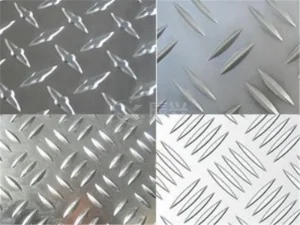
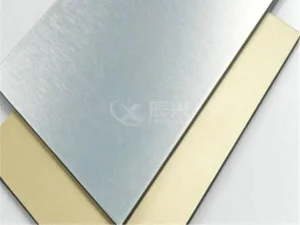
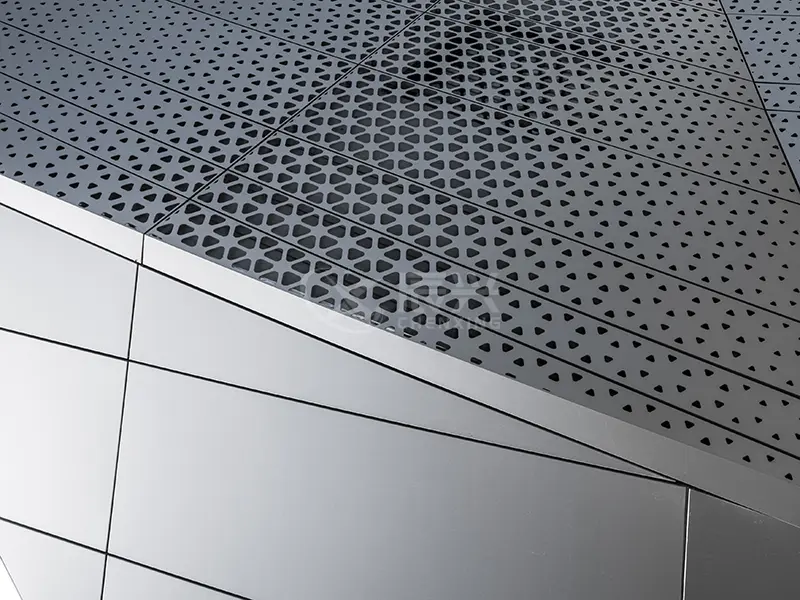
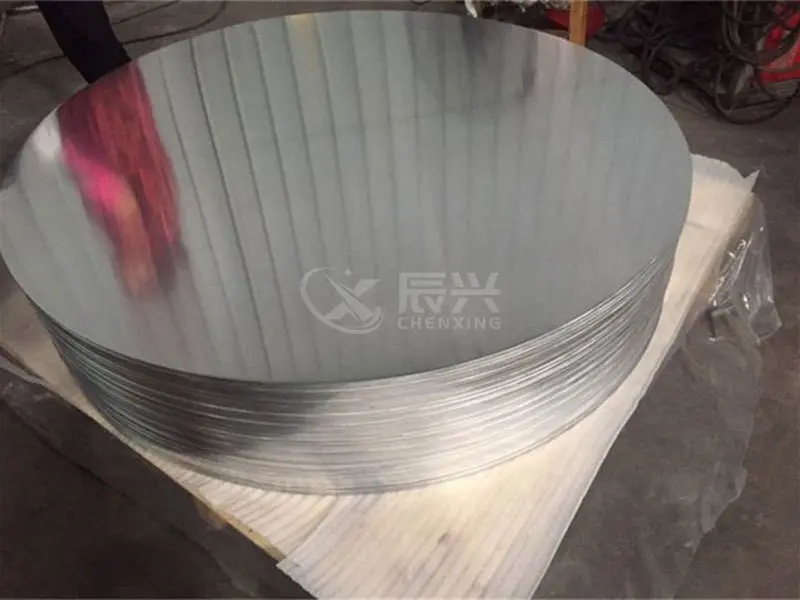
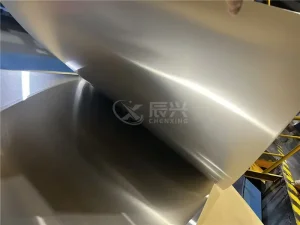
Our manufacturing setup features a continuous hot-rolling line (1+4) and advanced cold rolling mills, enabling output capacities that satisfy both bulk container orders and customized small-batch requirements. We offer tailor-made surface finishes, including mill finish, stucco embossed, mirror polished, and pre-painted PE/PVDF coatings.
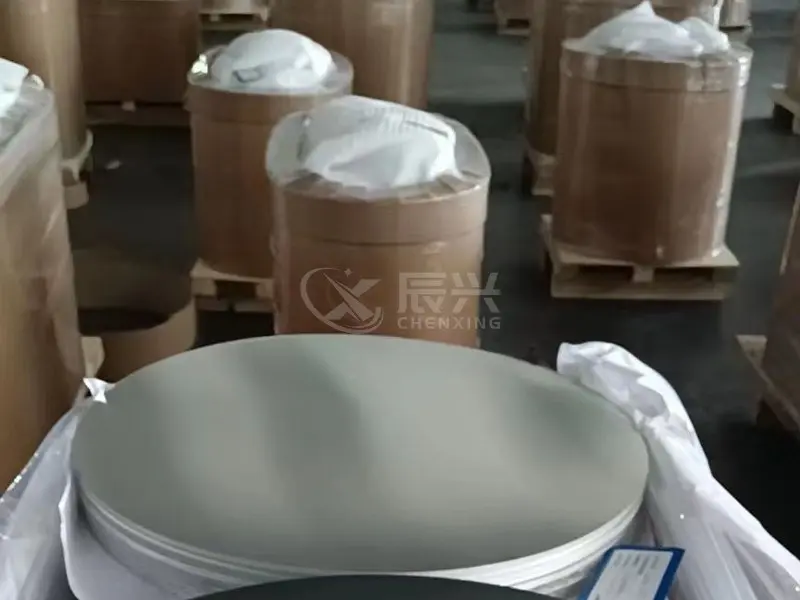
Our sheets are protected with protective PE film or paper interleaving, then packed onto strong, export-grade wooden pallets with steel bands to resist sea moisture and prevent transit damage.
Environmental footprint optimization is no longer optional. Modern engineering teams prioritize high recyclability when designing structural parts. 3003 aluminum represents a stellar circular metal model, as secondary (recycled) aluminum processing requires only 5% of the energy compared to smelting virgin bauxite.
By adopting closed-loop recycling structures, our factories reclaim process off-cuts, scrap metal, and turning chips. This recycled aluminum is re-alloyed without losing mechanical integrity, helping our global OEM customers achieve their scope-3 emission reduction goals.
Alloy 3003 contains 1.0-1.5% Manganese, which provides exceptional resistance to local pitting and chemical corrosion. In addition, its high ductility in O and H14 tempers allows manufacturers to easily weld, bend, and spin deep vessel shells without cracking under stress.
No, the 3003 alloy is a non-heat-treatable series. Its mechanical strength and hardness are increased solely through strain hardening (cold working) and stable annealing tempers like H14, H18, or H24.
We follow international specifications like ASTM B209 and EN 485. Standard thickness tolerance ranges from +/-0.02mm for thin sheets to +/-0.05mm for thicker plates. We can also accommodate tighter customized tolerances depending on your project needs.
Connect directly with our metallurgical engineers to discuss your projects. Get custom alloy specs, thickness parameter recommendations, and shipping schedules tailored to your business.