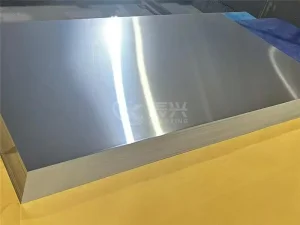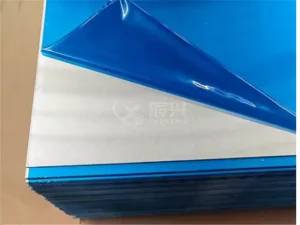
High-performance aluminum raw materials designed to withstand tropical coastal corrosion, optimized for local manufacturing, mining, and food preservation applications.

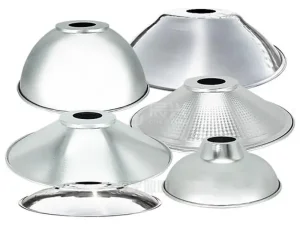

Ghana, positioned as a key economic powerhouse in West Africa, is undergoing a profound industrial transition. Driven by the national initiative of "One District One Factory" (1D1F), local enterprises are transitioning from basic commerce to robust domestic manufacturing. From agro-processing hubs in Kumasi to automotive assembly plants in the Greater Accra Region, the demands for durable structural metals—specifically high-grade aluminum alloys—have surged exponentially.
The tropical coastal climate of Ghana, characterized by high salinity and humidity in industrial zones like Tema, demands materials that provide superior corrosion resistance alongside high mechanical strength. Standard structural steels often succumb to fast atmospheric oxidation. Consequently, high-purity aluminum sheets (such as 1050 and 1100 alloys) and structural temper sheets (6082 T6, 5052) are becoming the primary materials of choice for architectural cladding, localized food storage fabrication, and industrial ductwork.
Strategic Economic Note: With the implementation of the African Continental Free Trade Area (AfCFTA) secretariat based in Accra, Ghana acts as the continental hub. Manufacturing products locally utilizing imported aluminum coils or circles allows businesses to scale exports to neighboring ECOWAS markets tariff-free, raising the stakes for raw material quality and supply chain consistency.
Globally, metal pricing and availability face structural shocks from geopolitical updates and volatile energy markets. Primary smelters in Europe face high overheads, leading to supply contractions. In contrast, Chinese advanced manufacturing ecosystems have stabilized the value chain, presenting global buyers with unprecedented reliability. Global sourcing procurement heads in major industrial companies are restructuring their sourcing channels, moving away from single-source geographical frameworks toward partners that offer integrated logistics, verifiable metallurgical tracking, and strict adherence to international standards (ASTM, EN, GB, and ISO).
The integration of Factory 4.0 paradigms within Chinese metallurgical mills has revolutionized the global aluminum supply chain. No longer defined simply by mass output, modern Chinese mills utilize closed-loop feedback systems where automated thickness gauges, smart surface defects detection cameras, and online chemical analysis ensure zero-defect material outputs. For Ghanaian manufacturing enterprises, this translates into direct cost savings:
Explore our complete range of certified aluminum solutions, designed for construction, industrial HVAC, electronic design, and specialized food packaging applications.
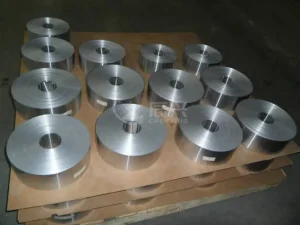
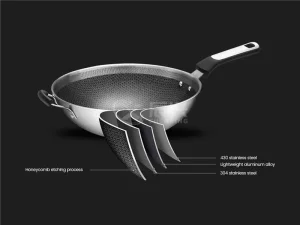
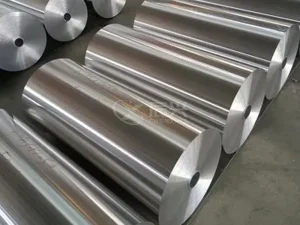
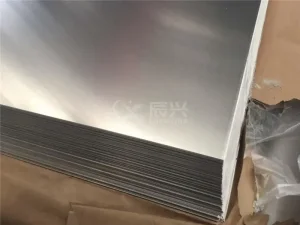
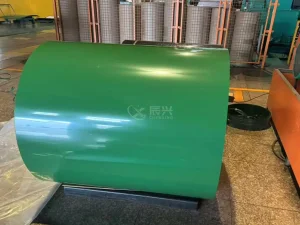
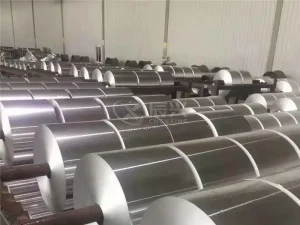
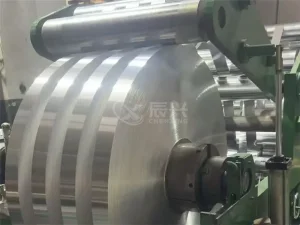
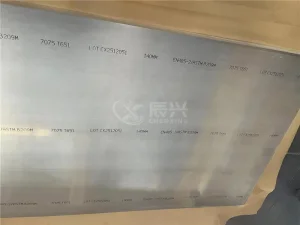
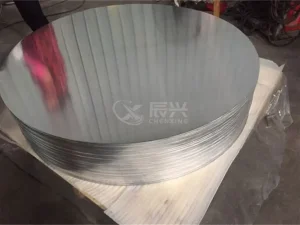
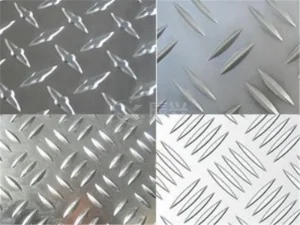
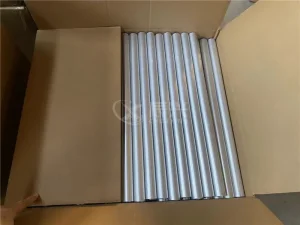
From architectural developments in East Legon to industrial fisheries in Elmina, see how specific aluminum grades fuel national progress.

Ghana's developing transport corridors use light-weight, high-strength structural profiles for truck body assembly, reducing fuel consumption and increasing payloads.
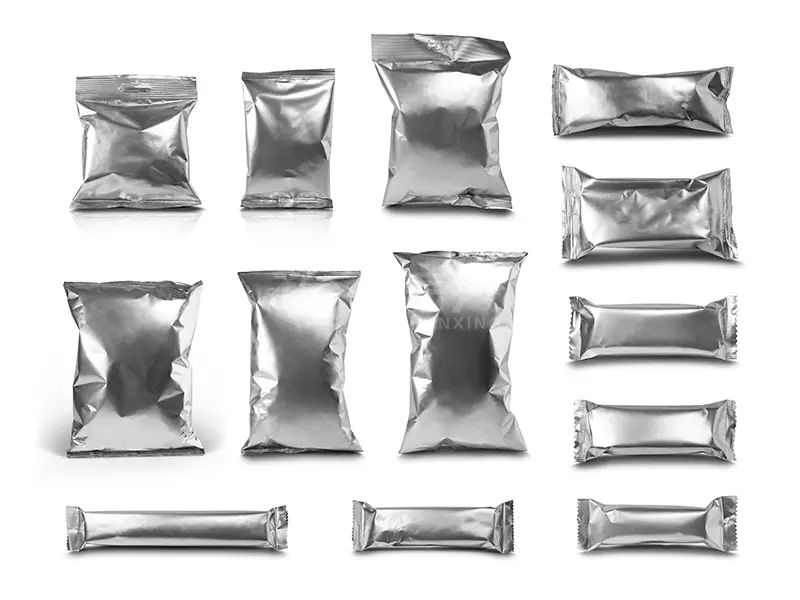
High-reflectivity foils and non-toxic food-grade containers protect local agricultural yield (cocoa-related processed products, tropical fruits) for export and local sales.
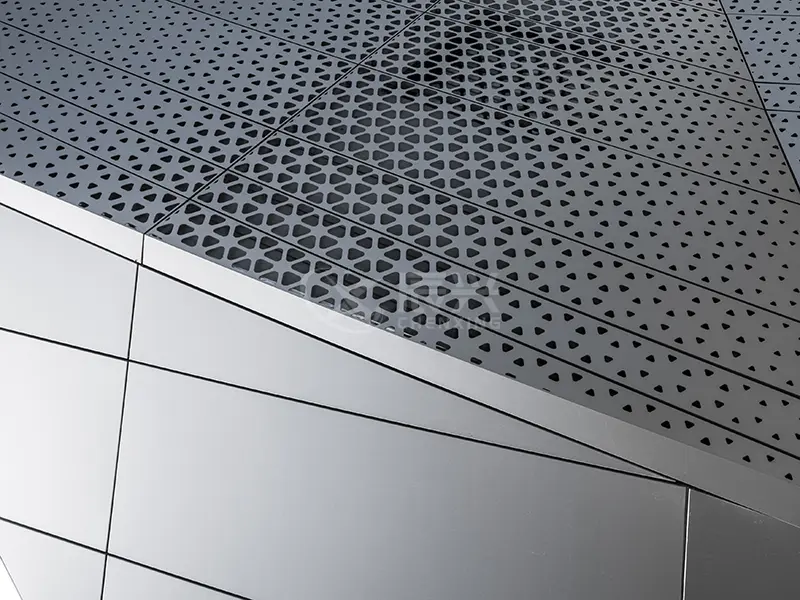
PVDF-coated coils provide crucial resistance to salt-spray atmospheric corrosion along coastal developments, ensuring 20+ year architectural structural integrity.
Stay informed with the latest updates from our engineers on manufacturing technologies and shifts in global metal markets.
Our production facilities report a 25% year-on-year increase in output, supplying high-precision alloys to growing markets across sub-Saharan Africa.
Read Full Report →
With global green energy transformations scaling, the demands for high-purity aluminum foil for energy storage cells have hit historic highs.
Read Full Report →
Structural building rules globally mandate lower carbon footprints, accelerating the adoption of recycled aluminum coils in major construction projects.
Read Full Report →Direct answers to the most common logistic, quality, and commercial inquiries from West African engineers and supply managers.
For structural projects, high-humidity, and marine-saline coastal settings in Ghana, 5052 or 6082 T6 alloys are highly recommended. They contain magnesium and silicon additions that naturally form a dense, protective oxide surface layer, protecting the underlying substrate from saline atmospheric corrosion.
Typical ocean shipping transit times range from 35 to 45 days. We coordinate closely with global carriers (such as MSC, Maersk, and COSCO) to ensure safe stowage, using advanced anti-moisture silica gel desiccant packs inside the sealed product wraps to completely avoid transit corrosion.
Yes, absolutely. All our food-grade aluminum containers, packaging foils, and household foils are certified compliant with FDA, SGS, and LFGB international directives. This guarantees zero heavy metal migration under standard processing temperatures.
If any quality variance is reported, our system triggers the 8D Problem Solving Methodology: D1-D3 (Team formation, problem description, containment action in 24 hours), D4-D5 (Root cause analysis, corrective action validation), D6-D8 (Permanent action implementation, prevention of recurrence, team closure approval).
Connect directly with our metallurgical engineers to configure your custom alloy sizing, request formal quotes, or discuss bulk pricing structures optimized for the Ghanaian market.
Send Inquiry Now