
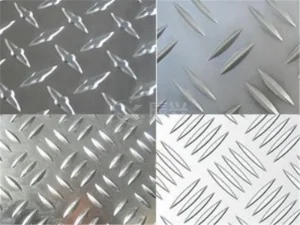
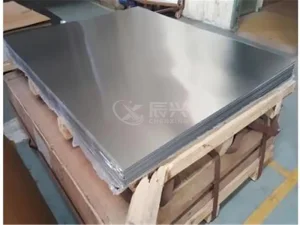
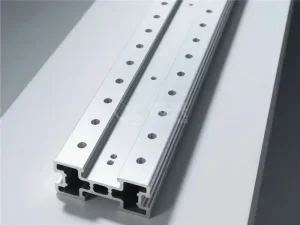
Embossed aluminum—particularly stucco and diamond-patterned plates—is experiencing a significant surge in demand across global industrial sectors. Driven by its enhanced rigidity, light-diffusing surface, and exceptional thermal dissipation characteristics, it has transitioned from a niche architectural choice to a critical engineering material. In the West African Economic and Monetary Union (UEMOA) region, the industrial modernization of logistics networks and cold chain development has accelerated this shift.
As Benin establishes itself as a regional transit powerhouse through the expansion of the Port of Cotonou and the development of the Glo-Djigbé Industrial Zone (GDIZ), local manufacturers require robust materials capable of withstanding severe conditions. Imported Chinese premium-grade stucco embossed sheets provide the ideal combination of mechanical strength, anti-condensation functionality, and localized durability.
High salinity along the Atlantic coast requires heavy-duty oxide layer protection offered by 3003/5052 alloys.
Stucco patterns increase surface area, improving cooling performance for cold rooms and ventilation ducts.
Benin's domestic market is undergoing an unprecedented structural transition. Key investments in transit corridors connecting Cotonou to landlocked hinterlands (such as Niger, Burkina Faso, and Mali) have generated substantial demand for refrigerated trailers, warehouses, and structural framing. Simultaneously, residential and commercial real estate development in urban centers like Porto-Novo and Parakou is driving demand for advanced thermal barrier roofing sheets.
Industrial builders are actively steering away from low-quality galvanized iron (which corrodes within 2-3 years under tropical marine spray) in favor of high-durability alloyed aluminum. The introduction of the Glo-Djigbé Industrial Zone (GDIZ) has created local processing and packaging units, requiring food-grade aluminum packaging containers and custom structural panels that align with strict international hygiene and durability guidelines.
Benin's export-driven agricultural sector (especially cashew fruits, pineapples, and coastal marine products) relies heavily on cold chains. Stucco embossed aluminum sheet linings inside cold storage facilities and refrigerated shipping containers maximize hygiene and reflectivity while preventing frost accumulation.
The Cotonou oceanfront experiences high concentrations of marine chloride aerosols. Corrugated and stucco-embossed roofing sheets effectively scatter harsh tropical sunlight while forming a dense, self-healing oxide barrier that prevents micro-pitting and rust under high UV conditions.
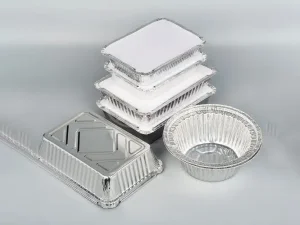
As localized food production scales up within GDIZ, the need for sterile, lightweight, and durable containers is paramount. High-purity alloyed sheet stocks feed continuous manufacturing lines that output stamp-molded aluminum containers, preserving food fresh-keeping capabilities.
The future of embossed aluminum in West Africa is closely linked to sustainable manufacturing and low-carbon metallurgical pathways. By 2030, global carbon taxes and eco-label requirements will demand that import-driven construction in Benin utilizes recycled aluminum profiles.
Our manufacturing plants in China are transitioning to green smelting processes, utilizing solar and hydroelectric energy to power smelting pots. Furthermore, our development of ultra-deep stucco embossing rollers allows us to reduce sheet thickness by 10% while maintaining the exact structural strength of thicker, non-embossed alternatives. This represents a significant material cost saving for importers while meeting ecological guidelines.
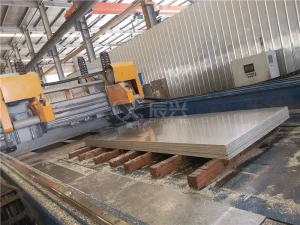
Navigating procurement cycles for large-scale logistics operations in Cotonou requires more than just high-quality products; it demands supply chain stability. Our integrated factory setups in China ensure end-to-end control, starting from raw bauxite refining up to the precision micro-rolling processes.
Through continuous casting and hot-rolling technology, we eliminate surface defects and micro-pores that typically cause stress cracking during transport. By managing high-volume maritime contracts with major ocean carriers, we guarantee consistent shipping schedules to the Port of Cotonou. This direct routing minimizes port demurrage and optimizes supply lines for Beninese infrastructure distributors.
Every batch shipped to West African destinations undergo strict testing:
Importing industrial-grade materials into Benin involves navigation of both customs compliance and trade policies. Our dedicated international trade office is fully integrated with regional West African regulatory networks, ensuring a hassle-free import cycle.
We coordinate directly with COTECNA inspectors to obtain the mandatory pre-shipment certifications (BIVAC/COTECNA evaluation verification) before containers leave Chinese port yards. By providing detailed packaging specifications and Harmonized System (HS) Codes aligned with ECOWAS Common External Tariffs (CET), we prevent customs valuation disputes at the Port of Cotonou. This localized support ensures minimal cargo delays and eliminates unexpected financial surcharges at destination ports.
Our standard manufacturing lead time is 15-20 days from deposit verification. Transit times via maritime shipping routes from Qingdao, Shanghai, or Ningbo ports to Cotonou Port typically range between 35 to 45 days. We provide comprehensive tracking codes for the entire voyage.
For roofing, cladding, and environments within 5 km of the oceanfront, we strongly recommend the 3000 series (specifically 3003-H14 or 3004) and the 5000 series (5052 or 5083 for marine projects). These alloys contain manganese and magnesium, which offer outstanding resistance to airborne salt and humidity compared to the standard 1000 series.
Yes. All of our structural aluminum materials shipped to West Africa are tested and certified to ISO 9001:2015 and comply with COTECNA/BIVAC pre-shipment inspections required under Beninese customs regulations. We prepare the complete documentation kit (MBL, packing list, certificate of origin, commercial invoice, and inspection reports) for smooth clearance.
Our standard MOQ for custom stucco embossed aluminum sheets or coils is 5 metric tons per specification. For standard stock sizes, we can occasionally accommodate smaller batches. Please consult our technical sales team for custom volume setups.