

Introduction: Sourcing Aluminum Strips in Japan
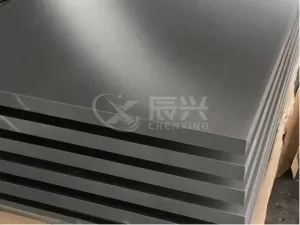
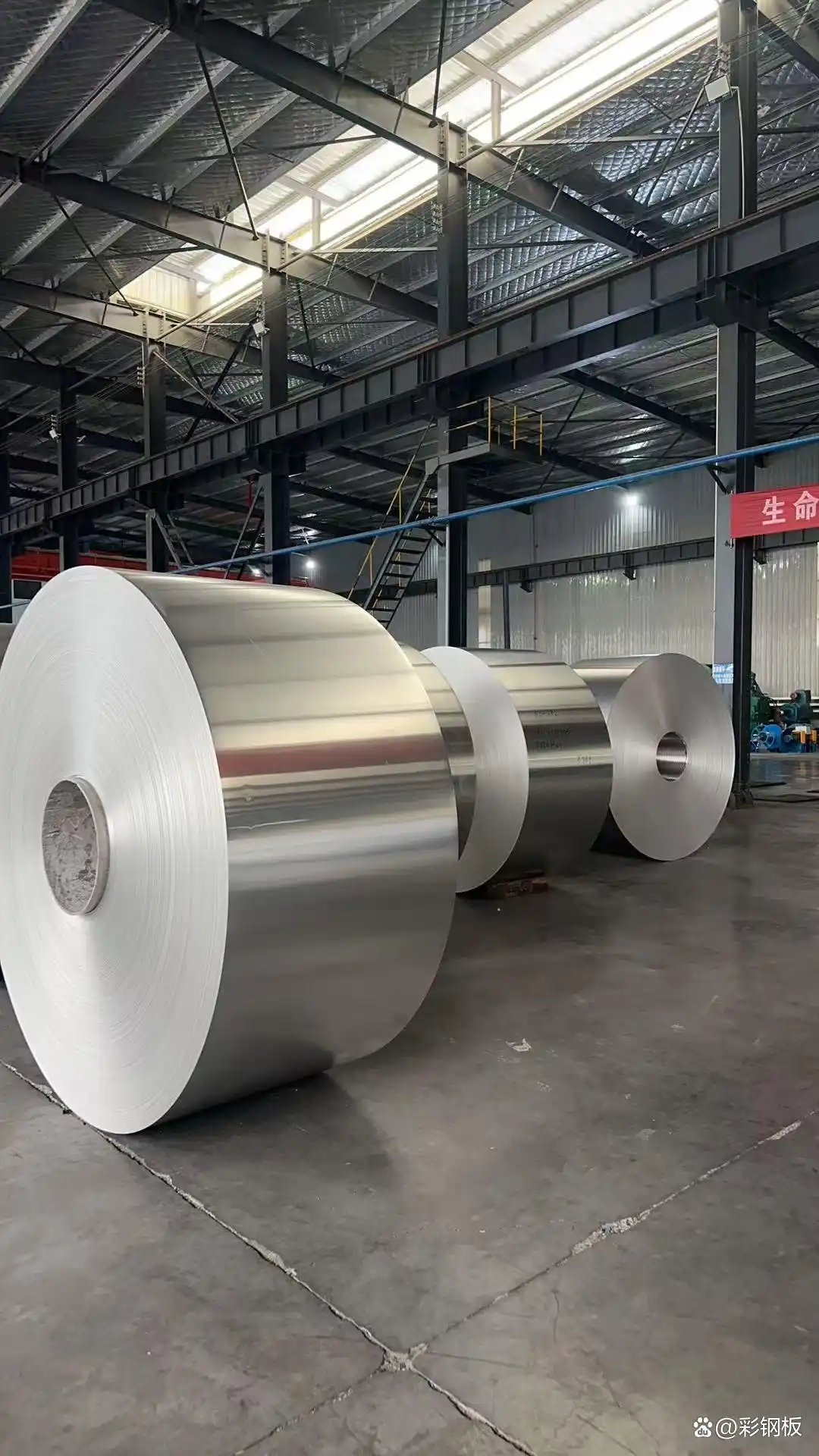
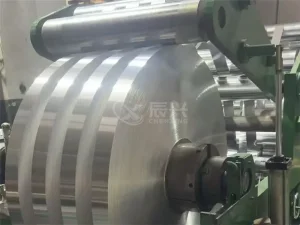
The industrial ecosystem in Japan has long been a global benchmark for engineering precision, technological refinement, and strict quality control. From the micro-electronics manufacturing hubs in Tokyo and Kanagawa to the massive automotive assembly lines in Aichi, the demand for high-grade non-ferrous metals remains intensely competitive. Among these, the **aluminum strip** has emerged as an indispensable material component. Known for its lightweight structure, exceptional electrical conductivity, corrosion resistance, and thermal efficiency, it is widely utilized across specialized sectors including electric vehicle (EV) battery packs, precision slitted heat exchangers, and architectural building systems.
This whitepaper analyzes the current status of aluminum strip applications in Japan, traces the engineering requirements set by Japanese Industrial Standards (JIS), and details the technological roadmap that shapes the future of modern metallurgy. For procurement directors and design engineers, securing a supply chain that balances JIS H 4000 mechanical performance with the economic efficiency of advanced rolling mills is paramount to operational resilience.
1. Industrial Landscape of Aluminum Strip Applications in Japan
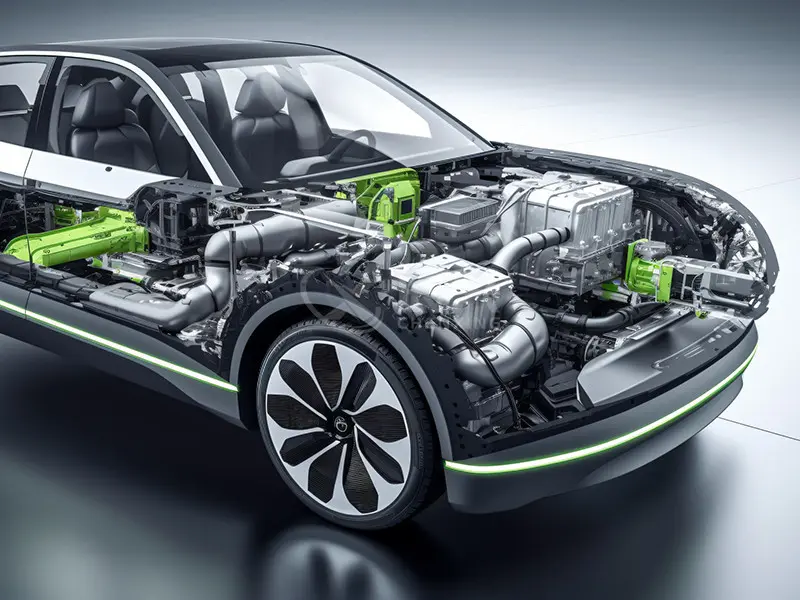
Japan’s high-precision manufacturing relies heavily on sub-millimeter metal forming. In the modern automotive sector, particularly with the rapid adoption of New Energy Vehicles (NEVs) and EVs, aluminum strips are the foundational substrate for battery casing terminals, busbars, and internal battery cooling plates. The typical mechanical stress and electrochemical exposure inside lithium-ion battery modules necessitate strips with exceptionally tight gauge control, flat profiles, and minimal burrs.
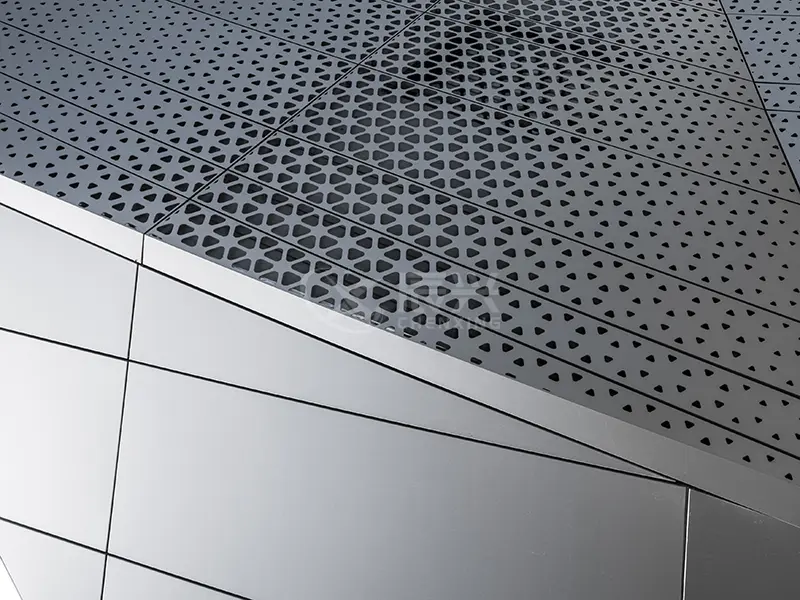
In the electronics and electrical engineering industries, Japanese companies require ultra-thin aluminum foil and strip coils for capacitors, flexible flat cables (FFC), and electromagnetic shielding. These applications demand high chemical purity (often exceeding 99.5% for 1050 or 1060 alloys) to guarantee electrical performance and structural longevity. Additionally, the construction industry utilizes heavier-gauge pre-painted or brushed aluminum strips for weather-resistant exterior siding, window flashings, and suspended ceilings, ensuring conformance to strict Japanese fire safety regulations and coastal building codes.
“Precision is not an option in the Japanese industrial supply chain—it is a pre-requisite. A variation of even 5 microns in strip thickness can lead to processing failures in high-speed stamping presses.”
2. Decarbonization & Green Transformation (GX) Technology Roadmap
As the government of Japan pursues its ambitious Green Transformation (GX) program targeting carbon neutrality by 2050, the carbon footprint of primary raw materials is under intense scrutiny. Leading Japanese OEMs are actively seeking suppliers who offer "Low-Carbon Aluminum" options. This demands a technology roadmap focused on:
- Closed-Loop Recycling Integration: Utilizing scrap alloy sorting and clean melting techniques to drastically reduce energy consumption during primary smelting.
- Process Optimization: Employing direct chill (DC) casting and continuous casting (CC) lines powered by renewable energy sources.
- Hydrogen and Electric Heating: Replacing traditional natural gas burners in annealing furnaces with low-emission alternatives to limit Scope 1 carbon output.
These metallurgical innovations ensure that finished aluminum products conform to green procurement guidelines implemented by tier-1 automotive suppliers and global consumer electronics brands operating within Japan.
3. Macro-Industry Engineering Solutions
Understanding which aluminum alloy fits a specific mechanical challenge is key to successful industrial design. We offer a comprehensive suite of alloys classified by their mechanical and physical properties:
1xxx Series (Pure Aluminum Alloys - 1050, 1060, 1100)
Characterized by high electrical conductivity (minimum 61% IACS) and exceptional formability. These are optimized for transformer windings, capacitor casings, and deep-drawing components. Their high chemical purity prevents degradation in aggressive electrical fields.
3xxx Series (Al-Mn Alloys - 3003, 3105)
Containing manganese additions to increase mechanical strength while maintaining good ductility. These alloys are highly resistant to corrosion and are widely selected for air conditioning condenser tubes, radiator fins, and architectural cladding systems subjected to high environmental exposure.
5xxx Series (Al-Mg Alloys - 5052, 5083)
Offering superior structural strength, excellent weldability, and resistance to marine corrosion. Ideal for heavy-duty marine applications, structural railway panels, and critical pressure vessels within the chemical processing sector.
8xxx Series (Specialty Alloys - 8011)
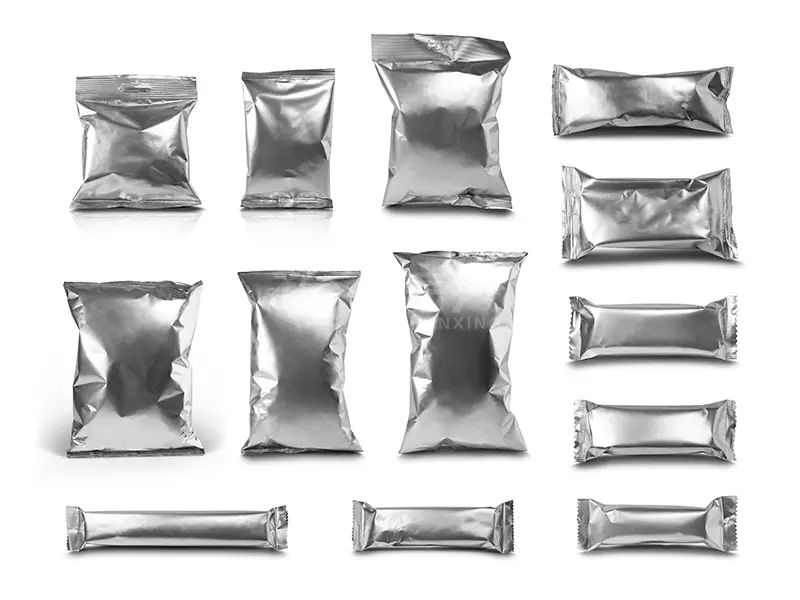
Highly customized for ultra-thin gauge applications, providing improved tensile strength and elongation in foils under 50 microns. Primarily utilized in food packaging, pharmaceutical closures, and battery anode current collectors.
4. Localized Support, Quality Control, and JIS Standard Compliance
Sourcing metallic raw materials internationally requires strict alignment with domestic Japanese manufacturing benchmarks. Chief among these is **JIS H 4000** (Aluminum and aluminum alloy sheets, plates, strips, and coiled sheets) and **JIS H 4100** (Aluminum and aluminum alloy extruded shapes). These standards dictate exact mechanical tolerances, chemical compositions, and grain size distributions.
To support Japanese clients, our manufacturing lines maintain rigorous testing protocols:
- Tensile & Elongation Testing: Conducted on universal testing machines to guarantee the exact yield strength needed for downstream cold forming.
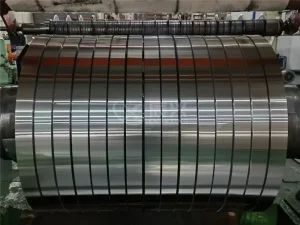
- Dimensional Micro-Tolerances: Utilizing automated non-contact laser measurement systems across the slitting lines to ensure thickness variations remain within ±0.01 mm.
- Surface Defect Inspections: Automatic optical inspection (AOI) systems scan the moving strip surfaces to identify and tag pinholes, oil stains, roll marks, or edge defects.
- Regulatory Documentation: Providing fully traceble mill test certificates (MTC) in accordance with EN 10204 3.1, coupled with full compliance documentation for RoHS, REACH, and Conflict Minerals.
5. Smart Manufacturing (Factory 4.0) & Supply Chain Resilience
By leveraging advanced Factory 4.0 technologies, we bridge the gap between overseas manufacturing efficiency and localized Japanese expectations. Our rolling mills utilize closed-loop Hydraulic Automatic Gauge Control (AGC) systems to monitor strip thickness in real time. This ensures absolute uniformity from the outer wrap to the core of the coil.
Supply chain resilience is maintained through key ports of entry including Tokyo, Yokohama, Nagoya, and Osaka. By offering structured inventory management solutions, such as consignment stock or localized warehousing partnerships, we insulate our clients from logistics volatility, ensuring a constant, reliable feed of material directly to Japanese production facilities.