
Engineered to exceed ASTM and EN standards, featuring micro-level gauge accuracy and optimized grain alignment.
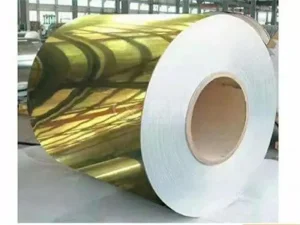
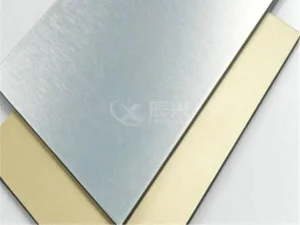
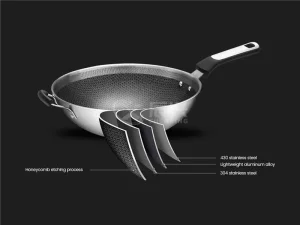
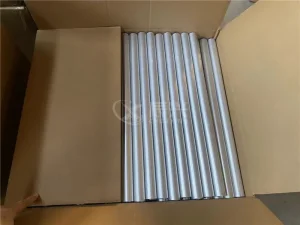
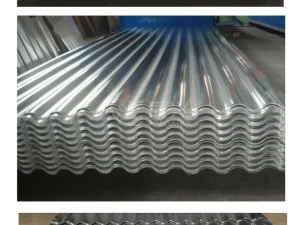
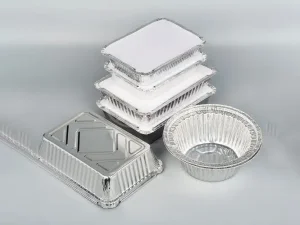
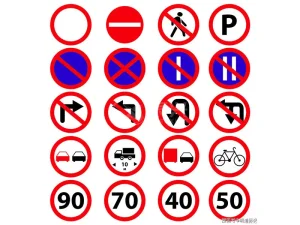
A comprehensive view of our manufacturing capacities, exporting pathways, and custom technology solutions.
Detailed insight into how rolling mill operators manage mechanical parameters and logistics routes.
The global industrial sector is undergoing a rapid transition toward lighter, more recyclable structural components. Rolled aluminium stands at the center of this transformation. As rolling mill technology progresses from conventional hot rolling to high-speed, continuous cold rolling lines, manufacturers are pressed to maintain exceptionally tight tolerances. In high-demand sectors such as consumer electronics, aerospace, and energy storage, the uniformity of the crystal lattice and the absence of surface anomalies are critical factors.
China's rolling mill sector has transitioned from volume-driven production to highly specialized, precision metallurgy. Modern factories feature German-engineered SMS Siemag rolling mills, equipped with Advanced Flatness Control (AFC) and Automatic Gauge Control (AGC) systems. These technologies monitor strip thickness in real time, making micro-adjustments to the rolling force every millisecond to prevent gauge variation across the width of the sheet.
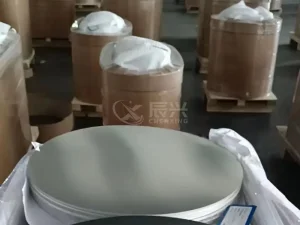
By controlling grain growth during the intermediate annealing stages, Chinese manufacturers supply products with optimal mechanical properties. For example, deep-drawing quality circles (such as alloys 1050 and 3003) achieve high elongation parameters without suffering from "earing" defects during manufacturing. This balance between mechanical tensile strength and structural malleability is critical for multi-ply cookware and high-speed stamping operations.
| Alloy Family | Common Tempers | Tensile Strength (MPa) | Elongation (%) | Primary Applications |
|---|---|---|---|---|
| 1050 / 1060 | O, H14, H24, H18 | 60 - 145 | ≥ 30 (O temper) | Road signs, electrical conductors, cookware, reflectors |
| 3003 / 3105 | O, H14, H24 | 95 - 200 | ≥ 25 (O temper) | Deep-drawn cookware, roofing, HVAC fins, heat shields |
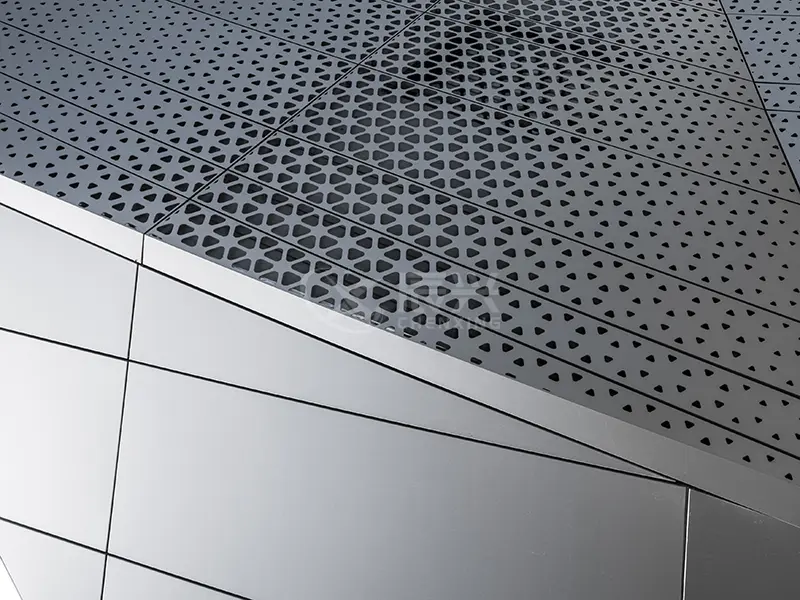
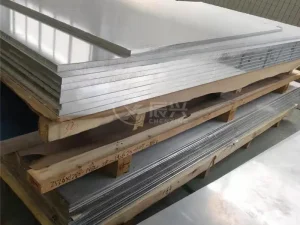
| 5052 / 5754 | O, H32, H34, H111 | 190 - 290 | ≥ 18 | Marine equipment, automotive chassis, electronic enclosures |
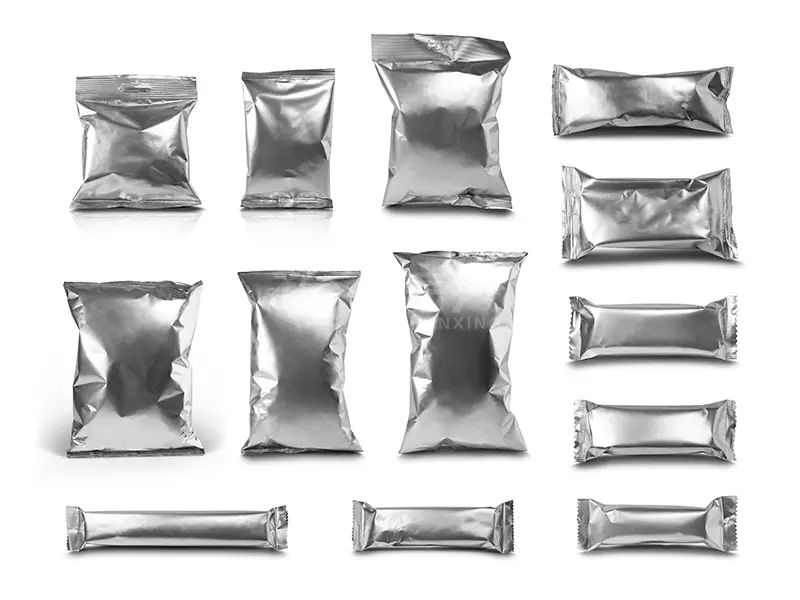
| 8011 | O, H18, H22 | 80 - 165 | ≥ 20 (O temper) | HVAC ducting, packaging foil, PEX pipe barrier liners |
How vertical integration and optimized logistics insulate global buyers from pricing and shipping volatility.
The primary competitive advantage of Chinese rolling mill suppliers lies in localized vertical integration. Many processing facilities are located close to primary smelting operations, allowing for the direct transfer of molten aluminum to holding furnaces. This method cuts out the energy-intensive process of re-melting cold ingots, lowering carbon output and reducing manufacturing overhead.
This energy efficiency translates to direct savings for the end customer, alongside a faster production cycle. Direct liquid transfer also prevents secondary oxidation during ingot reheating, resulting in cleaner metal structures with fewer pinholes and inclusions in the final sheet.
With established transport routes to major global ports like Qingdao, Shanghai, and Ningbo, export shipments move smoothly from factory to port. Standardized logistics partnerships reduce port-side delays and ensure container handling is managed efficiently.
For global buyers, this logistics structure reduces lead times by up to 20 days compared to landlocked suppliers. It also allows for reliable schedules for sea transit, helping businesses manage their inventory levels with confidence.
A look at the integration of green energy, automatic control systems, and next-generation alloys.
Integrating AI models with traditional AGC systems allows the mill to anticipate thickness deviations before they occur. By reading parameters such as entry temperature, coil tension, and roll speed, neural networks adjust hydraulic actuators in real time, keeping gauge tolerances within ±1% of nominal thickness.
New processing routes are designed to handle up to 80% post-consumer scrap without sacrificing mechanical performance. Advanced melt-refining systems filter out trace impurities, allowing recycled-content 3xxx and 5xxx series alloys to meet the same standards as virgin metal.
Developing multi-metal composite systems (like tri-ply clad discs) is essential for induction-compatible cookware and battery cooling plates. Dynamic hot-roll bonding ensures strong bonding interfaces between layers, preventing separation under thermal stress.
From heavy transit projects to consumer electronics, our alloys are tailored for specific mechanical challenges.




Ensuring traceabilty from the liquid metal furnace to the final delivered coil.
Operating in international markets requires adherence to strict quality control and verification standards. Modern production processes are certified under ISO 9001:2015 and IATF 16949, the automotive quality standard. This certification requires a complete audit trail for chemical composition and mechanical properties for every master coil produced.
During production, inline optical inspection systems scan 100% of the strip surface on both sides to locate and log minor defects like pinholes, roll marks, or scratches. In foil production, online eddy current testers detect microscopic holes that could compromise the barrier properties of food-grade containers or PEX pipes.
For environmental compliance, our products are certified lead-free and conform to the European Union's RoHS (Restriction of Hazardous Substances) directive and REACH (Registration, Evaluation, Authorisation and Restriction of Chemicals) framework. This ensures safety for consumer-facing goods, medical packaging, and household electronics.
Insights into alloy selection, production tolerances, and quality criteria for buyers.
Hot rolling processing happens at temperatures above the recrystallization point, which is ideal for reducing thick slabs into rough gauges without hardening the metal. Cold rolling is performed at room temperature, allowing for precise control of the final gauge, surface finish, and mechanical properties through work hardening. Cold rolling produces a finer surface finish and tighter dimensional tolerances.
Our mills use closed-loop Automatic Gauge Control (AGC) systems and laser flatness measurement devices. These systems monitor the output gauge in real time and automatically adjust hydraulic pressure and roll bending settings. Additionally, regular maintenance on the roll profiles ensures consistent pressure distribution across the width of the sheet.
Alloy 3003 is alloyed with manganese, which increases its tensile strength by about 20% compared to pure 1050 aluminium. It also retains excellent elongation and formability. This makes it more resistant to tearing or structural failure during deep drawing, and provides better dent resistance in finished cookware products.
We provide multiple inline and offline surface treatments, including mechanical brushing for a matte texture, electrochemical anodizing for corrosion and wear resistance, and high-spec mechanical polishing to achieve reflective mirror finishes. Protective polyethylene films can also be applied to shield sensitive surfaces during transit and processing.
Every shipment is accompanied by a Mill Test Certificate (MTC) conforming to EN 10204 3.1. This certificate details the heat number, chemical composition analysis from spectrometer tests, mechanical properties (tensile strength, yield strength, elongation), and inspection results for dimensional tolerance.
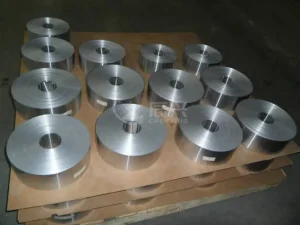
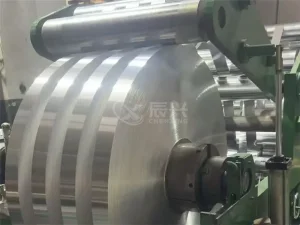
Specialty foils, composite discs, and high-durability alloy strips designed for demanding conditions.
Stay up to date with metallurgical developments, market dynamics, and global supply updates.
Our rolling mill continues to scale production to support global infrastructure developments, meeting rising demand across automotive and structural sectors.
Read Full Report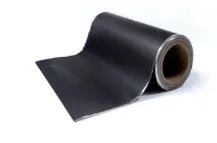
Technical analysis of battery-grade foils for electric vehicle power cells. Insights cover surface cleaning methods and high-tensile foil alloys.
Read Full Report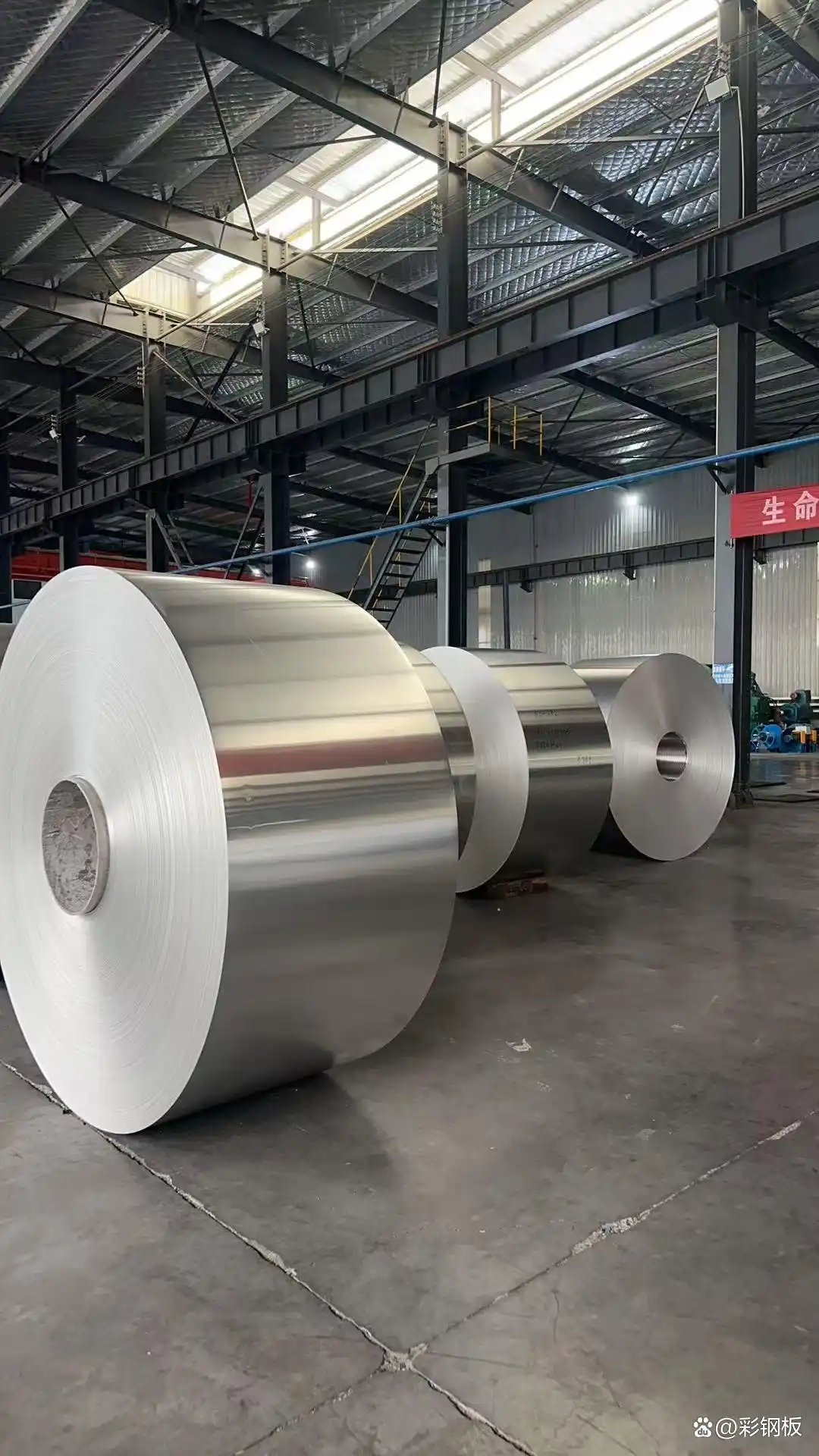
Exploring the role of aluminum alloys in sustainable packaging and green architecture, driven by changing global compliance standards.
Read Full ReportGet in touch with our metallurgical engineers for structural assistance, alloy selection, and wholesale pricing. Responses are provided within 24 hours.