
Explore our highly-acclaimed primary cold rolling catalog, configured for industrial supply routes and demanding standard specifications.
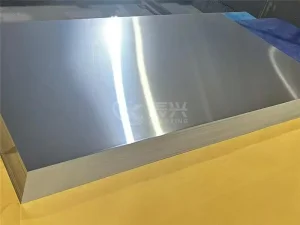
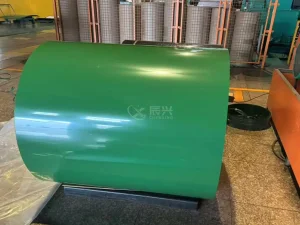
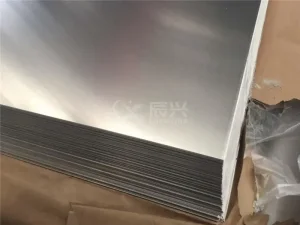
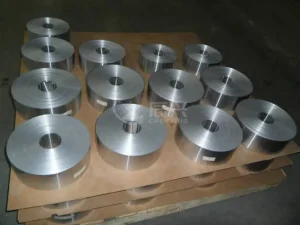
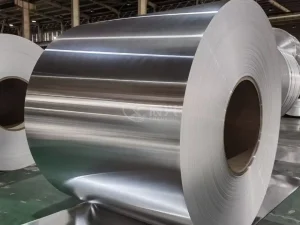
A benchmark of quality, capability, and responsiveness verified by global audits.


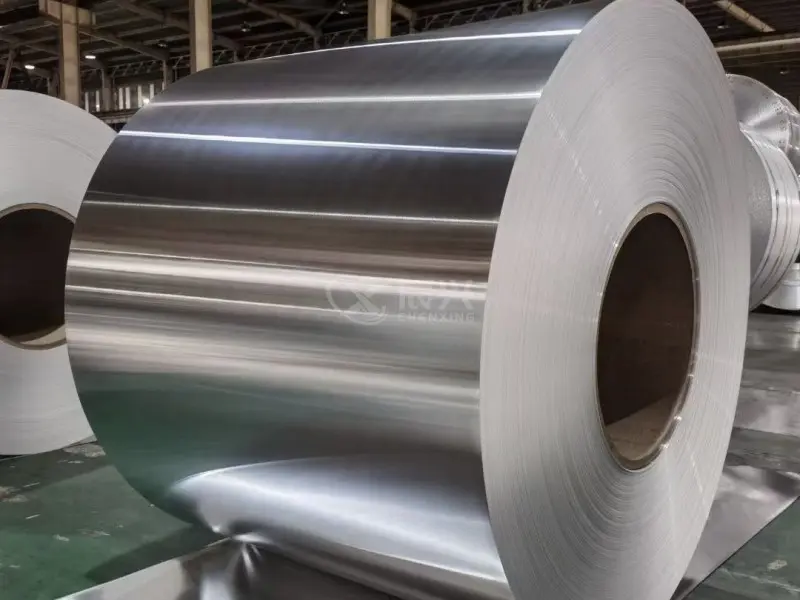
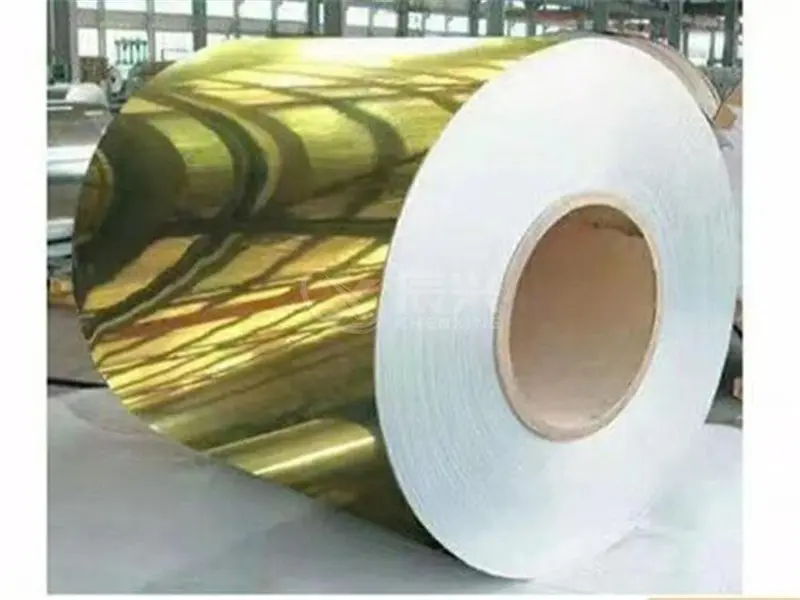
Cold rolling of aluminum represents a highly sophisticated metallurgical mechanism that drastically improves the tensile strength, surface luster, and dimensional uniformity of aluminum sheets and foils compared to conventional hot-rolled configurations. By feeding pre-heated hot-rolled bands (known as hot band coils) through a series of reduction passes below the recrystallization temperature of the metal, grain structures undergo significant elongation and orientation alignment.
"Cold reduction indexes typically vary from 30% to 90%, inducing strain hardening (work hardening) that alters mechanical limits. Yield strength ($R_{p0.2}$) and ultimate tensile strength ($R_m$) see predictable increments, while elongation values decrease, calling for precise intermediate recrystallization annealing parameters depending on the targeted temper (e.g., O, H14, H24, H18, H19)."
For highly structural and critical lightweight designs, factories implement Advanced Gauge Control (AGC) and Automatic Flatness Control (AFC). Laser-guided measurement platforms continuously analyze sheet thickness at sub-micron levels, modulating hydraulic roll force actuators and work-roll bending profiles. This guarantees that cold-rolled coils from Chinese mills achieve tolerances far stricter than standard ASTM B209 or EN 485 specifications.
How cold-rolled aluminum serves critical commercial domains across diverse fields



China dominates over 55% of the world's primary aluminum smelting and downstream rolling capacity. This unmatched scale creates deep logistical and supply chain synergies. Our factories sit within integrated industrial clusters alongside hot-metal smelters, tooling manufacturers, specialized surface treatment operations, and chemical plants.
By securing direct, hot-molten liquid metal transfers from raw smelters to holding furnaces, we significantly cut energy consumption and eliminate ingot re-melting phases. This smart integration delivers a dual benefit: it lowers production costs and substantially reduces the carbon footprint per ton of finished cold-rolled aluminum coil.
Additionally, with nearby deepwater container ports like Qingdao, Shanghai, and Ningbo, we offer fast and reliable shipping options. Integrated transport networks keep transit timelines stable and shield buyers from geopolitical shipping disruptions.
Bypassing solid-ingot stage to preserve thermal energy and prevent atmospheric oxidation.
Hot-rolling through continuous casting mills to form a highly dense metallurgical substrate.
Multi-stand cold rolling with automatic thickness and flatness calibration under real-time feedback loops.
Transitioning to hydropower and renewable energy sources for primary smelting, aimed at meeting strict European CBAM (Carbon Border Adjustment Mechanism) thresholds.
Deploying high-speed optical vision systems that identify, classify, and flag sub-millimeter surface inclusions and roll-mark anomalies in real time.
Establishing dedicated recycling loops with key global buyers to retrieve processing scrap directly, preserving the integrity and purity of premium alloy compositions.
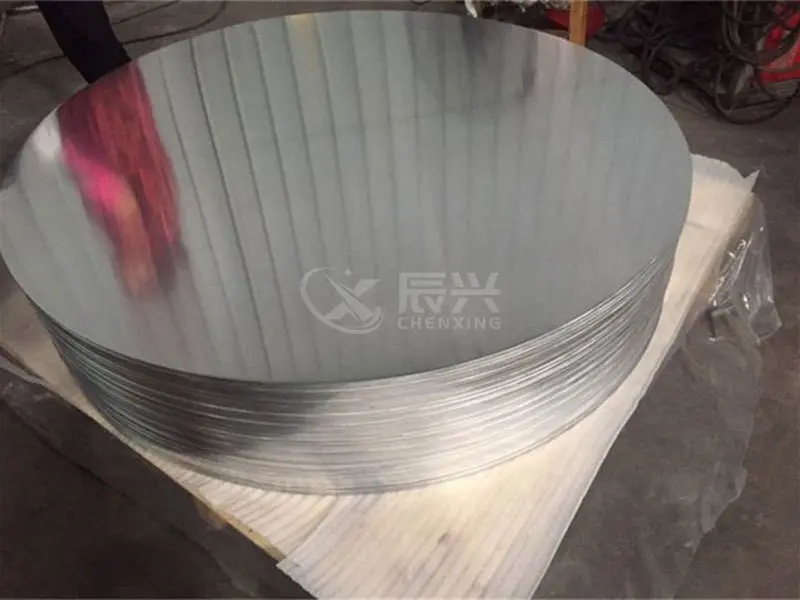
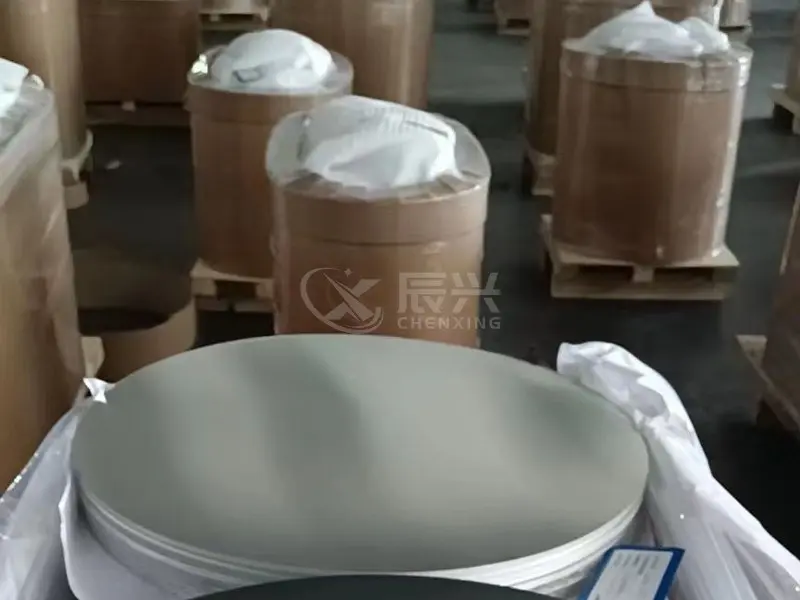
Precision circles, coils, and specialty sheets configured for electrical, kitchenware, and custom fabrication sectors.
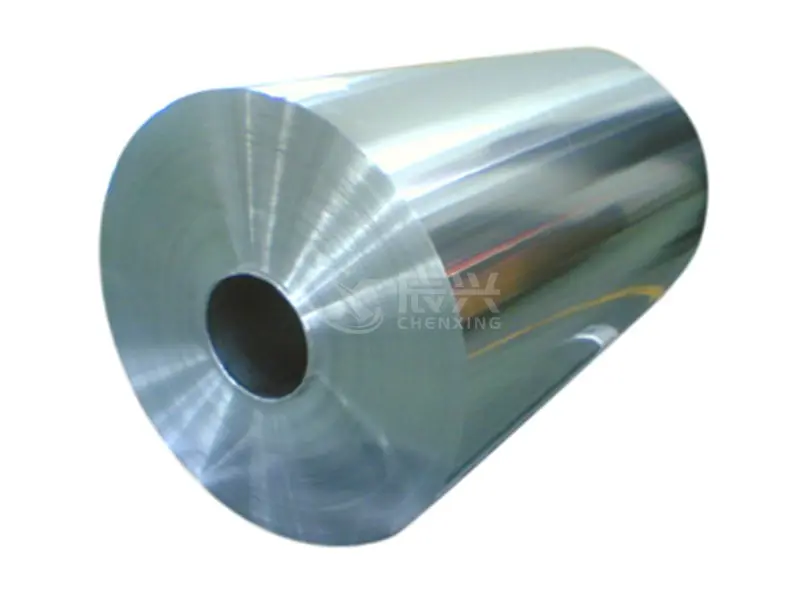
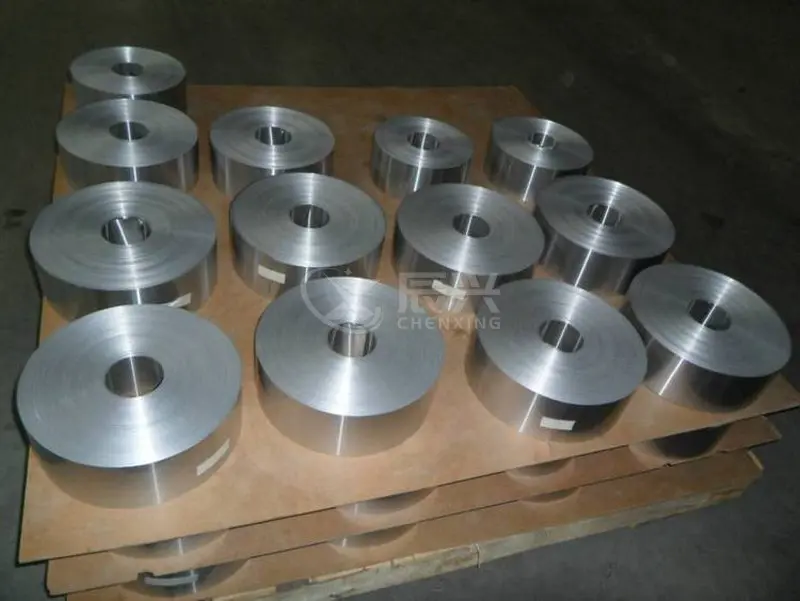
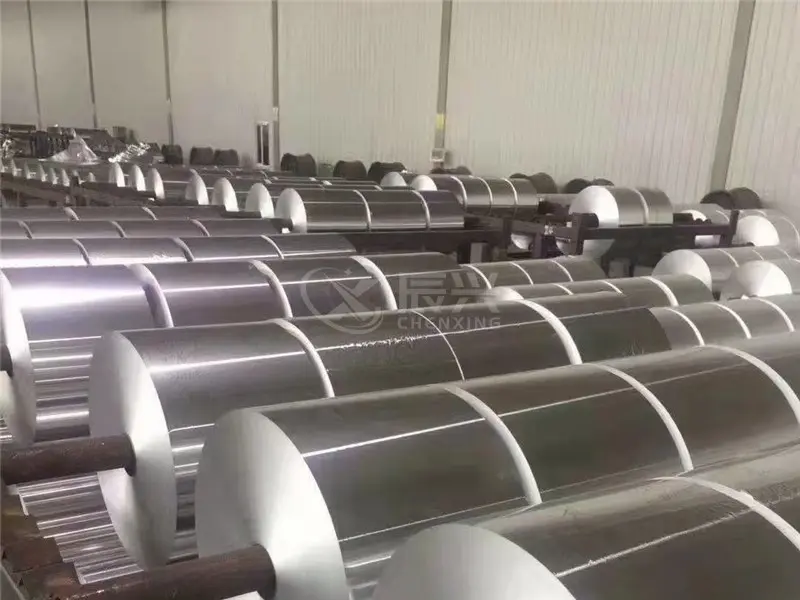
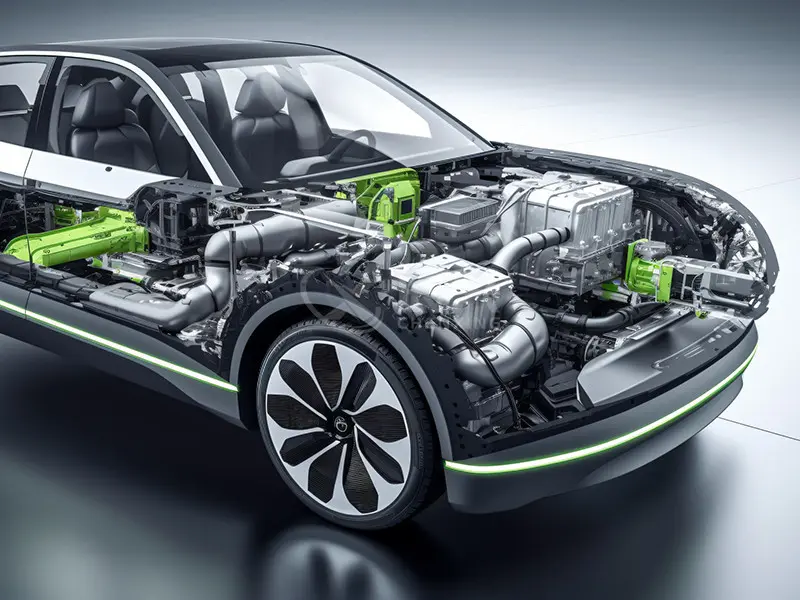
The rapid global shift toward electric vehicles (EVs) has fundamentally reshaped requirements for cold-rolled aluminum foils, especially in high-purity current collector grids for lithium-ion cells. Our advanced rolling lines specialize in thin-gauge alloys (like 1060, 1235, and 7200 series) scaled down to 9–15 microns.
These ultra-thin profiles must handle extreme mechanical tension during high-speed coating runs. Meeting this standard requires absolute control over tensile strength, high electrical conductivity, and minimal surface moisture. Our specialized battery foil lines are housed in temperature-controlled, ISO-certified cleanrooms, preventing airborne dust particles from contaminating the substrate and causing electrical micro-shorts in finished battery packs.
Connect directly with our engineering and metallurgic sales divisions. Get custom mill pricing, tolerance options, and physical chemical sample test sheets within 24 hours.
Contact Our Technical Department NowStay up to date with metallurgical innovations, supply chain shifts, and downstream industry demand forecast maps.
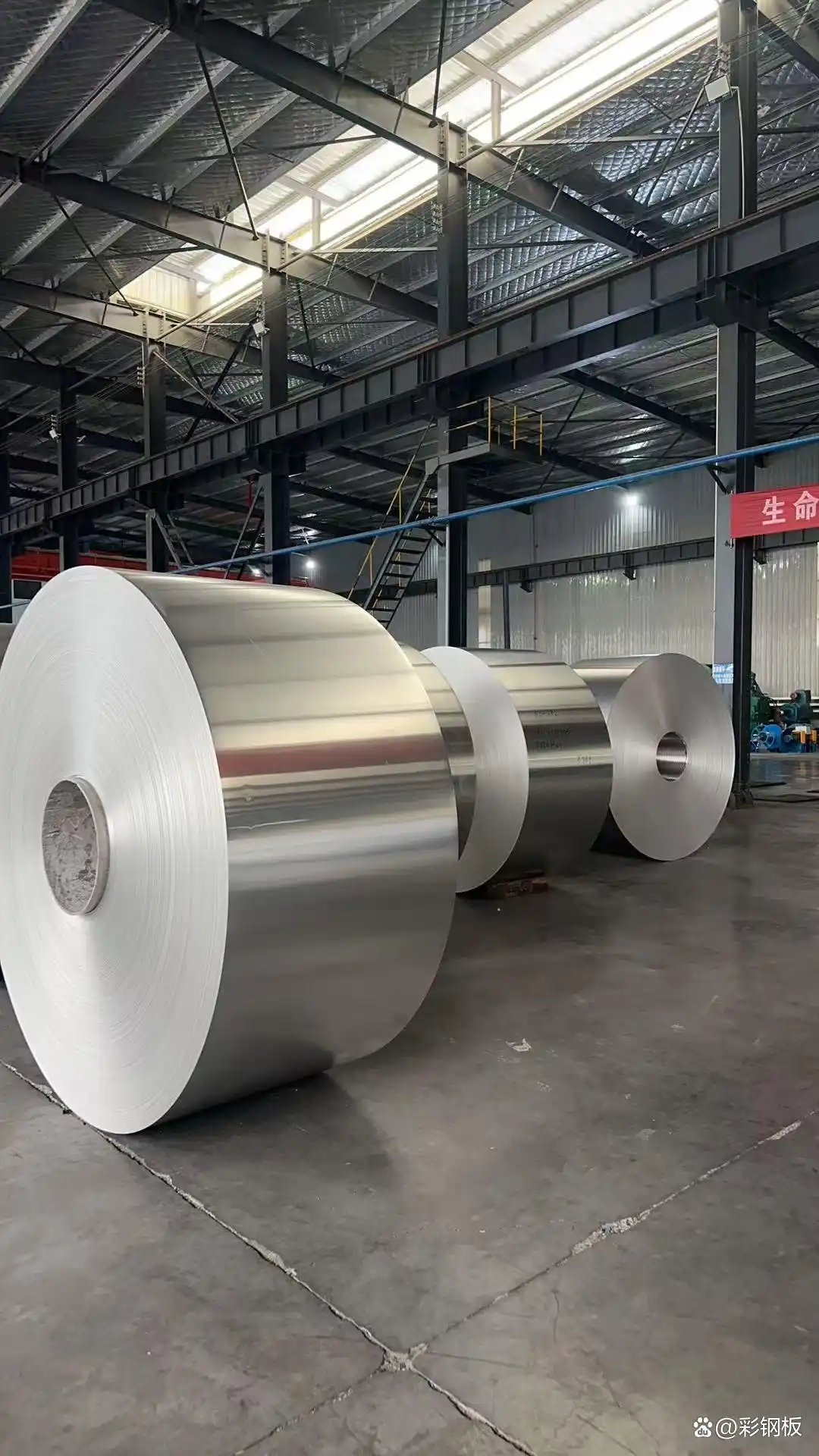
Specific high-performance sheet, foil, and coil alloys optimized for architectural claddings, HVAC setups, and heavy industrial needs.
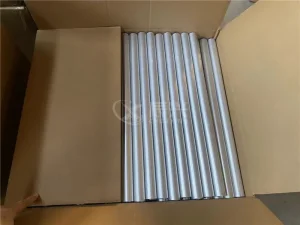
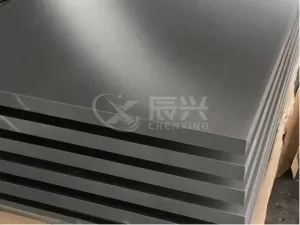
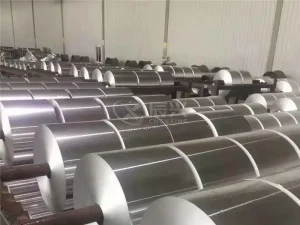
Ensuring reliable performance requires more than just testing at the end of the line. Our quality management framework is built on three key pillars: strict raw material validation, real-time process monitoring, and structured resolution workflows.
Each manufacturing run undergoes extensive material testing. This includes Optical Emission Spectroscopy (OES) to verify chemical compositions, tensile testing to measure yield and fracture thresholds, and Erichsen cupping tests to assess formability. If a non-conformance occurs, we initiate our standard 8D Response Protocol:
Critical metallurgical and commercial answers to help industrial procurement professionals make informed decisions.