
In the era of modern precision engineering and lightweight material transitions, the global demand for high-performance blank aluminum products has escalated exponentially. "Blank Aluminum" refers to semi-finished forms of aluminum material—including circles, sheets, coils, tubes, and foils—which serve as the base substrates for deep-drawing, stamping, cladding, spinning, and architectural formation. As global supply chains face mounting pressures to reduce carbon footprints, maximize structural efficiency, and ensure cost stability, selecting the right partner from the leading China blank aluminum companies is critical.
Chinese producers have transitioned from simple low-cost manufacturing to high-tech, digitally integrated, and certified clean energy refineries. These advanced companies deploy state-of-the-art continuous casting, hot rolling, cold rolling, and precision thermal treatments (annealing to precise O, H14, H18, and H24 tempers). By leveraging integrated supply chains from raw bauxite refinement to ultra-pure aluminum coils, China's industry offers unmatched flexibility in alloy chemistries, dimensioning, surface finishes (from mill finish to brushed and anodized), and mechanical processing parameters.
Information Gain Metric: Modern blank aluminum integration relies heavily on controlling grain structure anisotropy (limiting earing behavior in deep drawing) and maintaining exact chemical purity tolerance. China's top tier factories utilize electromagnetic stirring and inline ultrasonic inspection systems to verify microstructural integrity before export.
Explore our primary collection of high-purity aluminum alloys, precision strips, deep-drawing circles, and hollow extrusions tailored for global manufacturing requirements.
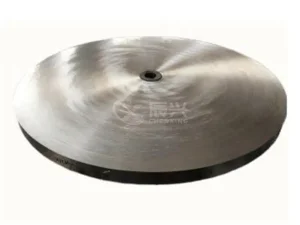
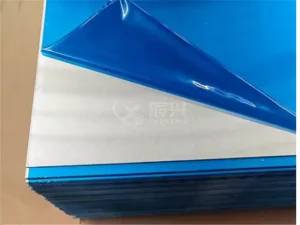
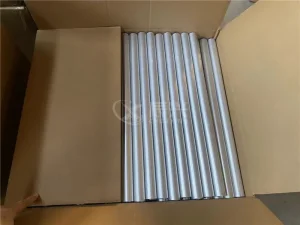
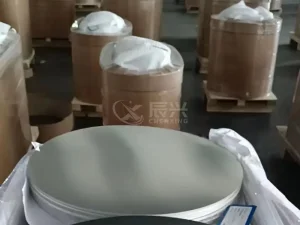
Building a resilient supply chain requires more than finding a manufacturer; it demands choosing a partner with verifiable expertise, industry longevity, and robust quality tracking. With decades of refining processes in continuous casting, precision thickness tolerances, and clean surface finishes, our operational footprint ensures that every shipment meets stringent global manufacturing codes.
Continuous innovation in high-precision aluminum coil, circle, and foil fabrication since inception.
Trusted partner for tier-1 distributors and OEMs in Europe, North America, Southeast Asia, and South America.

Spectral analysis, thickness tolerances down to ±0.01mm, and complete ERP batch transparency.

Dynamic client management with rapid technical support and a verified 8D troubleshooting loop.
Procuring blank aluminum on a global scale requires navigating complex geopolitical, economic, and technical terrains. Modern procurement leads are no longer just looking at base metal prices on the LME (London Metal Exchange) or SHFE (Shanghai Futures Exchange). Instead, their selection criteria centers on total cost of ownership (TCO), carbon intensity indices, and strict physical mechanical parameters.
When processing aluminum circles or sheets through automated progressive stamping lines, even micro-level deviations in thickness or uneven grain patterns can result in "earing" or structural tearing during deep drawing. China's state-of-the-art hot rolling mills prevent this by maintaining strict gauge tolerances of ±0.01mm and executing precise crystallization during the recrystallization annealing phase. This delivers isotropic properties that yield smooth, defect-free parts.
Given global logistical uncertainties, leading Chinese manufacturers have established intelligent dispatching integrations. Every shipment is protected under custom-engineered steel-framed eye-to-sky or eye-to-wall ocean packaging. This preserves the metal face from ocean humidity corrosion (white rust), ensuring blanks arrive at your manufacturing plant ready for continuous high-speed runs.
Understanding alloy chemistry is fundamental to specifying the correct aluminum blank. Different structural, thermal, and electrical applications require precise alloying compositions:
From micro-electronics to massive aerospace components, our range of blank aluminum materials forms the foundation of diverse high-performance sectors globally.
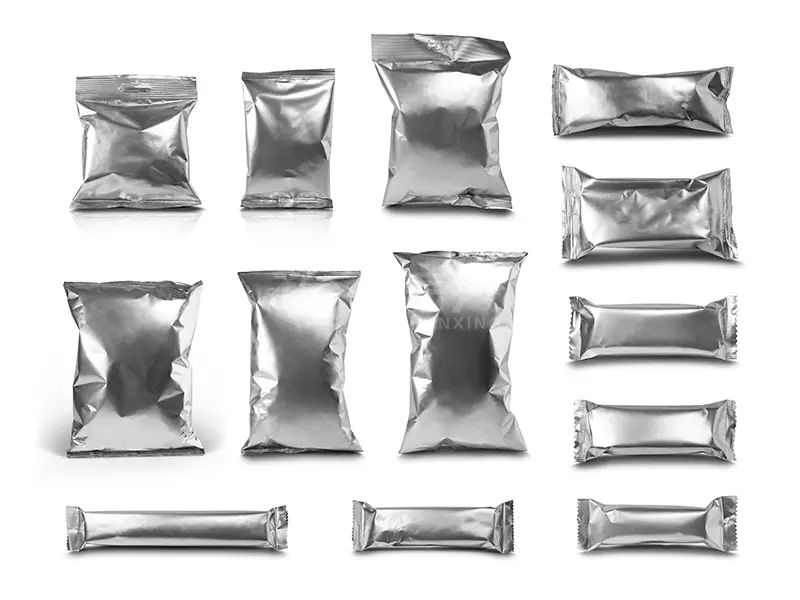


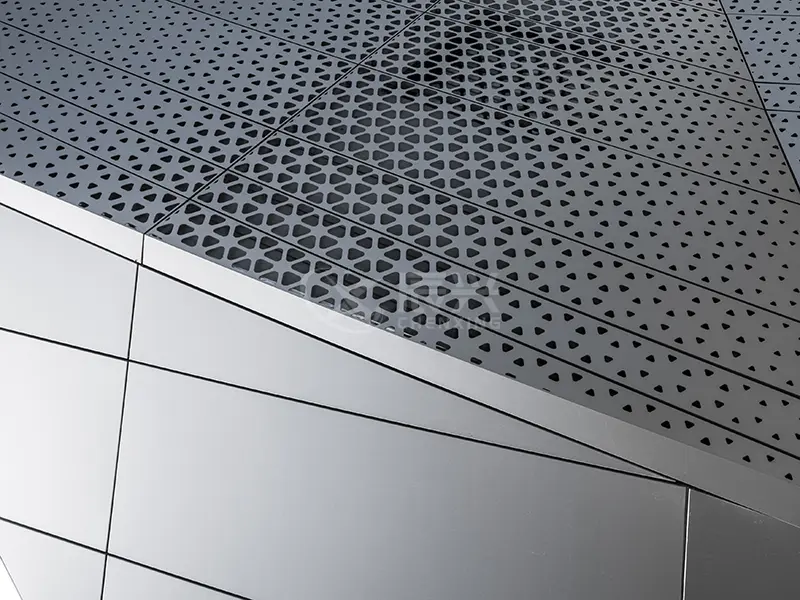

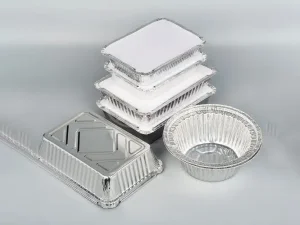
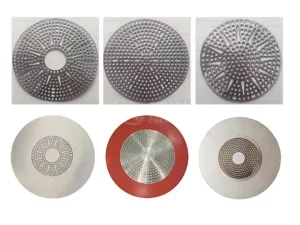
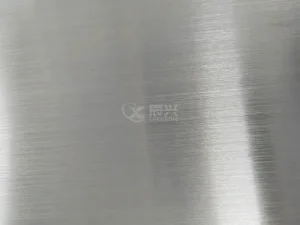
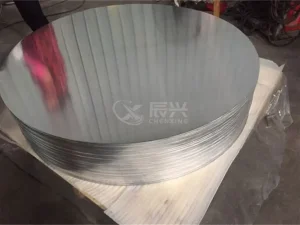
Deploying the latest metallurgy advancements: Explore our high-performance coils, anodized sheets, multilayer clad discs, and specialized packaging containers.
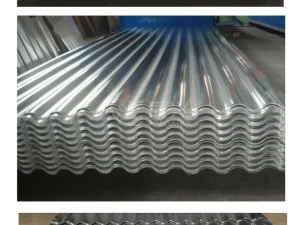
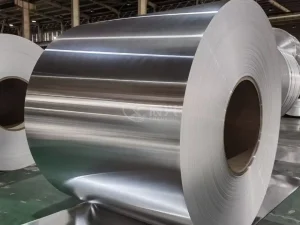
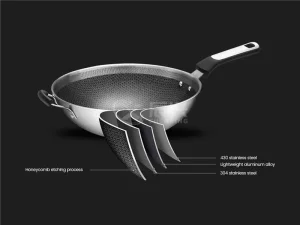
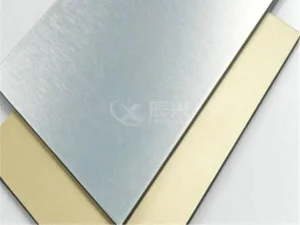
As industrial nations move toward net-zero targets, the metallurgy behind aluminum blank processing is undergoing a historic green transition. In response to global trends like Europe's CBAM (Carbon Border Adjustment Mechanism) and US clean-energy supply chain requirements, progressive Chinese manufacturers are actively migrating to cleaner power profiles. This includes locating manufacturing centers near major hydropower hubs and incorporating high-efficiency scrap recycling channels into production systems.
Shifting production towards hydropower-intensive provinces (like Yunnan and Sichuan) decreases the embedded carbon footprint of base ingots from an industry-average 16 tons of CO₂ down to less than 4 tons of CO₂ per ton of aluminum.
Developing high-precision scrap metal grading ensures that stamping waste from our customers is repurposed into clean alloy feeds. This circular economy structure saves up to 95% of the energy normally consumed during primary refining.
Utilizing AI simulation models to calculate optimal ratios of titanium, boron, and manganese allows for finer grain refinement. The resulting alloys are thinner, stronger, and feature structural profiles designed to exceed previous weight-saving limits.
Complying with regional safety regulations and quality criteria is central to maintaining stable, frictionless operations. A single non-conforming batch can shut down complex downstream production programs. Our engineering processes are structured to meet global standards:
Alloys targeted for cookware and food containers, such as 1050, 3003, and 8011 foils, undergo rigorous chemical analysis to ensure zero heavy metal leaching. All materials strictly comply with FDA food-contact standards, the European Union's REACH regulations, and the German LFGB certification.
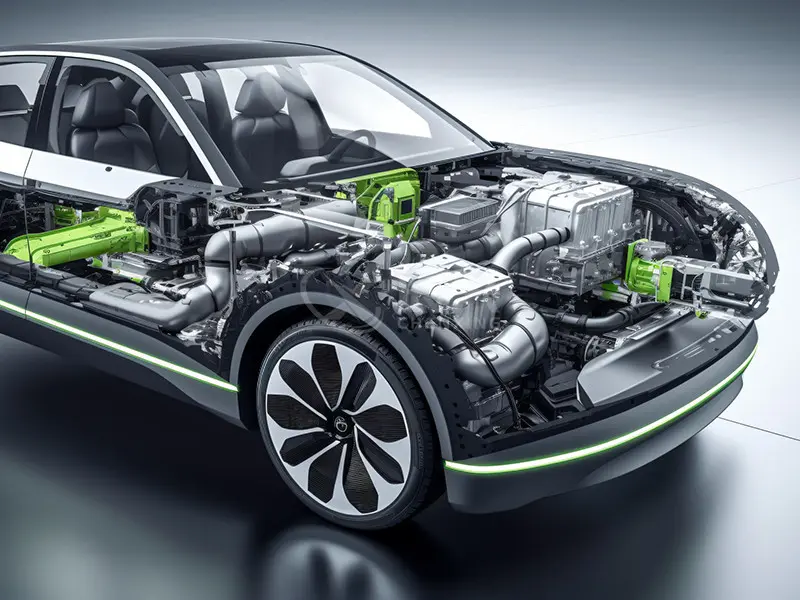
For automotive structural panels and high-strength enclosures using our 5052 series, factories maintain robust operational compliance with IATF 16949. This provides the thorough testing validation, microstructural mapping, and dimensional traceability demanded by modern automotive supply chains.
Stay updated on regulatory compliance, pricing trends, and technological innovations shaping the global aluminum industry.
Recent trading data highlights a growing international demand for premium, semi-finished aluminum sheets and custom coils. Advanced manufacturing processes are enabling factories to capture expanding market share.
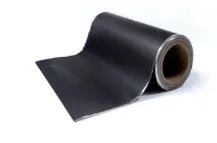
The rise of the electric vehicle market has driven unprecedented demand for specialized, high-purity battery foils. Discover how advanced metallurgical controls yield thinner, highly conductive foils.
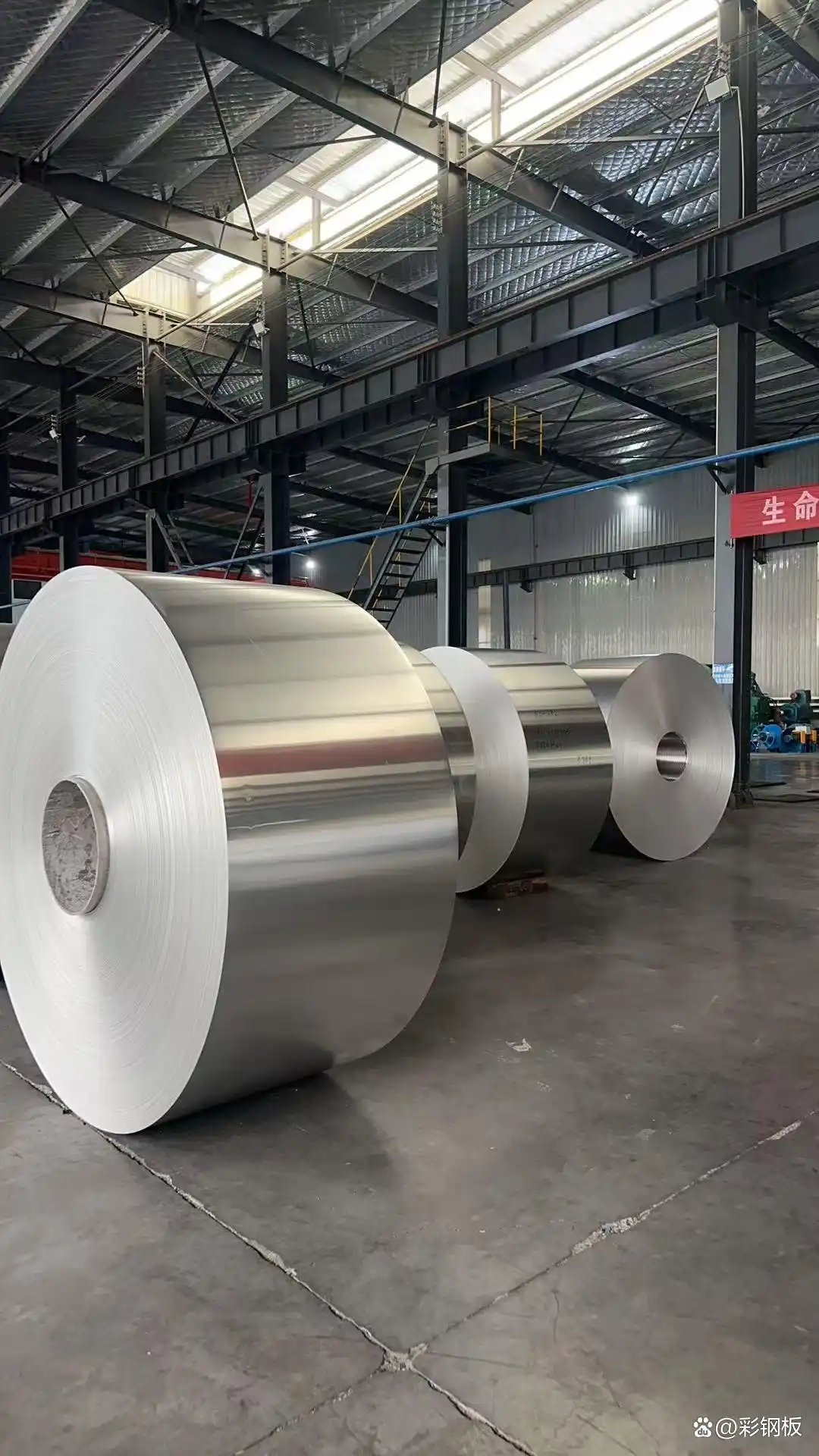
Urbanization and green building movements are reshaping material specifications. Eco-friendly architectural finishes like brushed and anodized aluminum coils are leading this sustainability shift.
Expert answers to common engineering, procurement, and logistical questions regarding China blank aluminum supplies.
Earing is primarily caused by planar anisotropy in the grain structure of the aluminum. To minimize earing, we strictly control the cold rolling reduction ratio and thermal recrystallization annealing parameters. This yields a highly balanced grain distribution, preventing uneven material flow during deep drawing.
We package products for export using robust, multi-layer barriers. Coils and sheets are wrapped in heavy-duty plastic vapor barrier membranes, packed with active desiccant packets, and encased in galvanized steel or high-strength composite wood frames. Our packaging is available in both 'eye-to-sky' and 'eye-to-wall' configurations depending on the cargo plan.
1050 alloy is highly pure (99.5% Al), offering exceptional thermal conductivity and ductility, making it ideal for deep drawing. 3003 alloy contains manganese, which increases mechanical strength by roughly 20% compared to the 1000 series, making it preferable for high-use cookware and non-stick designs.
Yes, every export shipment is accompanied by a comprehensive Mill Test Certificate conforming to EN 10204 Type 3.1. These documents detail the chemical composition, mechanical test values (tensile strength, yield strength, elongation), and dimension verifications.
Using computer-monitored, multi-high rolling mills, we regularly achieve thickness tolerances of ±0.01mm and width tolerances within ±0.2mm, meeting and exceeding international standards like ASTM B209 and EN 485.
Need customized dimensions, specific temper controls, or target alloy formulations? Contact our technical sales and metallurgy teams to request a detailed analysis, standard material sample, or formal quotation.