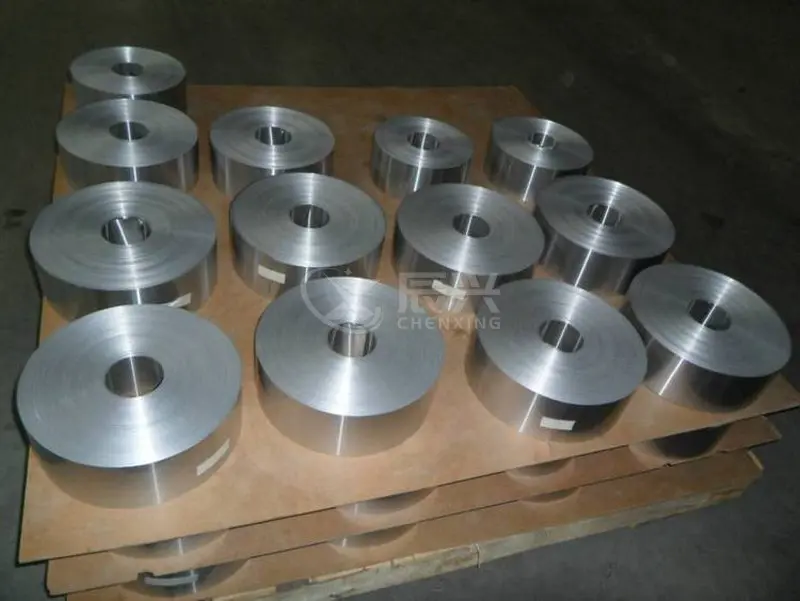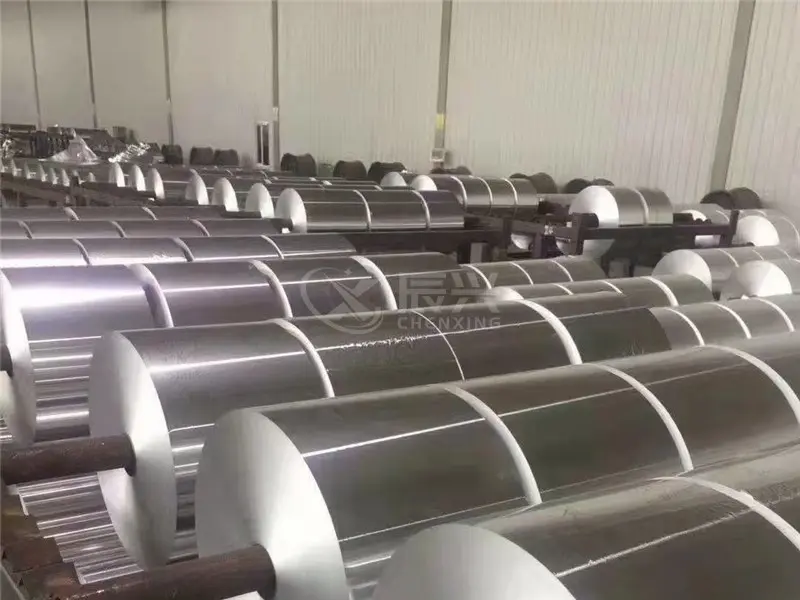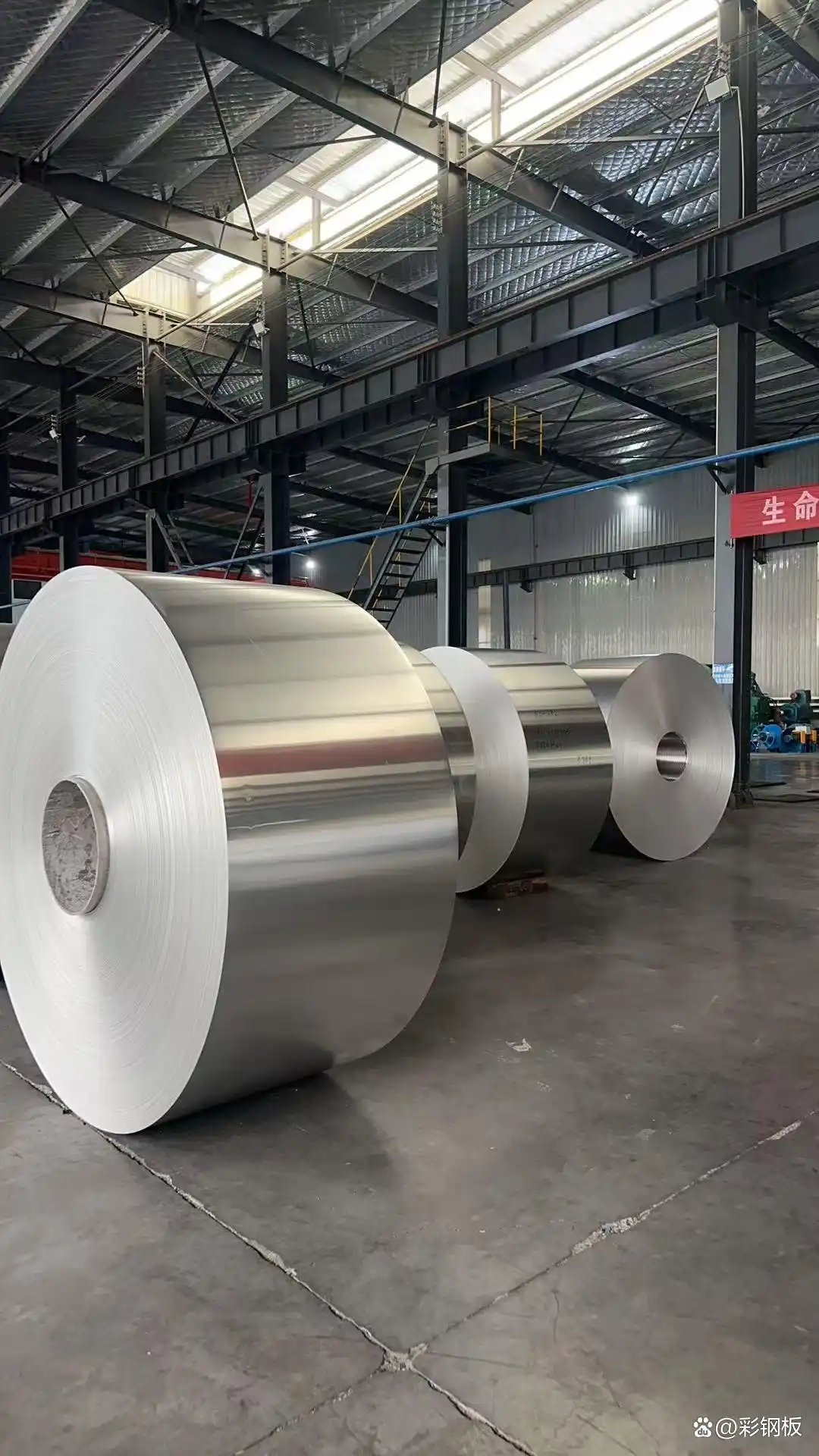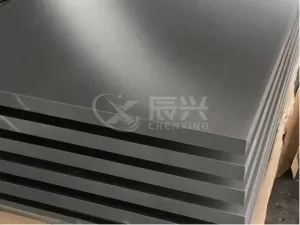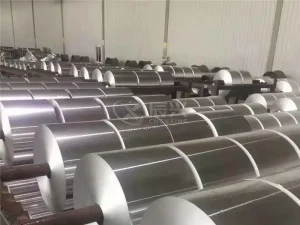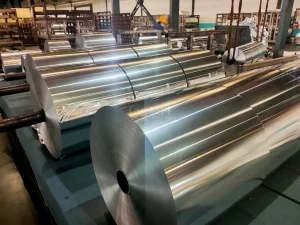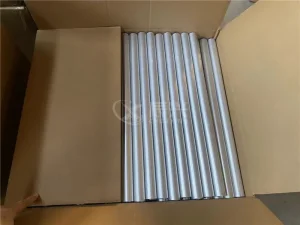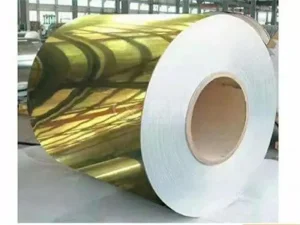
Direct supply from state-of-the-art Chinese manufacturing facilities. Retaining all raw material specs for industrial deployment.
A Comprehensive Technical and Commercial Perspective on Advanced Metallurgical Solutions, Processing Standards, and Manufacturing Capacities in China.
The global industrial landscape relies heavily on structural aluminum alloys to achieve lightweight construction, enhance energy efficiency, and improve recycling cycles. As primary components in transport vehicles, modern facades, micro-electronics, and energy storage, aluminum sheets and strips represent a critical baseline in metallurgical supplies.
China's manufacturing infrastructure accounts for a substantial percentage of the global output of semi-finished aluminum materials. By leveraging vast continuous casting lines, high-accuracy hot rolling mills, and highly automated slitting technologies, manufacturers in China deliver highly customizable solutions that comply with international standards including ASTM, EN, and JIS.
Global procurement teams favor vertical integration where billet casting, hot-rolling, cold-rolling, slitting, and surface treatment are coordinated in a single complex. This shortens the lead times and guarantees that physical properties such as tensile strength, yield behavior, and grain refinement conform strictly to engineering specifications.
Understanding the chemical properties and grain structure variations across different aluminum classes is essential to choosing the correct material for your project. Aluminum sheets and strips are typically grouped into eight series, each engineered to address specific technical demands:
| Alloy Series | Primary Elements | Key Properties | Typical Industrial Applications |
|---|---|---|---|
| 1xxx (e.g., 1050, 1100) | Pure Aluminum (≥99.0%) | High conductivity, superior ductility, excellent corrosion resistance. | Transformer windings, food packaging foils, chemical tank linings. |
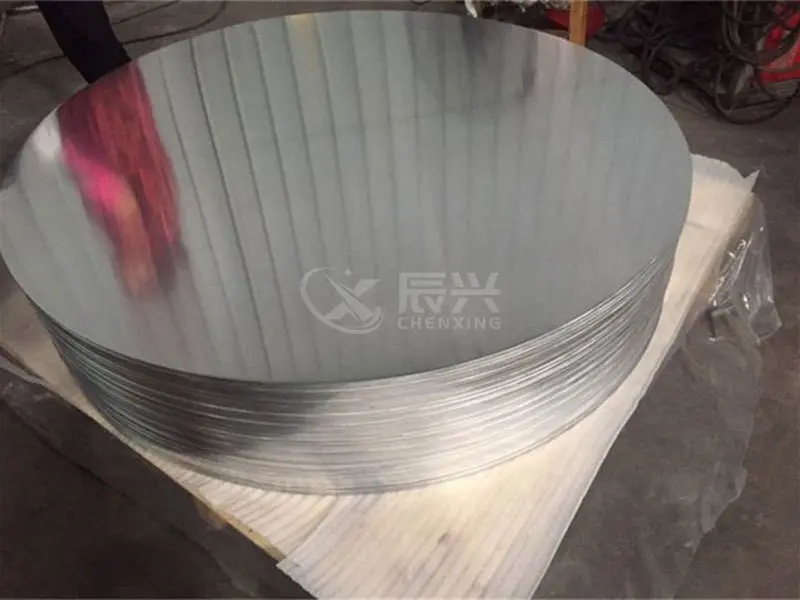
| 3xxx (e.g., 3003, 3104) | Manganese (Mn) | Moderate strength, excellent deep-drawing properties, high anti-rust capability. | Cookware deep-drawn circles, beverage container bodies, heat exchangers. |
| 5xxx (e.g., 5052, 5754) | Magnesium (Mg) | High fatigue limit, marine grade corrosion resistance, outstanding weldability. | Ship building, transportation fuel tanks, structural architectural panels. |
| 6xxx (e.g., 6061, 6082) | Magnesium & Silicon | Medium-to-high strength, heat-treatable, excellent machinability. | Heavy-duty structures, railway carriages, structural aerospace fittings. |
| 7xxx (e.g., 7075) | Zinc (Zn) | Exceptional mechanical strength, highly heat-treatable, fatigue-resistant. | Aerospace bulkheads, aircraft wing spars, high-stress defense molds. |
| 8xxx (e.g., 8011) | Iron & Silicon (Fe-Si) | Superb flexibility, thin rolling capabilities down to micron levels. | Battery electrode collectors, pharmaceutical packaging, kitchen foils. |
The aluminum market is going through a massive transformation driven by carbon mitigation policies. Green Aluminum (smelted using hydroelectric power) and Recycled Aluminum (utilizing post-consumer scrap) are moving to the center of global trade discussions. Leading manufacturers in China are actively shifting towards green energy infrastructure, utilizing electromagnetic stirring in melt furnaces, and adopting regenerative burners to lower the carbon footprint per ton of processed coil.
In parallel, the rise of the Electric Vehicle (EV) industry has accelerated the demand for battery-grade aluminum foil. These ultra-thin sheets act as current collectors in lithium-ion battery packages, requiring strict purity control (often exceeding 99.9% Al content) and uniform gauge thickness to minimize resistance and avoid dendrite penetration.
Analyzing how premium aluminum coils and sheets fulfill demanding engineering criteria across various sectors.
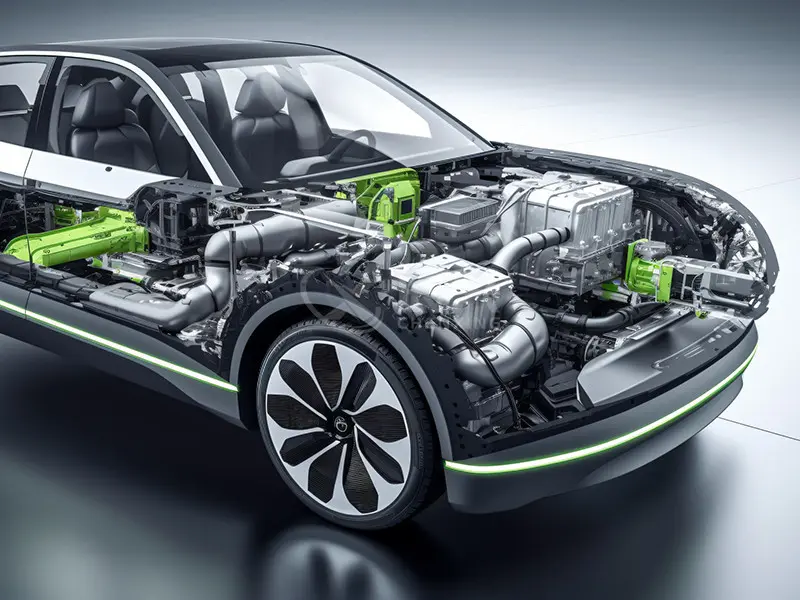
Highly durable alloys optimized for commercial automotive chassis, rail cars, and vehicle panel skins. Excellent yield strength cuts overall fuel emissions.
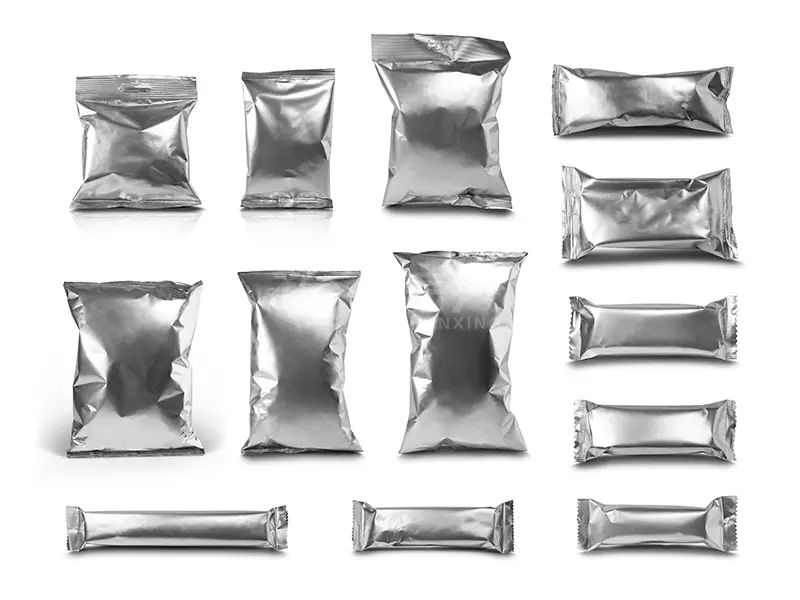
Barrier protection properties make it perfect for food preservation, pharmaceutical packaging, and dynamic sterile environments.

Anodized coils with strict aesthetic consistency, high heat-dispersal attributes, and magnetic shielding for high-end micro-processors.

High stress-to-weight structural materials, utilizing 7075 and 6061 solutions tested under high atmospheric variance limits.
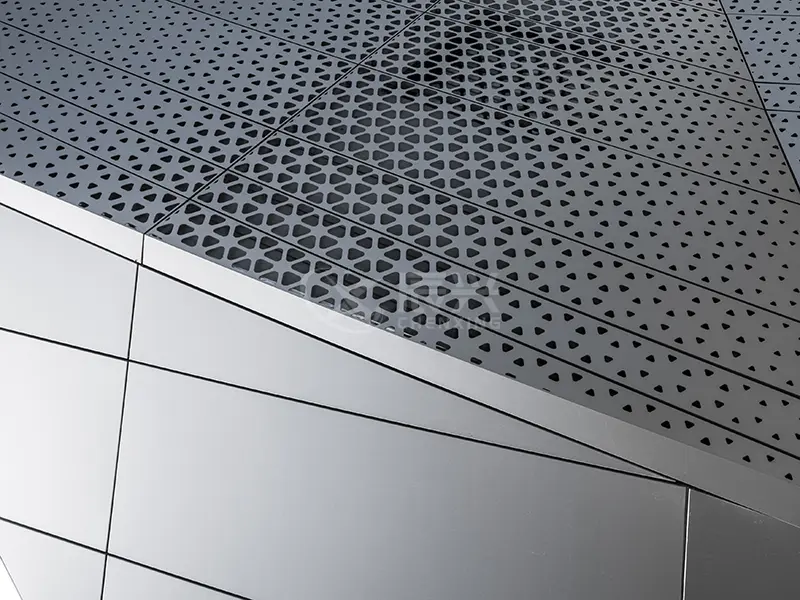
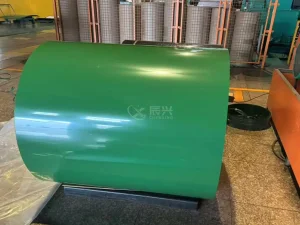
PVDF-coated coils and architectural sheet options offering excellent resistance against UV radiation and thermal expansion.

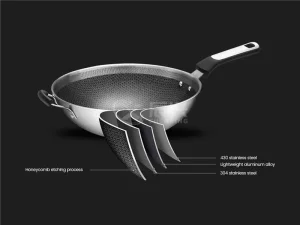
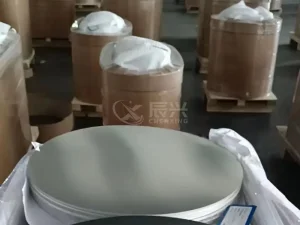
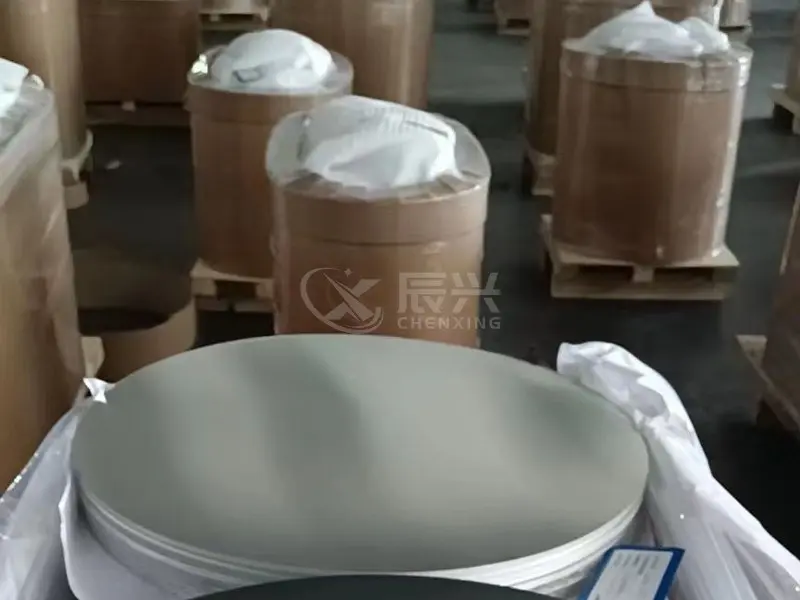
Cookware discs, heat sinks, and evaporator tubes configured to deliver high thermal exchange rates and long lifespan profiles.
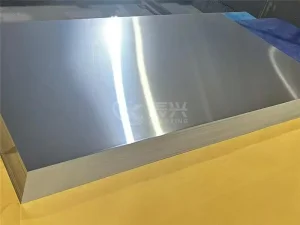
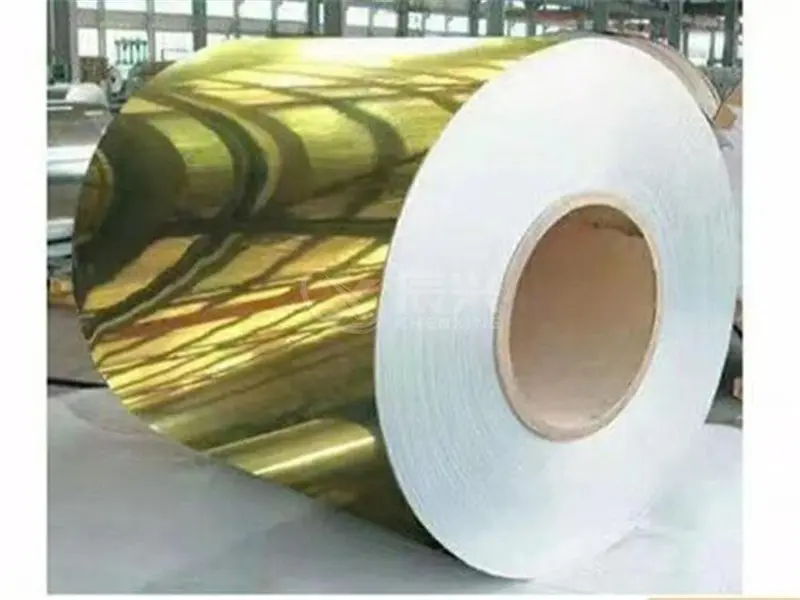
Explore our hot-selling, deep-drawing, and mirror-finished aluminum products manufactured to strict dimensional tolerances.
The manufacturing process determines the mechanical limit properties of the aluminum strips. Depending on the final application, we utilize two core methodologies:
Following cold-reduction stages, our annealing plants employ nitrogen-rich protective environments to ensure oxidation-free heat cycles. This permits the production of tempers ranging from O (soft annealing) to fully hardened states (H18, H19, or T6 structural strengths).
Beyond individual supply lines, we provide full integrated systems for strategic commercial fields:
Sustainable Packaging Options: Clean, thin-gauge alloys designed to support high cycle rates in high-speed automatic forming presses, ensuring zero failure during production.
Consult with our engineering team for alloy configurations, precise slitting requests, thickness calibrations, and volume discounts. We provide detailed 8D responses within 24 hours.
Send Engineering InquiryMarket studies and technical reports from our metal processing facilities.
Expert answers regarding material parameters, processing standards, and industrial shipping.
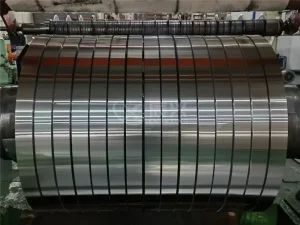
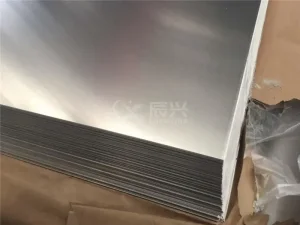
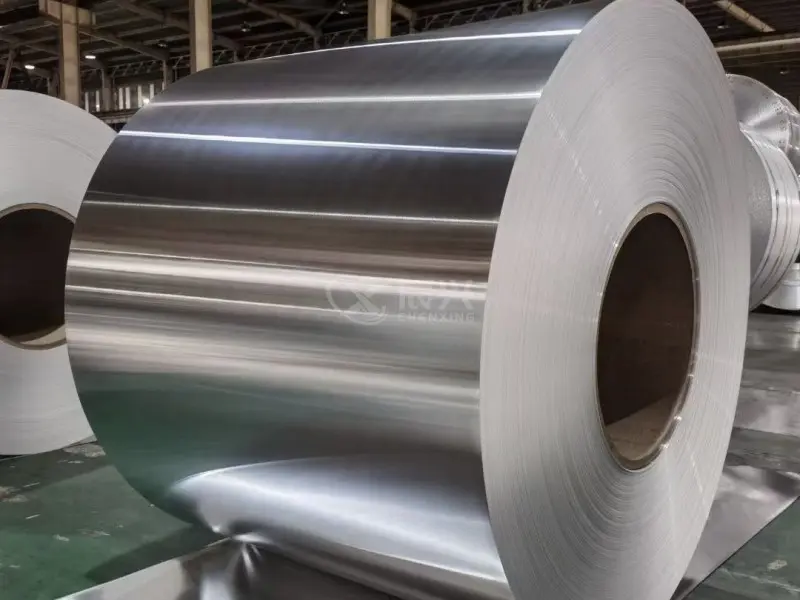
The differences lie mainly in dimension ratios and processing methods. Aluminum sheets are flat panels cut to specific lengths, whereas aluminum strips are narrow rolls slit from larger coils. Strip production requires precise tension control during slitting to ensure edge quality and eliminate burrs.
Alloy 3003 and 3104 are excellent for deep drawing due to their manganese content, which provides good ductility and uniform elongation. We refine grain structures using Direct Chill (DC) casting to prevent "earing" defects during production.
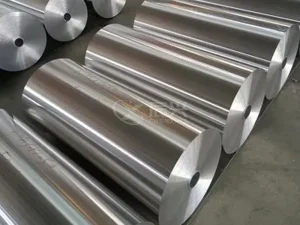
All export coils are wrapped with desiccant packets, vapor-barrier papers, and protective plastic sheets before being crated in wooden boxes. This keeps moisture out and prevents oxidation during long transit periods.
Our production processes are ISO 9001 certified. We manufacture materials in strict accordance with international standards, including ASTM B209, EN 485, and JIS H4000. All shipments come with comprehensive Mill Test Certificates (MTCs).
Premium options for high-durability projects, structural applications, and demanding industrial processes.