
Direct supply of precision metal substrates and blanks engineered for complex industrial applications, packing line operations, and architectural envelopes.

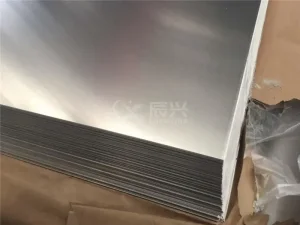
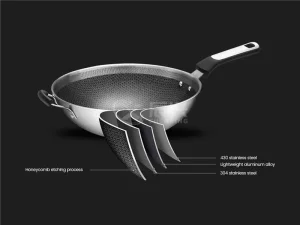
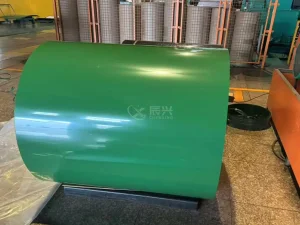
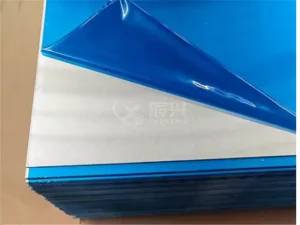
The global metal packaging sector has undergone a massive transformation, transitioning from traditional steel canisters to lightweight, highly recyclable aluminum structures. As modern consumer demand prioritizes sustainability, functional protection, and rapid supply chain turnaround, the positioning of China's aluminum can manufacturers has shifted from low-cost providers to dominant, high-technology system integrators. This industrial evolution is underpinned by massive R&D allocations, high integration with domestic primary smelters, and optimized downstream precision manufacturing.
According to current market intelligence, the demand for aluminum beverage cans, aerosols, and specialty containers is projected to grow at a CAGR of over 5.4% globally through the end of this decade. This demand is heavily localized across three macro-trends:
Sourcing from premier Chinese manufacturer hubs yields definitive operational efficiencies. By integrating raw aluminum ingot casting, hot rolling mills, and cold down-gauge rolling operations in proximity to fabrication facilities, manufacturers significantly reduce shipping delays and intermediate oxidation risks.
Access to primary molten aluminum alloys directly from liquid state operations ensures lower metallurgical inclusions and precise grain-refinement controls.
Deployment of ultra-high-speed Draw and Ironing (D&I) lines operating at up to 3,000 cans per minute with automatic vision inspections at every stage.
Implementation of both solvent-borne and water-borne organic barriers compliant with FDA, EFSA, and regional health authority specifications.
Choosing the correct alloy chemistry is critical for processing success. Beverage cans are composite systems. The body is formed from one specific alloy group to allow for extreme elongation, while the end (lid) and tab require different mechanical characteristics to withstand opening shear forces without failure.
| Component | Standard Alloy | Temper | Key Mechanical Requirements | Functional Attributes |
|---|---|---|---|---|
| Can Body (Wall & Dome) | AA 3104 / AA 3004 | H19 | Tensile Strength: ≥ 270 MPa, Yield Strength: ≥ 240 MPa | High earing control, supreme deep-draw ratio, resistance to dome reversal. |
| Can End (Lid / Shell) | AA 5182 / AA 5052 | H48 / H38 | Tensile Strength: ≥ 360 MPa, Yield Strength: ≥ 290 MPa | High rigidity, strict gauge tolerance, exceptional burst pressure resistance. |
| Opening Tab | AA 5182 | H48 | Elongation: ≥ 6%, Strict flat layout profiles | Excellent bendability, resistance to stress corrosion cracking, high riveting yield. |
The transition of a flat aluminum coil into a 2-piece can requires precision execution. The process begins with the uncoiling of a sheet, coated in proprietary forming lubricants. The cupping press stamps out circular discs and draws them into shallow cups. These cups are subsequently transferred to a wall ironer, where a punch forces the cup through a series of progressive ironing rings. This process thins the walls by up to 60% while maintaining a thicker dome base to handle internal carbonation pressures of up to 90 PSI.
Modern Chinese operations utilize laser profiling systems during the trimming and necking processes. Necking reduces the top diameter of the can (e.g., from a 211 body diameter to a 202 end diameter) to save material costs. Even minor microscopic grain misalignment in the raw aluminum sheet will lead to uneven scalloping (earing) or micro-tearing during the necking stage. Therefore, raw material control is paramount.
A combination of extensive metallurgical expertise, advanced quality testing frameworks, and multi-region regulatory compliance.
Our metallurgy processing lines support a comprehensive array of industries requiring lightweight strength, structural durability, and high corrosion barrier properties.

High strength-to-weight structural profiles designed to decrease vehicular emissions and enhance payload efficiency.
Explore Application →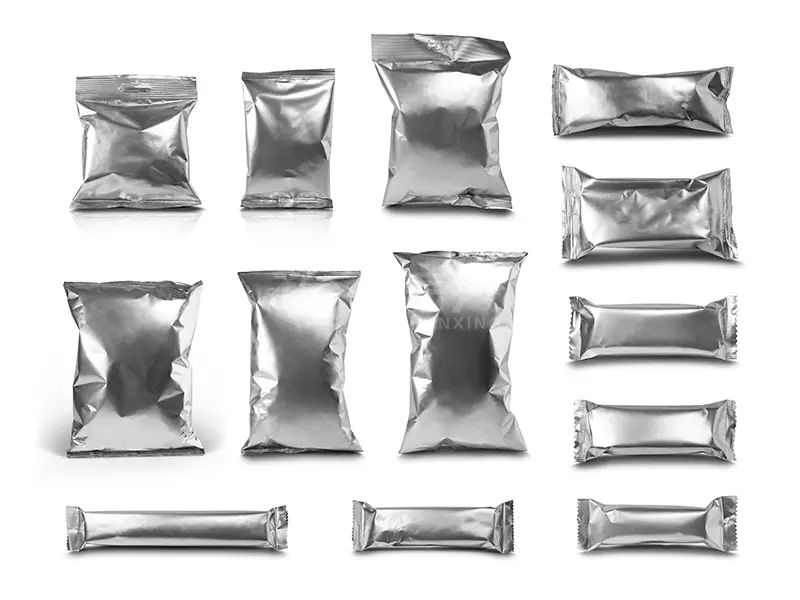
Hermetic barrier protection engineered for foodstuffs, dynamic beverage carbonation retention, and long shelf life preservation.
Explore Application →
High thermal conductivity substrates, shielding foils, and housing alloys designed for precision electronic components.
Explore Application →
Durable, extreme high-yield stress structural plates, extrusions, and skins tailored for demanding aerodynamic environments.
Explore Application →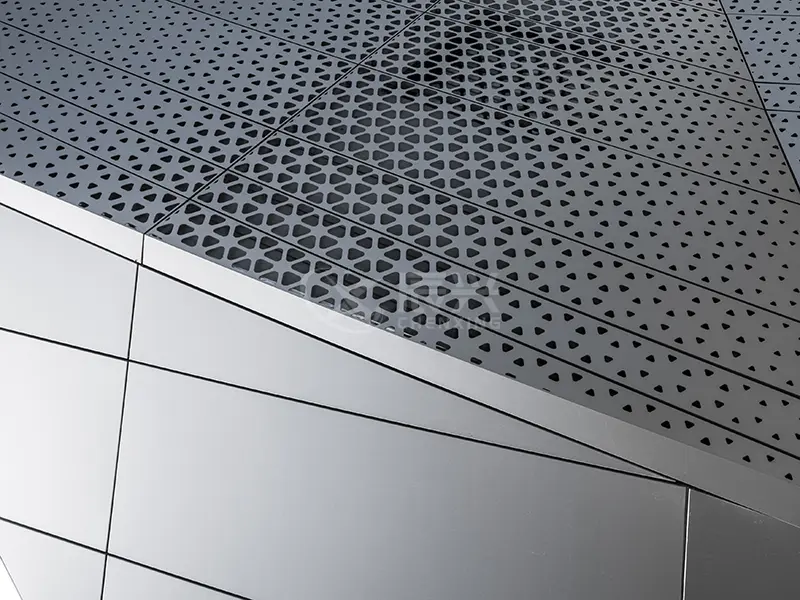
Weather-resistant architectural claddings, facades, roofing panels, and framing systems with long life expectancies.
Explore Application →
Aesthetically refined cladding materials and lightweight components designed for modern consumer appliance systems.
Explore Application →Global procurement directors face complicated logistical and legal challenges. In the current geopolitical environment, the integration of protective strategies is crucial to mitigate regulatory exposures (such as anti-dumping duties, countervailing tariffs, and Carbon Border Adjustment Mechanisms - CBAM).
Premier manufacturers address these concerns by adopting transparent tracing and carbon documentation models. Providing precise heat numbers, Mill Test Certificates (MTCs), and verifiable carbon footprints at the point of origin allows global customers to clear customs without complications. Furthermore, working with strategic partners that offer diverse logistics pathways ensures that container movements remain resilient even during maritime shipping bottlenecks.
Our quality verification processes utilize advanced automated inspection systems. Standard batch controls are insufficient for high-speed filling lines, where a defect rate of even 1 in 100,000 can cause significant down-time. The testing matrix includes:
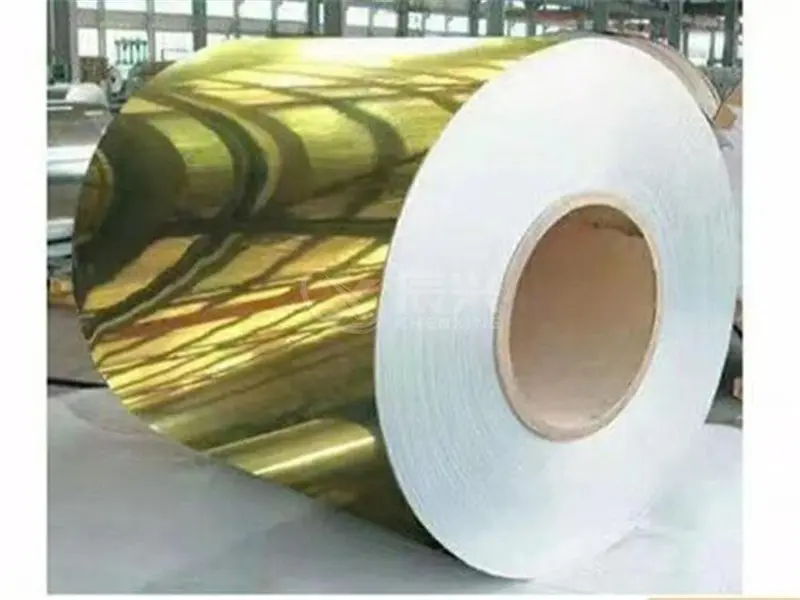
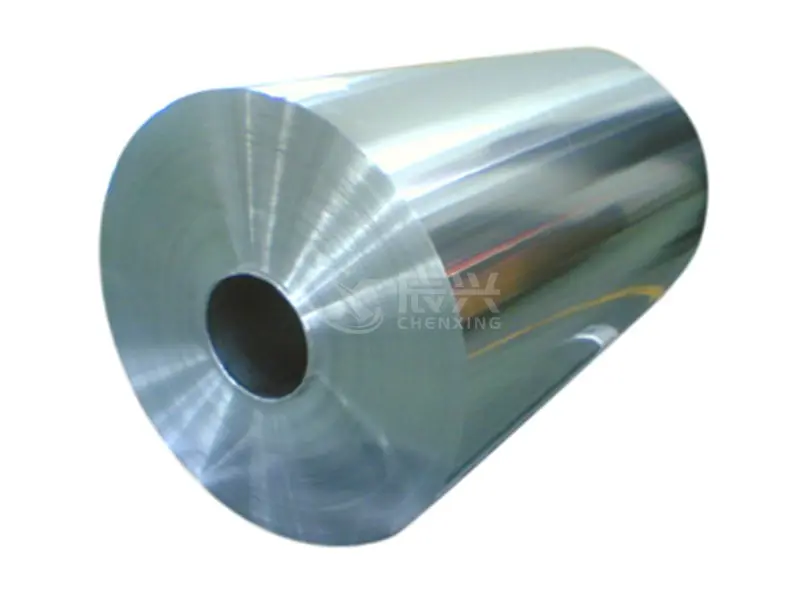
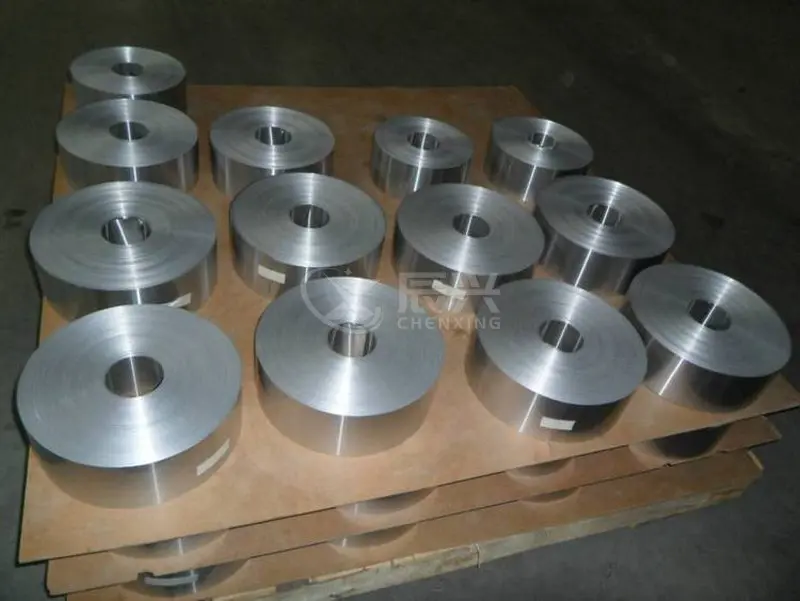
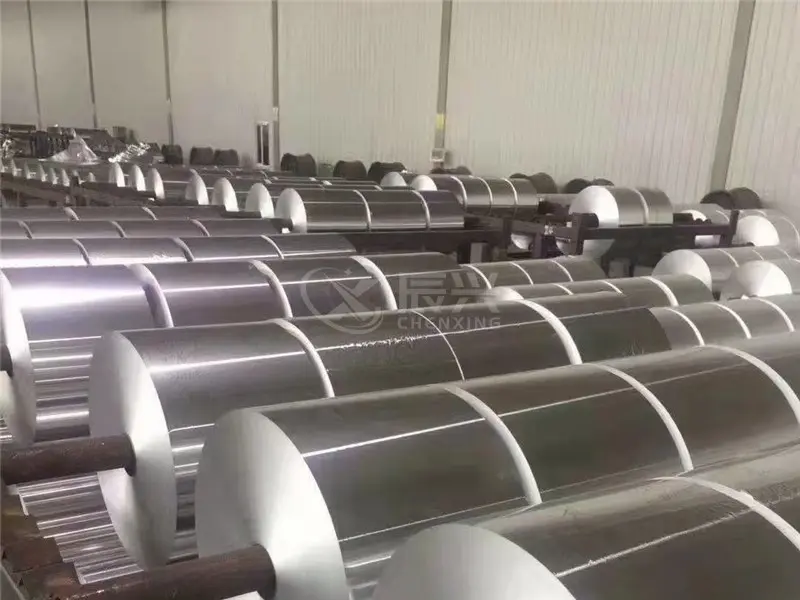
High-grade aluminum coils, structural foils, and high-purity circles customized to meet precise industrial specifications.
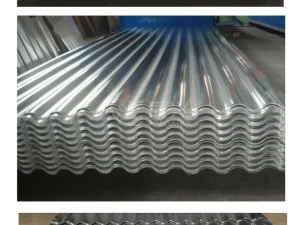
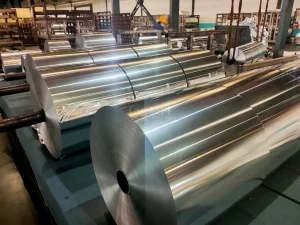
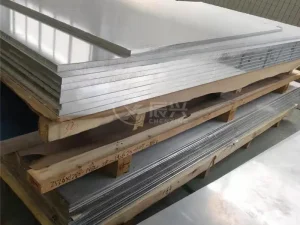
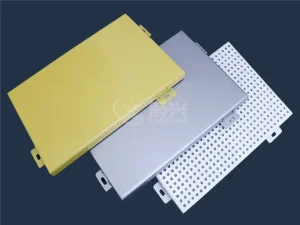

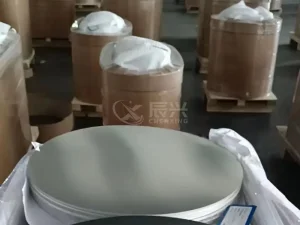
Browse our core structural components, circles, foils, and specialized packaging materials designed for industrial integrations.
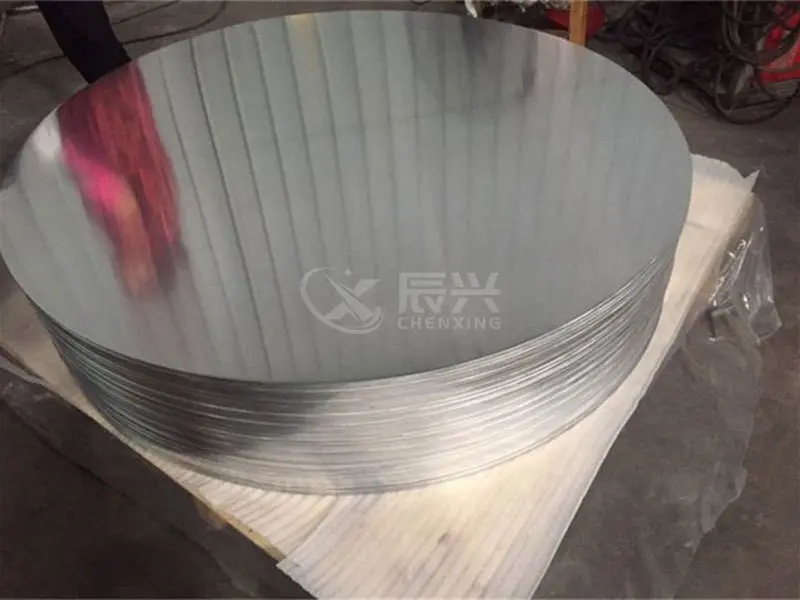
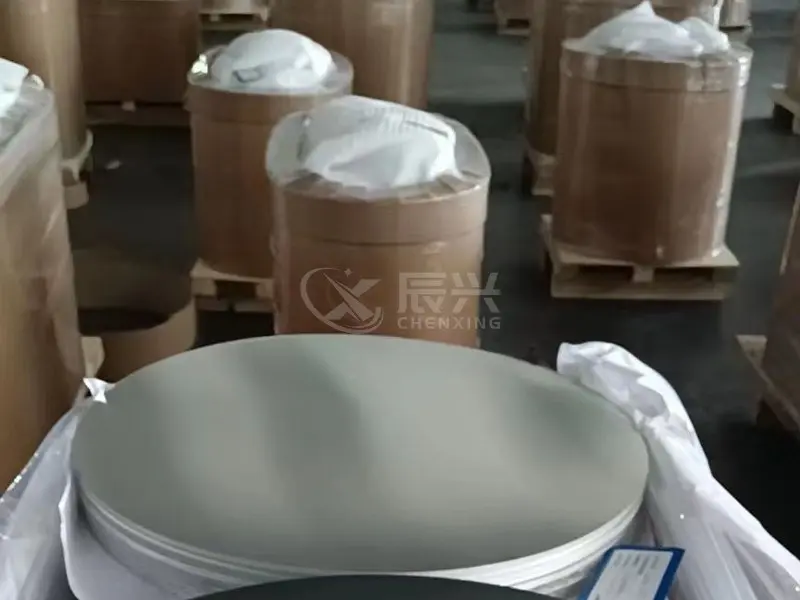
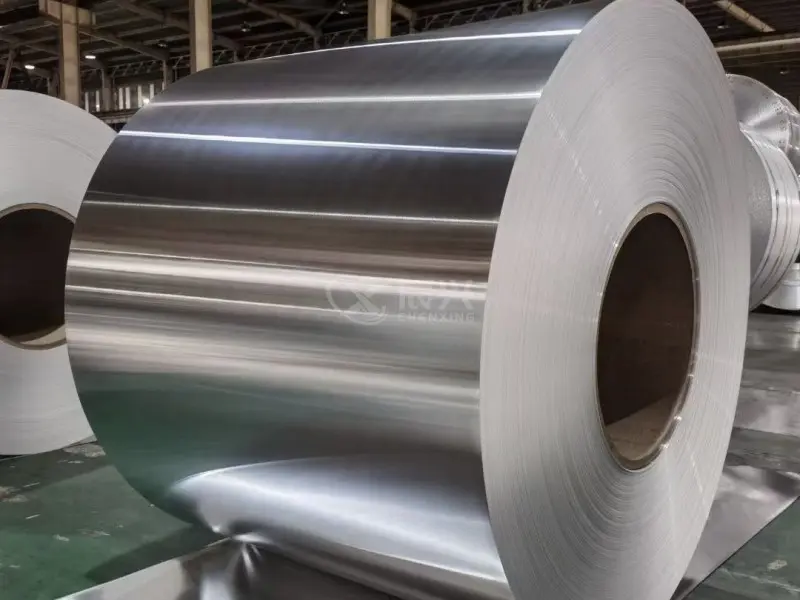
Stay informed with current insights on market conditions, metallurgical innovations, and international packaging regulations.
Our manufacturing facilities increase production capacity to meet growing global demand for high-performance structural materials and specialized alloys.
Read More →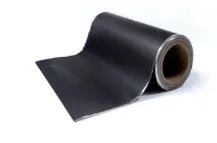
An in-depth look at structural developments in carbon-coated battery foils, engineered to support next-generation energy storage applications.
Read More →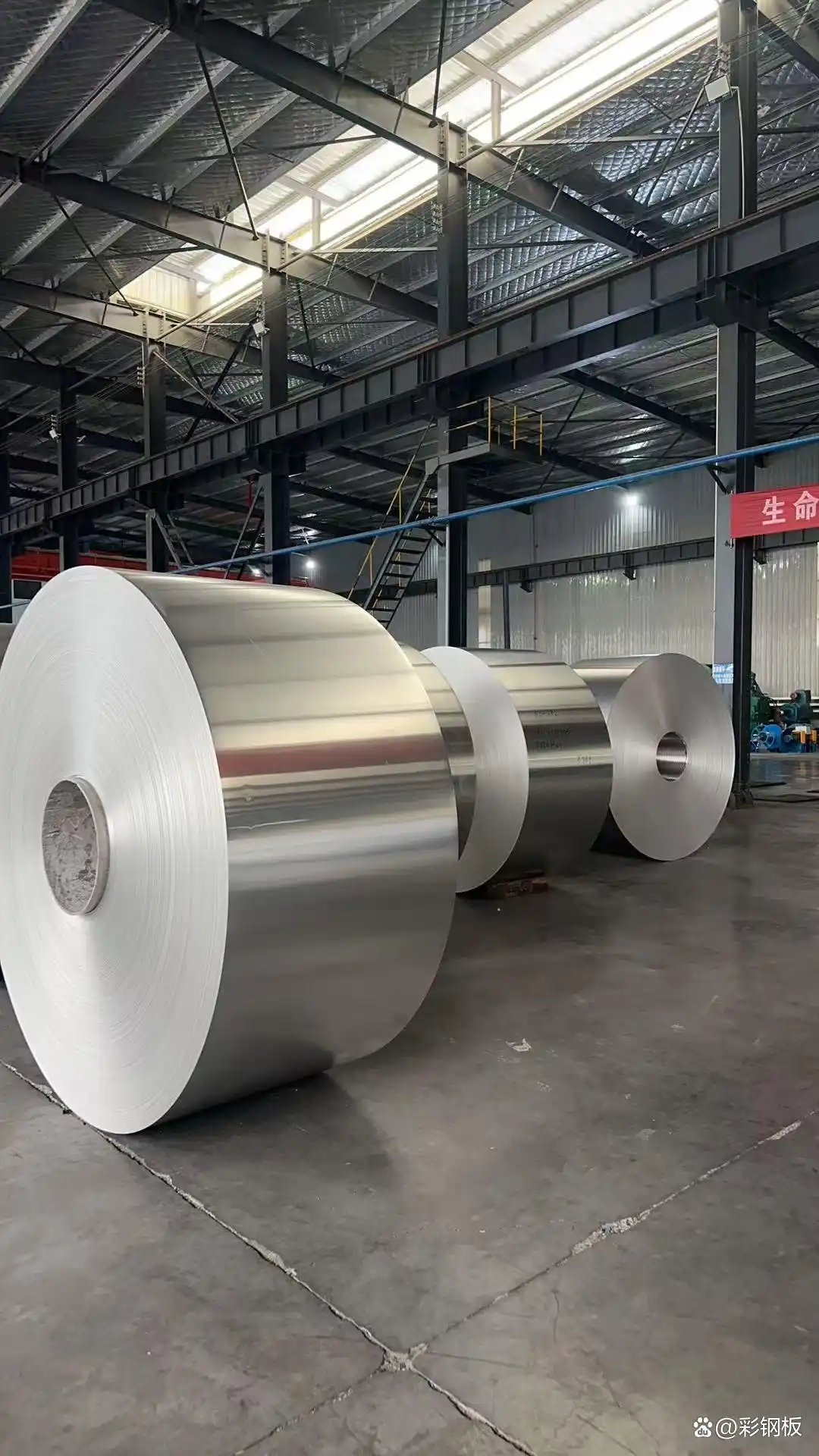
Analysis of how carbon reduction initiatives and recyclability requirements are accelerating the adoption of aluminum coils across key industrial sectors.
Read More →Helpful answers to common questions regarding technical specs, tooling, delivery schedules, and compliance.
Standard production times for primary body stocks (such as AA 3104 H19 coils) range between 30 to 45 days. This allows for precise alloy casting, hot rolling down-gauging, cold rolling, tension leveling, and metallurgical inspections.
We partner with leading chemical coaters (such as Valspar/Sherwin-Williams and AkzoNobel) to apply certified Bisphenol-A Non-Intent (BPA-NI) epoxy coatings. Each batch is supplied with full material safety declarations and migration analysis reports.
Every batch undergoes strict testing, including hydraulic dome reversal pressure checks (minimum target 90 PSI), buckle resistance tests, wall thickness validation via laser micrometer, and 100% pin-hole detection on high-speed filling lines.
Yes. We offer PCR aluminum content options. Sourcing recycled alloys lowers the carbon footprint of products and aligns with CBAM certifications for the European market.
Get in touch with our technical sales team for comprehensive alloy sheets, tooling drawings, and customized factory pricing. We respond to all inquiries within 24 hours.