
A comprehensive analysis of metallurgy, manufacturing intelligence, global procurement mechanics, and emerging structural application landscapes.
The global demand for high-performance Aluminum Alloy Strip has experienced exponential growth due to the clean energy transition, electrification of automobiles, and modernization of structural engineering projects. As specialized industrial applications demand components with highly optimized weight-to-strength ratios, selecting the appropriate chemical composition and mechanical temper profile is vital to ensuring project efficiency.
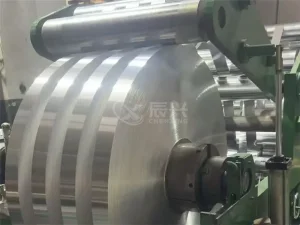
Aluminum strips are produced through strict downstream processing of master coils. High-precision rolling mills systematically decrease the raw aluminum thickness down to precise dimensions, ranging anywhere from 0.1 mm to 3.0 mm, before slitters cut them to targeted widths. Trace elements added to pure aluminum determine the mechanical qualities of each specific alloy. For instance, manganese addition in 3xxx series alloys generates excellent workability and corrosion protection, whereas magnesium additions in 5xxx series alloys dramatically enhance tensile strength and saltwater durability, making them highly requested for structural and maritime integrations.
To assist procurement managers in choosing the right material profile, the following detailed matrix breaks down the technical designations, core properties, and structural purposes of various aluminum alloys:
| Alloy Family | Chemical Indicator | Primary Characteristics | Common Industrial Temper | Standard Core Application |
|---|---|---|---|---|
| 1xxx Series (e.g., 1050, 1060) | Al ≥ 99.50% | Superb electrical conductivity, extreme thermal dissipation, high ductility. | O (Soft Annealed), H14 | Transformer windings, power capacitors, electronic heat sinks. |
| 3xxx Series (e.g., 3003) | Al-Mn | Great formability, superior atmospheric protection, high weldability. | H14, H24, O | HVAC heat exchanger fins, radiator tubes, deep-drawn components. |
| 5xxx Series (e.g., 5052, 5083) | Al-Mg | Excellent fatigue resistance, high tensile strength, outstanding marine life. | H32, H34, O | Structural components, ship decks, chemical process equipment. |
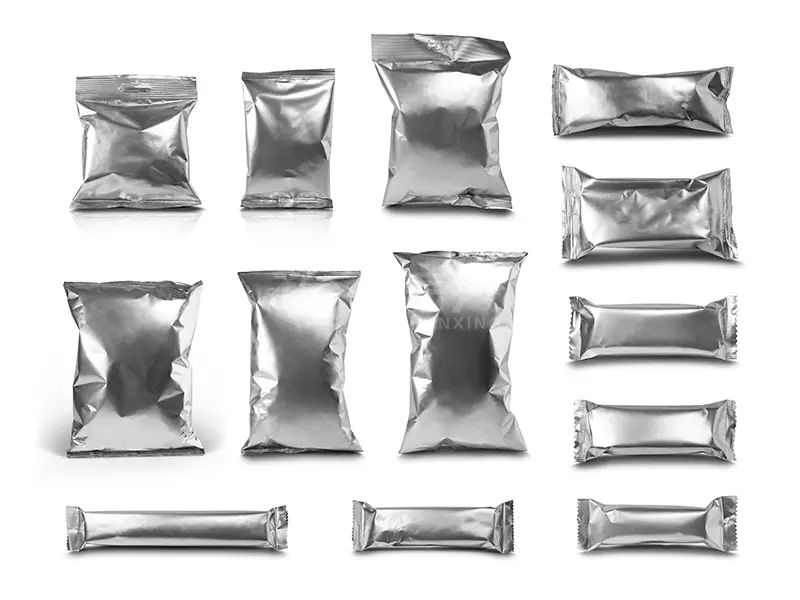
| 8xxx Series (e.g., 8011) | Al-Fe-Si | High tensile strength, tight pinhole-free sealing, optimal elasticity. | O, H18, H22 | PEX-AL-PEX multilayer composite tubes, structural barrier packaging. |
The transition toward smart factories has reshaped the landscape of aluminum manufacturing in China. By adopting Industry 4.0 protocols, tier-1 Chinese factories have integrated IoT-based sensor arrays, automated cold rolling mills, and laser-guided slitting tools. This digital framework provides key structural benefits to global procurers:
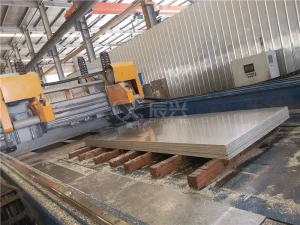
Our verified metallurgy network features heavy machinery and smart tracking systems built for cross-border industrial integration.


Purchasing raw metal components requires assessing processing parameters beyond chemical composition. To guarantee seamless performance across highly complex automated assembly lines, standard checks must be conducted:
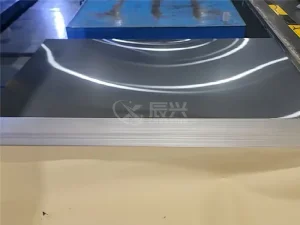
1. Surface Flatness and Shape Control: Strip wave patterns or bowing can stall stamping systems. Advanced tension-levelers apply controlled tensile stress to the strip while drawing it through alternating rollers, yielding a flat sheet with minimal internal stress.
2. Edge Condition: Slit edges can be customized to show rounded finishes, broken burrs, or clean square shapes, depending on the dynamic layout of the final application. This is critical for preventing internal electrical failure in dry-type transformers where sharp edge profiles can puncture outer insulation wrap.
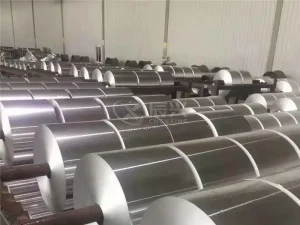
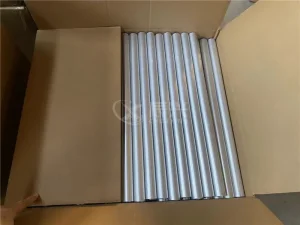
3. Coil Mechanics: To prevent core collapse during shipping, factories employ reinforced cardboard cores, steel rings, or heavy wooden supports. The inner diameter (ID) must match standard pay-off decoilers, with 150mm, 300mm, or 500mm being standard options.
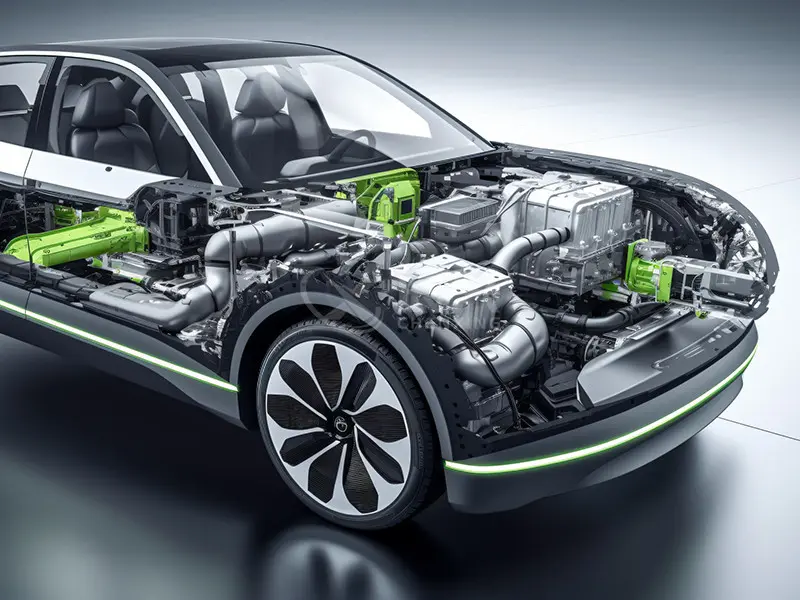
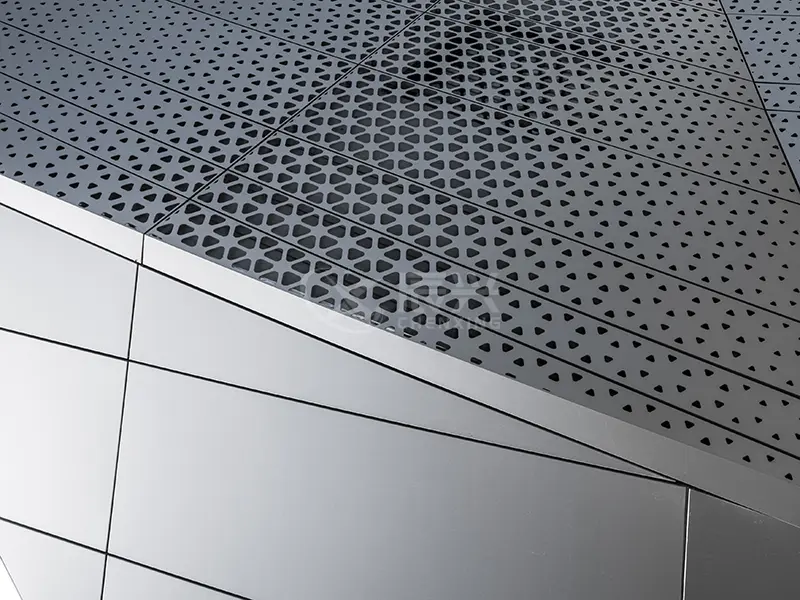
Targeted alloy solutions specifically configured for specialized applications and harsh operational settings.



Stay up to date with shifting global export markets, battery-grade materials development, and eco-friendly manufacturing technologies.

Discover how modern capacity upgrades help us meet mounting global demand for thin-gauge metal alloys.
Read Full Article →
Exploring performance criteria, cleaning steps, and surface tension parameters for next-gen EV batteries.
Read Full Article →
Analyzing green casting methods, scrap recycle loops, and low carbon alloy trends in architectural design.
Read Full Article →Direct metallurgical feedback addressing common sourcing inquiries, quality verification steps, and shipping safety protocols.
Contact our engineering sales division. We provide full chemical composition analysis sheets, dimensional tolerances, and pricing estimates within 24 hours.