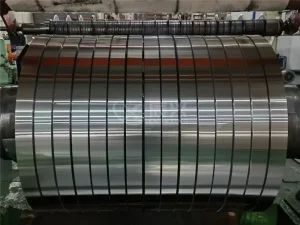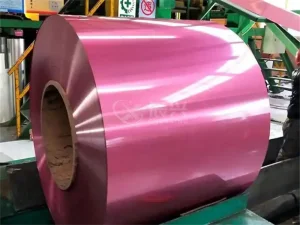
Explore our flagship portfolio of engineered coils, sheets, foils, and specialized cladding profiles direct from advanced Chinese manufacturing plants.
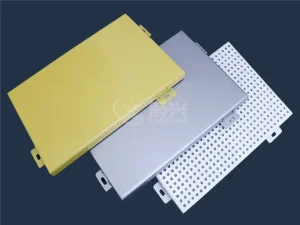
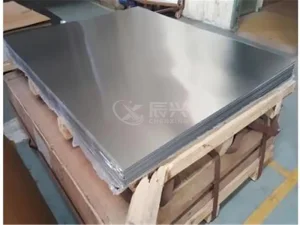
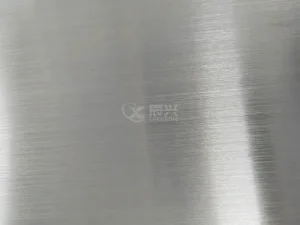
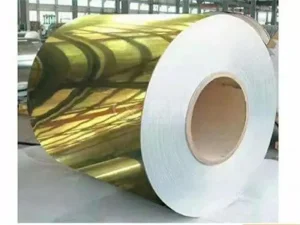
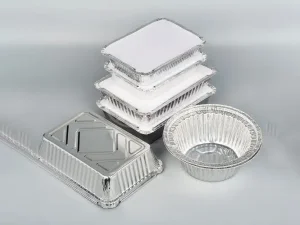
Providing structural transparency, high product consistency, and optimized export logistics to downstream supply lines globally.
Established smelting and casting operations managing complex structural configurations.
Supplying compliant alloy materials across North America, the EU, and Southeast Asia.
Real-time optical spectroscopy and dimensional tracking systems at every phase.
Direct communication with lead engineers to resolve metallurgical deviations quickly.
The demand for high-grade aluminum alloy coils has surged as global industry faces strict carbon reduction targets and lightweight mandate pressures. As critical components in structural engineering, electrical vehicle architectures, thermal barrier insulation, and consumer goods, aluminum alloy coils provide the optimal strength-to-weight ratio required for next-generation design engineering. Chinese manufacturers have optimized their industrial manufacturing process from raw bauxite refining to precision cold rolling, positioning themselves at the center of the global commercial metal supply chain.
By using localized industrial clusters in provinces like Henan and Shandong, Chinese factories have integrated vertical manufacturing pipelines. This enables the direct control of molten metal composition, reducing secondary melting costs and minimizing trace impurities. This operational scale enables competitive pricing configurations while maintaining strict compliance with ASTM, EN, and JIS standards. In the face of volatile global supply chains, partnering with reliable China factories ensures consistent material availability, optimized logistics networks, and long-term price stability.
Strategic Insight for Procurement Officers: By standardizing alloy purchases under multi-batch rolling contracts, industrial buyers can leverage direct mill access to protect against raw material price shocks and secure customized thickness tolerances down to ±0.01mm.
Selecting the correct metallurgical alloy is crucial to ensure structural integrity and operational life in demanding applications. Below is a breakdown of the primary alloy families processed through our rolling mills:
| Alloy Group | Key Elements | Mechanical Tensile Strength (MPa) | Corrosion Index | Core Industrial Application |
|---|---|---|---|---|
| 1xxx Series (e.g., 1050, 1060) | Al ≥ 99.0% | 60 - 150 | Excellent | Electrical busbars, capacitors, high-purity electrical foil, chemical processing pipes |
| 3xxx Series (e.g., 3003, 3104) | Manganese (Mn) | 110 - 260 | Very High | Beverage cans, HVAC heat exchangers, corrugated roofing sheets, vehicle heat shields |
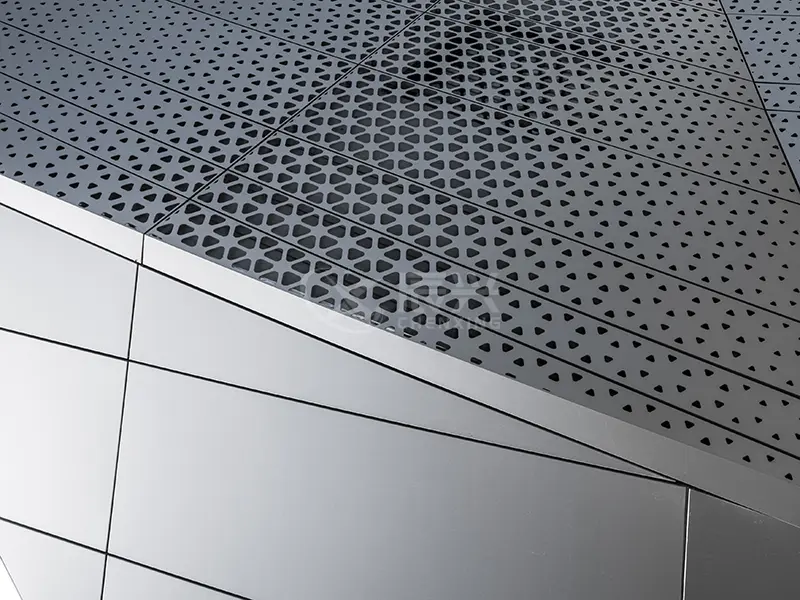
| 5xxx Series (e.g., 5052, 5754) | Magnesium (Mg) | 190 - 350 | Superior (Marine) | Marine hulls, automotive body panels, fuel systems, structural transportation modules |
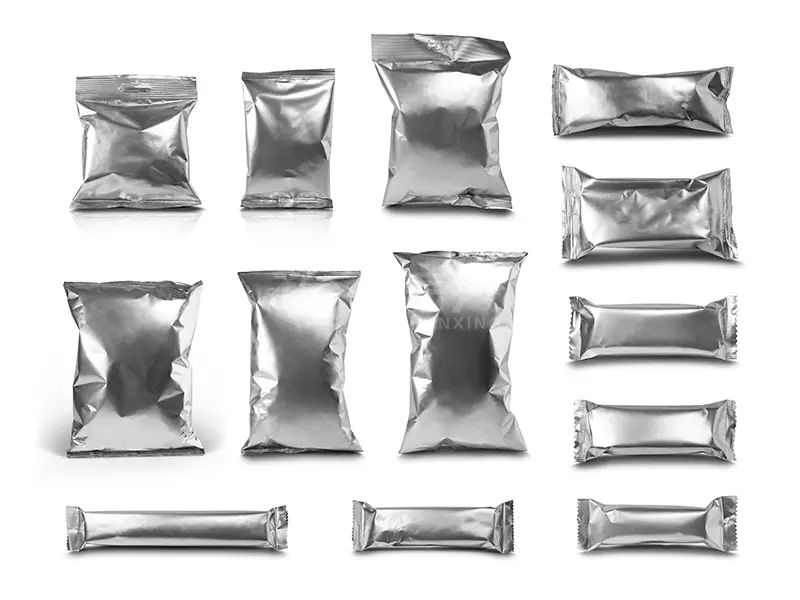
| 8xxx Series (e.g., 8011) | Fe & Si additions | 80 - 180 | High | High-density packaging foil, food containers, laminated building materials |
Our products are engineered for specific stress, environmental, and forming parameters across key global sectors.
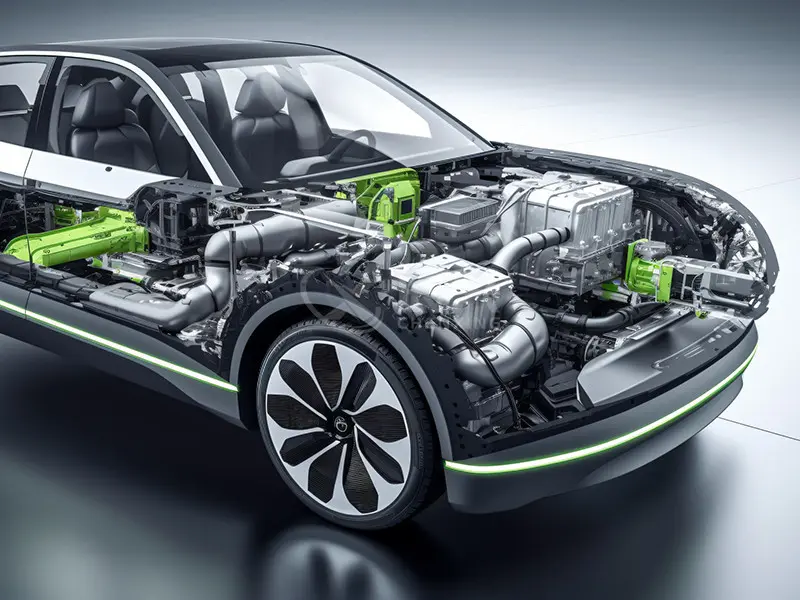



Exporting high-tonnage industrial goods requires strict compliance with international regulations. Modern Chinese manufacturing plants have updated their verification processes to conform to key certifications, including ISO 9001:2015, IATF 16949 (for automotive safety components), and CE marking standards for European construction projects. Additionally, for food-grade foils, compliance with both FDA (United States) and EU Directive 10/2011 is standard, ensuring the absence of toxic migration in high-temperature processing.
To assist global buyers dealing with regional tariff structures, anti-dumping duties, and customs classifications, top manufacturers now provide comprehensive compliance support. This includes providing detailed Certificates of Conformity (CoC), mill test reports (MTRs) according to EN 10204 3.1, and assistance with customs clearance documents to streamline importing. Utilizing professional logistics planning reduces delivery risks, ensuring that custom-ordered coils arrive damage-free at domestic ports.
Industrial sustainability is shifting from a preference to a necessity. To help clients meet Scope 3 emissions targets, Chinese factories are investing heavily in cleaner production. By sourcing low-carbon primary aluminum refined using renewable energy (such as hydropower in southwestern China) and increasing the ratio of recycled post-industrial scrap, the carbon footprint per ton of aluminum coil is significantly reduced.
This sustainable focus matches green building certification systems like LEED and BREEAM, making sure that your procurement remains environmentally compliant as global regulations evolve.
Processing technologies are evolving to support high-performance industrial applications. By replacing traditional hot-rolling methods with advanced continuous casting and cold-rolling setups, manufacturers can refine grain boundaries, improving the material's mechanical properties. Innovations in tension leveling and computerized rolling force control minimize thickness variance, ensuring flat, uniform shapes for high-speed stamping and punching applications.
Delivers homogeneous metallurgical structure, minimizing internal segregation in high-magnesium 5xxx alloy series.
Eliminates edge wave and center buckle defects, ensuring stress-free flatness for high-precision laser cutting.
Applies high-resolution optical cameras to detect pinholes, roll marks, and surface scratches during production.
Addressing the common engineering and logistical questions asked by global industrial buyers.
To prevent white rust (oxidation) during ocean transit, coils are packed using export-grade methods. This includes applying a light protective oil coat (or dry treatment depending on application), wrapping the coil in fiber reinforced paper and plastic film, adding desiccant packs, and securing it in a wooden cradle to prevent movement inside the shipping container.
Every shipment is accompanied by a Mill Test Certificate (MTC) matching EN 10204 3.1. We perform chemical composition analysis using optical emission spectrometers, along with tensile testing for yield strength, tensile strength, and elongation. For architectural panels or deep-draw materials, we also offer bend tests, roughness inspections, and earing test verifications.
For standard alloy series, lead times range from 15 to 25 days depending on the rolling schedule. Non-standard dimensions, custom surface coatings (PVDF/PE), or specialized tempers (e.g., specific H-tempers or T6 treatments) typically take 30 to 45 days. We also offer stocking programs for long-term supply contracts.
High-speed manufacturing requires consistent thickness to prevent tool wear and tearing. For standard stamping, a thickness tolerance of ±3% is typical. For high-precision applications like battery casings or thin foils, we can restrict tolerance variations to within ±1.5% using our automated gauge control (AGC) systems.
Stay informed on the latest metallurgical developments, clean-energy standards, and international market dynamics.
Expanding manufacturing capabilities drive increased export volume for high-precision aluminum coil products globally.
Read Full Article →
The rapid growth of the electric vehicle market continues to drive global demand for thin, high-tensile battery current collector foils.
Read Full Article →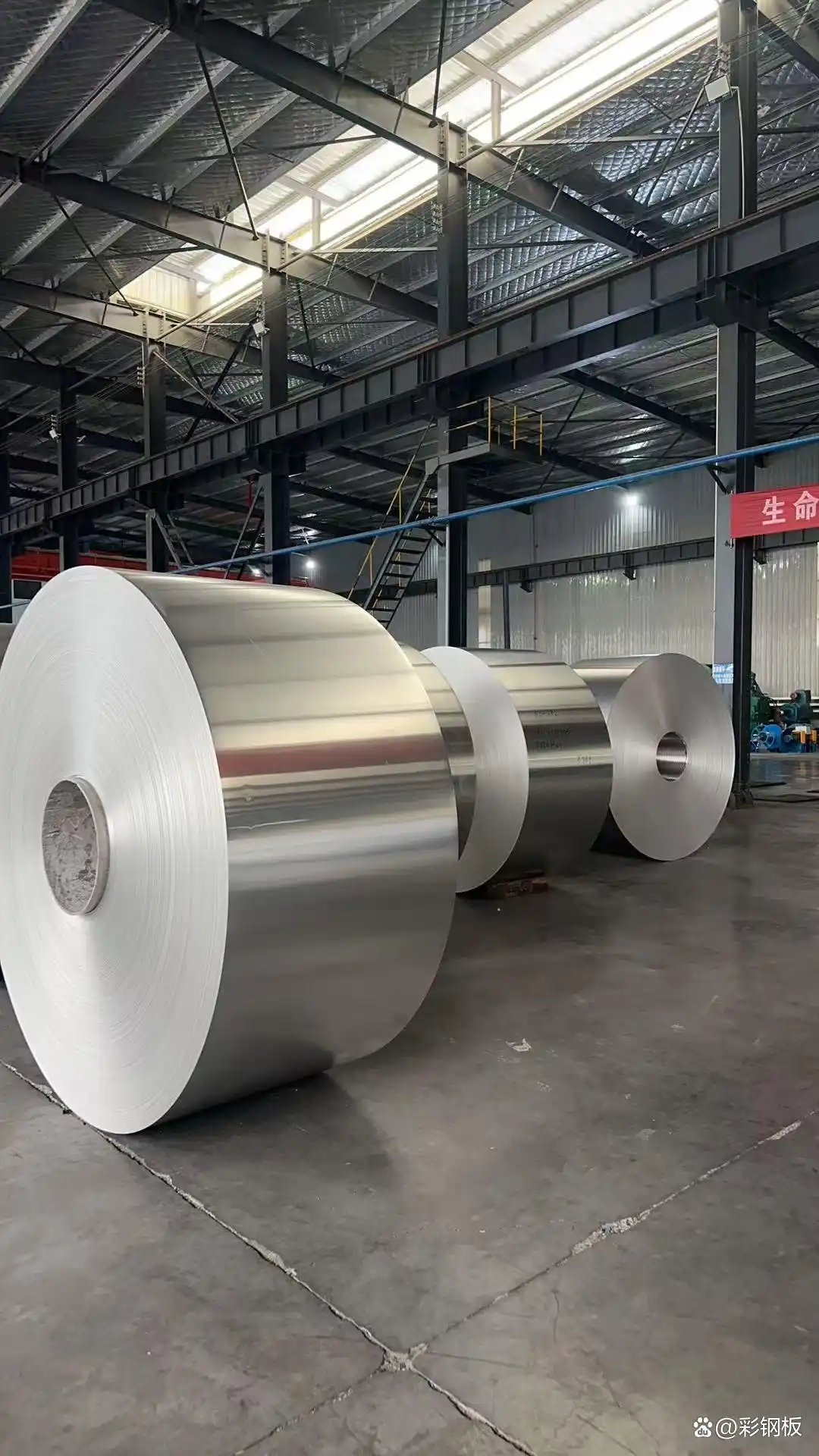
Environmental policies and circular economy initiatives are boosting the demand for easily recyclable materials in packaging and building construction.
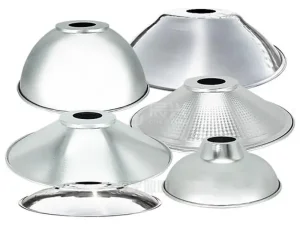
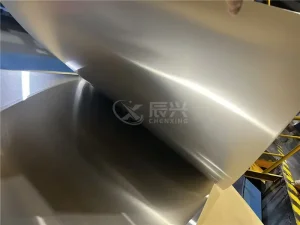
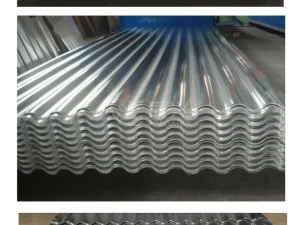
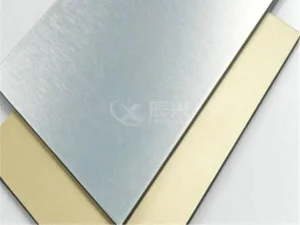
Read Full Article →Additional custom products tailored to specific engineering and manufacturing specifications.
Speak directly with our technical support team to determine the optimal alloy chemistry, mechanical properties, and delivery schedules for your project requirements.
Submit Inquiry Now