
Direct factory supply featuring precision-engineered structural alloys, slip-resistant embossed sheets, and advanced clad metals.
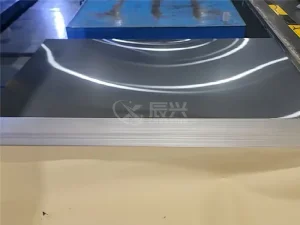
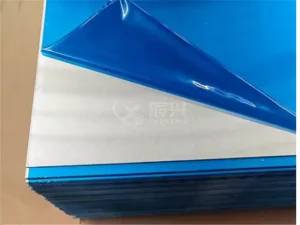
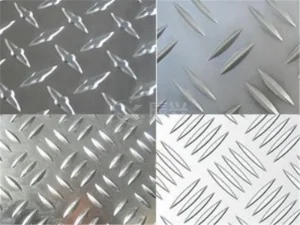
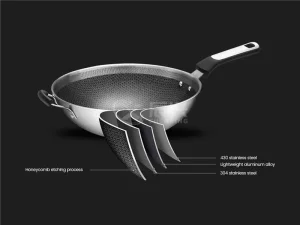
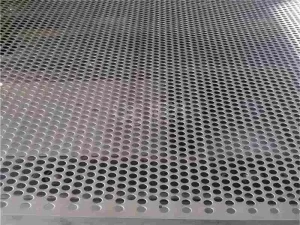
Combining over two decades of metallurgical research and global logistic deployment to yield high-efficiency supply networks.
An authoritative white paper investigating aluminum alloy processing, market dynamics, localization frameworks, and future technical roadmaps.
The global industrial sectors are experiencing massive demand changes, forcing manufacturers to transition toward lightweight, highly sustainable material alternatives. Aluminum sheets and coils stand at the center of this movement. By utilizing advanced cold-rolling, annealing, and surface treatments, manufacturers provide solutions that significantly decrease weight while maintaining tensile strength, reducing energy footprint across transportation and logistics networks.
Modern production facilities leverage continuous casting technologies alongside computerized gauge control (AGC) to supply alloys with flat tolerances and defect-free surfaces. This is critical for automated secondary manufacturing (stamping, forming, deep-drawing, and laser cutting), where variation in material thickness causes equipment down-time. Through systemic integration of metallurgical supply lines, Chinese mills offer raw stock as well as pre-processed structural profiles designed for high fatigue resistance and structural stability.
The contemporary commercial landscape for aluminum sheets demands agile response frameworks to navigate fluctuating energy costs, carbon taxes (such as EU's CBAM), and shipping bottlenecks. As key partners in the global supply grid, Chinese manufacturing centers have optimized their raw ingot sourcing and vertical integration to provide pricing structures that protect OEM supply chains.
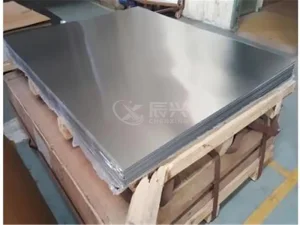
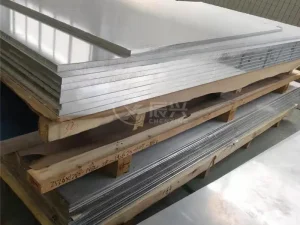
This stability is maintained through advanced financial hedging strategies combined with local stock programs. By keeping large stock reserves of primary alloys (1050, 3003, 5052), factories ensure consistent lead times despite global logistics volatility. Additionally, modern deep-sea packing protocols—incorporating vapor-corrosion-inhibiting (VCI) films and robust wooden cradles—guarantee that materials cross oceans without surface degradation or galvanic oxidation.
Selecting the correct alloy grade is vital for mechanical durability and cost efficiency. The table below represents a comparative matrix of key industrial alloys manufactured in our integrated facility:
| Alloy Series | Principal Elements | Yield Strength (MPa) | Elongation (%) | Primary Application Fields |
|---|---|---|---|---|
| 1050 / 1060 | Al ≥ 99.50% | 65 - 130 | 12 - 35 | Electrical conductors, heat exchangers, chemical storage containers |
| 3003 | Al-Mn (Manganese) | 110 - 190 | 8 - 25 | HVAC ducting, deep-drawn kitchenware, fuel tank casings, roofing panels |
| 5052 | Al-Mg (Magnesium) | 190 - 270 | 7 - 20 | Marine structural parts, electronic enclosures, pressure vessels |
| 5754 | Al-Mg (Higher Mg) | 200 - 290 | 9 - 22 | Automotive spaceframes, heavy-duty tread plates, structural structures |
Meeting local technical regulations is critical for structural and industrial integration. Compliance protocols require rigorous third-party certifications including:
How our specialized aluminum sheet structures serve vital sectors, delivering structural weight reduction and excellent surface quality.

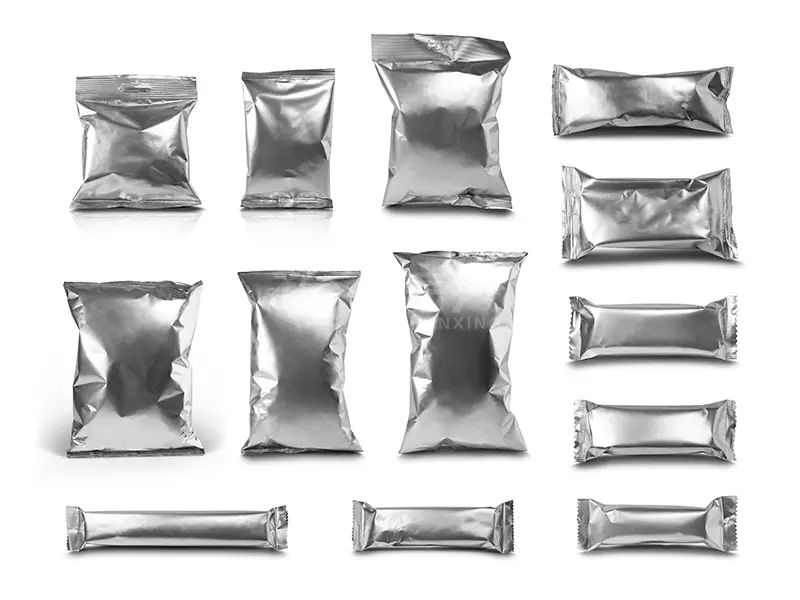


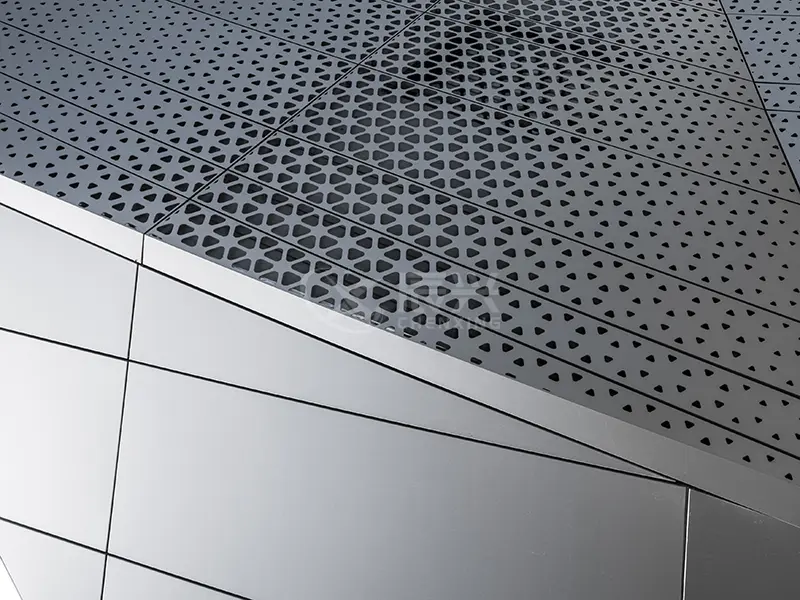

The future of aluminum sheet manufacturing centers on lowering carbon intensity (Scope 1, 2, and 3 emissions). Our factory development focuses on adopting low-carbon smelting processes powered by green hydro-electricity, alongside closed-loop sorting systems that reclaim pre-consumer scrap. Through these steps, we aim to produce sheets with up to 75% recycled content without reducing material mechanical performance.
Simultaneously, we are developing micro-alloying techniques designed to refine grain structure. Adding trace elements like scandium (Sc) and zirconium (Zr) to the 5xxx-series allows us to achieve high tensile limits in thinner sheets, enabling lightweight component designs that do not compromise structural safety.
Stay informed with updates from our global manufacturing plants and international market analysis.
Global demand for semi-finished sheets drives manufacturing capacity expansions and faster international shipping lanes.
Read Full Update
Investigating the growth in lithium-ion batteries and the thin foil specifications needed for safe current collectors.
Read Full Update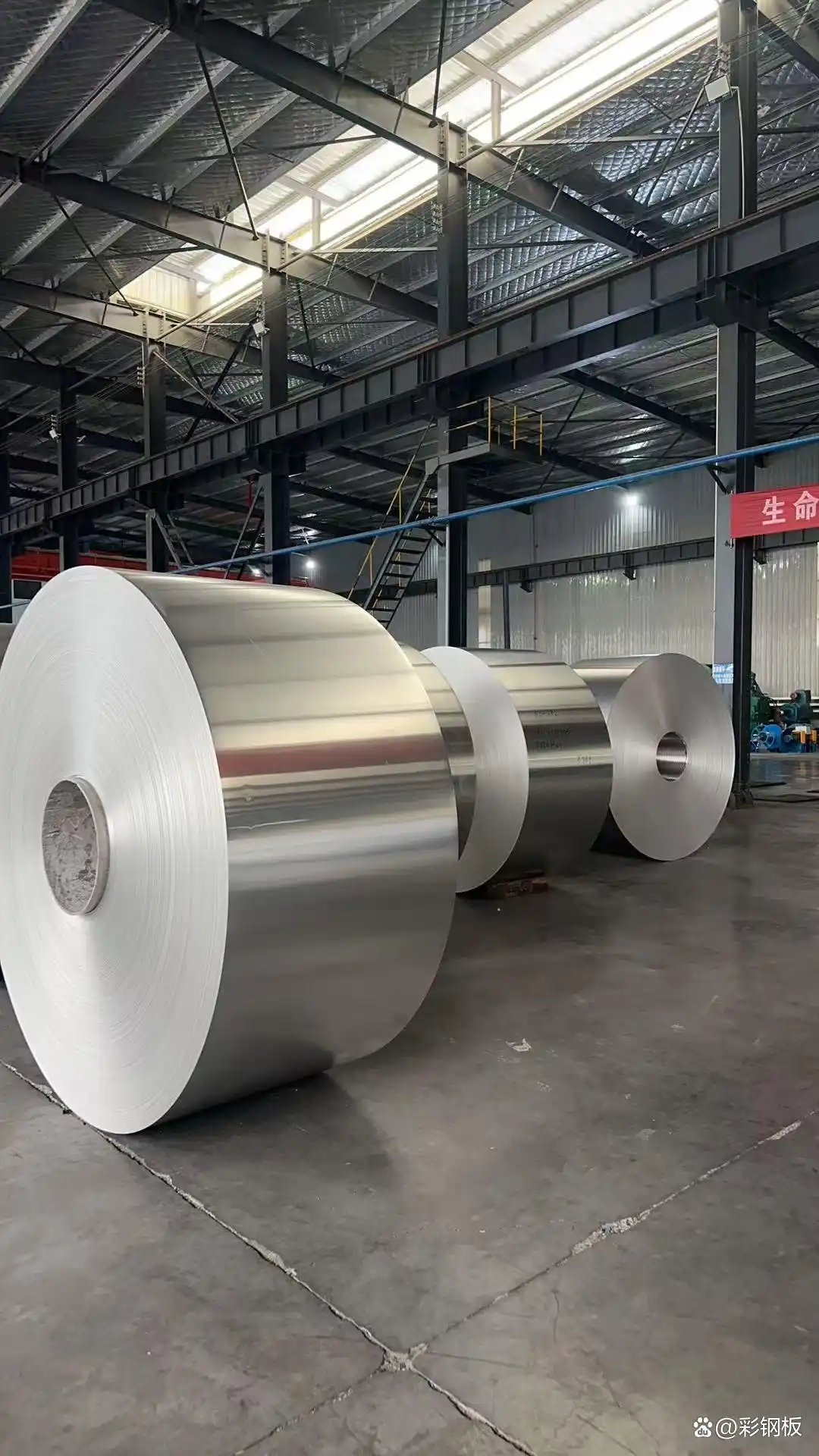
Analyzing structural shifts as the building sector targets low-carbon materials for urban construction.
Read Full UpdateExpert answers regarding procurement, mechanical specifications, and surface treatments.
3003 is alloyed with Manganese (Mn), providing moderate strength, excellent workability, and cost efficiency for HVAC and general sheet metal work. 5052 is alloyed with Magnesium (Mg), which increases tensile and yield strength, improves corrosion resistance in marine environments, and makes it suitable for structural parts.
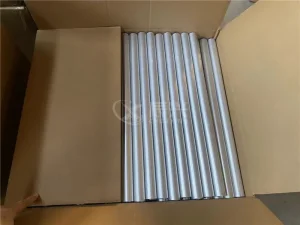
We apply vapor-corrosion-inhibiting (VCI) paper and plastic wrap to prevent air exposure. We secure the sheets tightly to robust wooden pallets and include silica gel desiccant packs inside the export packaging to absorb any condensation during transit.
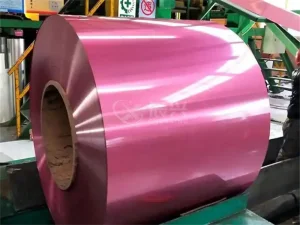
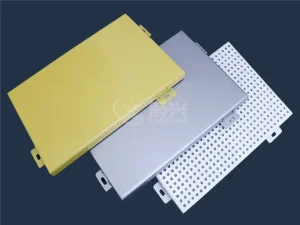
Yes. We supply polyester-coated (PE) and fluorocarbon-coated (PVDF) color aluminum sheets. Our prepainted line produces uniform coating thickness and adhesion, providing long-term resistance to weather and UV exposure.
We run an 8D problem-solving process. We trace the material batch code back to its casting furnace heat, analyze testing samples kept in our QC archives, determine the root cause, and implement corrected process controls within 24 hours.
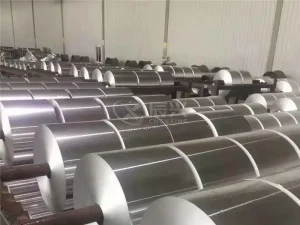
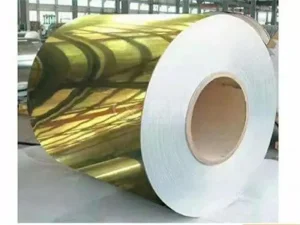
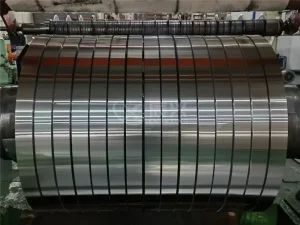
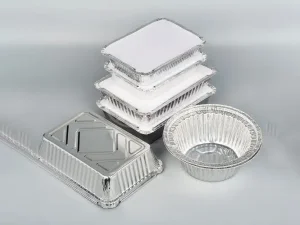
Advanced reflective, conductive, and specialty products designed to meet demanding industrial and commercial applications.
Contact our technical sales team for detailed product specifications, project pricing, and mill compliance certificates. We resolve all inquiries with a full technical response within 24 hours.
Submit RFQ Now