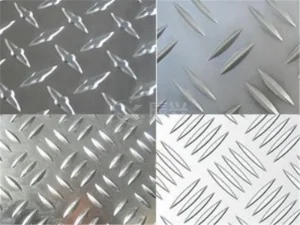
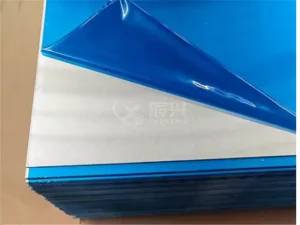
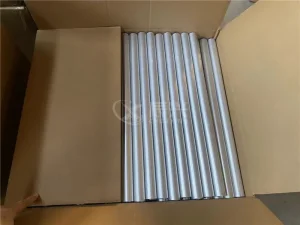
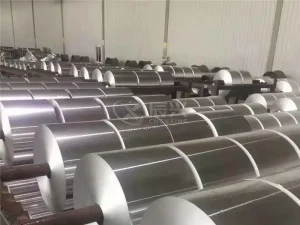
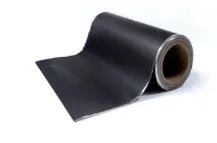
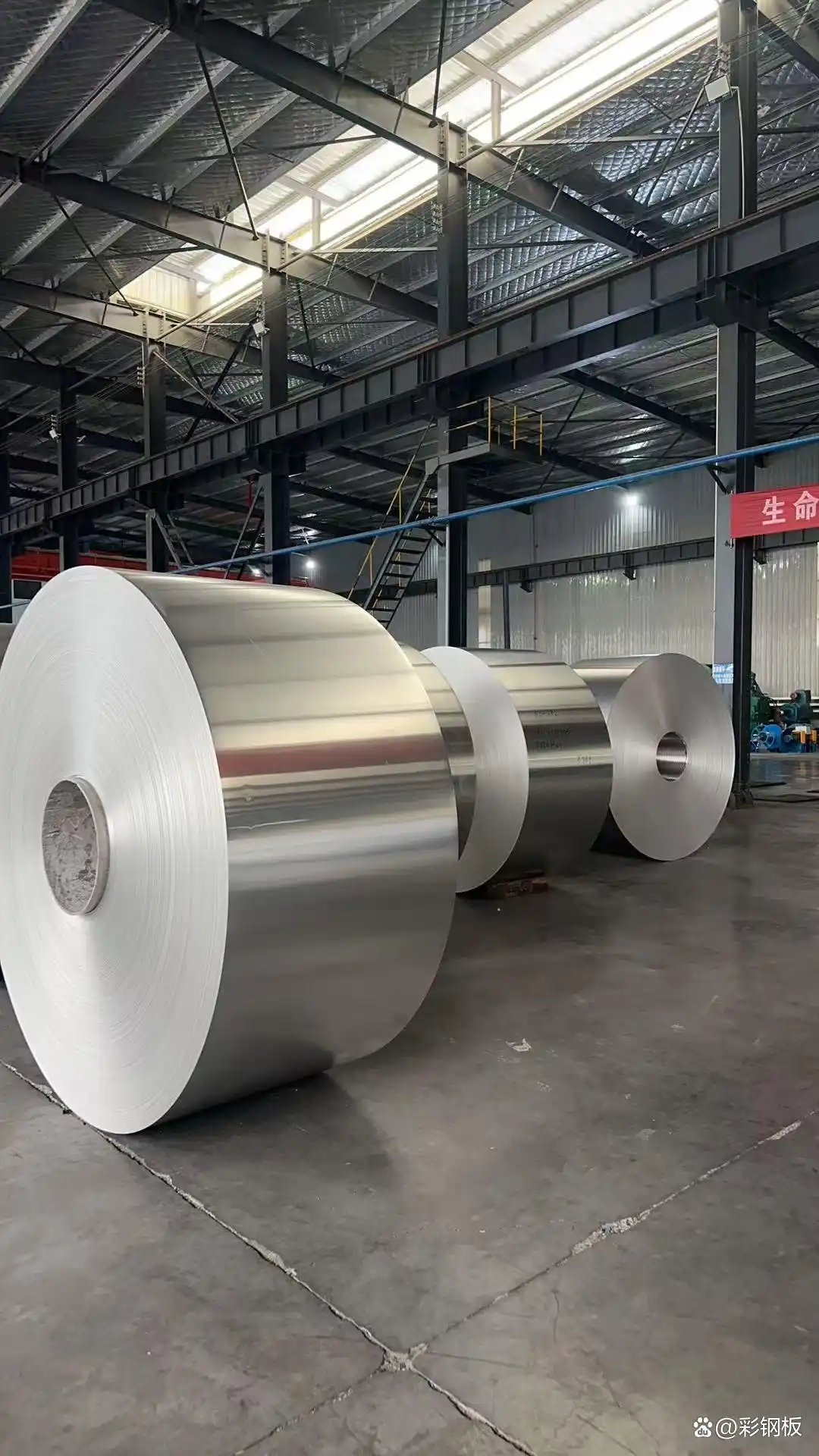
Engineered for architectural engineering, heavy structural covers, precision electronics protection, and diverse commercial applications.
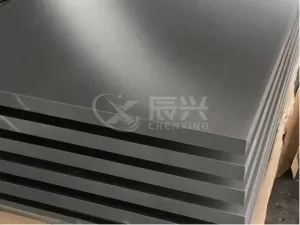
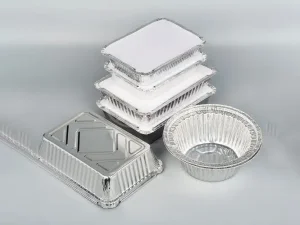
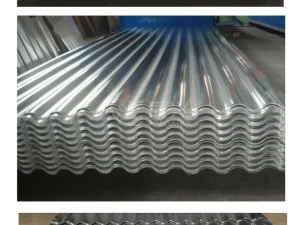
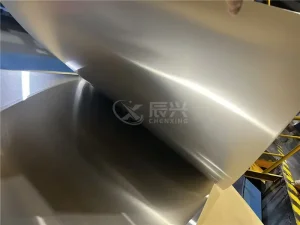
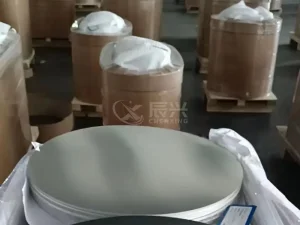
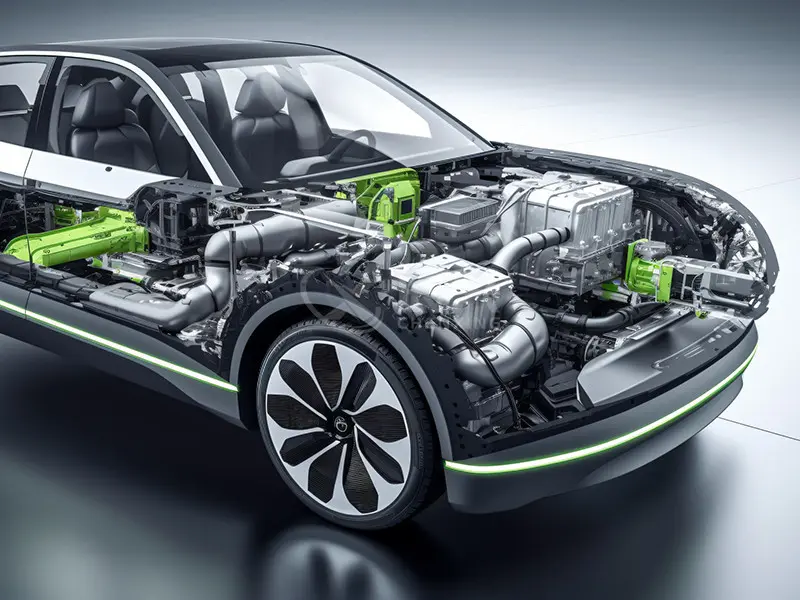
Aluminium sheet covers serve as critical protective shields and functional panels across massive global sectors including aerospace engineering, transport superstructures, high-speed rail cabins, battery casing structures, and advanced building envelopes. Today, China stands as the powerhouse for aluminium metallurgy and precision milling, contributing over 55% of the world's rolled aluminium flat products.
Modern manufacturing plants in China leverage state-of-the-art continuous casting, hot rolling mills (1+4 setups), and high-precision cold rolling mills to produce sheet covers that meet stringent tolerances (ASTM B209, EN 485, and JIS H4000). The combination of direct proximity to raw primary bauxite smelters and vertically integrated processing lines provides international procurement officers with unmatched scale, design customization, and economic efficiencies.
Information Gain Perspective: Current global supply challenges dictate that buyers do not just look at unit prices. Under the implementation of EU Carbon Border Adjustment Mechanism (CBAM) and global ESG directives, leading Chinese manufacturers are shifting processes to low-carbon primary smelting powered by hydropower and adopting closed-loop industrial scrap recycling systems to keep carbon footprints minimal.
Selecting the appropriate alloy determines the environmental limits, mechanical lifespan, and physical durability of an aluminium sheet cover. Below is an engineering breakdown of standard alloys utilized in structural covers and sheet fabrication:
| Alloy Series | Main Characteristics | Standard Applications for Sheet Covers |
|---|---|---|
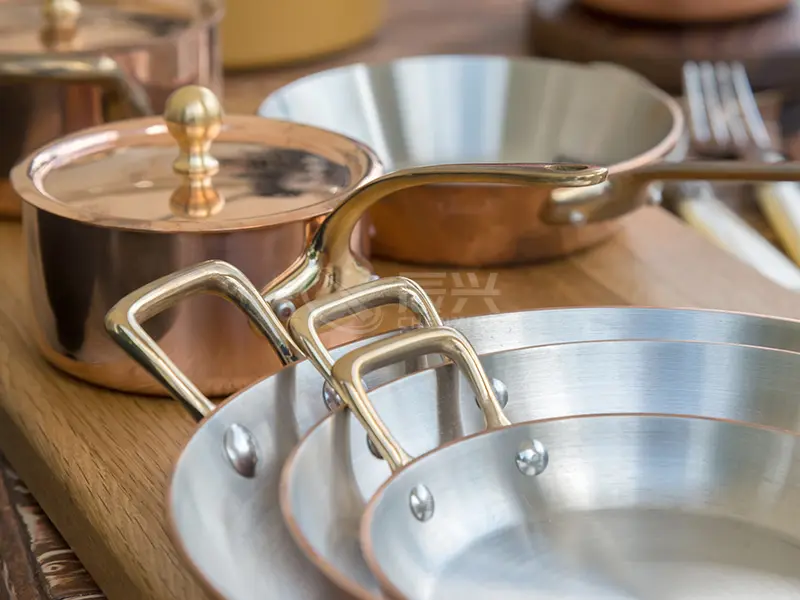
| 1xxx Series (e.g. 1050, 1060) | 99.0%+ Pure Aluminum. Excellent thermal/electrical conductivity, high corrosion resistance, superb formability. Low mechanical strength. | Reflective instrument enclosures, HVAC duct jackets, Chemical tank protective wraps, deep-drawn domestic items. |
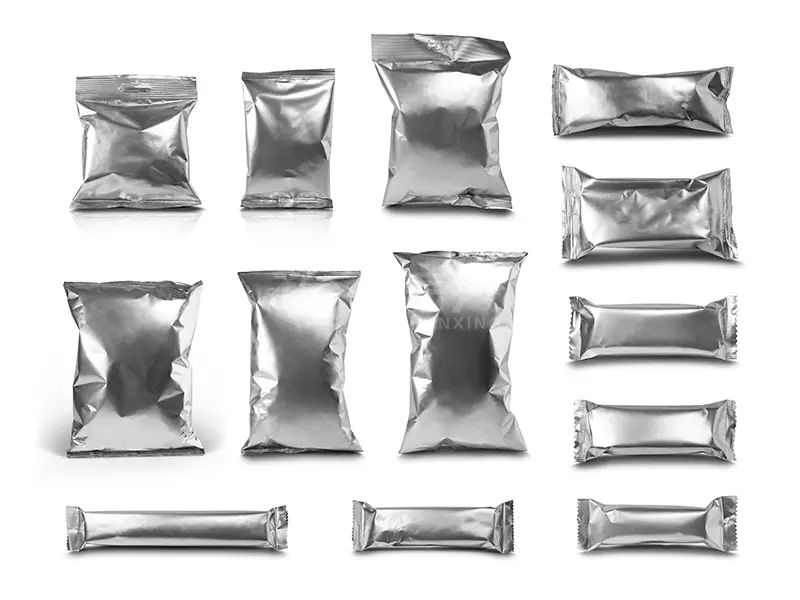
| 3xxx Series (e.g. 3003, 3104) | Manganese-alloyed. Formidable workability, ~20% stronger than 1xxx, highly weldable and exceptionally corrosion resistant. | Automotive heat shields, electrical equipment cladding, storage containers, beverage can bodies. |
| 5xxx Series (e.g. 5052, 5754) | Magnesium-alloyed. Highly resistant to marine environments and alkaline corrosion. Excellent fatigue strength and structural integrity. | Marine vessel covers, subsea hardware enclosures, fuel tanks, heavy transport panels, architectural curtain walls. |
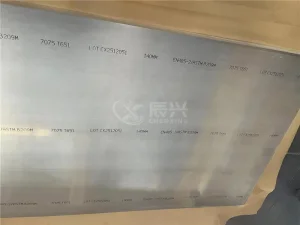
| 7xxx Series (e.g. 7075) | Zinc-alloyed. Ultra-high tensile strength comparable to structural steel, heat-treatable, high strength-to-weight ratio. Harder to form. | Aerospace structural casings, military armored enclosures, mold manufacturing, critical load-bearing structural shields. |
Raw aluminium sheets naturally develop a protective oxide layer, but industrial sheet covers often require specialized post-treatments to endure harsh atmospheric conditions, chemical exposure, or aesthetic integration.
An electrochemical process that thickens the natural oxide layer, producing a hard, wear-resistant coating. Anodized 5052 or 6061 covers are ideal for marine environments and outdoor architectural installations, offering superior scratch resistance and electrical insulation properties.
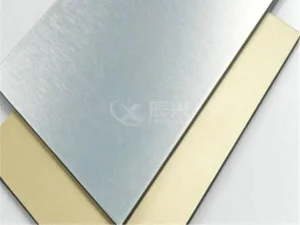
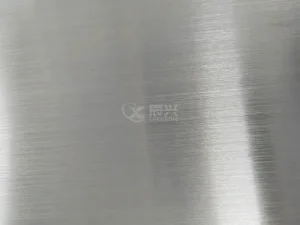
Brushed textures are achieved by directional abrasive polishing, masking fingerprints and surface scratches while imparting a premium metallic look suitable for appliance covers and high-end electronics. Mirror finishing, conversely, uses mechanical or chemical polishing to achieve a highly reflective index exceeding 85%, essential for lighting reflectors and solar thermal applications.
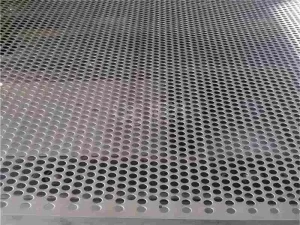
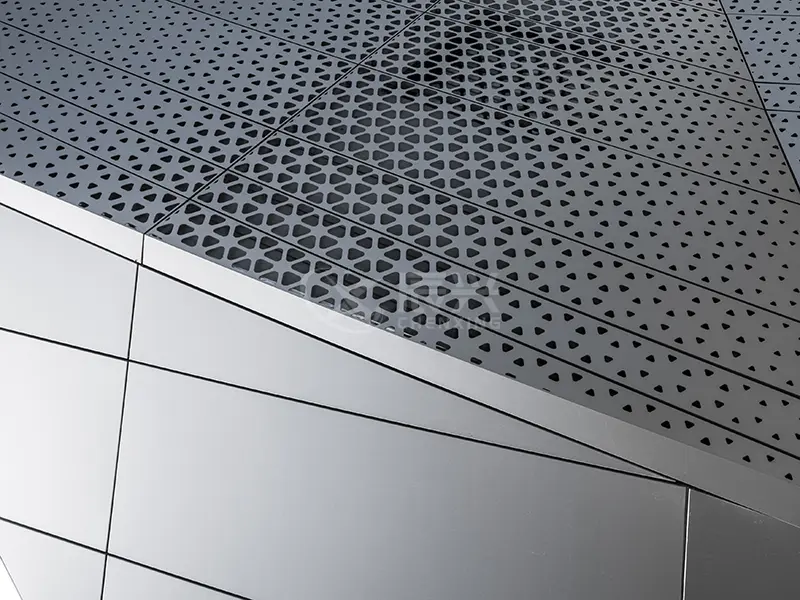
Modern facilities utilize high-speed turret punch presses and CNC fiber laser cutters to fabricate custom perforation profiles (round, square, slotted, and bespoke shapes). This is highly demanded in acoustic dampening enclosures, HVAC protective grills, and structural ventilation covers.
Industrial aluminum sheet covers are deployed in key sectors, customized to meet regional environmental regulations and engineering requirements:
Decades of industrial experience combined with smart automation, absolute quality compliance, and client-centric service.
Iterating metallurgy control and tooling setups to deliver reliable metal covers globally.
Fulfilling rigorous custom clearances and regional standards across North America, EU, and Asia.

Utilizing laser scanners, eddy current tests, and spectrographic checks for flawless flat plates.

Fast-turnaround structural calculations and engineering troubleshooting within 24 hours.
Where raw performance and physical durability meet extreme environment operations.


Answers to common industry queries regarding sourcing, alloy selection, testing parameters, and processing capacities.
Submit your design specifications, alloy preference, and thickness requirements. Our engineers will optimize your manufacturing costs and provide custom estimates.
Keep up with global market shifts, raw material trends, and advancements in aluminum sheet production technology.
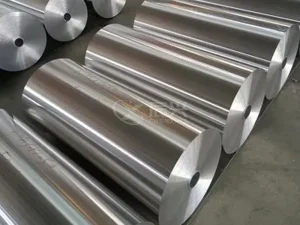
Access factory-direct high-precision sheets, coils, and foils for structural covers, deep drawing, and protective casing projects.