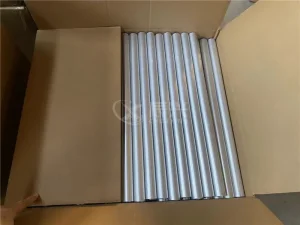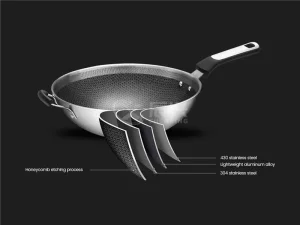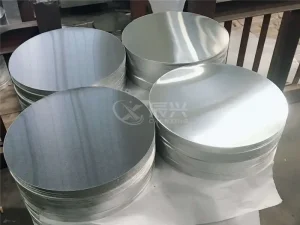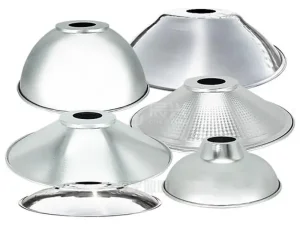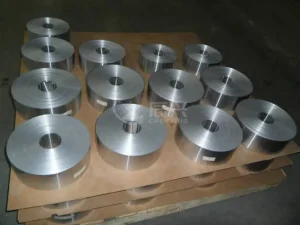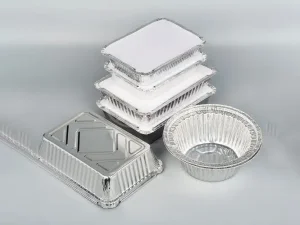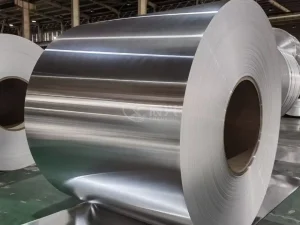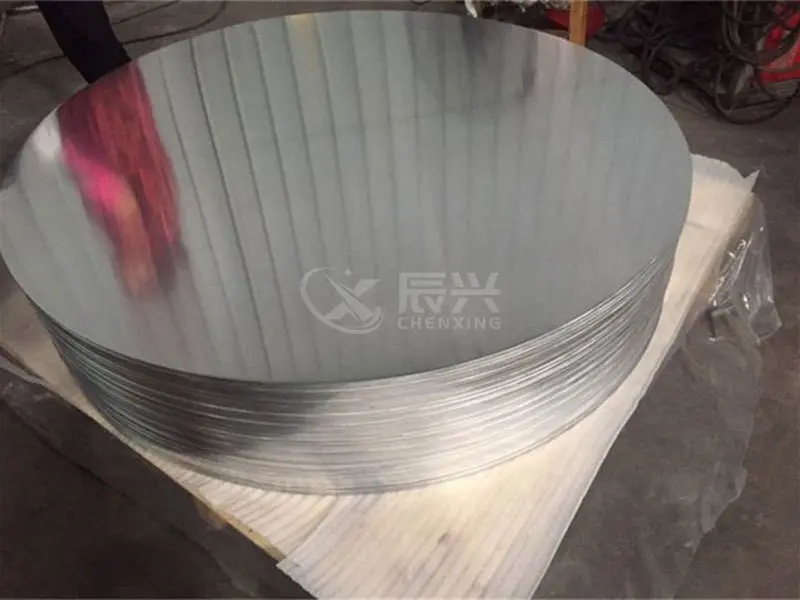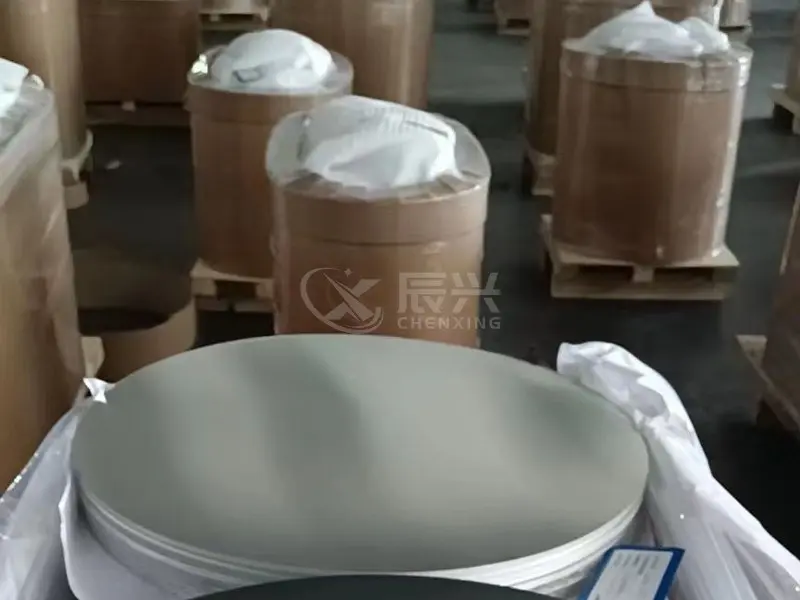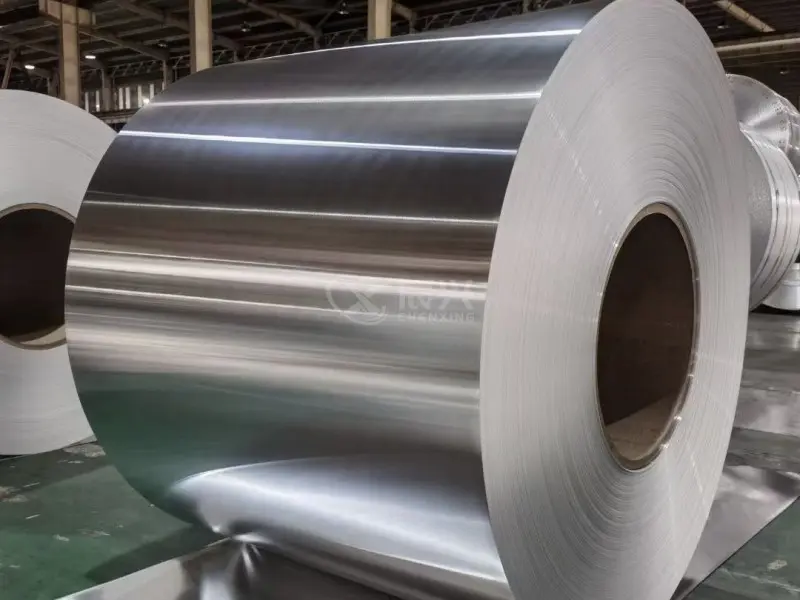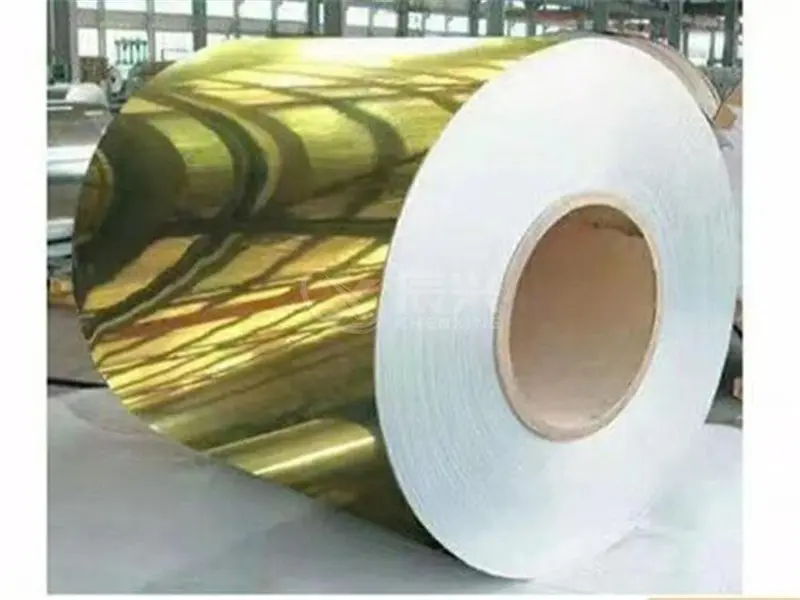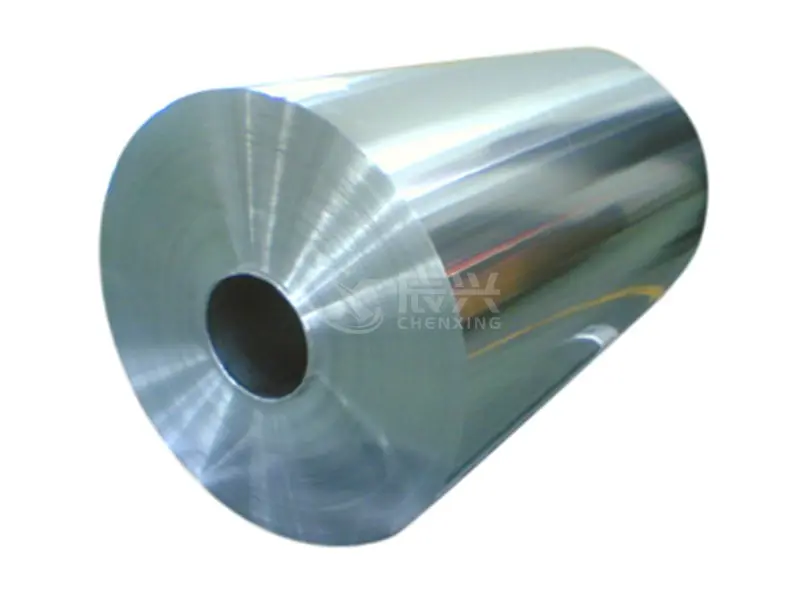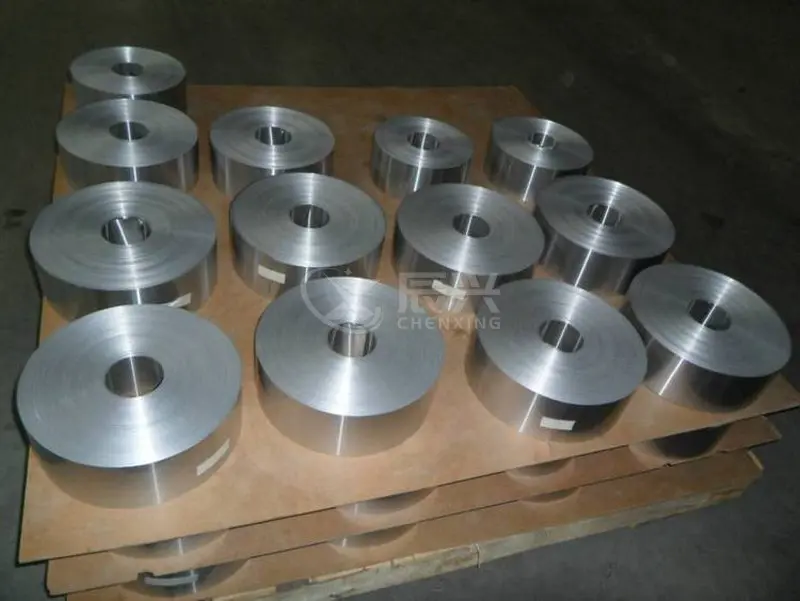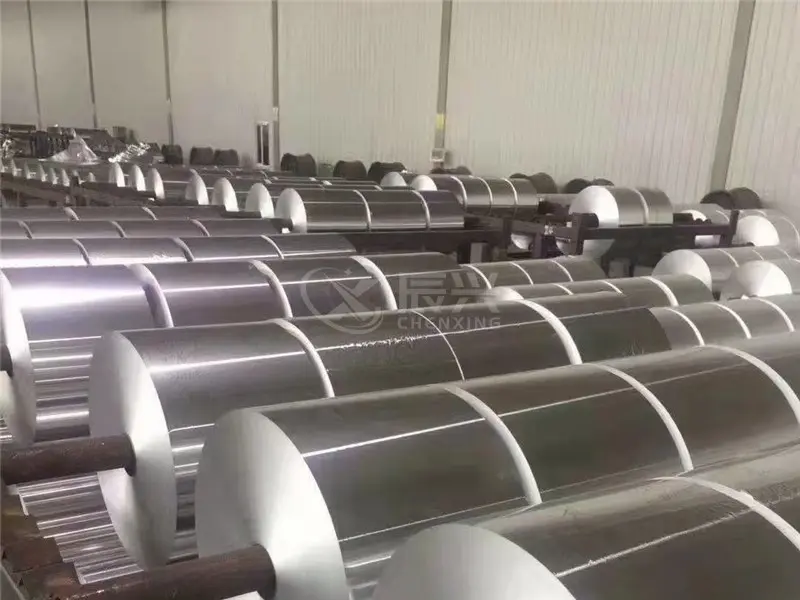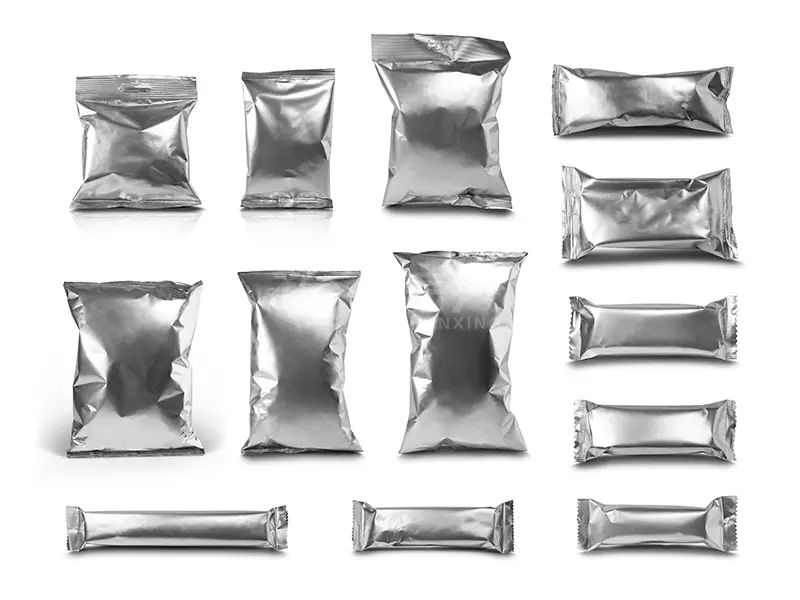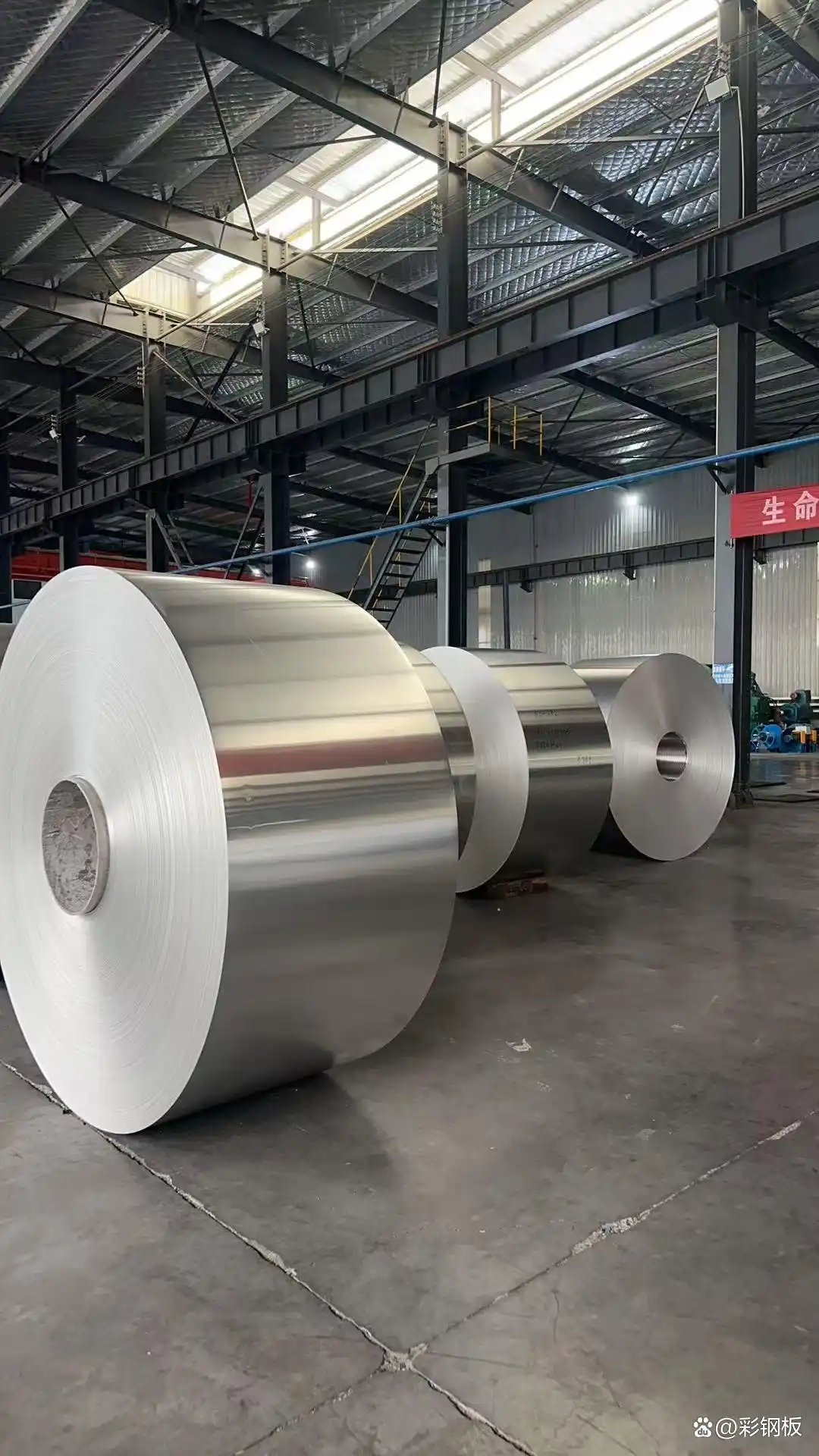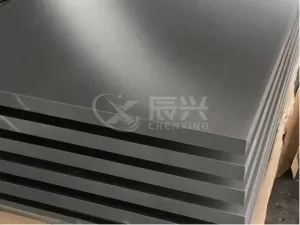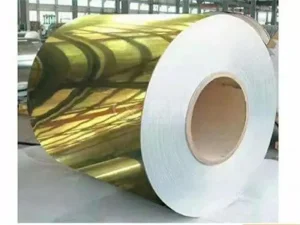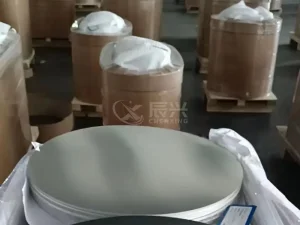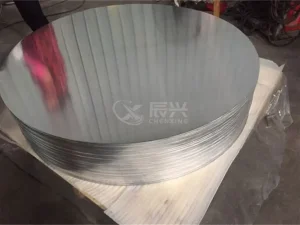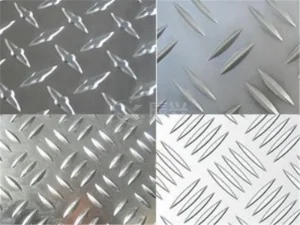
Premium quality custom metal blanks, containers, and specialized aluminum products from our manufacturing floor.
Decades of manufacturing intelligence combined with stringent laboratory controls guarantee batch-to-batch consistency.
Years Manufacture Experience
Exported To Countries
Intelligent Batch Tracking
8D Standard Response
In the highly regulated pharmaceutical packaging landscape, active pharmaceutical ingredients (APIs) require complete isolation from environmental factors to retain their efficacy. Alu Alu foil, also widely recognized as Cold Form Foil (CFF), represents the premium barrier option in pharmaceutical blister packaging. Unlike standard PVC or PVDC thermoforming films, cold-form foil offers a near-perfect barrier configuration. By utilizing a multi-layered composite structured around ductile, pharmaceutical-grade aluminium, Alu Alu foil ensures a Water Vapor Transmission Rate (WVTR) and Oxygen Transmission Rate (OTR) of effectively zero.
For pharmaceutical companies globally, product stability is directly tied to shelf life. The introduction of humidity or light can cause immediate hydrolysis, oxidation, or photolytic degradation of sensitive solid oral dosage formulations (such as tablets, capsules, and soft gels). Selecting a premier *China Alu Alu Foils Manufacturer* ensures access to world-class laminates that maintain structural and chemical integrity under various accelerated stability testing protocols (typically 40°C ± 2°C / 75% RH ± 5% RH).
Our manufacturing facility utilizes online digital pinhole detectors integrated directly into the slitting and lamination lines. This prevents micro-fracturing in the central aluminum core during deep cold-drawing processes, ensuring absolute package integrity.
The mechanical performance and barrier property of cold form foil depend entirely on its three-layer laminated design. Each material plays a distinct role in ensuring process stability during packaging runs.
| Layer Composition | Thickness (μm) | Primary Technical Purpose | Key Testing Metrics |
|---|---|---|---|
| oPA (Oriented Polyamide) | 25 ± 2 | Tensile strength, puncture prevention, deep-draw performance | Tensile Strength > 180 N/mm² |
| Adhesive Layer | ~4-5 | Inter-layer bonding, preventing delamination under thermal stress | Bond strength > 4.5 N/15mm |
| Aluminium (Al) Core | 45 / 50 ± 3 | Absolute gas, light, vapor and flavor barrier | Pinhole count: Zero at standard inspection levels |
| oPA-Al-PVC Bonding agent | ~4-5 | High chemical resistance against drug formulation components | Peeling resistance |
| PVC (Polyvinyl Chloride) | 60 ± 5 | Heat sealing with lidding foil, stiffness, structural pocket support | Heat seal strength > 7.0 N/15mm |
Engineered high-performance materials manufactured to meet global industrial specifications.
The primary operational risk for packaging lines utilizing Cold Form Foil is the occurrence of microscopic ruptures (pinholes) and delamination. These issues commonly surface when formability thresholds are exceeded due to improper choice of raw materials or sub-optimal machine settings.
During the deep-drawing phase, the laminate experiences tri-axial mechanical stress. If the OPA layer fails to stretch uniformly, or if the bonding adhesive does not exhibit high thermal stability, the layers can separate (delamination). Delamination exposes the core aluminum foil, leading to increased risk of corrosion and loss of barrier properties.
To prevent these failures, our advanced production lines implement the following technical methodologies:
As global logistics demand greater flexibility, our supply chains are designed to support rapid turnarounds. We export to over 35 countries, supplying pharmaceutical packaging solutions across the Americas, European Union, Southeast Asia, and the Middle East. Through localized warehouse hubs and strategic distributor alliances, we coordinate Customs Clearance Documents, Drug Master Files (DMF), and technical validation protocols to streamline import pipelines.
Our factory integrates an **8D Response System** to resolve onsite manufacturing inquiries within 24 hours. In the event of a material mismatch or seal-integrity failure on your blistering line, our packaging engineers analyze processing parameters (sealing temperature, pre-heating times, pressure settings, and tooling profiles) to restore system throughput.
Our high-grade aluminum materials provide solutions across major commercial sectors.
Exporting primary packaging globally requires compliance with regional healthcare regulatory frameworks. Our Alu Alu foil solutions comply with the following standards:
As global regulatory bodies push for reduced carbon footprints and circular material lifecycles, the traditional three-ply laminate (oPA-Al-PVC) is undergoing material innovations. Our research and development focuses on the following key areas:
We are researching replacement materials for the PVC sealing layer, utilizing high-performance polyolefin coatings or PP (Polypropylene) co-extrusions. This improves the recyclability of the blister pack without compromising heat-seal properties or barrier performance.
By refining the grain size of the aluminum alloys, we are reducing the foil core from 45 microns to 40 microns. This reduction maintains formability indices and zero-pinhole properties while lowering overall packaging weight.
To minimize volatile organic compound (VOC) emissions during production, we are transitioning from solvent-based adhesives to water-soluble options that cure cleanly under cleanroom-certified UV systems.
Request compliance dossiers, technical datasheets, or custom dimensions. Our engineering team responds within 24 hours.
Stay updated on aluminum smelting trends, global trade logistics, and pharmaceutical packaging standards.
Technical inquiries regarding material performance, line speeds, and compliance.
Premium quality custom metal blanks, containers, and specialized aluminum products from our manufacturing floor.