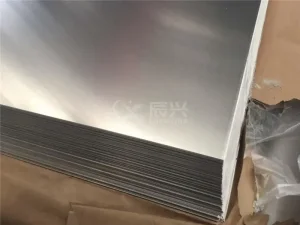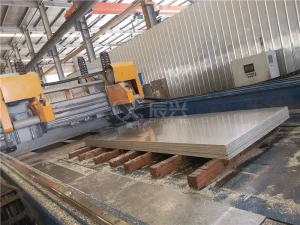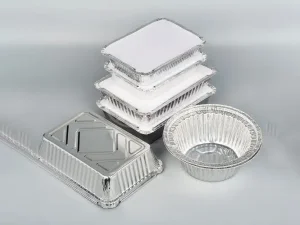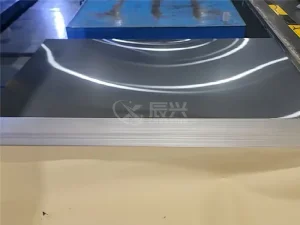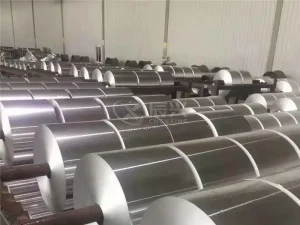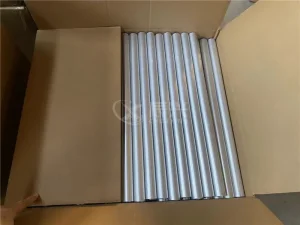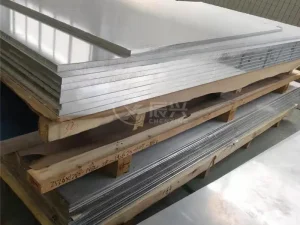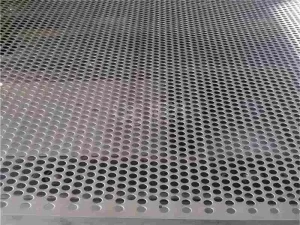
Precision engineered flat-rolled products, structural alloys, and specialty foils sourced directly from verified operations.
Analyzing the macro-economic and engineering paradigms driving the structural transition to "All Aluminium" solutions across critical global markets.
In the contemporary landscape of metallurgy and material science, the structural shift to All Aluminium configurations has evolved from a progressive design choice to a critical industrial mandate. The global primary and secondary aluminium markets are projected to scale over USD 250 billion by 2030, driven by the decarbonization of transit systems, net-zero construction regulations, and the absolute barrier requirements of food and pharmaceutical packaging. As a dominant powerhouse in the global supply chain, China’s advanced aluminium manufacturing sector leverages unified ecosystems, massive Direct Chill (DC) and Continuous Casting (CC) capabilities, and industry-leading rolling tolerances to service this massive demand.
This deep-dive industry report assesses how major players integrate advanced casting lines, cold-rolling mills, and high-velocity extrusion systems to deliver precise alloy tempers (ranging from annealed O temper up to peak-aged structural T6 designs) to meet international standards including ASTM, EN, JIS, and GB/T specifications.
| Alloy Series | Primary Alloying Elements | Key Mechanical Properties | Common Industrial Applications |
|---|---|---|---|
| 1xxx Series (e.g., 1050, 1060) | 99.0%+ Pure Aluminium | High electrical conductivity, superior ductility, excellent corrosion resistance. Lower mechanical strength. | Electrical conductors, busbars, chemical process containers, heat sink fins. |
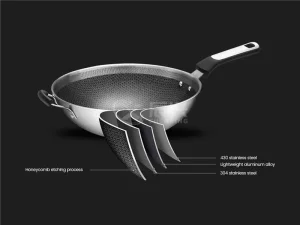
| 3xxx Series (e.g., 3003, 3104) | Manganese (Mn) | Moderate strength, exceptional workability, excellent corrosion resistance, uniform deep-drawing performance. | Beverage cans, cookware blanks, automotive heat exchangers, structural ducting. |
| 5xxx Series (e.g., 5083, 5754) | Magnesium (Mg) | High yield strength, exceptional weldability, outstanding resistance to marine atmospheric corrosion. | Shipbuilding, pressure vessels, vehicle chassis, defense armor, structural platforms. |
| 6xxx Series (e.g., 6061, 6082) | Magnesium & Silicon (Mg-Si) | Heat-treatable, high structural strength, excellent machinability, highly responsive to anodizing finishes. | Heavy-duty structural components, railway passenger cars, bridges, industrial extrusions. |
| 8xxx Series (e.g., 8011) | Iron & Silicon (Fe-Si) / Other | Ultra-thin rollability (down to 0.006mm), superior tensile strength in thin gauges, absolute barrier integrity. | Pharmaceutical blister packs, flexible aseptic pouches, household wraps, battery cell foils. |
Providing the underlying framework of reliability, traceability, and global logistics capability required for tier-1 industrial procurement.
Two decades of precision rolling, continuous extrusion, and complex thermal treatments, building a reliable metallurgical foundation.
Seamless global logistics and customs clearances across North America, the European Union, Southeast Asia, and the Middle East.

Advanced optical surface inspection, ultrasonic flaw detection, and mill-to-destination barcoding tracking protocols.

Continuous technical support backed by a formal 8D problem-solving methodology to address and rectify quality anomalies in 24 hours.
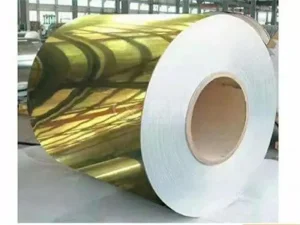
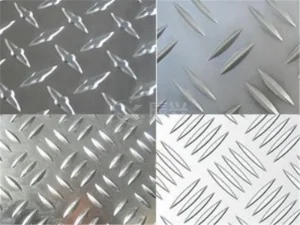
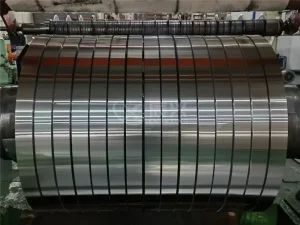
Explore high-purity circles, precision brushed and mirrored surfaces, and ultra-barrier foil materials.
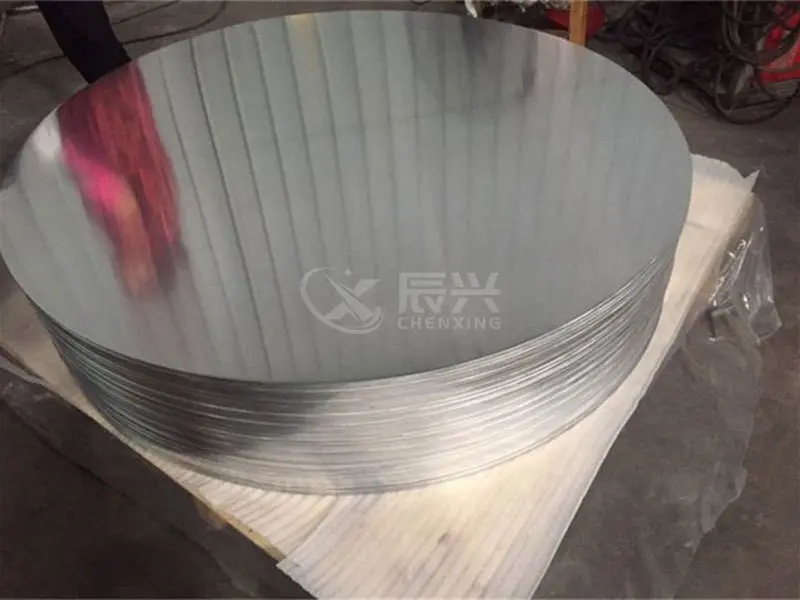
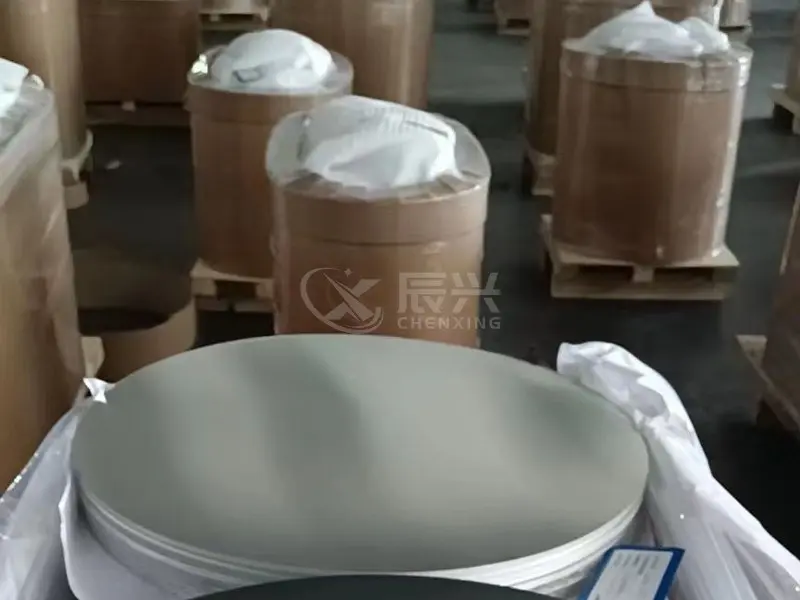
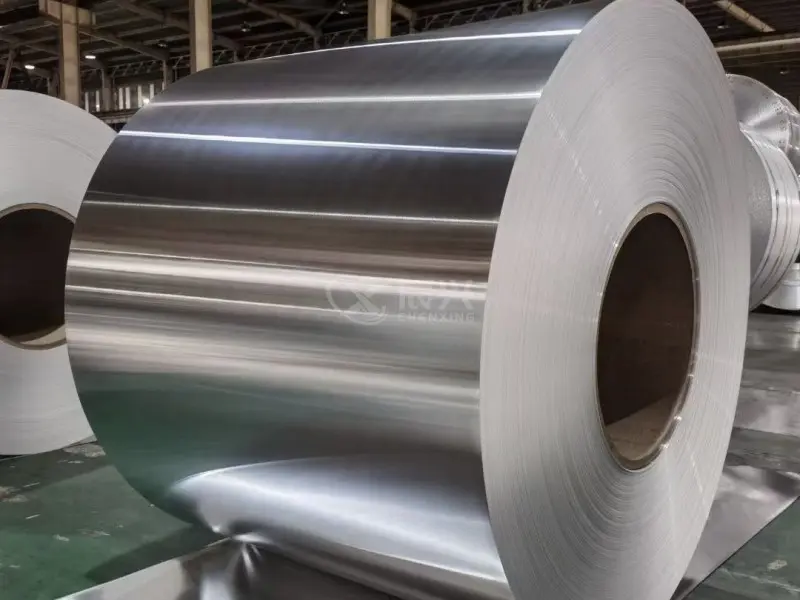
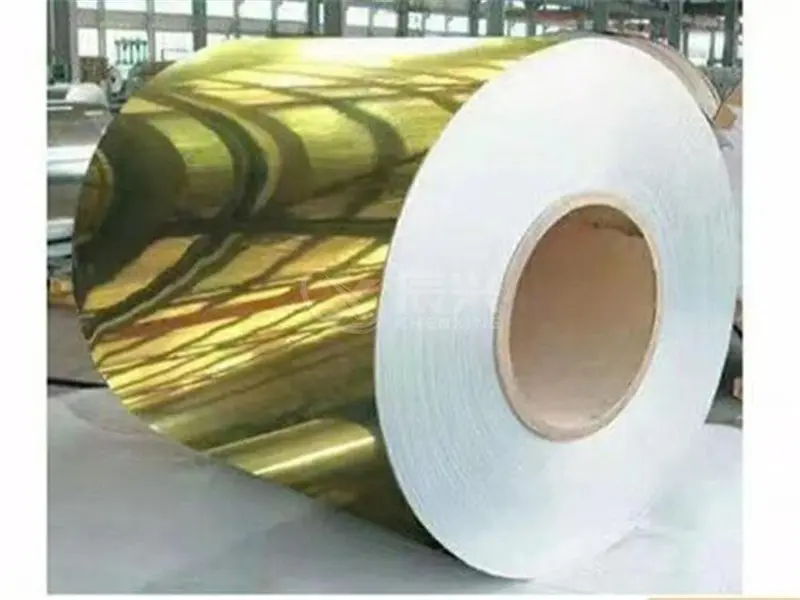
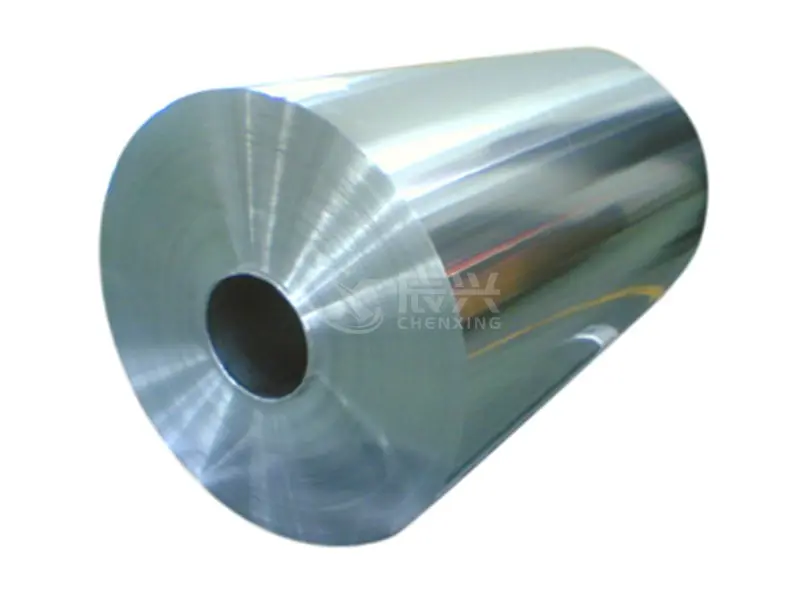
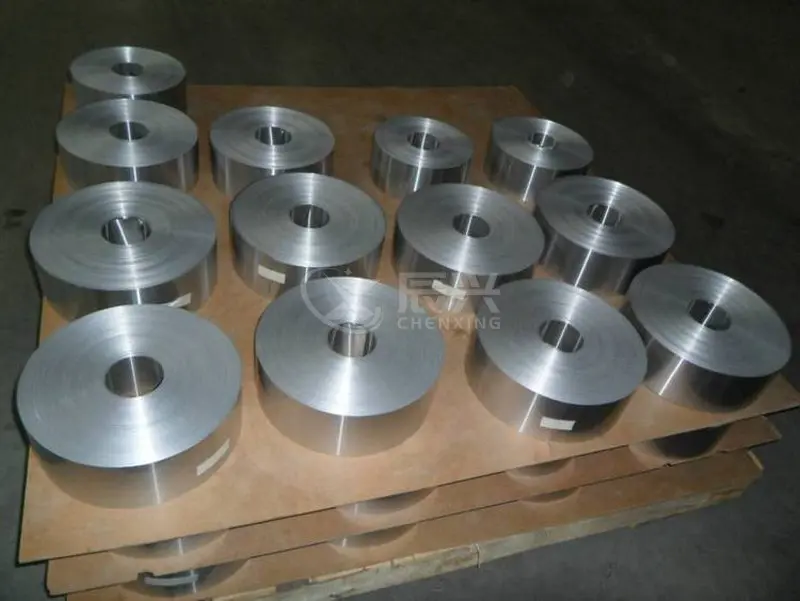
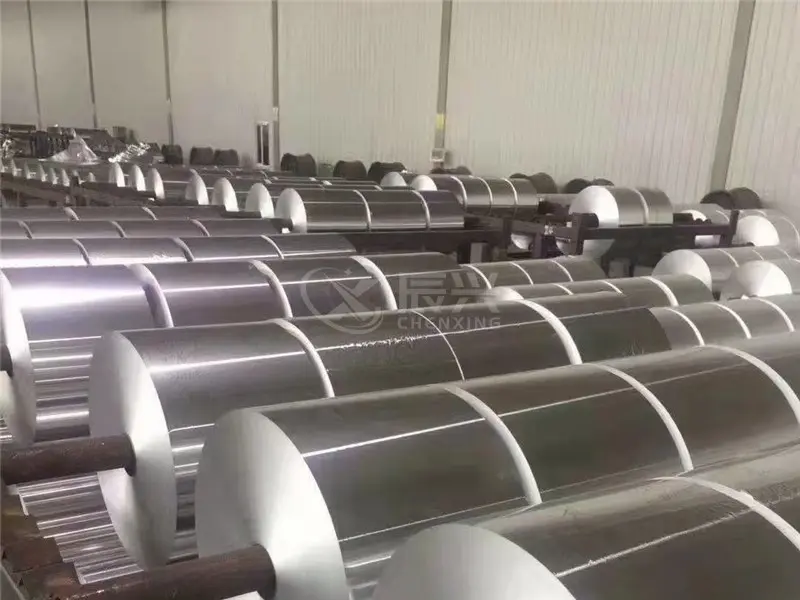
Aligning custom chemical and physical compositions with regional norms and operational environments.
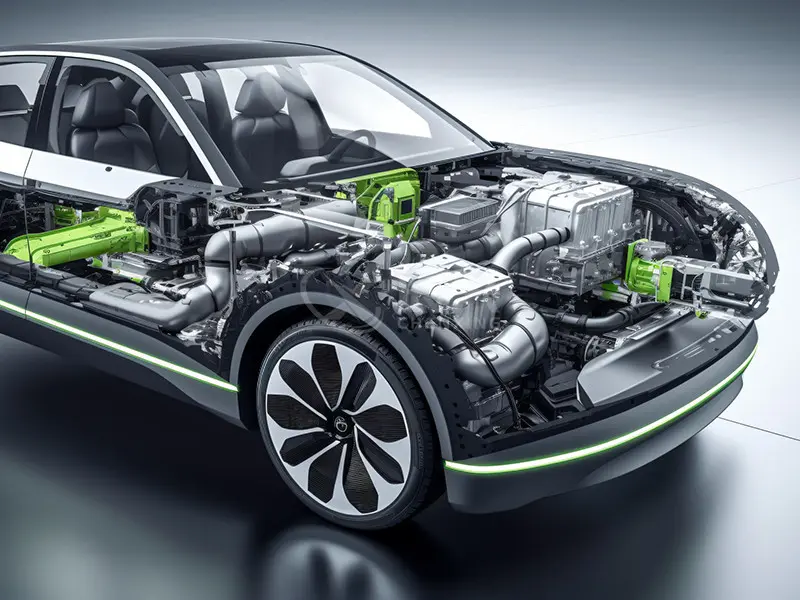
In the EV and transit manufacturing sectors, weight reduction directly translates to increased drive range and payload capacity.
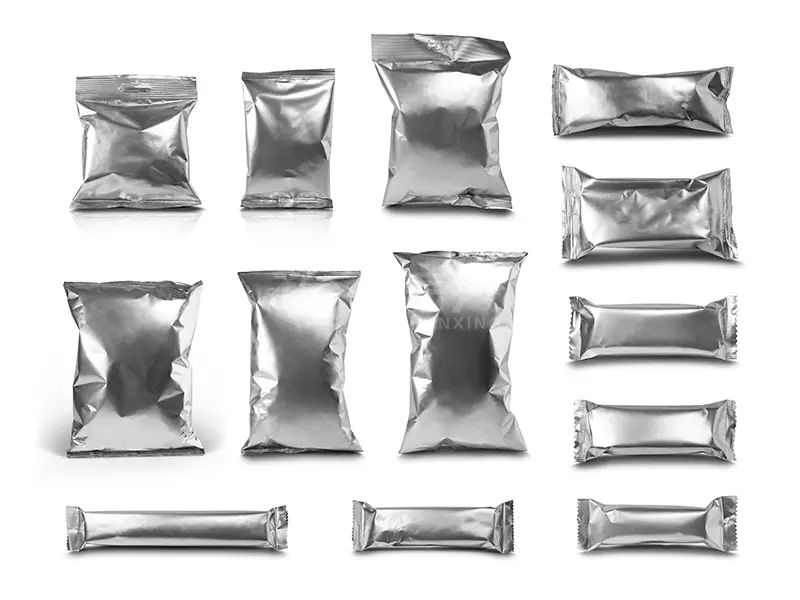
Providing pinhole-free barrier performance to secure extended product shelf-life and biological isolation.
Addressing thermal management requirements of high-density circuits, structural battery cells, and capacitors.
Review the deployment of raw materials into targeted structural and packaging applications.



Strategic metallurgical developments targeting reduced carbon footprint, closed-loop scrap recycling, and micro-alloy optimization.
Scaling secondary aluminium recovery lines to reduce energy consumption by up to 95% compared to primary smelting. Developing advanced scrap sorting systems to enable structural recycling without degradation of alloy performance.
Developing customized chemical specifications for the 3xxx and 5xxx series to support high-speed stamping and deep drawing. Optimizing grain structure orientations during cold rolling to prevent micro-cracking during complex forming processes.
Applying advanced surface passivation treatments (chrome-free pre-treatments) and micro-alloying techniques (using traces of zirconium/titanium) to enhance long-term resistance to intergranular corrosion in marine and chemical environments.
Discover trends in global logistics, battery-grade materials, and green production technologies.
Assessing the dynamic demand shifts for semi-finished goods in global markets, and how our expanded hot-rolling facilities support short-run custom specifications.
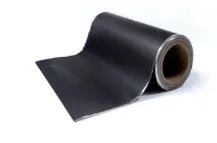
A close look at high-tension foils engineered for EV battery anodes, focusing on purity, mechanical thickness tolerances, and electrical conductivity properties.
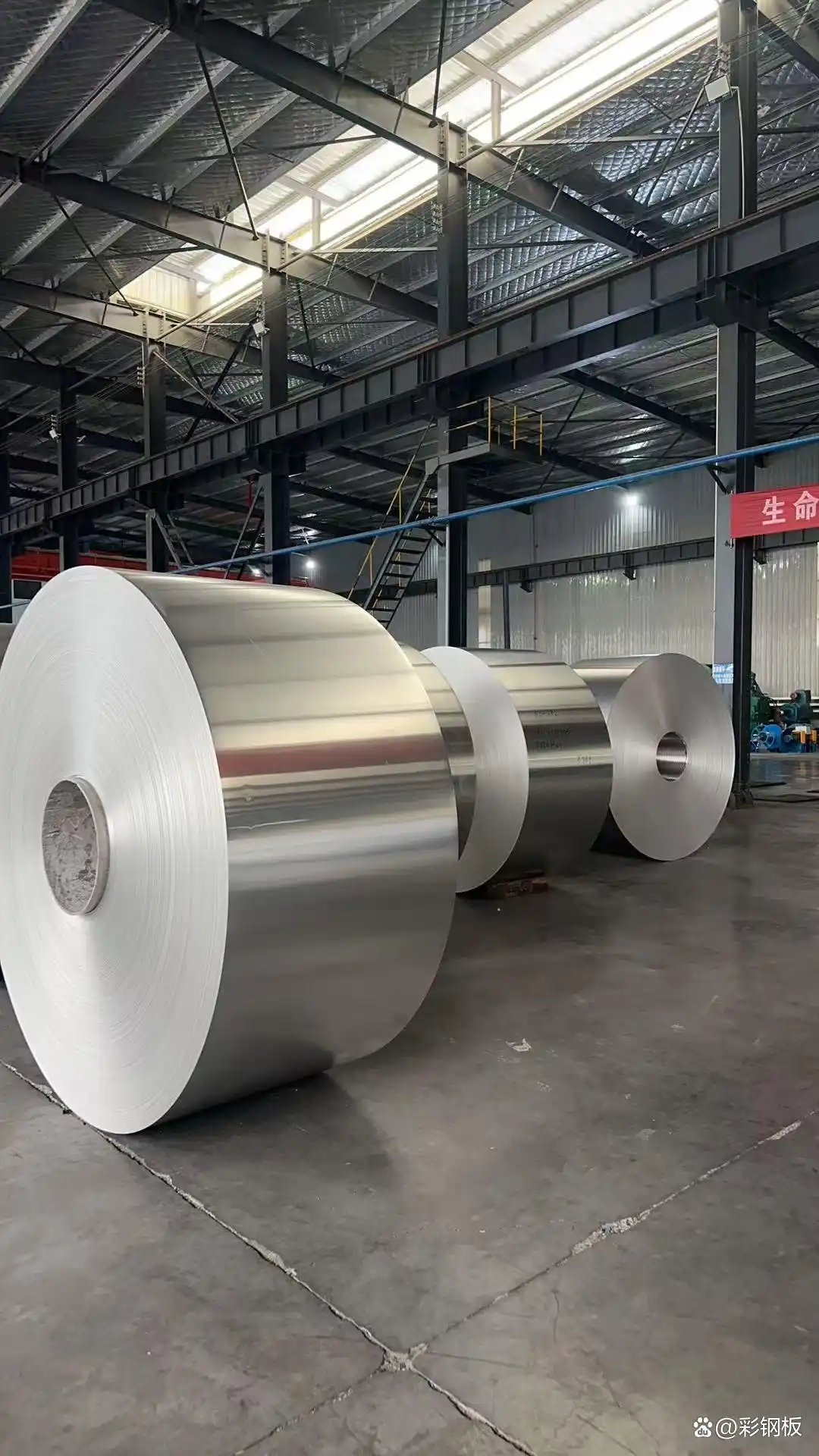
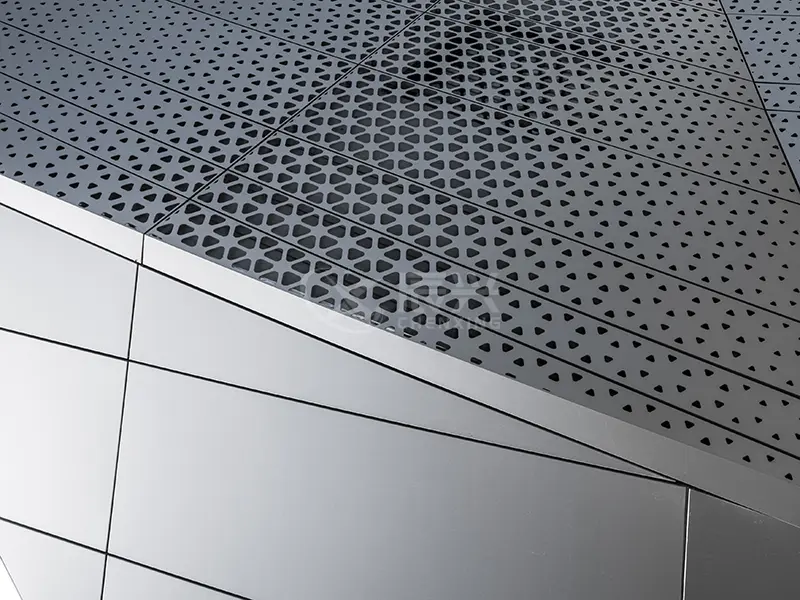
Exploring structural cladding, thermal panels, and double-skin facade installations driving structural demands for custom alloys globally.
Addressing critical engineering, procurement, and logistical queries from global supply chain professionals.
DC (Direct Chill) Casting involves solidification in a water-cooled vertical mold, producing high-purity, uniform ingot structures with minimal internal defects. This process is ideal for high-stress applications such as aerospace components, automotive structural plates (e.g., 6082-T6, 5083 marine plates), and deep-drawing projects.
CC (Continuous Casting) routes liquid metal directly through horizontal rollers to generate strip products. While highly cost-effective, CC materials are typically reserved for general manufacturing, simple siding, roofing, and standard household foil processing where extreme elongation or structural loads are not required.
We configure mechanical properties to match your specific application requirements:
To meet marine certifications (such as DNV, CCS, ABS, or BV), all 5083 plates undergo rigorous testing. We check chemical composition (specifically regulating magnesium and manganese levels to prevent stress corrosion cracking) and perform ultrasonic testing to ASTM-B548 standards to detect micro-cavities and sub-surface laminations.
Yes. Our coated coils use premium Fluoropolymer (PVDF) or Polyester (PE) coating systems. PVDF coatings offer exceptional resistance to UV exposure, acid rain, and temperature shifts, maintaining color stability and preventing chalking or peeling for up to 20 years in industrial and marine zones.
Full-specification sheet, strip, disc, and tube solutions configured to ASTM, EN, and JIS standards.
Whether you require custom thickness tolerances, specific alloy tempers, or sample certification testing, our engineering team will provide a comprehensive project assessment within 24 hours.
Request a Technical Quote & Chemical Spec Sheets
submit now →