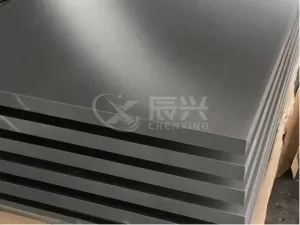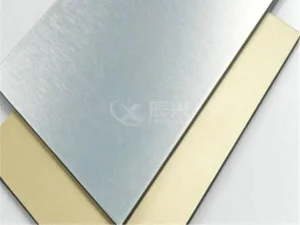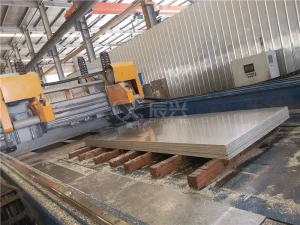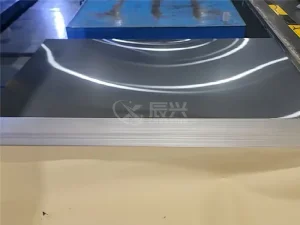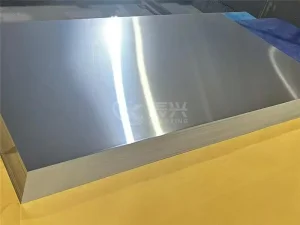
High-strength sheets, precision-engineered coils, and custom aluminum alloys designed to withstand extreme thermal, environmental, and mechanical pressures.
Pioneering standard-compliant metallurgy, integrated logistics, and responsive customer-centric engineering workflows.


In the contemporary thermal management and heavy fabrication landscapes, the term Ac Aluminum (commonly denoting Air Conditioning grade foils, heat exchanger materials, and structural grade architectural alloys) has emerged as a cornerstone of engineering innovation. As global markets transition toward decarbonization and stringent HVAC (Heating, Ventilation, and Air Conditioning) efficiency regulations, the role of China's aluminum companies is undergoing a profound paradigm shift. Modern manufacturing demands go far beyond basic metal casting. Today, metallurgical precision, ultra-thin gauge capabilities, and specialized surface treatments define market competitiveness.
Global procurement teams are prioritizing Scope 3 emissions reductions. This focus has catalyzed the adoption of green primary smelting techniques, such as hydropower-driven electrolysis and scrap sorting optimization. Our Chinese factories utilize high-grade recycled scrap fractions mixed with virgin ingots, drastically reducing carbon intensity without compromising mechanical properties or alloy integrity. This is particularly vital for structural plates like 7075 and 5083, where microscopic inclusion controls are paramount to prevent premature fatigue cracks under heavy mechanical loads.
For air conditioning systems operating in harsh coastal or tropical environments, standard untreated aluminum is susceptible to galvanic and pitting corrosion. Advanced manufacturing lines now implement inline chemical pre-treatment and electrostatic epoxy deposition. This creates a barrier layer that resists salt spray for over 1,000 hours, keeping heat exchangers clean and energy-efficient over their lifetime.
How our aluminum products serve key global industrial sectors, from aerospace components to consumer appliances.

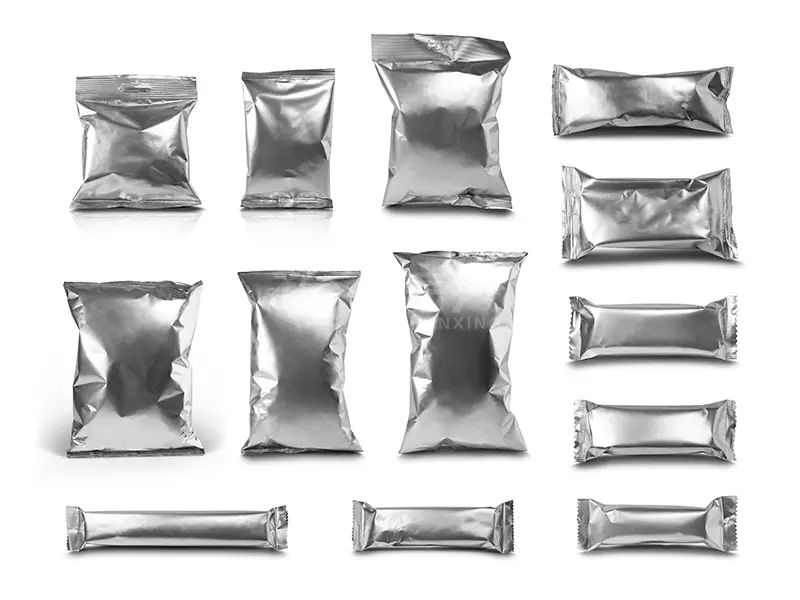


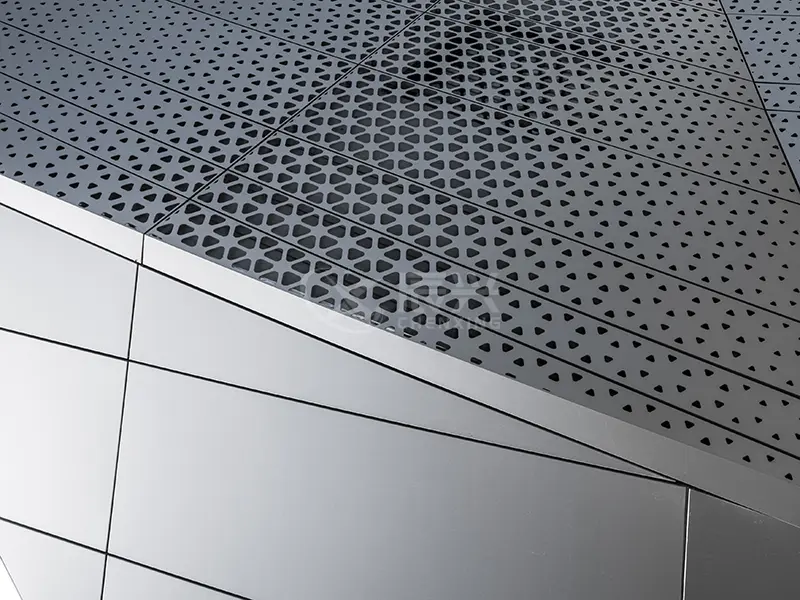

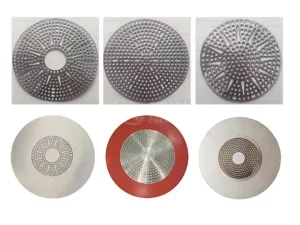
Enterprise procurers face challenges related to price volatility, supply chain disruptions, quality assurance, and ESG (Environmental, Social, and Governance) targets. When sourcing raw components such as 3003 aluminum sheets, 5083 marine-grade plates, or high-performance clad discs, purchasing managers look for long-term consistency, clear technical data sheets (TDS), and reliable quality control certifications.
Our operations balance high-capacity manufacturing with customized shipping and logistics support. By utilizing port facilities in Qingdao, Shanghai, and Tianjin, we ensure continuous shipping lanes even during peak seasons. Furthermore, our flexible payment terms, L/C capabilities, and hedging options help global procurement managers mitigate market price fluctuations.
To maintain our position as a leading global supplier, our production facilities follow a strict developmental roadmap aimed at higher material efficiency, high-strength alloying, and advanced surface finishes.
Introducing ultra-thin hydrophilic surfaces designed to prevent droplet bridges in AC condenser units, improving air passage and overall system thermal performance.
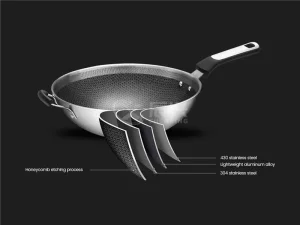
Scaling up production of 3-ply clad sheets (Al-Steel-Al and Al-Cu-Al) to support induction heating products and lightweight automotive cooling plates.
Working to integrate clean energy grids and hydrogen reduction methods into our smelting lines to deliver verified low-carbon aluminum certified by international bodies.
Connect with our metallurgy engineering team for detailed technical consultations, custom alloy design, and competitive volume pricing within 24 hours.
Browse our extended product portfolio, featuring specialized clad circles, industrial strip materials, and precision foils.
Stay informed with industry insights on global shipping routes, green aluminum trends, and technical standards updates.
In response to growing demand in the HVAC sector, our factory has expanded its thin-gauge foil production capacity to ensure shorter delivery times...
Read Article
Exploring the shift toward battery-grade foil for EV energy storage systems, emphasizing the need for tight tolerance control and high purity alloys...
Read Article
Detailed analysis of changing international policies regarding low-carbon industrial manufacturing and how these guidelines impact purchasing departments...
Read ArticleSecuring structural components like 7075-T6 aluminum sheets or marine-certified 5083 plates requires verified testing and validation processes. Our modern QC laboratories perform tests at every stage of the manufacturing cycle, ensuring compliance with global regulatory and quality standards.
Every shipment is dispatched with Mill Test Certificates (MTC) conforming to EN 10204 3.1, stating exact chemical compositions and mechanical limits.
Ultrasonic testing in accordance with ASTM B594 is regularly performed on thick plate stocks (such as 7075 and 5083) to detect and prevent internal voids.
All products strictly comply with REACH, RoHS, and WEEE directives, ensuring that hazardous substances are kept well below regulatory thresholds.
Answers to common metallurgical, supply chain, and procurement questions.