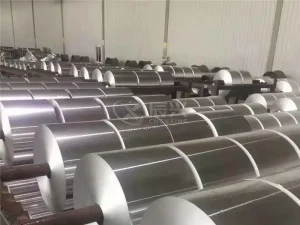
Direct factory supply solutions customized for global distribution, heavy machinery manufacturing, and engineering designs.
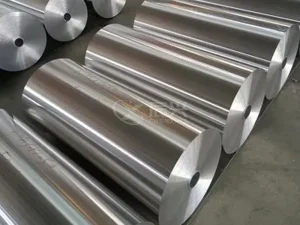
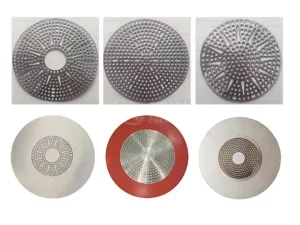
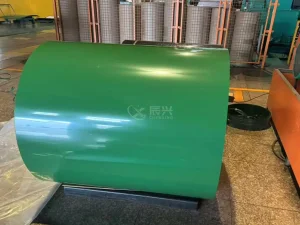
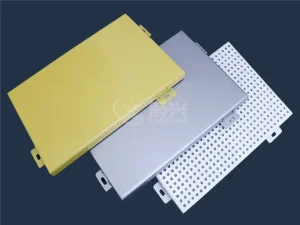
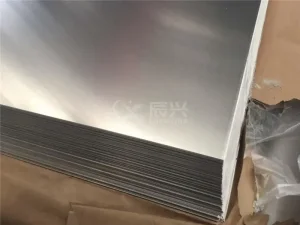
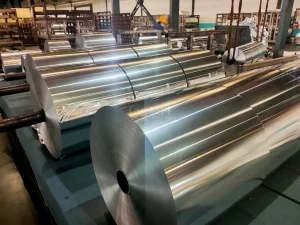
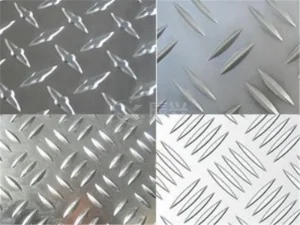
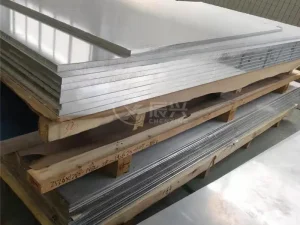
The 3003 aluminum alloy represents the benchmark material for thermal systems, precision industrial tubing, and structural metal skins. As an Al-Mn solid-solution-hardened alloy, its unique microstructure features 1.0% to 1.5% manganese content, generating a 20% strength enhancement compared to grade 1100 without compromising ductility. This exceptional balance of elongation and corrosion resistance makes 3003 sheets indispensable in global automotive, HVAC, electronics, and construction supply chains.
In modern industrial manufacturing, sourcing from China-based manufacturers offers tremendous macro-economic advantages. The strategic concentration of raw bauxite processing, high-speed hot rolling mills, and advanced precision-leveling equipment in centers such as Henan, Shandong, and Zhejiang provinces reduces processing overhead while guaranteeing strict alignment with global standards including ASTM B209, EN 485, and JIS H4000.
"Precision processing and chemical homogeneity are vital. Controlled annealing profiles prevent grain boundary crystallization, ensuring that 3003 sheets exhibit zero deformation and exceptional stamping margins in high-draw environments."
To optimize product design and manufacturing pipelines, engineering teams must evaluate physical and mechanical thresholds. The table below represents the performance standards of 3003 sheets under various tempering states:
| Temper State | Tensile Strength (MPa) | Yield Strength (MPa) | Elongation (%) | Brinell Hardness (HB) |
|---|---|---|---|---|
| 3003-O (Annealed) | 95 - 135 | 35 - 55 | 20 - 30 | 28 |
| 3003-H14 (Half Hard) | 140 - 180 | 115 - 150 | 6 - 12 | 40 |
| 3003-H18 (Full Hard) | 185 - 220 | 165 - 200 | 3 - 8 | 55 |
| 3003-H24 (Partial Anneal) | 140 - 180 | 105 - 145 | 8 - 15 | 40 |
Over two decades of metallurgical research, production excellence, and streamlined international logistics support.


From micro-electronics thermal management to heavy structural panels, our materials deliver peak efficiency.



Global industrial standards are shifting toward environmental responsibility. Modern aluminum mills are upgrading to eco-friendly production systems, leveraging clean energy sources to power high-temperature smelting and hot rolling equipment. The production of low-carbon 3003 aluminum involves utilizing recycled aluminum scrap and clean energy sources, reducing the carbon footprint of structural sheets by up to 60% compared to traditional coal-fired facilities.
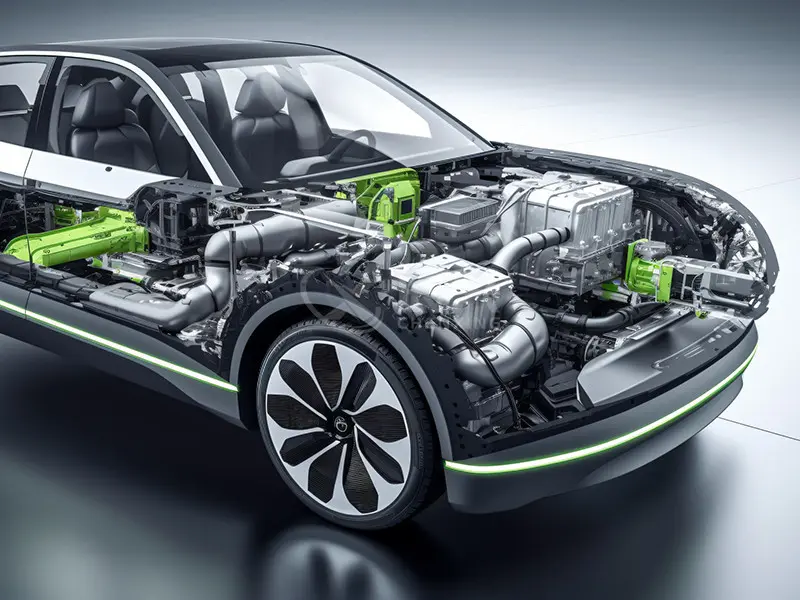
In parallel, the metallurgical refinement of 3003 aluminum continues to evolve. Through precision alloying processes, trace elements like iron (Fe) and silicon (Si) are balanced to control the morphology of primary intermetallic phases. This refinement optimizes grain orientation, resulting in excellent ductility and outstanding performance in extreme drawing processes, such as the manufacturing of EV battery cases.
Procurement teams sourcing 3003 aluminum sheets must consider regional logistics, metal price fluctuations, and strict quality control workflows. Partnering with a manufacturer that utilizes the 8D problem-solving methodology guarantees that any deviations in thickness, surface finish, or temper are quickly addressed.
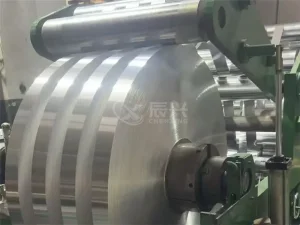
From initial hot rolling and cold rolling stages to precision slitting and tensile stress relief, every manufacturing phase must be monitored. Advanced thickness measurement instruments ensure our sheets maintain tight tolerances (up to ±0.02 mm), minimizing material waste and downtime in automated assembly lines.
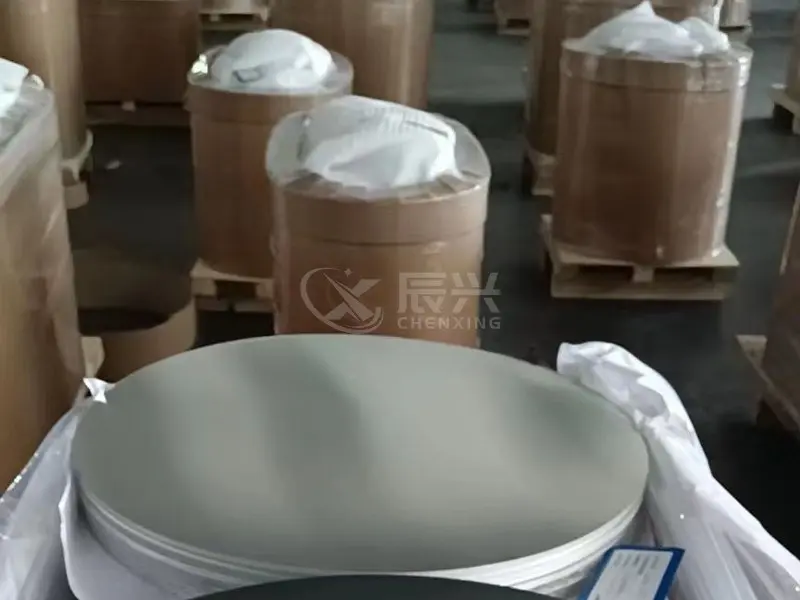
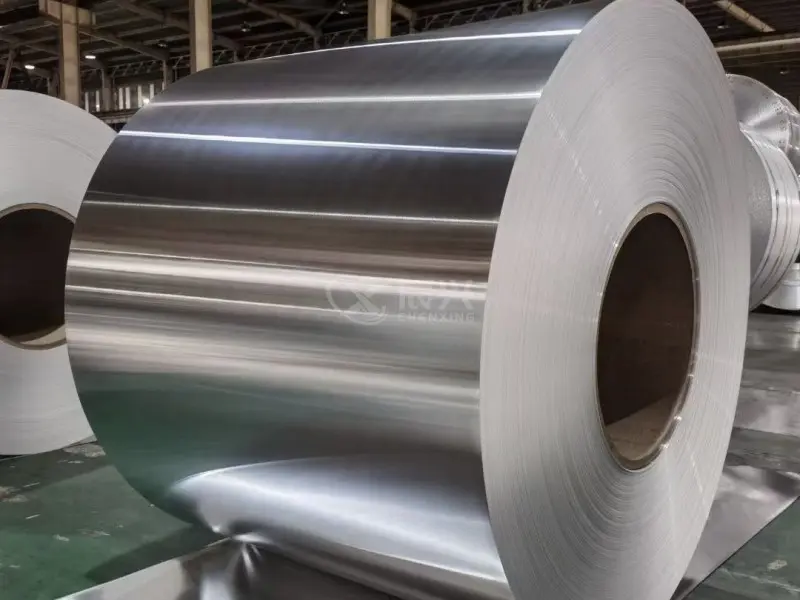
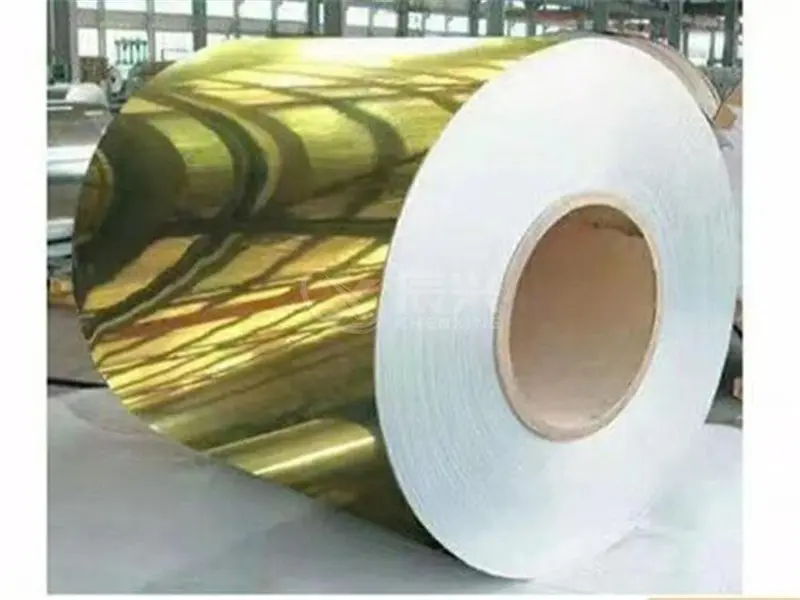
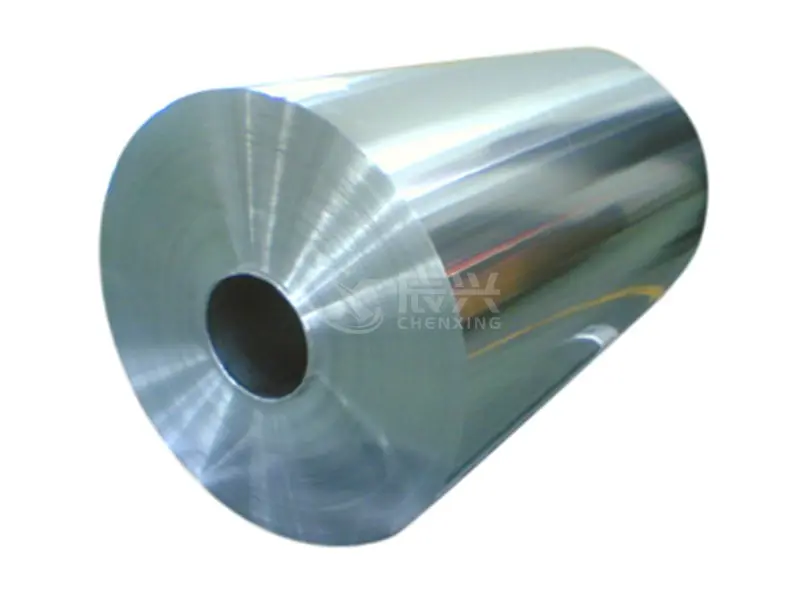
Premium-grade raw materials engineered to meet diverse formatting and deep-drawing needs.
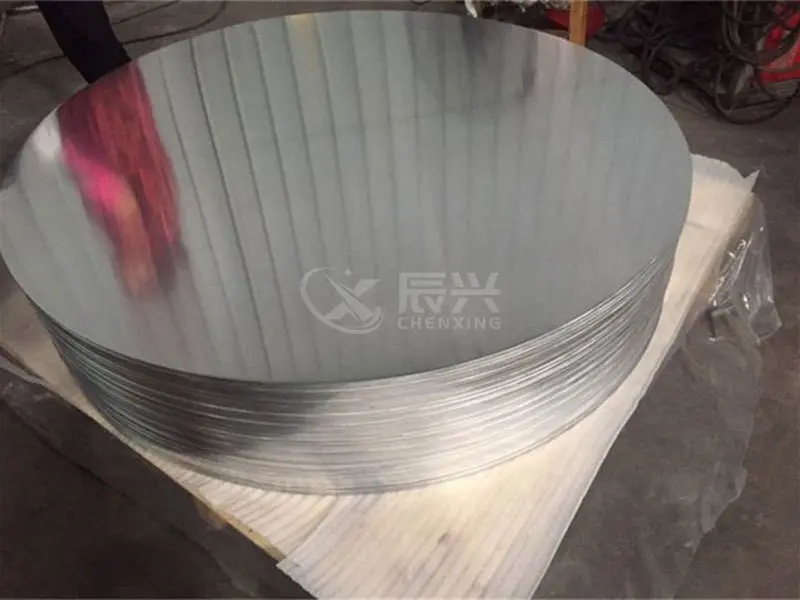
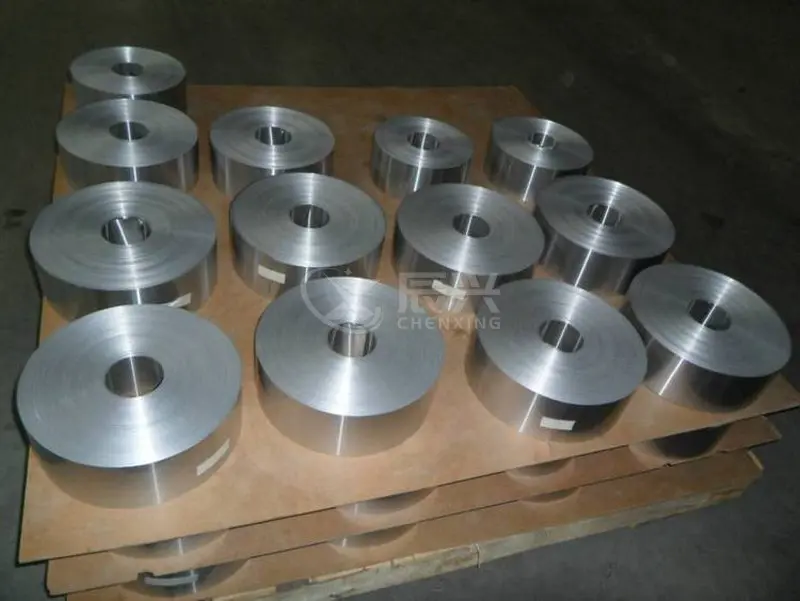
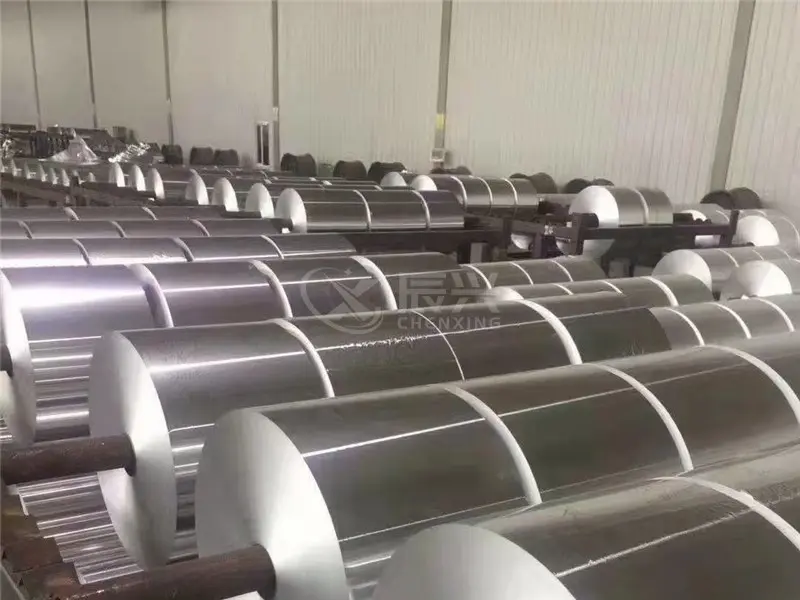
Expert technical insights regarding alloy properties, weldability, fabrication, and custom processing.
Grade 3003 is alloyed with approximately 1.0% to 1.5% manganese. This alloying element significantly increases the material's tensile strength (roughly 20% higher than pure 1100 series) while preserving excellent thermal conductivity and ductility. This combination makes it ideal for deep-drawn parts, cookware, heat exchangers, and architectural cladding.
The annealed temper state (3003-O) provides maximum ductility and elongation (up to 30%), making it the standard choice for complex, deep-drawn components like EV battery shell casings and industrial containers. For applications requiring a balance of strength and formability, 3003-H14 or 3003-H24 is recommended.
Alloy 3003 exhibits excellent weldability when using conventional techniques, including TIG (GTAW) and MIG (GMAW) welding. AL4043 is the most common filler wire used. Additionally, its chemical composition makes it highly suitable for furnace brazing, which is widely utilized in producing automotive radiators and HVAC heat exchangers.
Yes, 3003 can be anodized to improve its corrosion and wear resistance. However, because of the presence of manganese, the resulting anodized oxide layer may exhibit a slightly grayish tint rather than a perfectly clear finish. For applications requiring high-end decorative anodizing, grades like 5052 or 6061 are often preferred.
Leading Chinese manufacturers, using high-speed German-designed slitting lines, regularly achieve width tolerances within ±0.1 mm and thickness tolerances within ±0.02 mm. These tight tolerances ensure reliable feed rates in high-speed manufacturing environments.
Stay informed with updates on global supply chains, green initiatives, and emerging market demands.
Driven by infrastructure investment and automotive lightweighting, global demand for alloy sheets continues to grow.
Read More
Exploring the strict purity specifications and technical micro-thickness parameters required for electric vehicle batteries.
Read More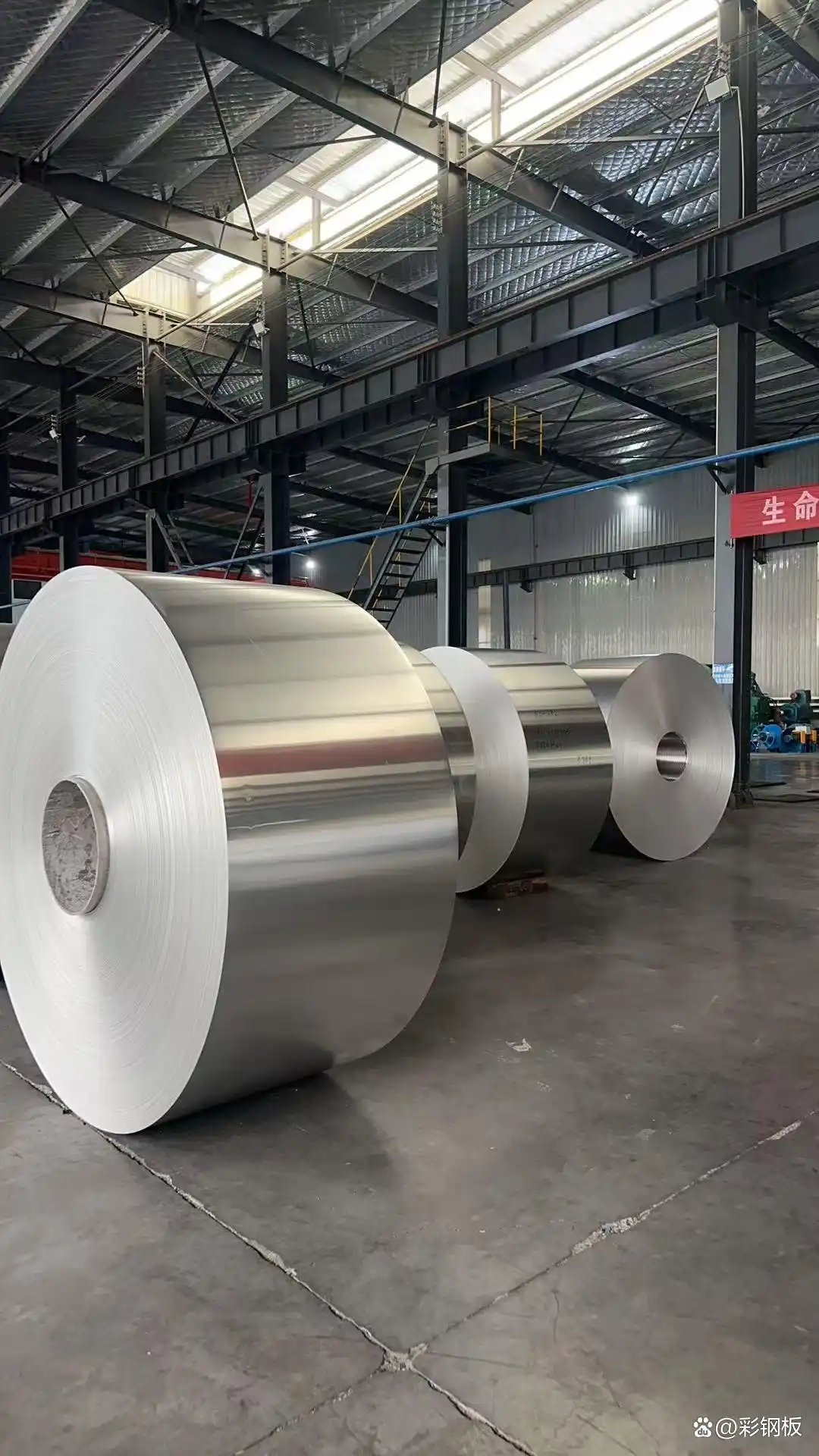
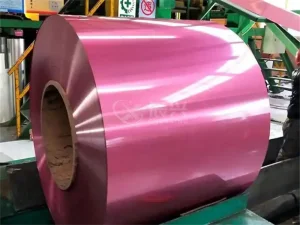
Analyzing the growing demand for durable PVDF and polyester-coated coils in modern sustainable architecture.
Read MoreSubmit your specific alloy requirements, tempers, thicknesses, and volume estimates. Our engineering team will deliver a comprehensive proposal within 24 hours.
Contact Our Engineering TeamHigh-performance surface treatments and custom-thickness foils for packaging, piping, and thermal management.