
Explore our industrial grade aluminum solutions engineered to meet rigorous international standards for packaging, electronics, automotive, and construction sectors.
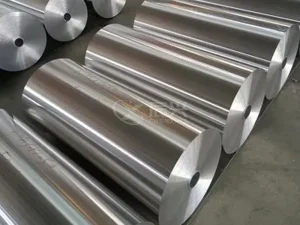
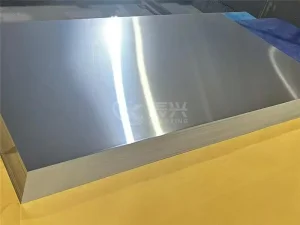
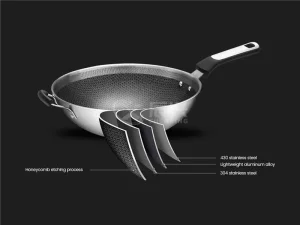
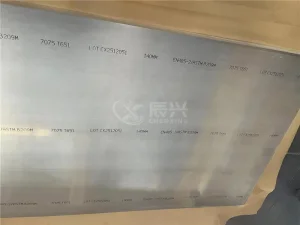
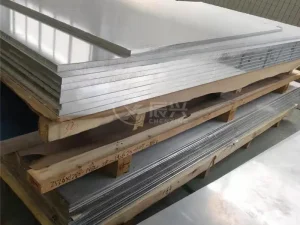
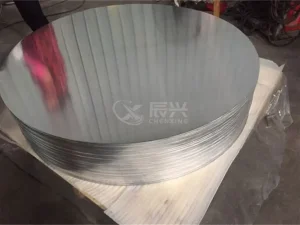
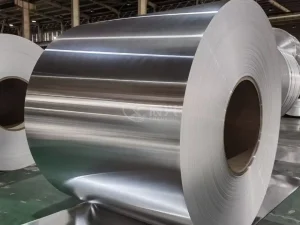
3003 Aluminum Alloy represents the most widely used structural material in the Al-Mn (3000 series) rust-proof family. Adding Manganese (Mn) as its key alloying element provides approximately 15% to 20% higher tensile strength than the pure 1100 or 1050 series. This is achieved without significantly lowering the metal's ductility or exceptional chemical corrosion resistance.
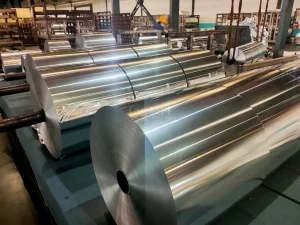
Our mills utilize optimized rolling processes and precision direct-chill (DC) casting technologies to guarantee uniform grain refinement. The resulting alloy exhibits superior mechanical stability under stress, high weldability via TIG/MIG processes, and excellent deep drawing capabilities required by specialized packaging and battery safety components.
| Element/Property | 3003 Alloy Range (%) / Value | 1050 (For Comparison) | 5052 (For Comparison) |
|---|---|---|---|
| Manganese (Mn) | 1.0% - 1.5% | ≤ 0.05% | ≤ 0.10% |
| Copper (Cu) | 0.05% - 0.20% | ≤ 0.05% | ≤ 0.10% |
| Iron (Fe) | ≤ 0.70% | ≤ 0.40% | ≤ 0.40% |
| Silicon (Si) | ≤ 0.60% | ≤ 0.25% | ≤ 0.25% |
| Tensile Strength (MPa) | 110 - 180 (Depending on Temper) | 75 - 110 | 190 - 260 |
| Yield Strength (MPa) | ≥ 40 (O Temper) / ≥ 120 (H14 Temper) | ≥ 35 | ≥ 90 |
The final mechanical properties of 3003 aluminum depend heavily on the heat treatment and cold rolling work hardening processes. Choosing the right temper is critical for product success:
Modern global logistics require strict quality and financial performance. Global enterprises sourcing 3003 aluminum must optimize for pricing, supply continuity, international tariffs, and strict quality verification. Our manufacturing facilities are equipped to support these needs, ensuring smooth integration with high-speed production lines across the Americas, Europe, and Asia-Pacific.
We work closely with global procurement teams to design long-term supply solutions that mitigate market volatility:
Establishing stable index pricing via LME / SHFE formulas to protect margins.
Executing precision tolling with real-time thickness gauge feedback.
Horizontal/vertical eye-to-wall steel banding wrapped in moisture-barrier foils.
With decades of specialized manufacturing experience, our facilities combine advanced metallurgical testing with customer-centric service to deliver reliable material consistency.
Over two decades of experience refining cold rolling technology, tension leveling, and advanced thermal annealing systems.
Proudly supplying leading automotive, HVAC, and industrial packaging companies in over 35 countries across 5 continents.

Real-time Eddy current testing and pinhole scanning systems monitor strip quality at every production phase.

Our engineering support team offers 24-hour availability, backing every shipment with formal 8D reporting and resolution protocols.
Thanks to its balanced mechanical strength and excellent environmental resistance, 3003 aluminum serves as a core material across several major industries.
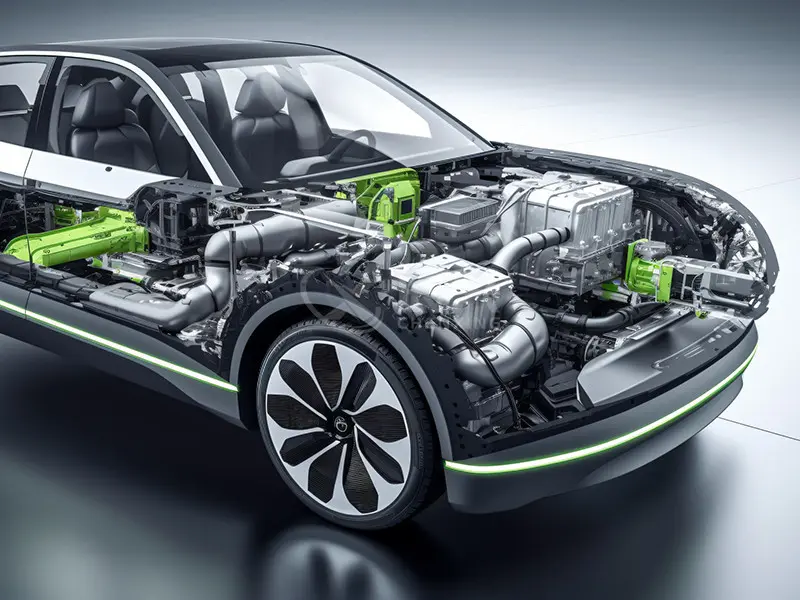
Utilized in structural fuel line paths, heavy-duty automotive heat shields, truck bed floor systems, and specialized EV battery enclosure trays requiring low weight and impact protection.
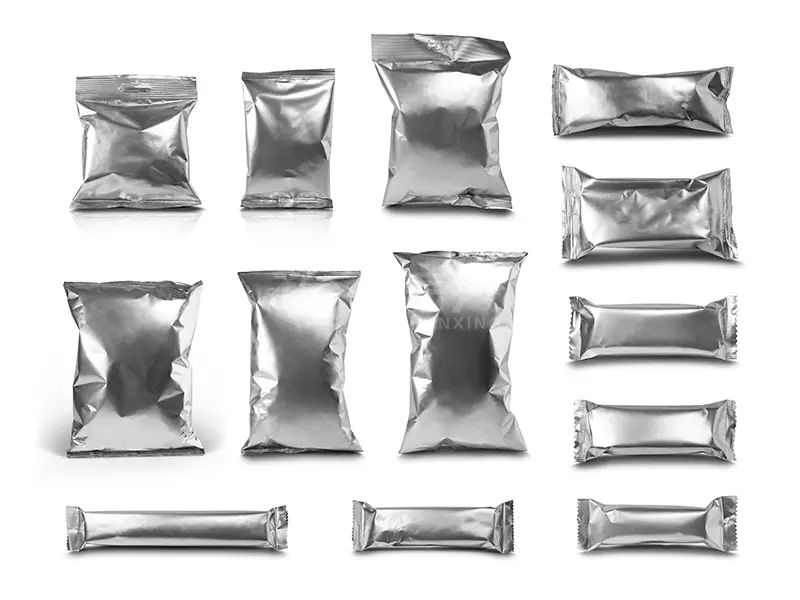
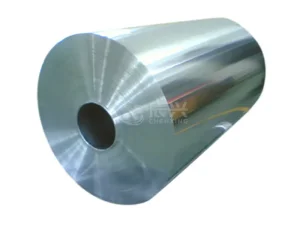
High-elongation foil options optimized for food container production, pharmaceutical barrier packs, blister closures, and standard commercial food service trays.

Engineered for high-durability capacitor shells, lithium-ion battery casings, thermal heat sinks, and electromagnetic shielding enclosures.

Used in light ducting routes, hydraulic fluid lines, structural interior panels, and cabin trim components requiring light, non-magnetic materials.
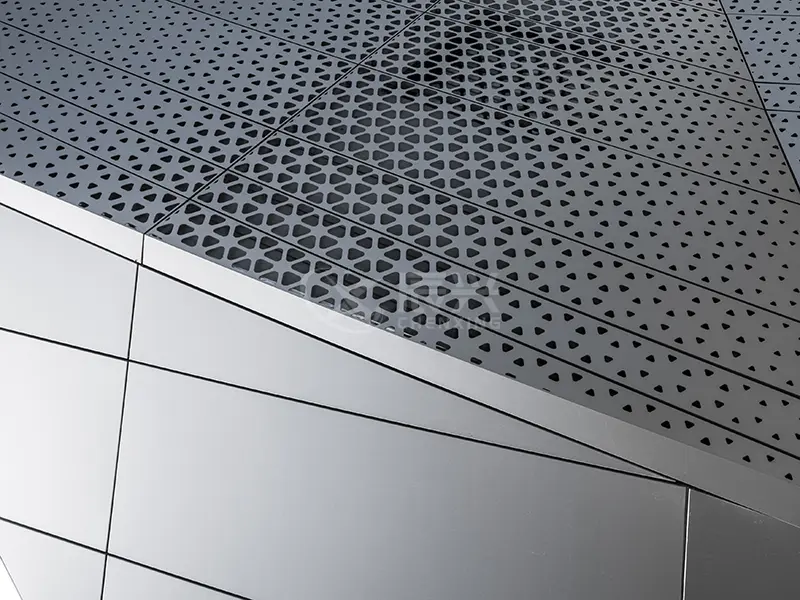
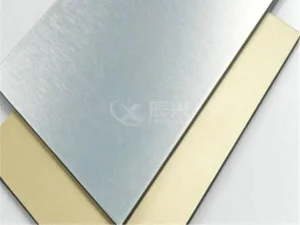
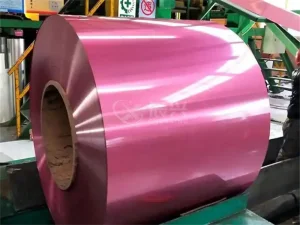
Ideal for commercial building roofing systems, metal sidings, composite interior wall panels, ceiling tiles, and roll-formed rain gutter designs.
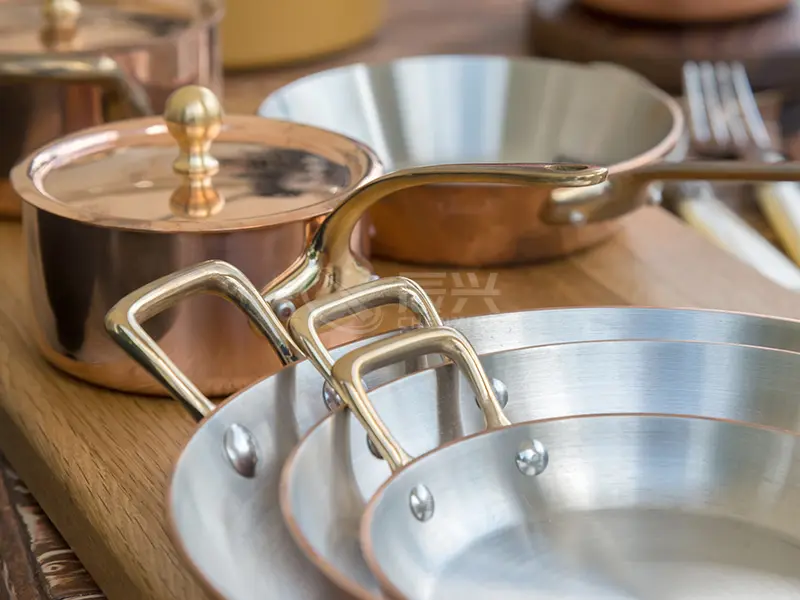
Widely used in microwave oven cavities, refrigerator liner wraps, HVAC evaporator fins, and high-efficiency rice cooker inner pot layers.
Our production facilities utilize advanced process control systems to maintain strict quality standards from hot-cast slab through to final packaged coils:
1. DC (Direct Chill) Casting Process: We begin with high-purity aluminum ingots, adding refined manganese master alloys in gas-fired melting furnaces. Automated electromagnetic stirring ensures chemical homogeneity throughout the melt, preventing alloy segregation.
2. Multi-Stage Hot Rolling Reduction: Large ingots undergo extensive heating before entering the hot rolling mills. Real-time thickness gauges and computer-controlled roll profiling ensure tight tolerances across the strip width.
3. Cold Rolling and Non-Oxidizing Annealing: Multi-pass cold rolling decreases thickness down to ultra-precise specifications. High-efficiency annealing furnaces operate in protective nitrogen environments to prevent oxide film buildup on the metal surface, ensuring a clean and consistent finish.
Every shipment of 3003 aluminum alloy is backed by complete mill test certificates (MTC) detailing chemical composition and mechanical properties in full compliance with the following international frameworks:
Stay informed on the dynamic factors affecting raw material supplies, export structures, and new technological applications for high-performance aluminum products.
Our plants have optimized port logistics connections to meet rising international demand for semi-finished industrial aluminum products, reducing transit wait times by up to 25%.
Read More Insights →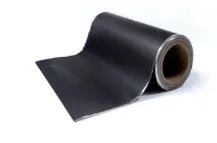
With rapid global adoption of electric vehicles, the demand for high-purity battery electrode current collectors continues to climb. Discover how our mills meet these cleanroom requirements.
Read More Insights →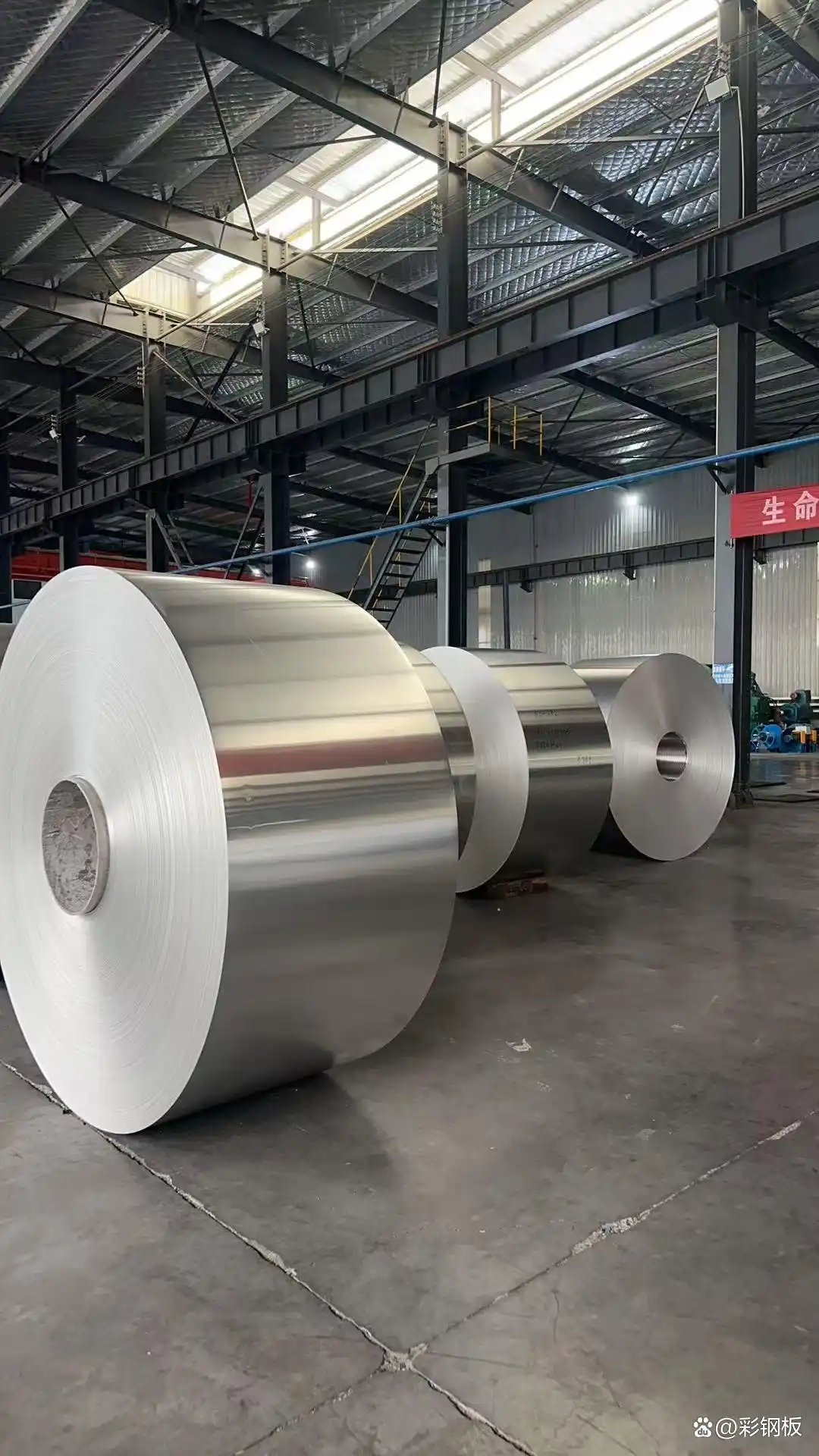
Architectural siding projects are increasingly prioritizing green, recyclable materials. Discover how our low-emission aluminum processing lines help builders earn LEED certification credits.
Read More Insights →Find quick answers to common technical, logistics, and quality assurance questions regarding 3003 aluminum alloy products.
While both alloys offer excellent corrosion resistance and workability, 3003 aluminum contains 1.0% to 1.5% Manganese (Mn). This addition makes 3003 approximately 15% to 20% stronger than pure 1100 alloy, allowing for thinner walls in applications like heat exchangers and industrial ducting.
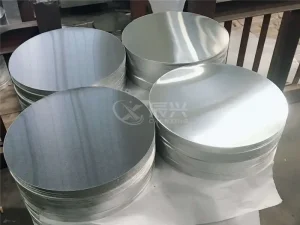
Yes, especially in the 3003-O (fully annealed) temper state. In this condition, the alloy exhibits maximum elongation and ductility, which prevents tearing and thinning during complex deep-drawing processes. This makes it an industry standard for lithium-ion battery cans and food prep containers.
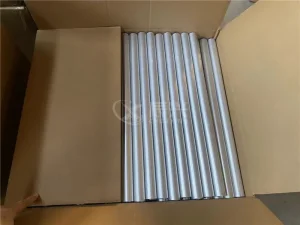
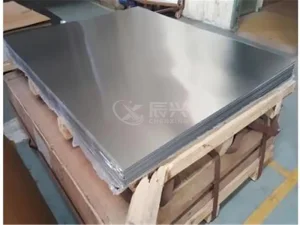
We apply heavy-duty protective PE/PVC films or interleave sheets with acid-free paper to prevent scratches. Coils are tightly secured with steel bands over cardboard edge protectors, wrapped in moisture-resistant vapor barrier foil, and shipped in sea-freight-ready wooden crates.
Every shipment is backed by a Mill Test Certificate (MTC) conforming to EN 10204 3.1. This certificate details the chemical composition, tensile and yield strengths, elongation rate, and compliance with ASTM B209, REACH, and RoHS standards.
Yes, our slitting and shear lines process coil widths from 8mm up to 2600mm, with thickness ranges from 0.006mm up to 300mm. We can customize length, width, and packaging orientation to match your production setup.
Explore our industrial grade aluminum solutions engineered to meet rigorous international standards for packaging, electronics, automotive, and construction sectors.
Request detailed pricing, custom specifications sheets, or product samples. Our team will review your project needs and respond within 24 hours.