
Explore our foundational range of precision-rolled sheets, strips, discs, and tubes engineered for high stability and structural integrity.
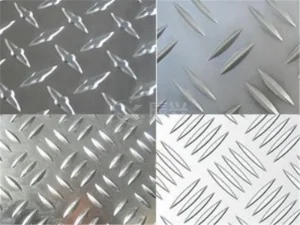
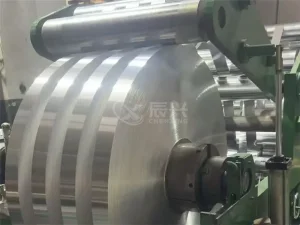
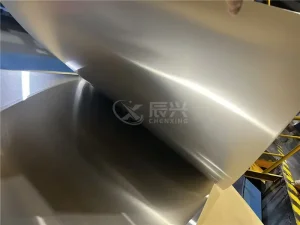
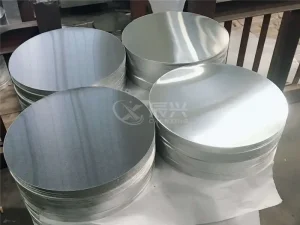
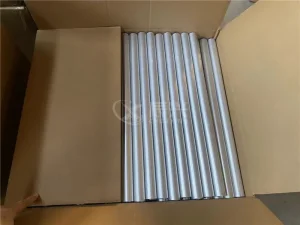
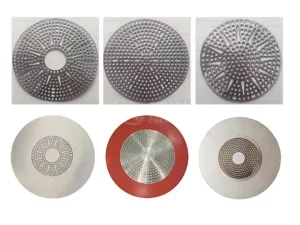
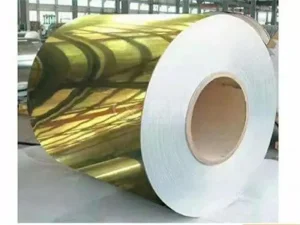
Providing high-precision engineering, consistent metallurgical reliability, and robust logistics solutions for complex manufacturing programs worldwide.


In-depth technical breakdown and metallurgical analysis of industrial aluminum plate processing, global supply lines, and value-focused logistics.
In modern industrial applications, the sourcing of **rolled aluminum plates** represents a vital point in high-value procurement chains. Heavy sectors such as commercial aviation, high-speed rail, automotive bodies, and deep-sea marine engineering rely heavily on the mechanical properties of aluminum plates. Unlike cast structural components, rolled plates undergo heavy plastic deformation at controlled recrystallization temperatures. This rolling process breaks down the cast dendritic structure, aligning grain boundaries and significantly enhancing mechanical properties including tensile strength, fatigue resistance, and fracture toughness.
Global procurement teams must evaluate manufacturers not just on nominal pricing, but on their technological roadmap, thermal treatment capacities, and quality assurance framework. Aluminum alloys—spanning the high-formability 1xxx and 3xxx series, structural marine 5xxx series, precipitation-hardenable 6xxx series, and ultra-high-strength 7xxx series—require highly controlled rolling and heat treatment environments. A slight variance in homogenization time or hot rolling finishing temperature can lead to microstructural anomalies, compromising the integrity of components in high-stress environments.
| Alloy Series | Main Alloying Element | Standard Temper | Key Mechanical Properties | Primary Sourcing Sectors |
|---|---|---|---|---|
| 1xxx Series (e.g., 1100, 1050) | Pure Aluminum (≥99%) | O, H14, H18 | High thermal/electrical conductivity, excellent corrosion resistance. | Chemical processing equipment, HVAC heat exchangers, foil production. |
| 3xxx Series (e.g., 3003, 3104) | Manganese (Mn) | O, H12, H14, H24 | Moderate strength, exceptional deep-drawability and formability. | Induction circle substrates, deep-drawn cans, process piping. |
| 5xxx Series (e.g., 5052, 5083) | Magnesium (Mg) | O, H111, H112, H32 | High corrosion resistance in saline environments, excellent weldability. | Marine vessel hulls, LNG storage tanks, pressure vessels. |
| 6xxx Series (e.g., 6061, 6082) | Magnesium & Silicon | T6, T651 | Good structural strength, easily machinable and anodizable. | Heavy machinery structures, structural framing, transportation vehicles. |
| 7xxx Series (e.g., 7075) | Zinc (Zn) | T6, T651, T73 | Ultra-high yield strength, high fatigue limits. | Aerospace structural bulkheads, high-stress defense equipment, tool tooling plate. |
From slab casting to precision stretcher-leveling: Understanding the technological stages of hot-rolled and cold-rolled plate manufacturing.
The manufacturing journey of a premium **rolled aluminum plate** begins at the casting stage. Factories utilizing **Direct Chill (DC) casting** generate thick, uniform rectangular ingots (slabs). These slabs must be homogenized in specialized furnaces to eliminate segregation of alloying elements, preparing them for the physical reduction steps. Conversely, some factories employ **Continuous Casting (CC)** for thinner gauges, which eliminates several hot-rolling passes but is typically reserved for lower-stress applications such as commercial foils or architectural sheets.
For high-thickness industrial plates (ranging from 6mm up to 250mm), hot breakdown rolling mills reduce the ingot under temperatures varying between 350°C and 500°C. In the final passes, cold rolling mills reduce the thickness to exact mechanical tolerances, imparting a cold-work hardening effect. Key mechanical properties are locked in during post-rolling processing:
How different manufacturing sectors utilize precision-rolled aluminum profiles and components to meet rigorous structural metrics.

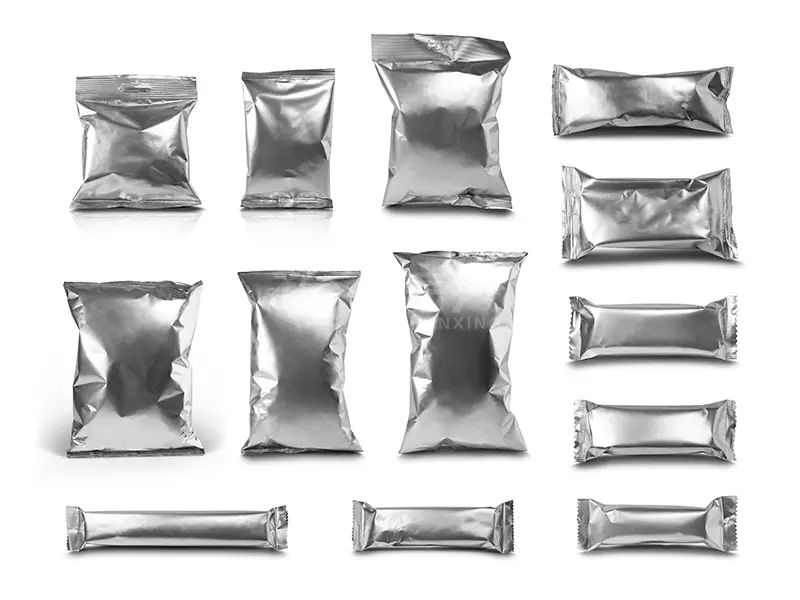


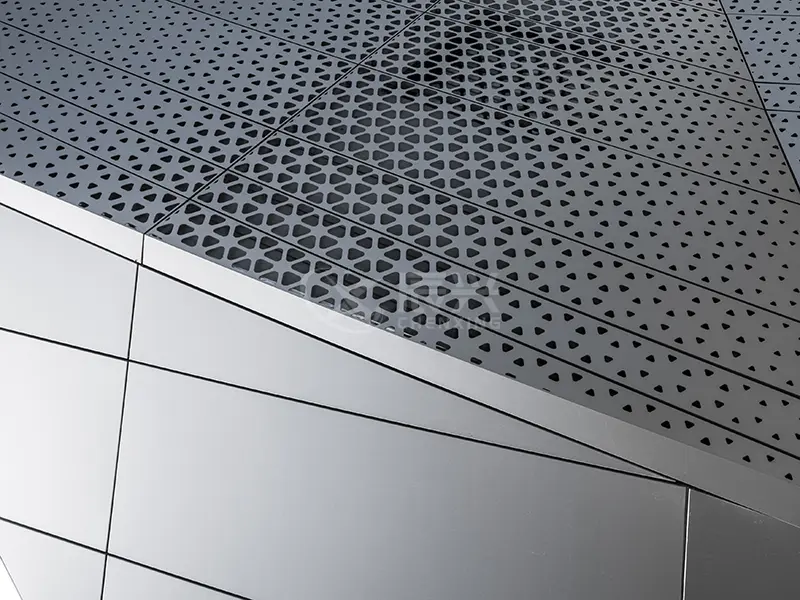

Ensuring risk-free international procurement with transparent regulatory and protective packaging standards.
Navigating global logistics for heavy metal products requires expert packaging design to counter environmental hazards. Aluminum is highly susceptible to **condensation corrosion (white rust)** when exposed to humid maritime atmospheres during long sea transit. Therefore, reputable mills enforce stringent export packaging standards. Plates are separated by moisture-absorbing interleaving paper, wrapped in heavy-duty polyethylene vapor barriers, encapsulated in rugged wooden crating, and securely strapped to reinforced steel-eye pallets suitable for overhead crane handling.
From a regulatory standpoint, international procurement leads must track anti-dumping duties, tariff classification codes, and regional carbon border policies (such as the European Union’s CBAM). Purchasing from mills that maintain integrated carbon tracking and compliance certificates simplifies customs clearance. Furthermore, compliance with international certification bodies like **SGS, BV, CE, ABS, DNV, and CCS** ensures the metal satisfies structural safety codes for aerospace, rail, and marine structures without costly third-party verification delays at receiving ports.
Direct technical answers addressing critical production tolerances, alloy selection, and ordering terms for global industrial buyers.
Connect with our engineering specialists. Receive alloy recommendations, lead times, dynamic industrial pricing models, and structural standard verifications within 24 hours.
Browse our selection of specialized high-strength plates, wall profiles, and functional foil variants engineered for rigorous specifications.
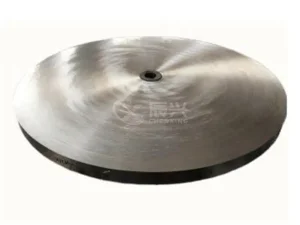
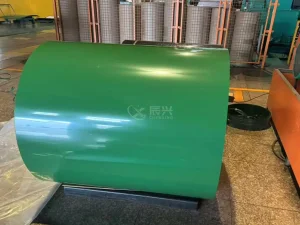
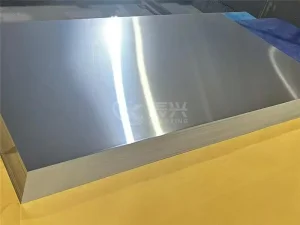
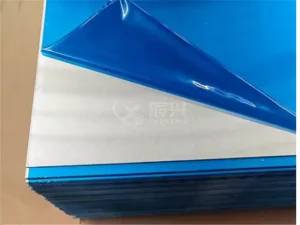

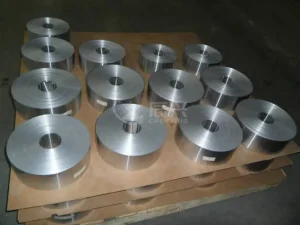
Stay informed on the global macroeconomics of aluminum smelting, market demand projections, and innovative alloys.
Analysis of export statistics, shipping lane adjustments, and factory capacity changes responding to global infrastructure spending.
Read more news
Exploring the tight physical requirements and micro-cleanliness parameters required for processing high-integrity battery-grade foils.
Read more news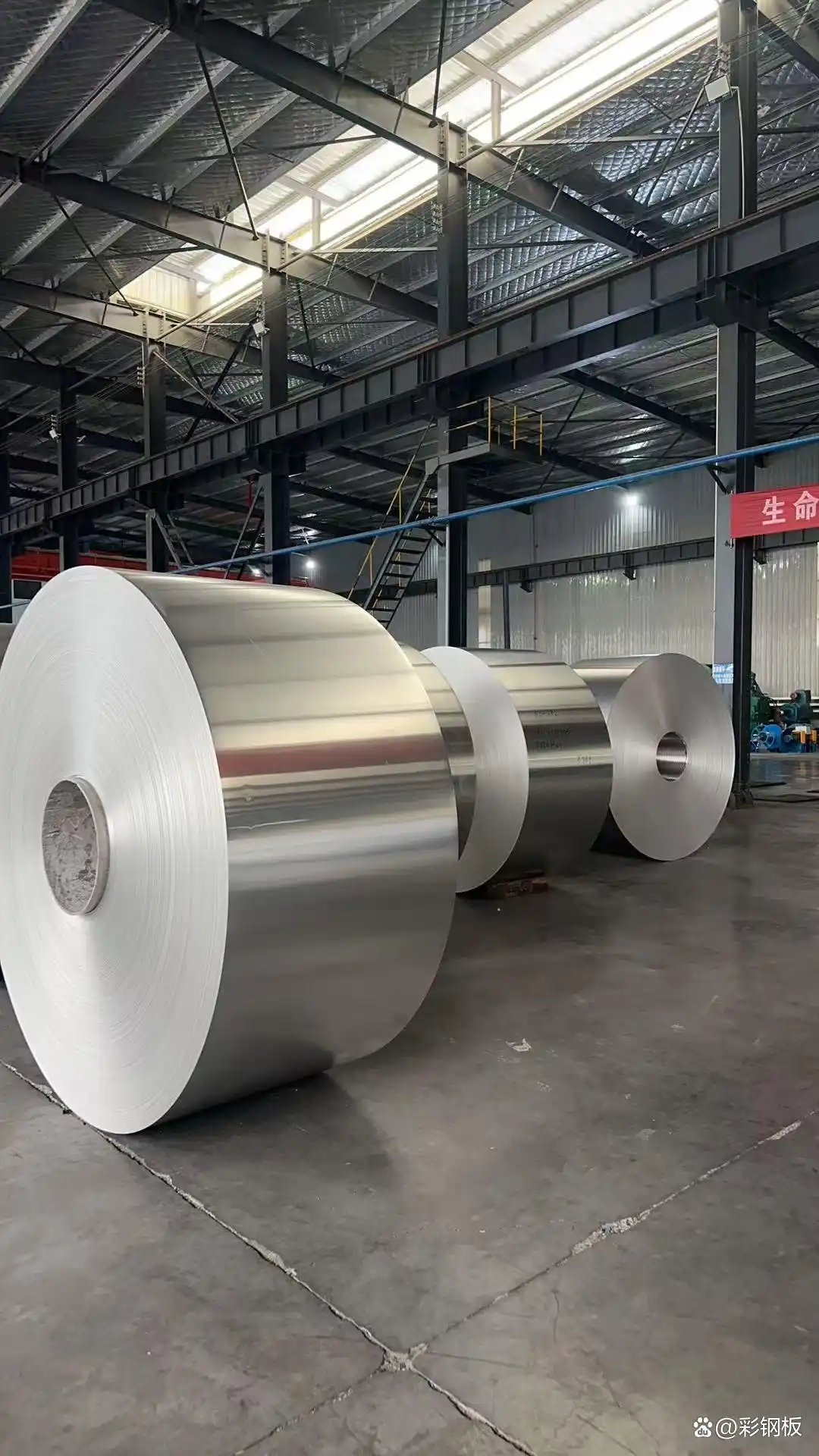
How strict carbon tax laws are changing global supply configurations toward low-carbon and recycled aluminum raw stocks.
Read more news