Engineered for structural efficiency, extreme environmental resistance, and precision processing
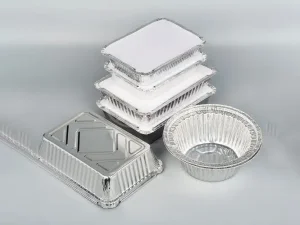
Stackable, fresh-keeping storage & custom lunch boxes direct from suppliers.
View Details →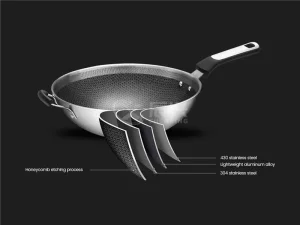
High-grade 3-ply metal blanks engineered for high-performance cookware.
View Details →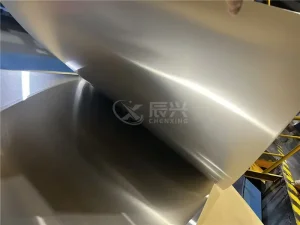
High-precision alloy sheet optimized for deep drawing & packaging solutions.
View Details →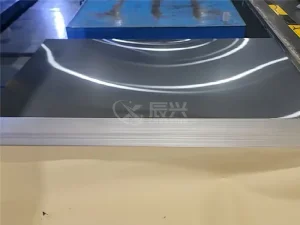
High-quality construction and industrial-grade aluminum sheets.
View Details →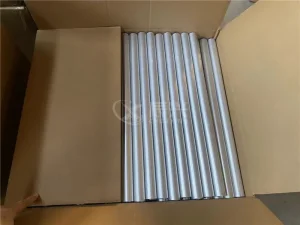
Precision extruded tubes for thermal management and structural frames.
View Details →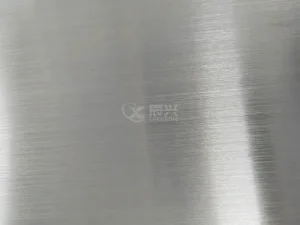
Premium surface finish optimized for architectural cladding and panels.
View Details →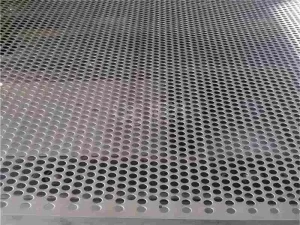
Customized patterns and hole geometry for filtration, acoustic and design systems.
View Details →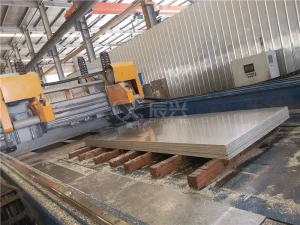
High strength and extreme corrosion resistance for marine hulls & vessels.
View Details →A benchmark of trust, engineering reliability, and global fulfillment standards in metal rolling technology
 Strict QC & Intelligent Tracking
 24-Hour Support, 8D Response Protocol
Author: Technical Director of Metallurgy and Strategic Sourcing
The global demand for high-strength, lightweight materials has propelled structural aluminum into the forefront of industrial engineering. When looking to buy metal aluminum plate products from global manufacturers, raw material specifications, metallurgical properties, and factory standards represent critical procurement milestones. This technical guide outlines the parameters required to align production properties with localized engineering standards.
China remains the absolute epicentre of aluminum processing, representing over 50% of the world's primary smelting and rolling capacity. Direct factory sourcing from major Chinese industrial zones provides buyers with unmatched cost-efficiency, comprehensive alloy portfolio matching, and advanced surface manipulation capabilities (such as precision brushing, hard anodizing, and multi-layer metallic cladding). By working directly with integrated factories, procurement directors eliminate mid-tier trading markups while securing immediate feedback under standard 8D problem-solving methodologies.
Our integrated hot and cold rolling mills process high-grade alloys under stringent international directives. From initial ingot smelting to final heat treatment (T4, T6, T651 tempers), vertical integration allows for dynamic price structuring linked directly to indices like the London Metal Exchange (LME) and Shanghai Futures Exchange (SHFE). This integration offers global enterprises a robust shield against volatile pricing, ensuring price certainty throughout long-term delivery contracts.
Reliable aluminum plate manufacturing depends on rigorous quality assurance protocols. For high-stakes applications in marine defense, aerospace framing, or chemical storage, material failure is not an option. A reputable factory must offer full material traceability starting with Material Test Reports (MTRs) compliant with EN 10204 3.1. Standard non-destructive validation includes ultrasonic crack detection (ASTM B594 standard), eddy current scanning, mechanical tension tests (yielding true elongation and ultimate tensile strength), and optical emission spectrometry to certify chemical purity levels.
For operations within North America and the European Union, compliance with localized environmental and health standards is a legal necessity. Leading factories ensure all processes align with:
Selecting the optimal alloy configuration directly impacts fabrication success, weld strength, and corrosion lifespan. Review the technical parameters of our primary export-grade materials below:
| Alloy Series | Main Alloying Elements | Typical Temper | Tensile Strength (MPa) | Yield Strength (MPa) | Primary Applications |
|---|---|---|---|---|---|
| 1050 / 1060 | Al ≥ 99.50% / 99.60% | O, H14, H24 | 65 - 145 | 20 - 120 | Electrical busbars, chemical utensils, heat reflectors, cookware circles |
| 3003 | Manganese (Mn: 1.0 - 1.5%) | H14, H18, H24 | 110 - 210 | 40 - 165 | Heat exchangers, vehicle engine shields, roofing panels, food containers |
| 3104 | Mn (~1.2%), Mg (~1.0%) | H19, H24 | 180 - 290 | 150 - 250 | Beverage can bodies, high-strength structural drawing components |
| 5052 | Magnesium (Mg: 2.2 - 2.8%) | H32, H34, O | 190 - 290 | 90 - 230 | Sheet metal cabinets, fuel tanks, hydraulic tubes, marine components |
| 5083 | Mg (4.0 - 4.9%), Mn (0.4 - 1.0%) | H111, H112, H116, H321 | 275 - 350 | 125 - 200 | Marine vessel hulls, pressure vessels, cryogenic tankers, heavy armored plates |
Industrial supply lines are highly vulnerable to macro-economic changes, freight interruptions, and tariff fluctuations. A strategic manufacturer must do more than simply mill metals; they must provide integrated logistics and localized support structures. This includes DDP (Delivered Duty Paid) pricing frameworks, custom-engineered protective packaging (such as heat-treated wooden pallets, anti-moisture desiccants, and blue PE/laser protective films), and specialized warehousing partnerships near key regional hubs.
Furthermore, custom fabricators look for JIT (Just-in-Time) delivery models that align with their automated manufacturing assembly lines. By selecting a manufacturer capable of housing safety stock and executing scheduled releases, buyers dramatically reduce their capital expenditure footprint. Additionally, having localized field engineers or prompt technical consulting ensures that any alloy integration issues are addressed immediately, minimizing line downtime.
The manufacturing sector is entering a new era of carbon accountability and smart materials. Key shifts driving the market include:
Where structural integrity and material durability meet cutting-edge engineering demands

Lightweight alloys engineered to optimize commercial chassis systems and fuel efficiency.
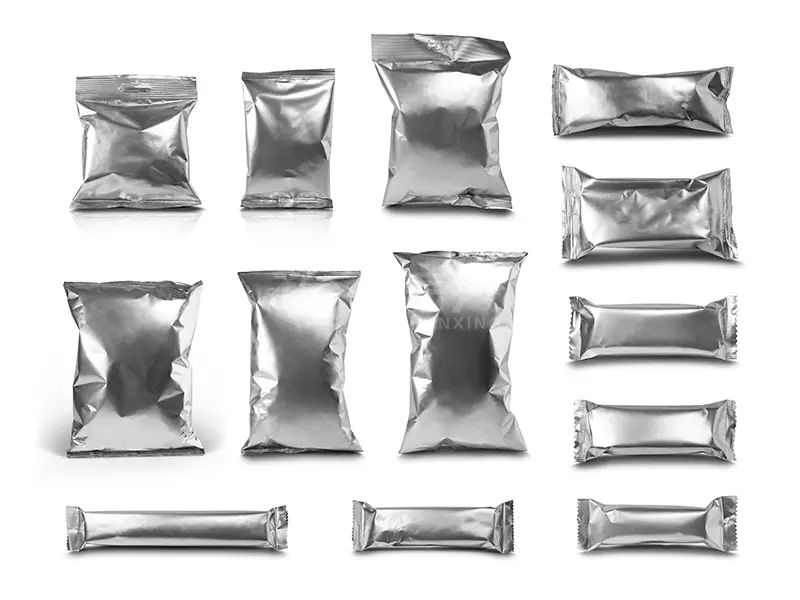
Food-contact safe foils and sheets engineered for protective packaging barriers.

Excellent thermal dissipation alloys designed for structural electronic shells.

Ultra-high fatigue resistance plates for safety-critical aviation structures.
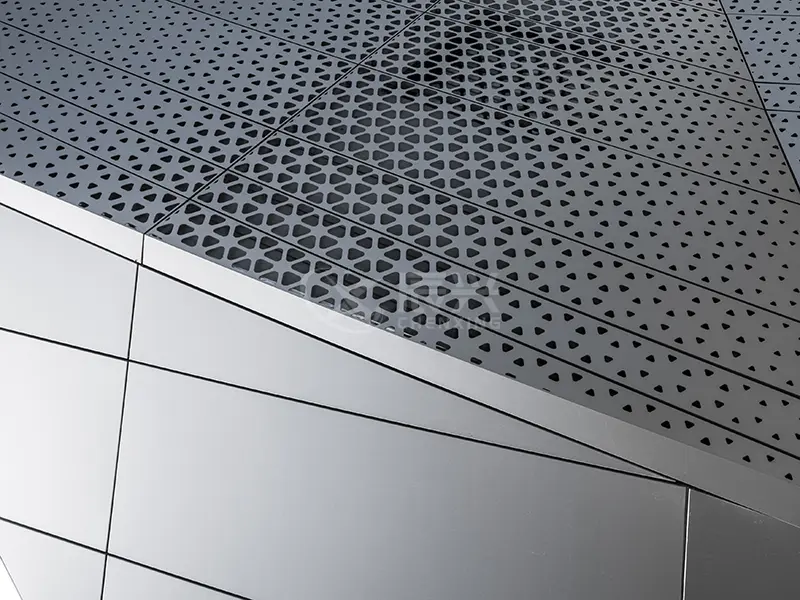
High durability profiles and architectural sheets optimized for extreme weather.

Aesthetically pleasing brushed and mirror surfaces with fingerprint resistant coatings.
Discover emerging macro-trends, export reports, and direct updates from our production floor
Strategic expansion across cold-rolling segments will bolster high-volume processing capacity to address the growing European and North American industrial demand.
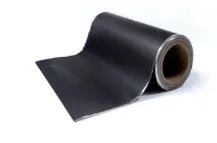
Read More →An in-depth metallurgical analysis highlighting carbon-coated foil parameters essential for performance in modern lithium-ion EV batteries.
Read More →Green building standards globally are pushing demand for lightweight, recyclable aluminum alloy coils for long-lasting exterior systems.
Read More →Comprehensive metallurgical answers and logistical clarity directly from our engineering team
While both are non-heat treatable alloys, they differ significantly in chemistry and mechanical performance. 3003 aluminum plate is alloyed primarily with Manganese, offering moderate strength, high ductility, and excellent thermal conductivity. It is ideal for deep drawing, heat exchangers, and architectural cladding. In contrast, 5052 aluminum plate contains magnesium (around 2.5%), which yields almost double the mechanical strength and vastly superior fatigue limit. Furthermore, 5052 exhibits excellent marine corrosion resistance, making it the preferred alloy for structural metal enclosures, vehicle bodywork, and maritime applications.
5083 aluminum alloy contains 4.0% to 4.9% magnesium and high manganese levels. This unique metallurgical composition allows it to retain exceptional structural strength, fatigue life, and stress-corrosion resistance in highly corrosive saltwater environments. To purchase 5083 plates for shipbuilding, manufacturers must supply certified classification documents from recognized international agencies, such as DNV-GL, ABS, Lloyd’s Register, or Bureau Veritas (BV). Additionally, the material should meet ASTM B209 / EN 485 dimensional and chemical specifications.
Our factory utilizes advanced rolling mills configured with automatic gauge control (AGC) systems that monitor material thickness dynamically. This allows us to achieve tolerances within ±0.02 mm (well below standard ASTM allowances). For surface finishing, we offer mill finishes, custom directional brushing, high-reflectivity mirror finishes, and localized anodized treatments. During final packaging, all plates are separated by custom inter-leaving paper and wrapped in heavy-duty polyethylene protective films to prevent scratching, pitting, or water stains during transit.
Most Chinese manufacturers cross-reference alloy specifications based on the unified Aluminium Association (AA) designation system. For instance, Chinese GB/T 3880 specifications translate perfectly into Western industrial codes: GB 3003 corresponds to AA3003 and EN AW-3003; GB 5052 maps directly to AA5052 and EN AW-5052. Prior to dispatching goods, we issue a clear chemical breakdown showing compatibility with both American ASTM B209 and European EN 485-2 parameters, ensuring global engineering compliance.
Moisture control is critical during sea shipping to prevent white rust (aluminum oxide corrosion). We pack all metal plates inside sea-worthy wooden crates that comply with international ISPM 15 fumigation guidelines. Each stack is sealed in an airtight plastic vapor barrier containing active moisture-absorbing silica packets. Additionally, thin protective plastic films (e.g., Novacel or Nitto) are applied to the plates to shield them from environmental exposure during cross-border transit.
Industrial buying involves hedging raw material costs. Sourcing directly from an integrated factory allows you to coordinate prices directly with active commodity exchanges like the LME. Our direct-to-manufacturer agreements offer transparent, formulaic pricing models (Alloy Ingot Price + Fabricating Cost), allowing buyers to execute large-scale, long-term procurement programs with highly predictable pricing.
Partner directly with our integrated engineering team to secure custom alloy plate pricing, compliance documentation, and global logistics support. We respond to all inquiries within 24 hours under our 8D response protocol.
Premium packaging, lighting, and thermal management solutions direct from our modern rolling facilities
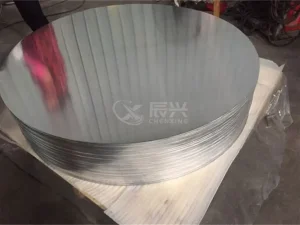
Excellent deep drawing performance optimized for premium kitchenware and light fittings.
View Details →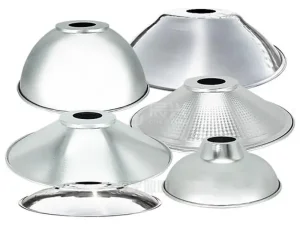
Direct-from-factory aluminum circles optimized for reflector lamps and industrial lighting.
View Details →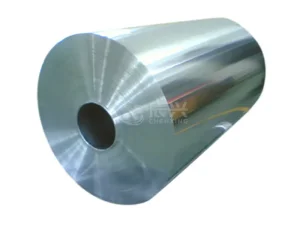
Premium heat sink foil optimized for efficient thermal transfer in HVAC systems.
View Details →
Highly durable, anti-corrosive hydrophilic aluminum foil for heat exchangers.
View Details →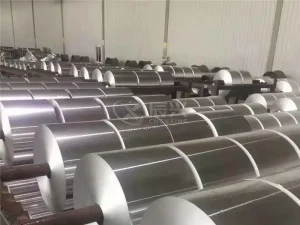
Food-grade preservation foil rolls ideal for packaging, cooking, and industrial barrier wraps.
View Details →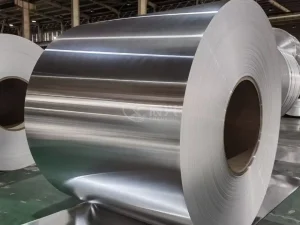
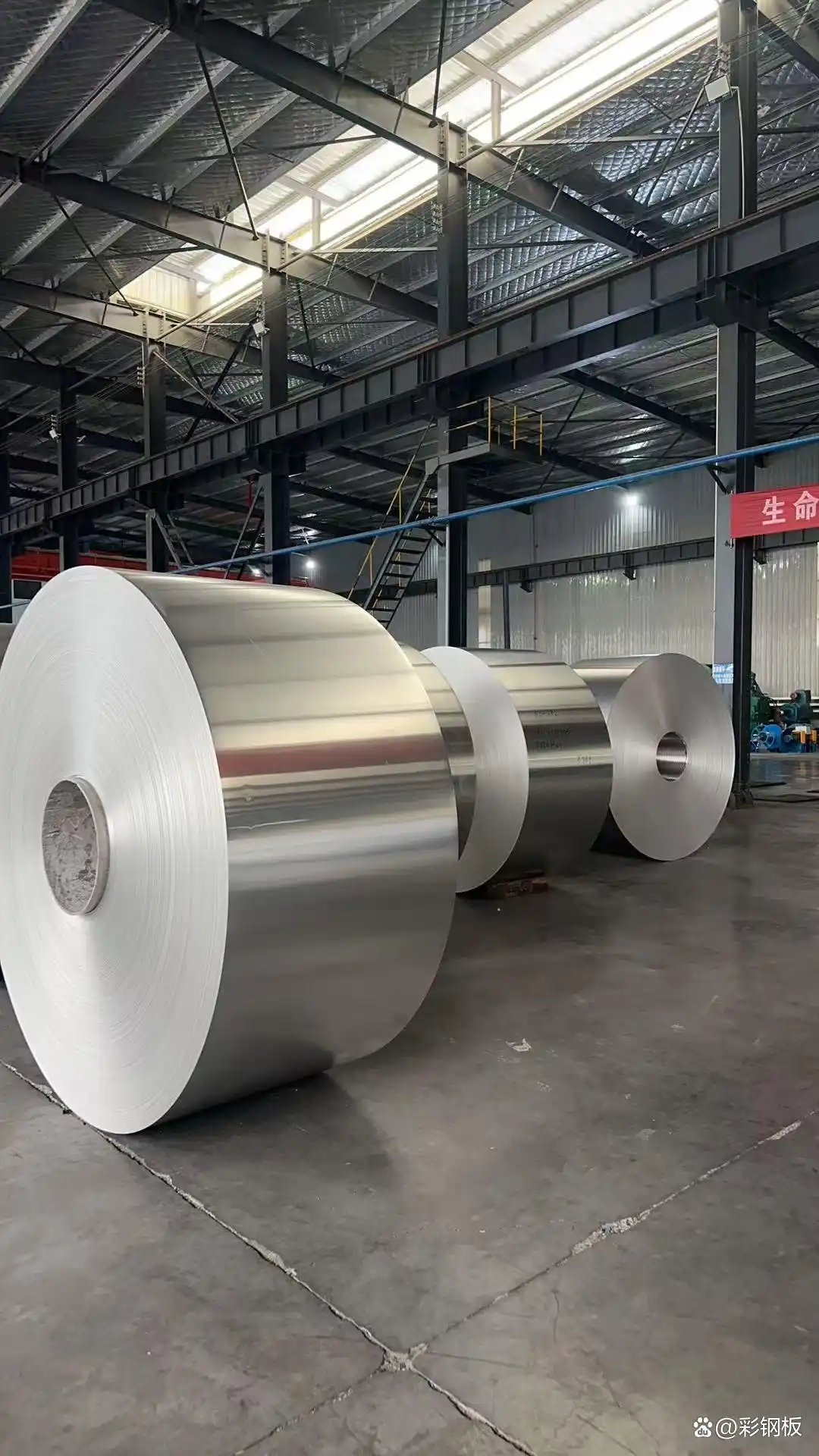
Precision-rolled coils designed to meet diverse structural application needs.
View Details →
Premium alloy coil solutions engineered for heavy fabrication and manufacturing.
View Details →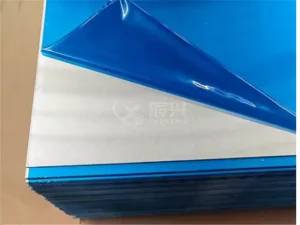
High fatigue strength, lightweight alloy plates optimized for structural cabinets.
View Details →