Industrial grade aluminum sheets, coils, and specialized components directly from certified manufacturers.
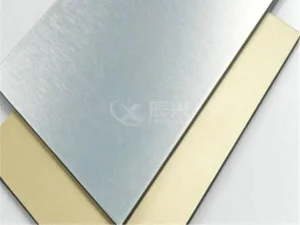
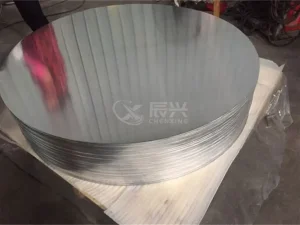
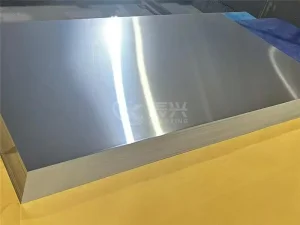
6061 aluminum alloy remains a cornerstone of modern structural engineering. As a precipitation-hardened alloy, its primary alloying elements are Magnesium (Mg) and Silicon (Si). These elements formulate magnesium silicide (Mg2Si), which precipitates within the aluminum matrix to significantly boost yield strength without compromising weight constraints. The structural efficiency and mechanical versatility of this material make it the definitive choice when balanced mechanical properties are mandated.
Through controlled thermal processing (specifically the T6 tempering process), 6061 exhibits an optimal distribution of these micro-precipitates. In its T6 state, 6061 boasts a tensile yield strength of at least 240 MPa (35,000 psi) and an ultimate tensile strength of 290 MPa (42,000 psi). For demanding mechanical machining environments, selecting the proper alloy structure ensures high-quality finishes, component durability, and long-term wear resistance under varied thermal cycles.

On a macro-industrial scale, 6061 aluminum represents the bridge between sustainable design and heavy-duty structural performance. In the transportation sector, structural weight reduction directly drives carbon reduction. 6061-T6 structural frames, truck bodies, and railcars deliver high payload capacities while minimizing energy consumption. Our manufacturing capabilities ensure that global transport manufacturers receive consistent raw material profiles conforming to international weight-to-strength targets.
In municipal infrastructure and renewable energy systems, the alloy plays an essential role. Solar mounting systems, utility gantries, electrical transmission frameworks, and marine structural components utilize 6061 for its superior atmospheric corrosion resistance. Unlike structural steel, 6061 forms an instantaneous protective oxide layer, avoiding costly ongoing zinc-galvanizing or maintenance paint coatings, proving critical in harsh marine coastal regions or chemical exposure sites.

Navigating the global sourcing channels for 6061 aluminum requires a deep understanding of standard logistics, tariff landscapes, and material traceability. Today's industrial procurement chains demand reliable mill test reports (MTR) demonstrating exact chemistry and mechanical testing verification. As a leading manufacturer, we guarantee 100% heat traceability. Every batch of 6061 shipped features complete chemical analysis, ensuring the raw inputs meet strict ASTM B221, ASTM B209, or EN 573-3 standards.
As green industrial practices dictate material specifications, low-carbon aluminum and recycled content integration have transitioned from options to necessities. Our production lines optimize scrap-loop recycling, minimizing the Scope 3 carbon emissions of our downstream buyers. Through efficient logistical routing and global warehousing partners, we mitigate geopolitical trade bottlenecks, providing seamless DDP or CIF delivery processes directly to your manufacturing plants.
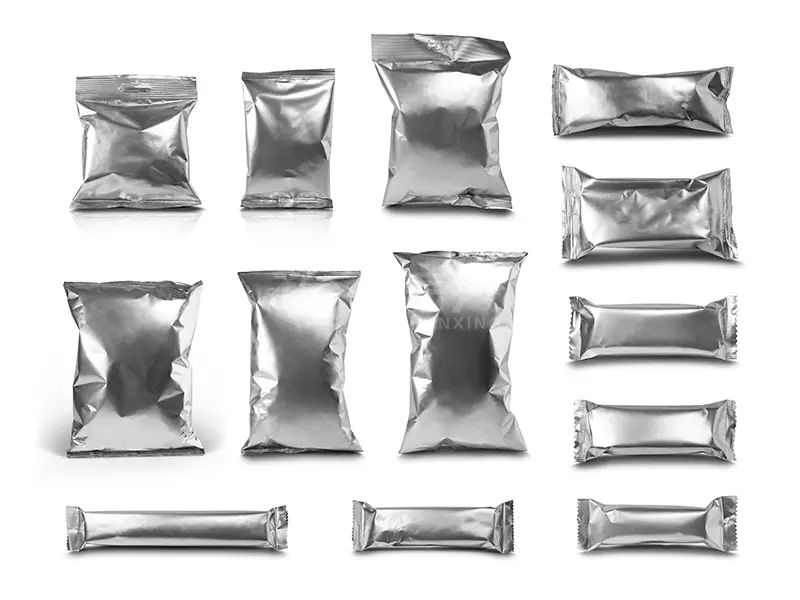
Delivering high-capacity production, global logistics, and strict quality verification parameters.


The manufacturing stages required to produce consistent 6061 profiles and sheets.
Melting pure aluminum ingots with calculated portions of Mg and Si. Homogenizing billets at 560°C to eliminate micro-segregation.
Preheating billets to 450-500°C and forcing them through customized steel dies or rolling stands to form sheets and shapes.
Water-quenching immediately after extrusion to lock the magnesium silicide phase into a solid solution state.
Holding material in aging ovens at 175°C for 8 hours to precipitate Mg2Si, bringing the material to full T6 strength.
High performance sectors where our custom-rolled and extruded aluminum profiles are deployed.

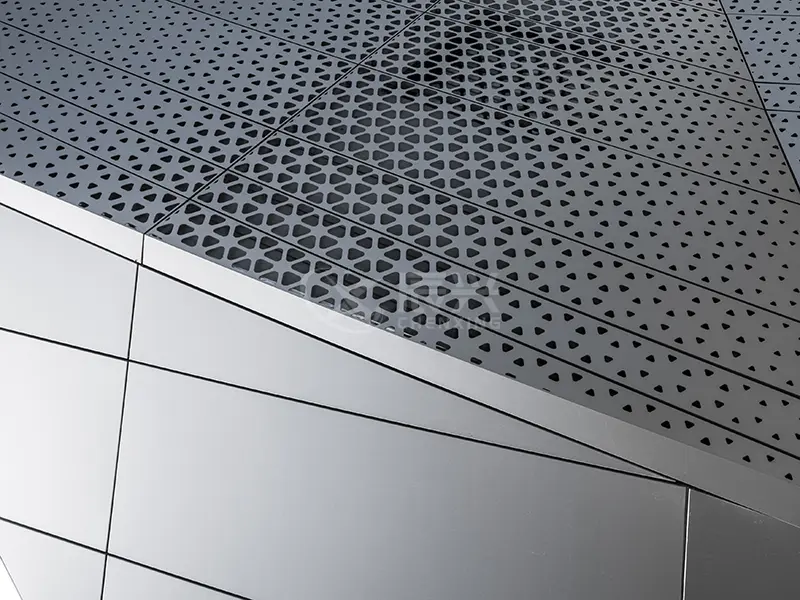

Manufacturing 6061 is more than heat treating metal; it requires adapting to regional certification structures. Whether you are operating under AS9100 for aerospace assemblies in North America, or EN 10204 standards across Europe, our materials match all specifications. By collaborating directly with our metallurgists, custom projects can configure specific yield margins, low-stress parameters, or tight dimensional tolerances that go beyond baseline ASTM guidelines.
We provide comprehensive engineering services for structural calculations, weldability assessments, and fatigue analysis. If your operation requires high CNC machining speeds, we optimize the grain structure of our 6061-T651 plates, reducing internal stresses and preventing warping or twisting post-machining. This focus on material stability minimizes component rejection rates during demanding manufacturing operations.
For inquiries about our specialized 6061 aluminum alloys, direct manufacturer pricing, or custom mill run requests, please submit your requirements. Our engineering team will review your parameters and respond with an 8D report outline or formal quotation within 24 hours.
Submit Inquiry NowStay up to date with metallurgical trends and global market analysis.
Answers to common mechanical engineering, manufacturing, and procurement inquiries.
6061 aluminum contains significantly higher percentages of Magnesium and Silicon, as well as additions of copper (up to 0.4%) and chromium. This results in higher structural strength, reaching tensile strengths twice that of 6063. 6063 is generally optimized for aesthetic architectural extrusions, showcasing smoother surface finishes and superior anodizing clarity, whereas 6061 is preferred for structural load-bearing applications.
The T6 temper designates that the metal has undergone solution heat treatment followed by artificial aging. This achieves maximum hardness and yield strength. However, it reduces ductility, making bending or deep forming difficult without cracking. For tight bends, forming in the annealed (O) temper before heat treating to T6 is recommended. T6 is highly machinable, yielding crisp chips under standard milling tools.
Yes, 6061-T6 is weldable using GTAW (TIG) or GMAW (MIG) methods, typically with 4043 or 5356 filler metals. However, the heat-affected zone (HAZ) adjacent to the weld pool will undergo localized annealing, reducing strength by up to 30-40% at the joint. To restore design strength, welded assemblies must undergo post-weld solution heat treatment and artificial aging back to T6.
Choose 6061 when corrosion resistance, weldability, and lower raw material costs are top priorities. 7075 aluminum contains Zinc as its major alloying element, offering much higher strength (equivalent to structural steels) but lower corrosion resistance, poor weldability, and susceptibility to stress-corrosion cracking. 7075 is typically reserved for critical aerospace parts not exposed to corrosive environments.
The T651 temper indicates the material was solution heat-treated, stress-relieved by controlled stretching, and artificially aged. This stretching step relieves internal residual stresses generated during quenching. Without stress relief, machining deep cavities or asymmetrical patterns into 6061 plates can cause significant bowing or twisting as internal stresses relax.
6061 exhibits excellent resistance to atmospheric environments and fresh water. It has good resistance to marine saline environments, though it is slightly more susceptible to pitting than 5052 or 5083 alloys due to its copper content. Applying protective coatings like clear chromate, hard-anodizing, or paint provides robust protection against long-term galvanic and environmental corrosion.
High performance structural, food-grade, and aesthetic aluminum sheets and foils.