Buy Home Aluminum Factories & Factory

Direct Factory Integration, Global Supply Resilience, and High-Precision Engineered Solutions for Enterprise Sourcing

20+

20+ Years Manufacture Experience

35+

Exported To 35+ Countries

Strict QC

STRICT QC INSPECTION & INTELLIGENT TRACKING

8D Response

24-HOUR CUSTOMER SERVICE, 8D RESPONSE

Global Industry Trends & Procurement Analysis

An in-depth metallurgical and logistical exploration of the modern aluminum supply chain.

1. The Evolution of Home Aluminum Sourcing

The global aluminum landscape is transitioning rapidly towards customized, high-alloy materials designed to meet demanding environmental and structural regulations. Industrial buyers and home aluminum factories are no longer looking simply at raw capacity; instead, they prioritize precise grain boundaries, reliable tempering configurations (such as H14, H18, and O-temper), and verified chemical compositions. The rise of smart appliances, highly efficient building envelopes, and lightweight automotive components requires raw materials that guarantee formability, excellent surface finish, and corrosion resistance.

In structural and residential construction, lightweight aluminum systems are replacing traditional galvanized steel. The demand for materials like 3003 and 1100 series aluminum sheets has grown exponentially, driven by their superior thermal conductivity and excellent adaptability to deep drawing processes. Factories that fail to align their rolling processes with these micro-structural demands cannot deliver the consistency needed for high-speed automated stamping lines.

2. Meeting Global Sourcing Demands

Procurement teams from Europe, North America, and Southeast Asia look for specific manufacturing benchmarks when evaluating potential partners. A robust supply framework must offer rigorous traceability from bauxite and primary ingot smelting down to the final cold-rolled coil or disc. International compliance parameters—including ASTM B209, EN 485, and RoHS directives—serve as the fundamental baseline for modern trade.

Supply Chain Insight: Global logistics volatility requires manufacturers to implement robust container optimization and moisture-proof seaworthy packaging (interleaved with paper/plastic film to prevent oxide discoloration) for all oceanic shipments.

Additionally, manufacturers must maintain tight thickness tolerances (often down to +/-0.02 mm) to prevent machine jams in high-speed downstream manufacturing processes. Whether producing lighting reflectors from high-purity circles or battery casings from 3003 sheets, consistent material properties are critical to avoiding micro-cracks and material failures.

Featured Product Portfolio

Explore our core selection of high-performance aluminum coils, foils, and circle blanks designed for industrial and domestic manufacturing.
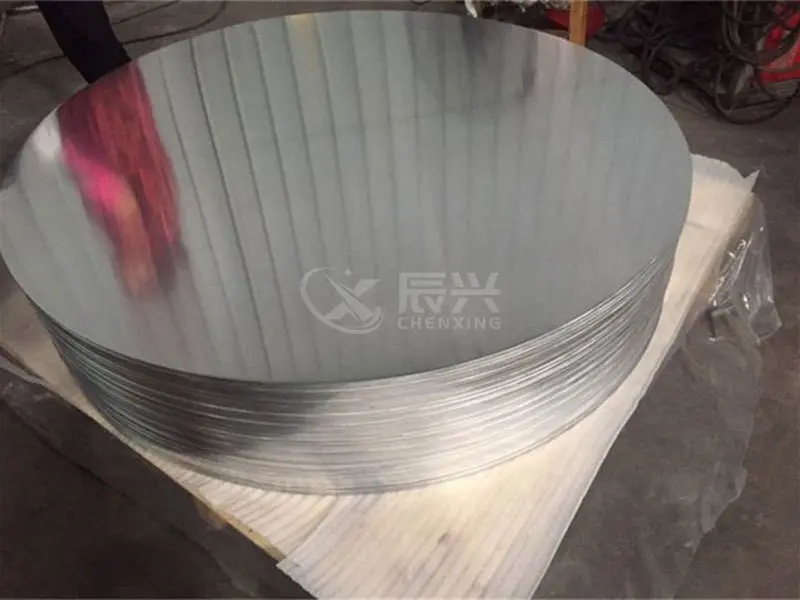
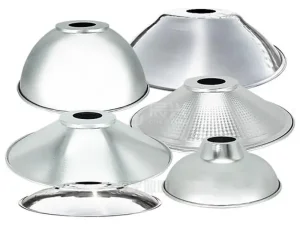
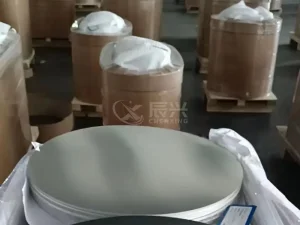
1050 Aluminium Circle

1050 Aluminium Circle

Excellent formability, high reflectivity, ideal for lighting components.

View Details
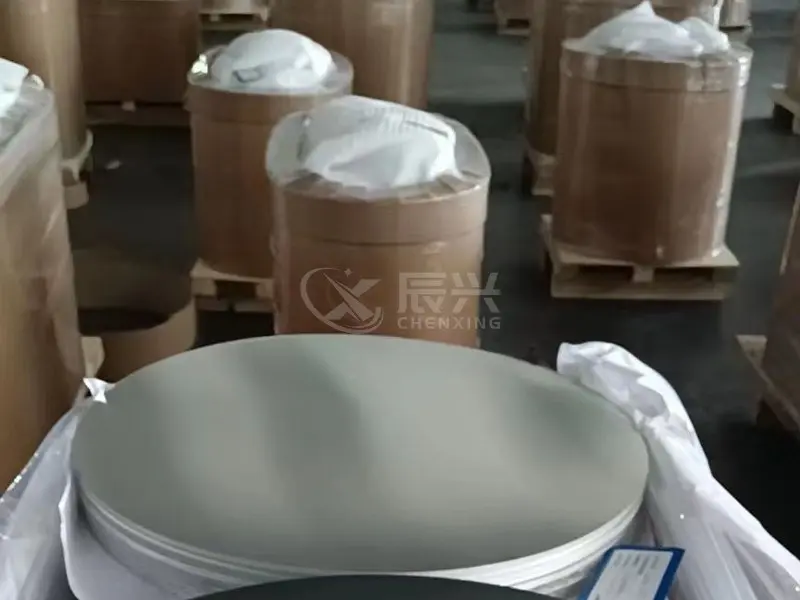
3003 Aluminium Circle

3003 Aluminium Circle

Superior deep drawing performance for cookware and pressure vessels.

View Details
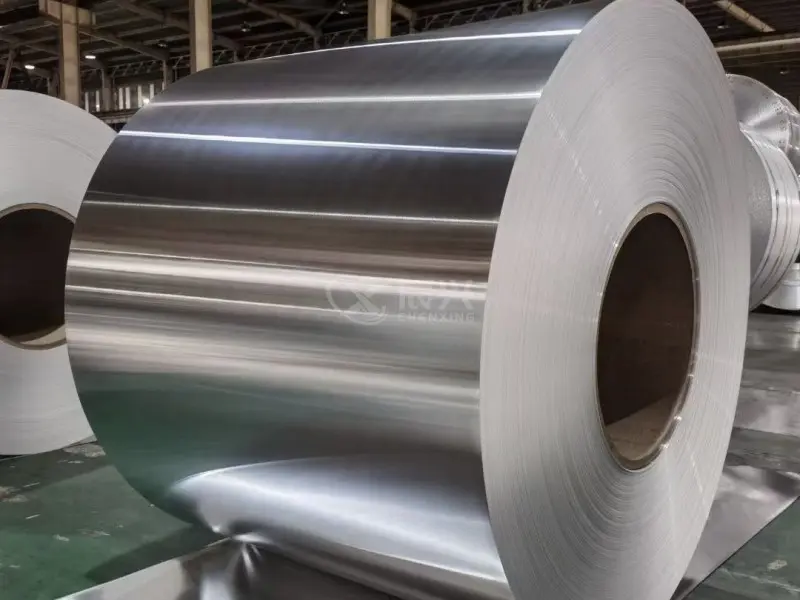
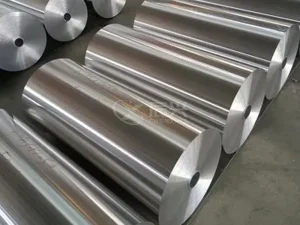
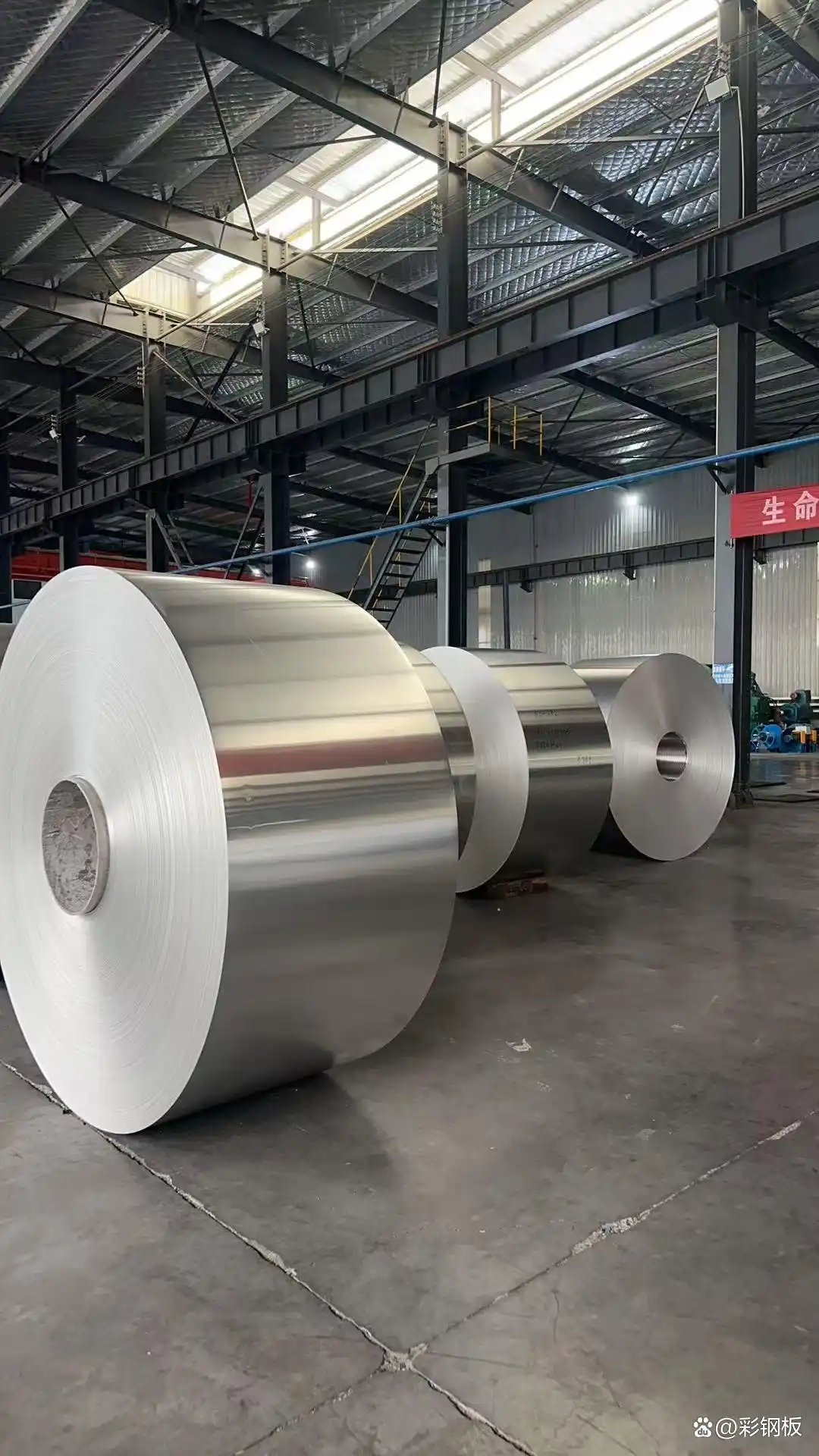
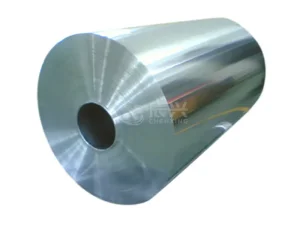
Aluminium Coil

Aluminium Coil

Hot and cold rolled master coils available in diverse alloys.

View Details
Brushed Aluminum Coil

Brushed Aluminum Coil

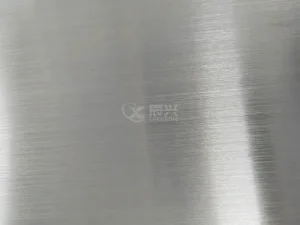
Sophisticated linear brushed surfaces for premium domestic appliances.

View Details
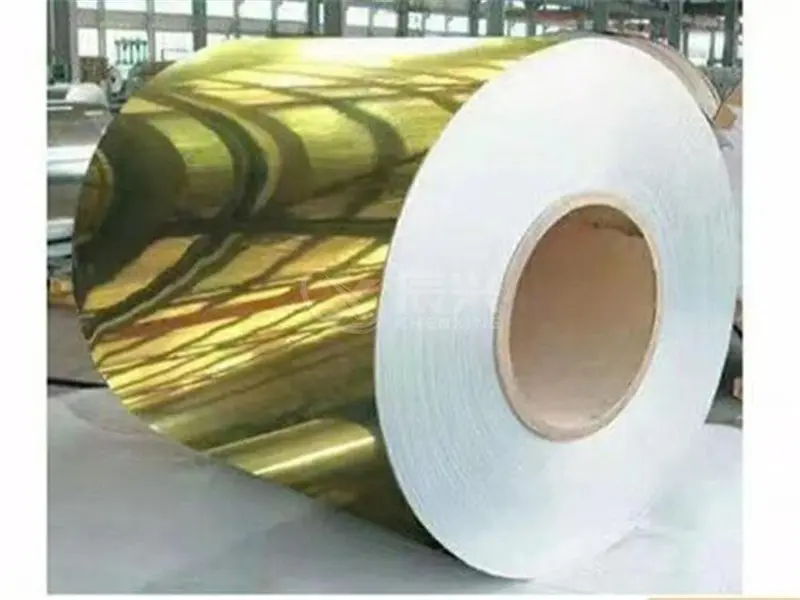
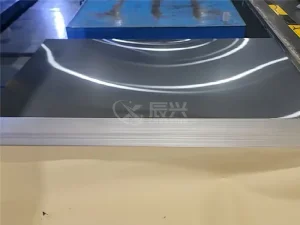
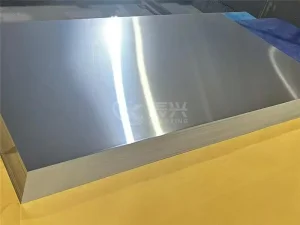
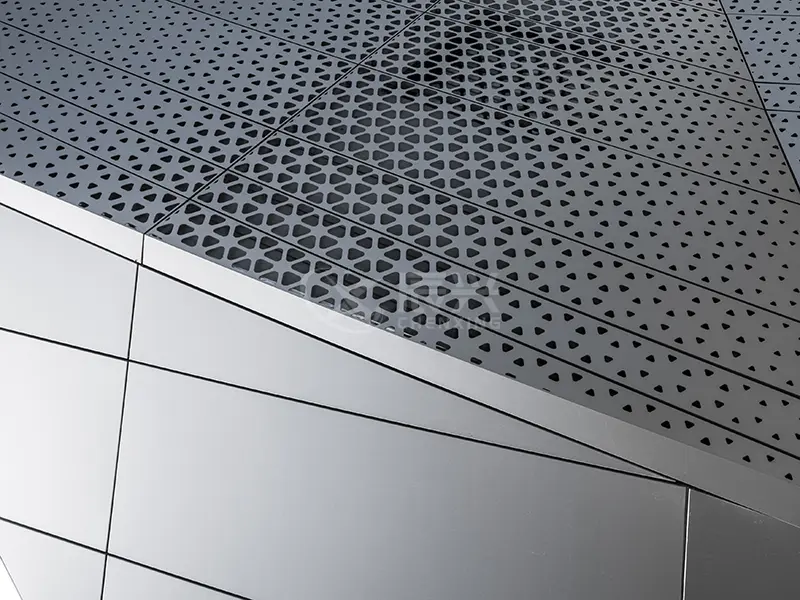
Mirror Aluminum Coil/Sheet

Mirror Aluminum Coil/Sheet

Specular reflectivity exceeding 85% for lighting and optical reflectors.

View Details
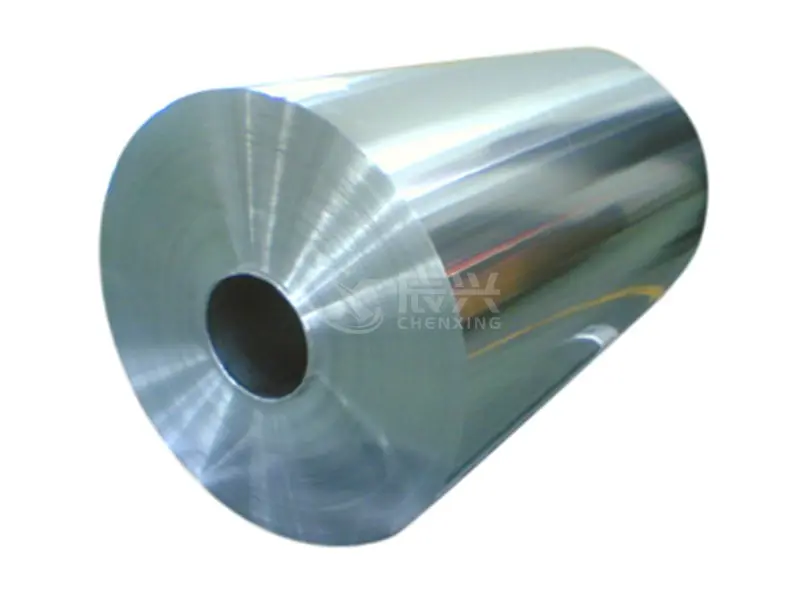
Air Conditioning Aluminum Foil

Air Conditioning Aluminum Foil

Hydrophilic and bare foil solutions for efficient heat exchangers.

View Details
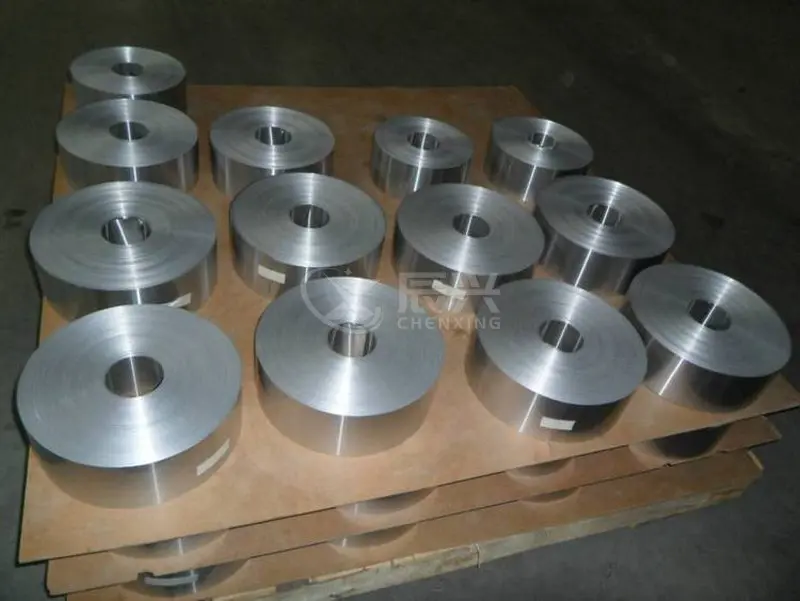
Air Duct Aluminum Foil

Air Duct Aluminum Foil

High tensile strength foil optimized for flexible HVAC ducting systems.

View Details
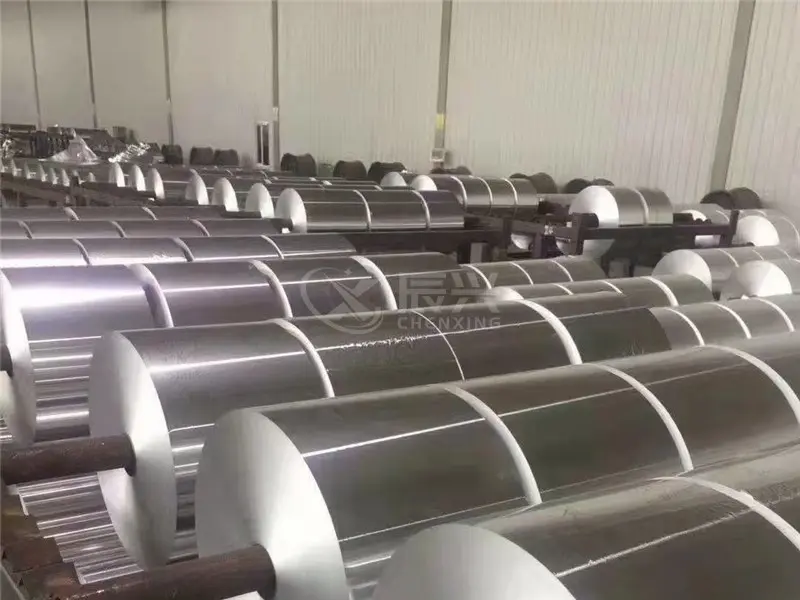
Aluminium Foil

Aluminium Foil

Multi-purpose container foil, household foil, and barrier packaging.

View Details

3. China's Industry 4.0: Supply Chain Resilience & Efficiency

Modern aluminum fabrication facilities utilize Industry 4.0 frameworks to improve production efficiency. Automated rolling speed control, dynamic flatness sensors, and online defect detection systems monitor every coil in real time. This automated quality tracking allows factories to maintain tight tolerances and consistent material properties across large production runs.

By combining raw casting, hot rolling, cold rolling, and precision finishing processes on a single site, manufacturing facilities can lower transit costs and prevent surface damage. In addition, real-time data integration between warehouse management systems and global freight systems provides buyers with transparent tracking and predictable shipping schedules.

4. Strict Quality Control & The 8D Response Standard

In high-speed stamping and deep drawing production lines, material defects can cause costly unscheduled downtime. Reliable manufacturers use multi-stage inspection systems, including eddy current testing and mechanical property verification, to ensure all products meet specification. Every production run is issued a Mill Test Certificate (MTC) detailing its chemical composition, tensile strength, yield strength, and elongation rate.

If a process deviation is detected, the factory follows a structured 8D Problem Solving Process to quickly find and resolve the root cause. This systematic quality assurance method helps prevent repeat issues, giving global buyers confidence that their orders will consistently meet quality expectations.

Localized Application Scenarios

How direct factory-sourced aluminum integrates into modern commercial, structural, and industrial ecosystems.

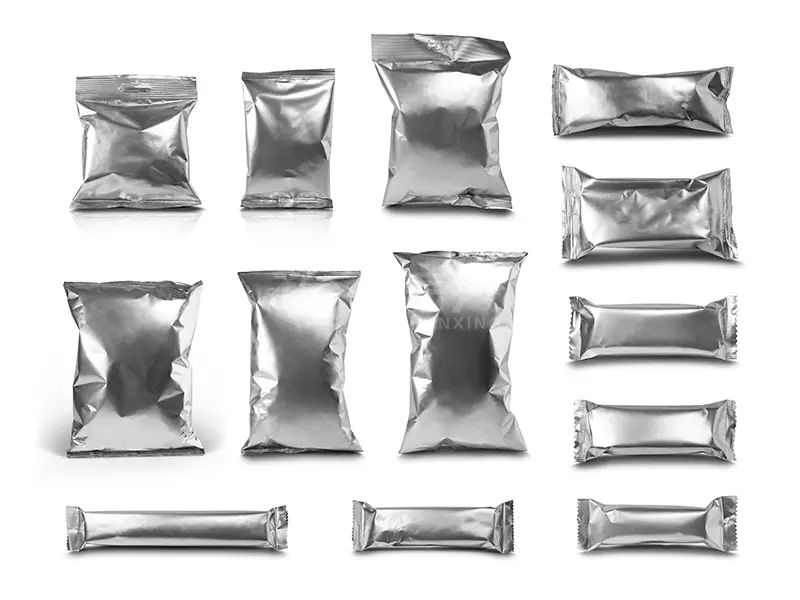
Aluminum For Transportation

Aluminum For Transportation

Aluminum For Packaging

Aluminum For Packaging

Aluminum For Electronics

Aluminum For Electronics

Aluminum For Aerospace

Aluminum For Aerospace

Aluminum For Construction

Aluminum For Construction

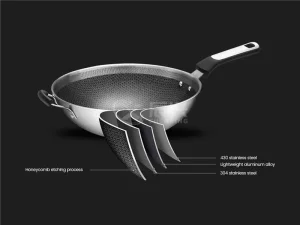
Aluminium For Household Appliances

Aluminium For Household Appliances

Latest Industrial Insights & Market Dynamics

Stay informed with updates on global exports, material trends, and factory developments.
Global Semi-Finished Exports

Global Aluminum Semi-Finished Exports Surge, Our Factory Expands Production Capacity

Read Article →
Battery Grade Aluminum Foil

Battery-Grade Aluminum Foil: Introduction to Modern Electric Vehicle Battery Demands

Read Article →
Green Energy Transition

Global Aluminum Coil Market Grows Steadily Driven by Sustainable Green Building Innovations

Read Article →

Industrial Sourcing FAQ

Technical answers to common questions about sourcing, alloy selection, and factory capabilities.

Q1: What are the primary structural differences between 1050, 1100, and 3003 aluminum alloys?
These alloys differ primarily in chemical composition and mechanical properties. 1050 aluminum is a high-purity alloy (minimum 99.5% Al) offering excellent electrical and thermal conductivity, high corrosion resistance, and high reflectivity, making it ideal for lighting reflectors and chemical equipment. 1100 aluminum is also commercially pure (minimum 99.0% Al) but slightly stronger than 1050, with excellent workability and formability for deep drawing. 3003 aluminum is an alloy with manganese added (1.0% to 1.5%), which increases its tensile strength by roughly 20% compared to pure aluminum. This makes 3003 the preferred choice for industrial cookware, evaporator plates, and structural components that require higher mechanical durability.
Q2: How do factories prevent oxidation and surface defects during long-distance shipping?
To prevent corrosion and oxidation during shipping, we pack all shipments using export-grade seaworthy packaging. Every coil or stack of discs is wrapped in moisture-proof barriers, interleaved with neutral protective paper, and sealed with a heavy-duty desiccant package. The complete assembly is secured on reinforced wooden pallets and bound with steel bands. We also recommend temperature-controlled shipping spaces and protective coatings or peelable protective film for sensitive mirror-finished or brushed coils.
Q3: What thickness tolerances and customization ranges does your factory offer for deep drawing discs?
Our automated rolling lines can achieve precise thickness tolerances down to ±0.02 mm, depending on the material thickness and tempering selection. We supply discs in diameters ranging from 100 mm up to 1200 mm, with thicknesses from 0.3 mm to 6.0 mm. For demanding deep drawing applications, we optimize grain size during the annealing process to minimize the "earing" effect, which reduces scrap rate and waste for our buyers.
Q4: How does hydrophilic aluminum foil improve HVAC system performance?
Hydrophilic aluminum foil features a specialized surface coating that reduces water surface tension. This prevents water droplets from forming bridges between heat exchanger fins, which can block airflow and reduce system efficiency. Instead, condensation spreads into a thin water film that drains away quickly. This improved water management enhances thermal efficiency by up to 15%, helps prevent mold growth, and extends the service life of industrial air conditioning units.
Q5: What quality certifications and standards do you provide for industrial orders?
All shipments are manufactured to international standards, including ASTM B209, EN 485, and GB/T 3880. Every shipment includes a detailed Mill Test Certificate (MTC) showing the chemical analysis, mechanical property test results (tensile strength, yield strength, elongation), and coating thickness validation (where applicable). Our factories also maintain ISO 9001:2015, ISO 14001, and IATF 16949 quality management certifications.

Submit Sourcing Specification / RFQ

Request pricing, alloy specifications, production times, and shipping quotes. Our sales engineering team will respond within 24 hours.

Submit Inquiry Now