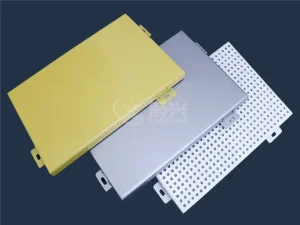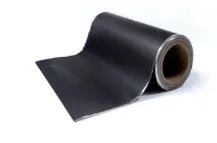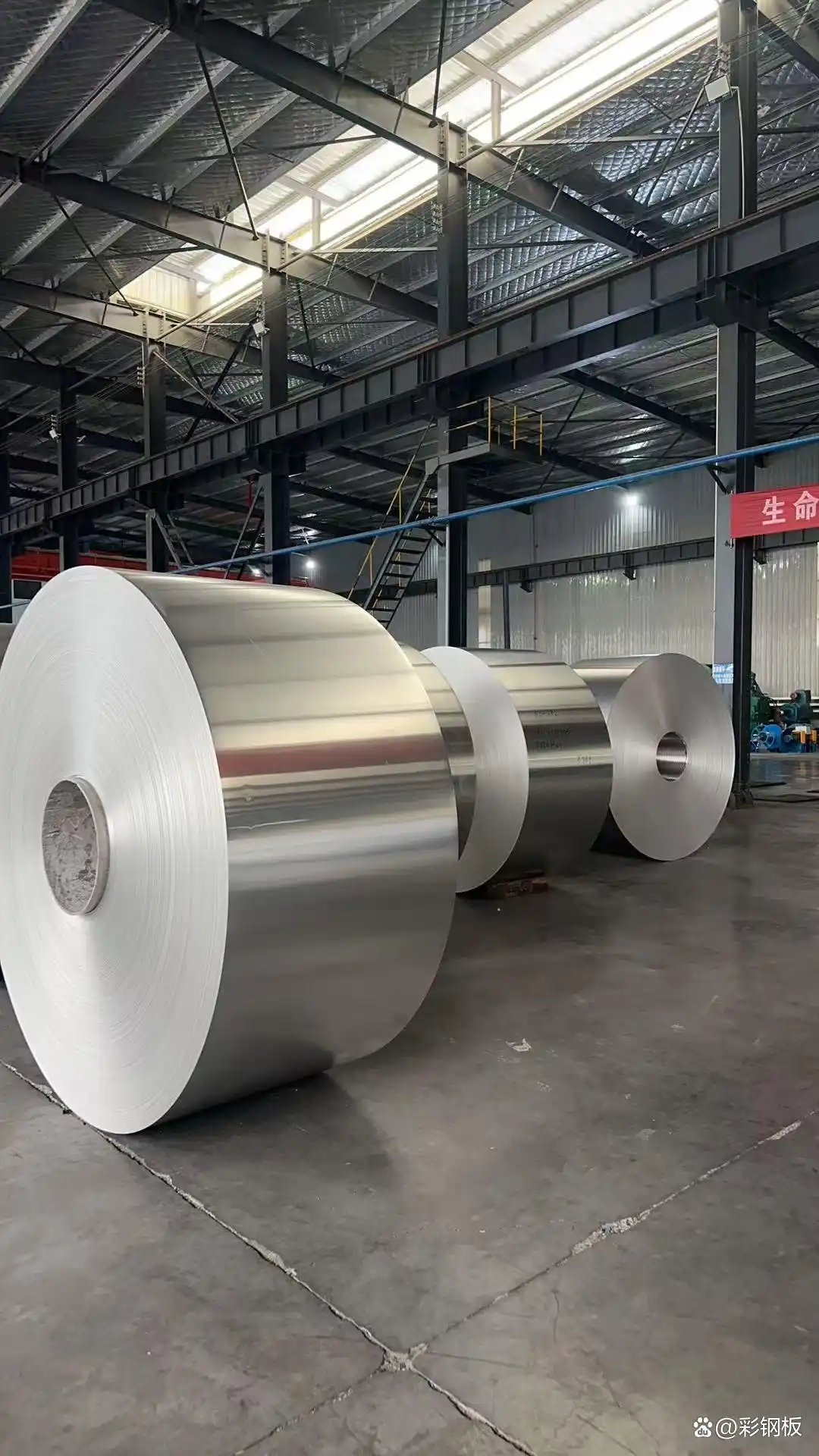
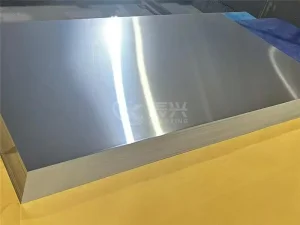
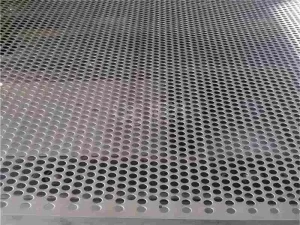
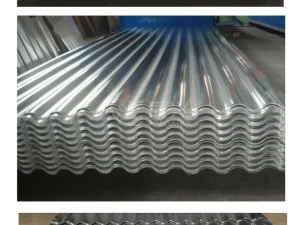
Sourcing flat sheet aluminum for heavy industrial, commercial building, and high-precision manufacturing applications demands a deep understanding of metallurgy, temper designations, and global supply chain dynamics. Aluminum flat sheets form the backbone of sectors ranging from architectural cladding and food-grade packaging to automotive engineering and aerospace panels. To make informed purchasing decisions, engineers and procurement directors must evaluate manufacturers based on quality metrics, technical capability, and long-term economic scalability.
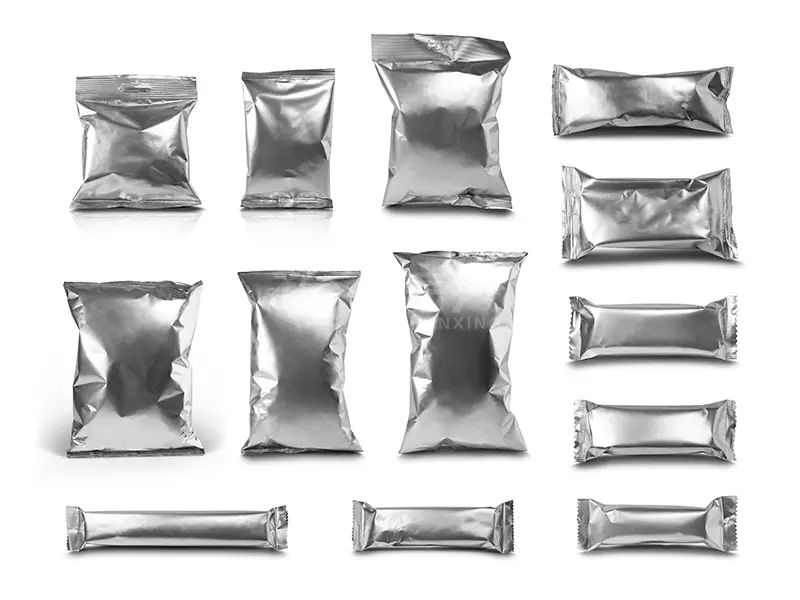
The global demand for flat sheet aluminum is experiencing robust growth, driven by the worldwide push toward lightweight materials to improve energy efficiency and carbon neutrality. In the transportation sector, structural panels made of 5xxx and 6xxx series alloys significantly reduce vehicle curb weight, directly enhancing battery range for Electric Vehicles (EVs) and fuel economy for commercial fleets. In construction, anodized and pre-painted aluminum sheet products dominate building envelopes, curtain walls, and roofing because of their excellent strength-to-weight ratio and corrosion resistance. The packaging industry relies heavily on ultra-thin 1xxx and 8xxx foil alloys for food and pharmaceutical barriers, reflecting aluminum’s critical role in modern supply lines.
Selecting the right alloy dictates the performance boundary of the finished product. Flat sheet aluminum is categorized by alloy series, each possessing distinct chemical and mechanical properties:
| Alloy Series | Common Tempers | Primary Properties | Typical Applications |
|---|---|---|---|
| 1xxx (e.g., 1050, 1100) | O, H14, H24 | 99.0%+ purity, extreme corrosion resistance, high ductility | Chemical equipment, food containers, reflectors, electric conductors |
| 3xxx (e.g., 3003) | H14, H24, H18 | Manganese-alloyed, ~20% stronger than 1xxx, excellent workability | Deep-drawing cookware, heat exchangers, industrial ductwork, road signs |
| 5xxx (e.g., 5052, 5754) | H32, H34, O | Magnesium-alloyed, superior marine corrosion resistance, high fatigue strength | Marine vessels, chemical storage tanks, automotive structural brackets |
| 6xxx (e.g., 6061, 6082) | T4, T6, T651 | Silicon/Magnesium-alloyed, heat-treatable, high structural strength | Structural frames, heavy machinery bases, precision CNC components |
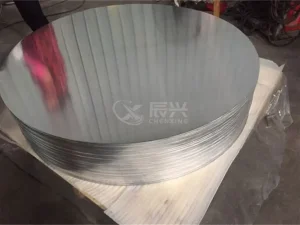
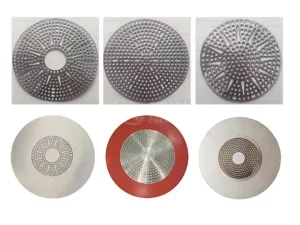
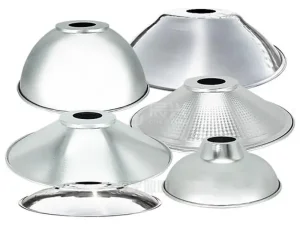
Proper temper control (e.g., stabilizing through strain hardening 'H' or thermal treatment 'T') is essential to prevent micro-cracking during forming and bending processes. For deep-drawing applications, such as lighting reflectors or circular blanks, control of directional grain growth and earing limits is critical.
Engineers must ensure purchased flat sheet products meet local regional standards. We align our manufacturing processes with global testing protocols:
Sourcing directly from tier-1 Chinese factories offers substantial economic and logistical advantages. Thanks to integrated industrial clusters in Henan, Shandong, and Guangdong, factories secure upstream raw ingot access with minimal domestic transport overhead. Highly automated rolling mills reduce yield loss and optimize thickness precision to within micrometers. Advanced tracking systems keep clients informed from casting through cold rolling, tension leveling, surface treatment, packaging, to international shipping. By leveraging these scale dynamics, buyers achieve optimal cost-per-ton ratios without sacrificing surface finish or mechanical integrity.





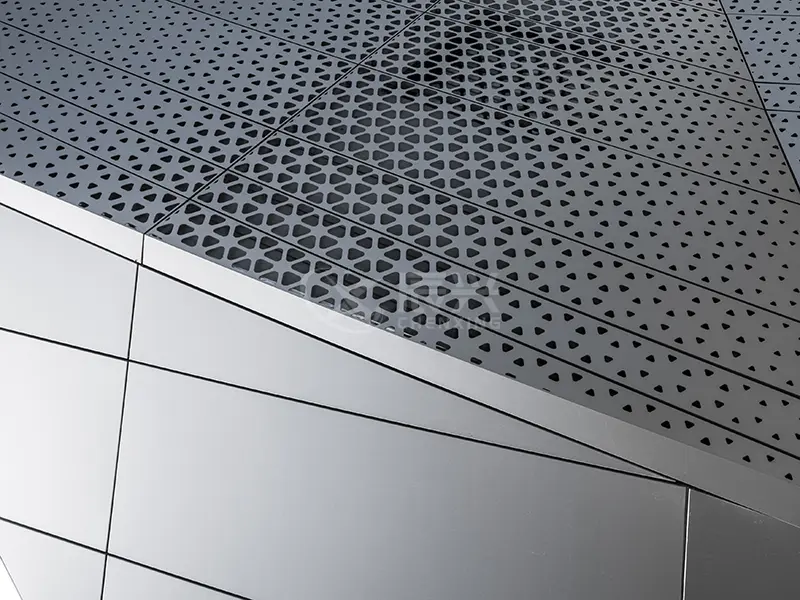

Industrial specifications dictate whether Continuous Cast (CC) or Direct Chill (DC) material is required. CC sheet is highly cost-effective and suited for standard bending and forming applications. DC sheet, however, goes through a robust hot rolling process, yielding a fine-grained structure. This microstructural uniformity makes DC sheet ideal for deep-drawing, complex anodizing, and critical structural applications. As modern tooling speeds increase, precision tension leveling is applied to all DC batches to guarantee flatness under strict CNC machining tolerances.
In line with global ESG standards, we are upgrading our smelting furnaces to handle recycled aluminum alloys without lowering product purity. High-efficiency sorting technology allows us to blend post-industrial scrap into 3xxx and 5xxx series products, reducing energy use by up to 90% compared to primary smelting. Partnering with carbon-conscious factories helps global buyers meet Scope 3 emissions targets while maintaining mechanical integrity.
A: CC (Continuous Cast) sheets are cooled directly from liquid metal into a coil shape. They are well-suited for general sheet metal work, roofing, and light forming. DC (Direct Chill) sheets start as a cast ingot, which is scalped, heated, and hot-rolled. This process yields a refined grain pattern with low internal stress, making it superior for deep drawing, anodizing, and critical structural parts in the automotive and aerospace industries.
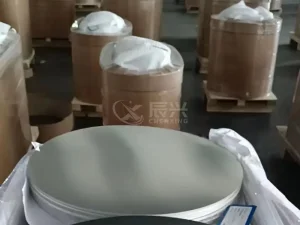
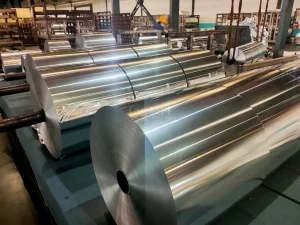
A: We apply a heavy protective film (PE or laser-cut compatible PVDF) to one or both sides of the sheet. For shipping, sheets are packed on reinforced wooden pallets, wrapped in paper interleave or heat-shrunk barrier film, and secured with heavy-duty straps to prevent surface friction and oxide staining during transit.
A: The 5xxx series alloys (such as 5052, 5754, and 5083) are the industry standard for marine applications. Magnesium is the primary alloying element in this series, providing excellent resistance to saltwater corrosion, high weldability, and good fatigue strength.
A: Our QA program follows ISO 9001:2015 protocols. Every production run is assigned a unique heat number, linked to raw materials and mill test certificates (MTC) showing mechanical properties and chemical analysis. Our 8D response system resolves manufacturing variance reports within 24 hours.
Request mill test certifications (MTC), customized structural tolerances, or get direct bulk price quotes. Our team responds within 24 hours.
Submit Inquiry Now