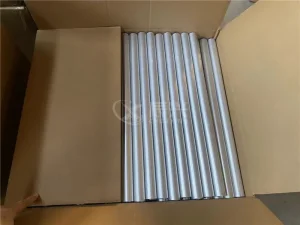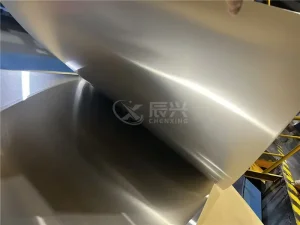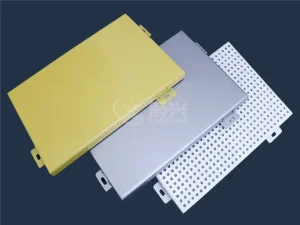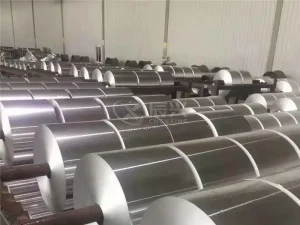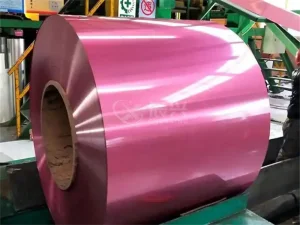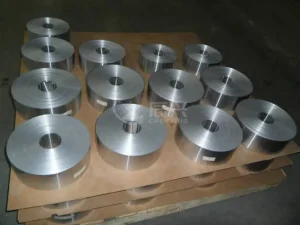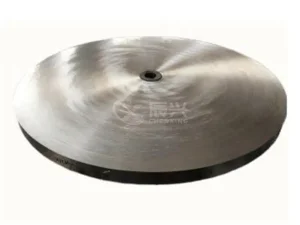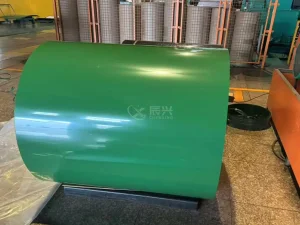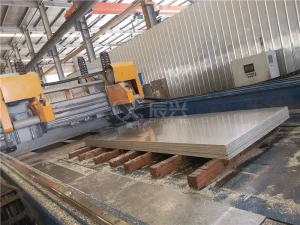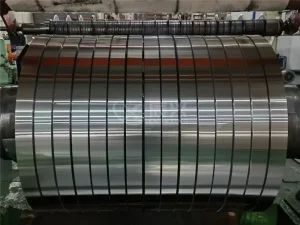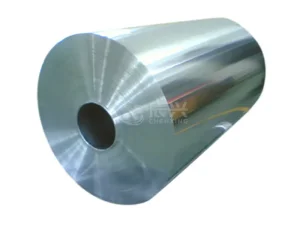
Direct supply of precision-rolled foils, high-tolerance tubes, structurally reinforced panels, and coated architectural coils engineered to international standards.
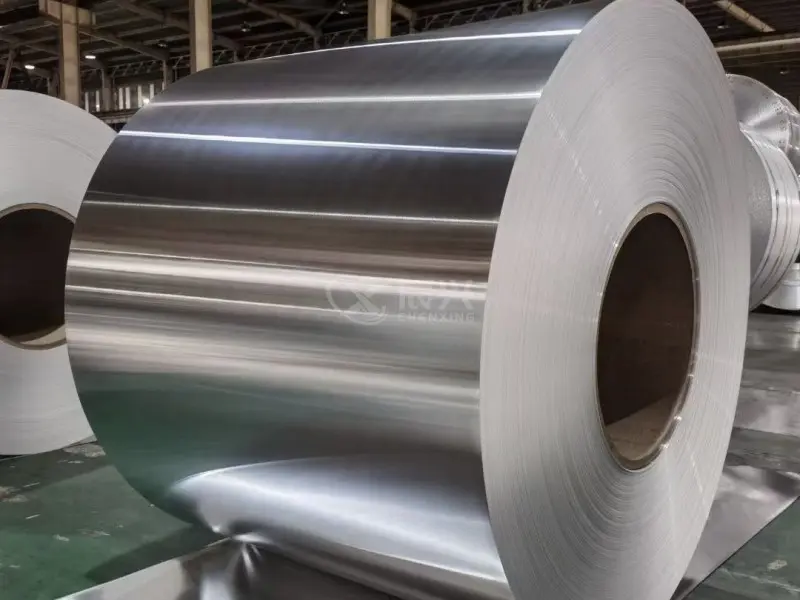
Aluminium coils constitute the back-bone of modern industrial manufacturing, bridging structural metallurgy and flexible fabrication processes. According to international market research, global demand for processed semi-finished aluminium is growing at a compound annual growth rate (CAGR) of 4.8%, driven by structural lightweighting policies, packaging modernization, and green transition initiatives. The decision to procure coils involves analyzing regional capacity matrices, raw material indexing (LME / SHFE fluctuations), and supply chain logistics. Purchasing agents evaluate not just nominal unit costs, but total cost of ownership (TCO) including processing yield, edge-slitting tolerances, and corrosion protection performance.
Decarbonization is no longer optional. Supply networks are restructuring under the influence of European Union CBAM (Carbon Border Adjustment Mechanism) tariffs and global Scope 3 emissions calculations. Prominent manufacturers are utilizing green primary aluminium smelters powered by renewable hydro-energy, alongside high-ratio recycled scrap recovery programs, to offer low-carbon product options. This structural shift makes choosing an agile, technologically compliant manufacturer paramount.
Sourcing low-carbon certified coil (under 4.0 kg CO2 equivalents per kg of aluminium) avoids impending regulatory tax penalties and satisfies ESG frameworks of aerospace, automotive, and multinational electronics clients.
Understanding the precise metallurgical attributes of your target alloy is essential when purchasing from mill providers. Each alloy series responds uniquely to thermal treatments, tensile stress, and ambient environmental corrosive agents:
| Alloy Series | Common Grades | Primary Alloying Elements | Core Performance Attributes | Dominant Application Profiles |
|---|---|---|---|---|
| 1xxx Series | 1050, 1060, 1100 | None (Min 99.0% Pure Al) | Exceptional electrical/thermal conductivity, formability, chemical resistance. Lower structural strength. | Chemical processing equipment, capacitors, electrical busbars, cookware cladding. |
| 3xxx Series | 3003, 3104, 3105 | Manganese (Mn) | Moderate mechanical strength, excellent drawability, high corrosion resistance, stable weldability. | Beverage cans, HVAC heat exchanger fins, structural cladding, roofing. |
| 5xxx Series | 5052, 5083, 5754 | Magnesium (Mg) | High tensile strength, marine saltwater resistance, excellent fatigue limits, structural toughness. | Marine vessel hulls, pressure vessels, transportation structural panels, heavy tooling. |
| 8xxx Series | 8011, 8021, 8079 | Iron & Silicon (Fe/Si) | Excellent rolling down to micron gauges, high puncture resistance, barrier efficiency. | Pharmaceutical blister packaging, aseptic food container barriers, HVAC foils. |
Underpinned by modern rolling mills, automated thickness regulation systems, and strict metallurgical compliance to support your industrial supply pipeline.


Our industrial presence utilizes automated shape control systems (AFC) and automatic gauge control (AGC) technologies to guarantee cross-sectional uniformity. From chemical composition certification via optical emission spectrometry (OES) to microstructural inspection, our processing guarantees defect-free surfaces, clean edges, and strict compliance with ASTM B209, EN 485, and JIS H4000 specifications.
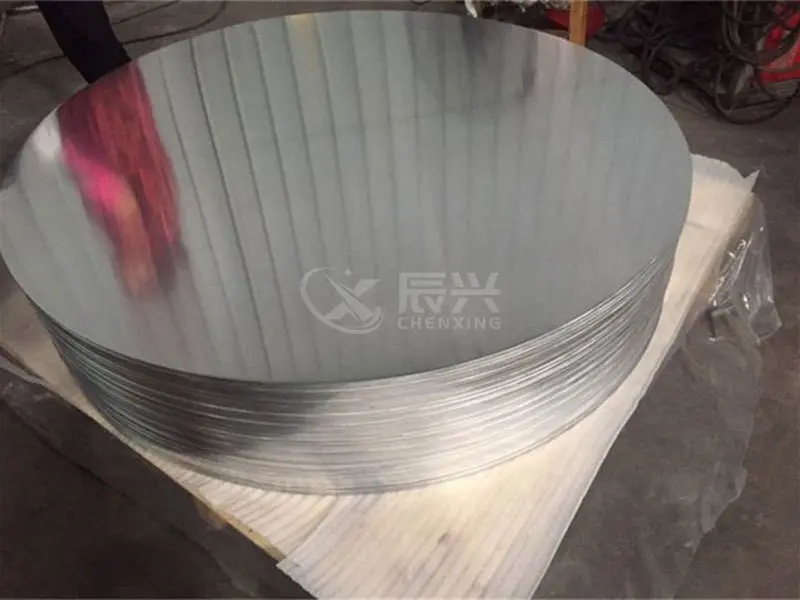
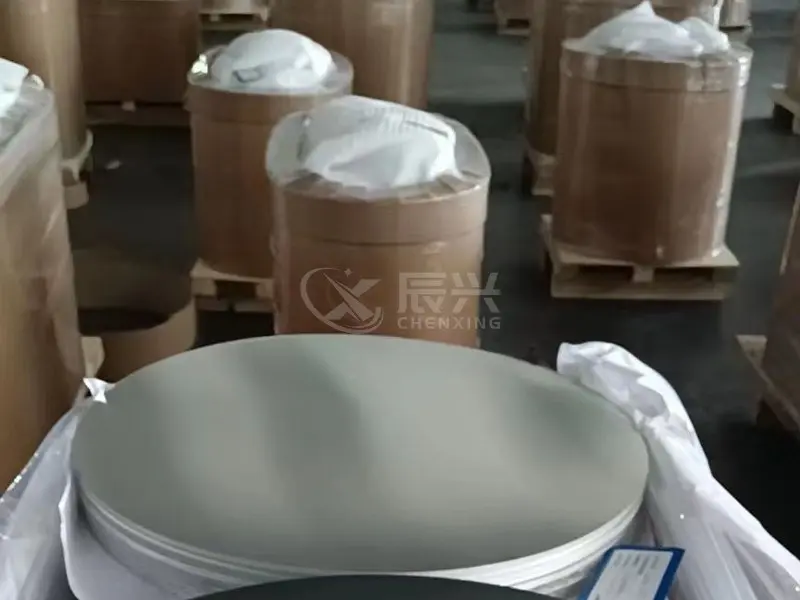
Sourced from high-purity casting lines, these semi-finished configurations serve demanding deep-drawing and surface-coating processes.
When issuing a Request for Quotation (RFQ) for bulk coils, technical buyers must lock down variables that dictate final fabrication success. Neglecting precise mechanical tolerances often leads to line downtime, excessive die wear, or premature material failure:
How global industries apply our rolled and extruded aluminium solutions to achieve superior performance metrics.
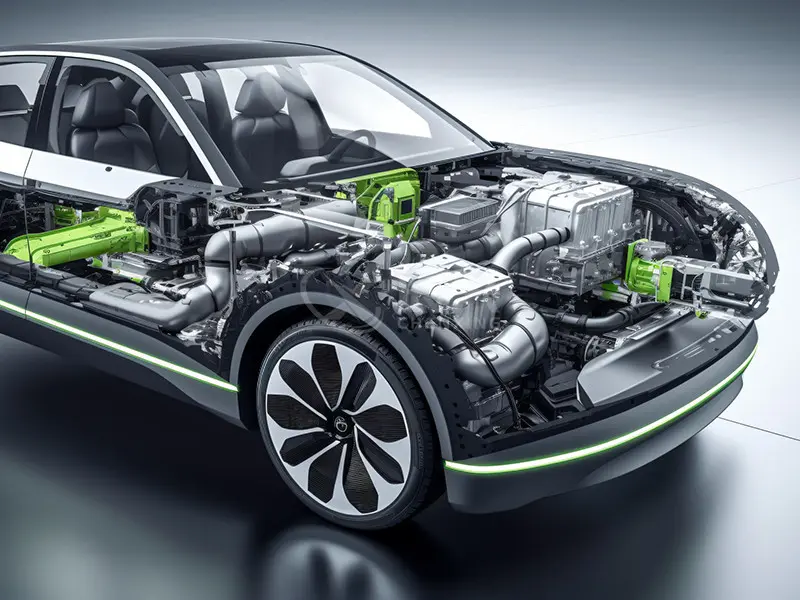
Alloy sheets and coils designed for vehicle structural framing, freight trailer skins, and marine hulls, reducing vehicle curb weight to improve fuel economy and battery range.
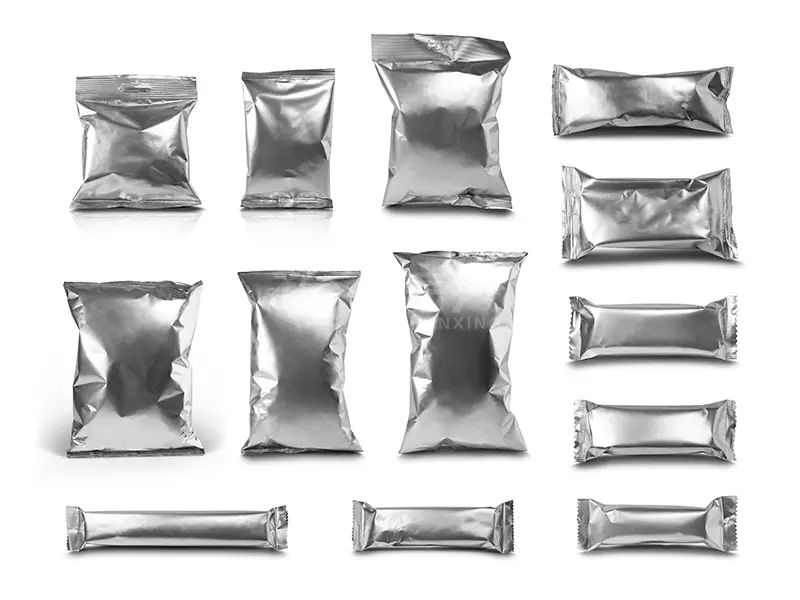
Ultra-thin, defect-free barrier foils designed for sterile medical packaging, barrier wraps, and processed foods requiring absolute moisture and vapor exclusion.

High-purity anodized materials providing heat sinks, micro-capacitors, shielding enclosures, and aesthetic components for smart hardware systems.

Highly controlled high-strength alloys (such as 2xxx, 7xxx, and 5xxx series) engineered to withstand structural fatigue and severe atmospheric conditions.
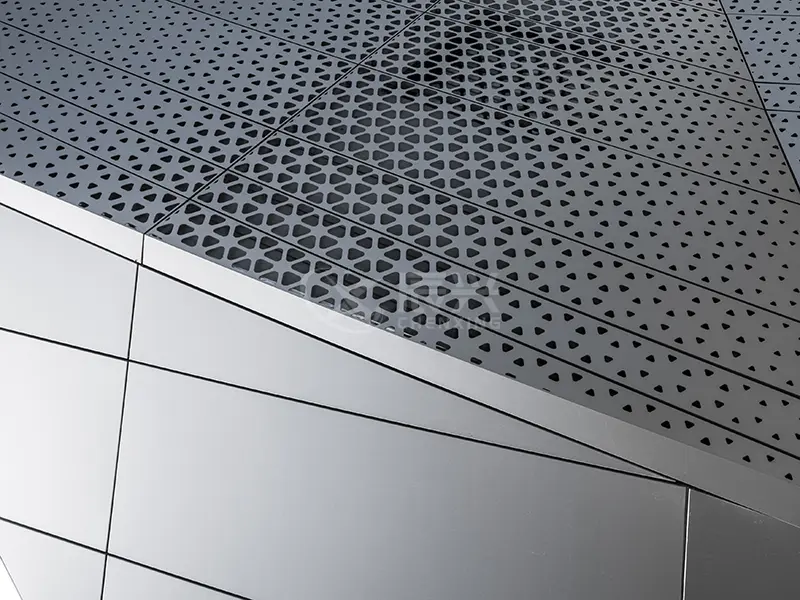
PVDF-coated coils and composite veneers providing long-life curtain walls, exterior cladding, rainscreens, and durable roofing profiles.

Brushed, pre-painted, and mirror foils applied in HVAC heat exchangers, refrigerator evaporation tubes, and premium cosmetic outer panels.
Connect with our technical support engineers to resolve product sizing, alloy selection, surface finishing, and supply contract pricing within 24 hours.
Submit RFQ QuestionnaireThe future of industrial manufacturing revolves around precision engineering, reduction of energy consumption, and high recycling ratios. Our hot and cold rolling mills are currently integrating real-time automated visual inspection system loops, driven by deep learning networks, to flag micro-surface anomalies during processing at 1,200 meters per minute.
Simultaneously, the transition toward electrified transport systems is generating substantial demand for high-grade battery foil collectors. These ultra-thin sheets demand pristine raw materials and strict chemical consistency, free of macro-inclusions that might puncture structural pouch membranes. As structural weight limits continue to fall, advanced alloy variations with trace element additions (like scandium, titanium, and zirconium) are redefining expected limits of strength and weight.
Our engineers are refining 5xxx and 6xxx series chemistries to increase tensile strength by 15% while preserving deep-drawing capabilities, reducing structural material thicknesses across architectural and automotive assemblies.
Specialty packaging foils, structural strips, and custom culinary and medical grade solutions with complete traceability.
Addressing core mechanical, logistical, and structural questions raised by global procurement and engineering managers.
Thickness variations cause inconsistent tool pressure and uneven draw resistance, leading to metal tearing, wrinkling, or premature die wear. Specifying precision gauge control (AGC) ensures cross-sectional uniformity, critical for high-volume automated lines.
PVDF coatings, containing 70% fluorocarbon resin, provide superior UV, chemical, and environmental resistance, making them ideal for exterior building envelopes. Polyester (PE) coatings are cost-effective options best suited for interior partitions, signage, and indoor appliances.
For deep drawing, O-temper (fully annealed, soft) is preferred as it offers maximum elongation. Roll-forming and structural panels typically utilize partial-tempered alloys like H14 or H24 to maintain structural rigidity and resist denting.
Importers to Europe must verify and report embedded Scope 1 and Scope 2 carbon footprints. Choosing certified low-carbon smelters that utilize clean energy sources ensures compliance and avoids future border tax adjustments.
Moisture condensation inside coiled metal layers causes surface oxidation (white rust). We prevent this through interleaf papering, protective plastic wraps, silica desiccant packs, and robust seaworthy wood crating, maintaining moisture-free shipping environments.
Yes. Our slitting lines process standard master coils down to specific, narrow-width strips (minimum slitted width varies by alloy, down to 8mm), maintaining tight edge burr tolerances under 0.02mm for direct feeding into your production machinery.
Market shifts, supply chain developments, and engineering updates from our manufacturing facilities.
Industrial demand shows robust growth as manufacturing hubs re-shore production. Our facilities have expanded operations to maintain stable lead times for global supply networks.
Read Research Document →
The expansion of electric vehicle gigafactories has increased the need for specialized cathode foils. We have upgraded cleanroom environments to support these requirements.
Read Research Document →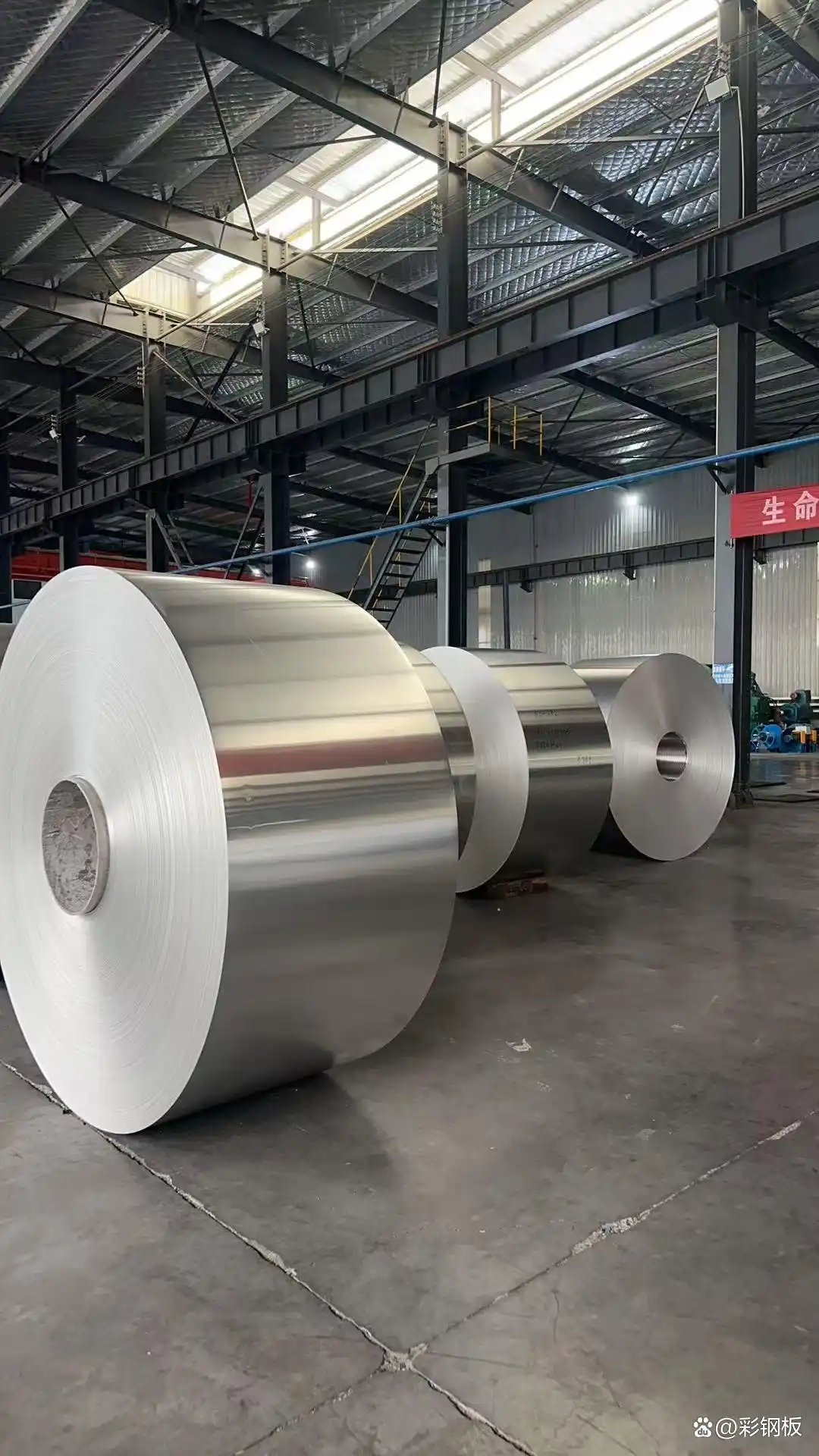
Our company continues to transition manufacturing operations toward zero-carbon processes, integrating higher ratios of recycled aluminum to support global sustainability initiatives.
Read Research Document →