
Premium industrial solutions directly from high-capacity manufacturing lines, configured for global delivery, strict mechanical performance, and standard compliance.
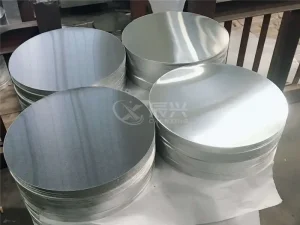
High-draw aluminum discs tailored for non-stick cookware, electrical appliances, and lighting reflectors. Excellent elongation rates and surface quality.
Explore Specifications →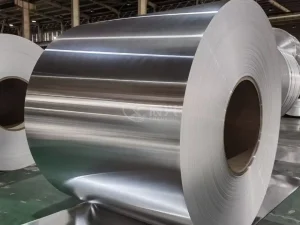
Premium series coils ranging from 1xxx to 8xxx alloy series, built for processing efficiency, construction cladding, and industrial fabrication.
Explore Specifications →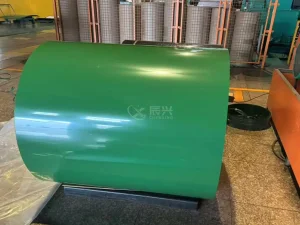
Coated with premium Kynar 500 resin to resist fading, acid rains, UV damage, and structural degradation in hostile outdoor environments.
Explore Specifications →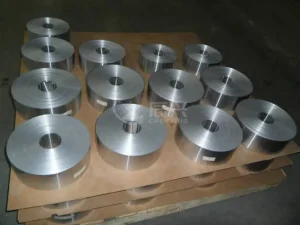
Engineered for flexible ducting pipelines, heat reflection insulation wrappers, and high-temperature moisture barriers in heavy industrial projects.
Explore Specifications →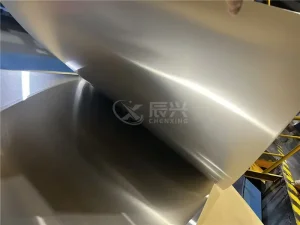
Optimized for processing ease and structural strength, specifically utilized in deep-drawing processes such as can lids, containers, and light automotive panels.
Explore Specifications →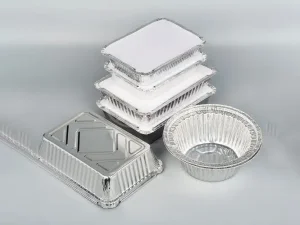
Strict FDA-compliant containers featuring premium thermal insulation, mechanical resilience, and customization capabilities for large hospitality systems.
Explore Specifications →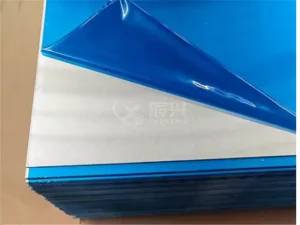
The premier marine-grade aluminum alloy offering remarkable weldability, elevated fatigue strength, and high resistance to saline and chemical degradation.
Explore Specifications →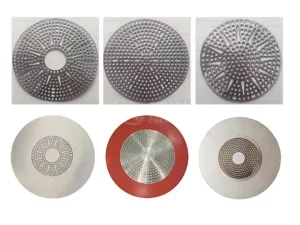
Bonded structures optimized for even thermal dissipation, electromagnetic cooking compatibility, and zero-defect deep drawing.
Explore Specifications →Two decades of manufacturing precision and global logistics engineering, enabling rapid material delivery with absolute quality documentation.
Understanding the structural shifts in global manufacturing demands for high-purity aluminum alloys.
The global metal sector is undergoing a profound structural evolution, propelled by the combined forces of sustainability goals, lightweight engineering requirements, and supply security. Within this dynamic environment, aluminum sheet coils have emerged as a critical raw material for structural and industrial applications. Global demand is driven primarily by the transition toward new energy vehicles (NEVs), energy-efficient buildings, and circular economy principles. As global manufacturers seek high-quality suppliers, they require partners who offer more than just material production; they need suppliers with deep technical capacity, consistent mechanical tolerances, and clean material sourcing.
Industries such as automotive manufacturing require high-strength, deep-draw performance characteristics from alloys like the 3xxx, 5xxx, and 6xxx series. The integration of structural aluminum sheet components reduces vehicle curb weight, which translates directly to reduced carbon emissions and enhanced battery range in electric vehicles. In the packaging sector, the demand for high-integrity barrier properties drives continuous innovation in ultra-thin aluminum foil alloys. To meet these stringent performance requirements, manufacturers utilize advanced hot-rolling and cold-reduction techniques, optimizing crystallization structures and ensuring isotropic behavior across the sheet face.
Decarbonization is transforming material selection globally. With aluminum's infinite recyclability without structural degradation, selecting the right manufacturing partner is no longer just a purchasing decision—it is a critical element of scope 3 emission reductions.
High-resolution catalog detailing specialty processing lines including coated, mirror, brushed, and standard coil configurations.
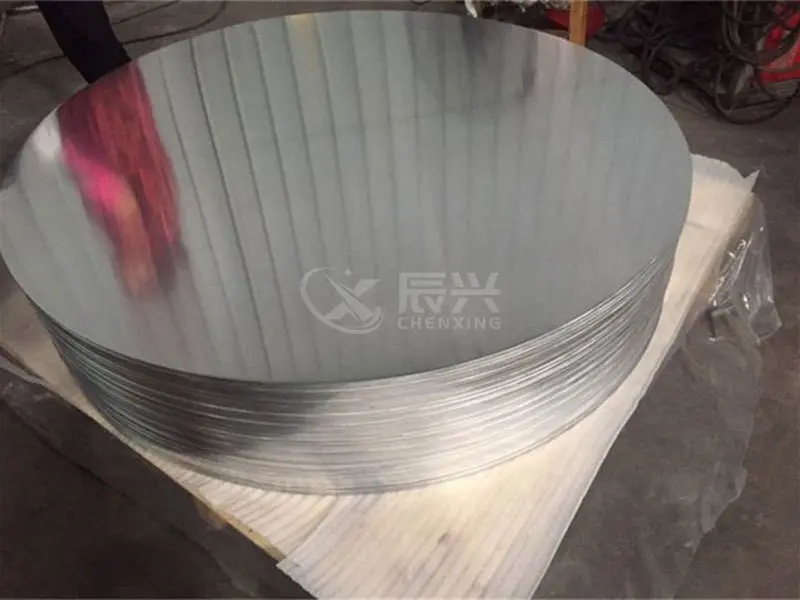
Ultra-pure alloy variant (min 99.50% Al) providing excellent electrical conductivity, superior formability, and chemical resistance. Ideal for spinning and deep drawing applications.
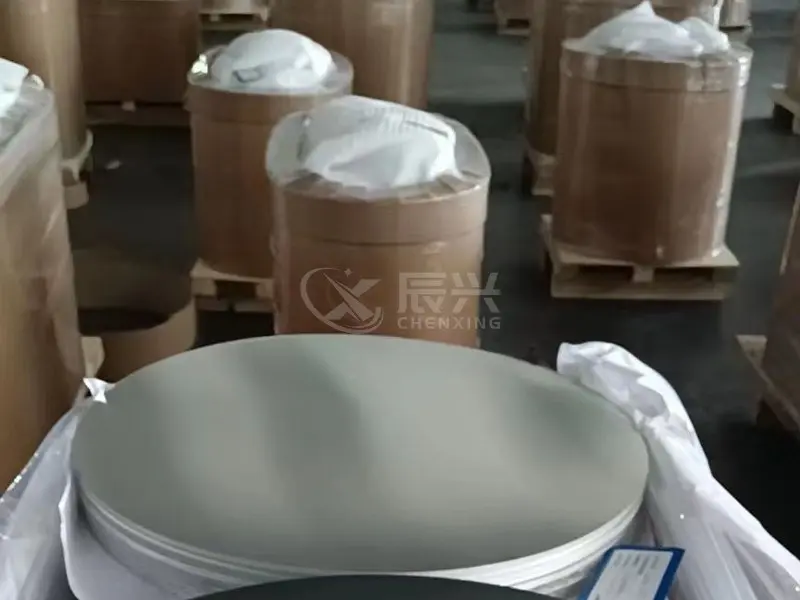
Alloyed with manganese, the 3003 variant offers 20% higher strength than 1050, maintaining excellent ductility for pressure vessels, cookware, and heat exchangers.
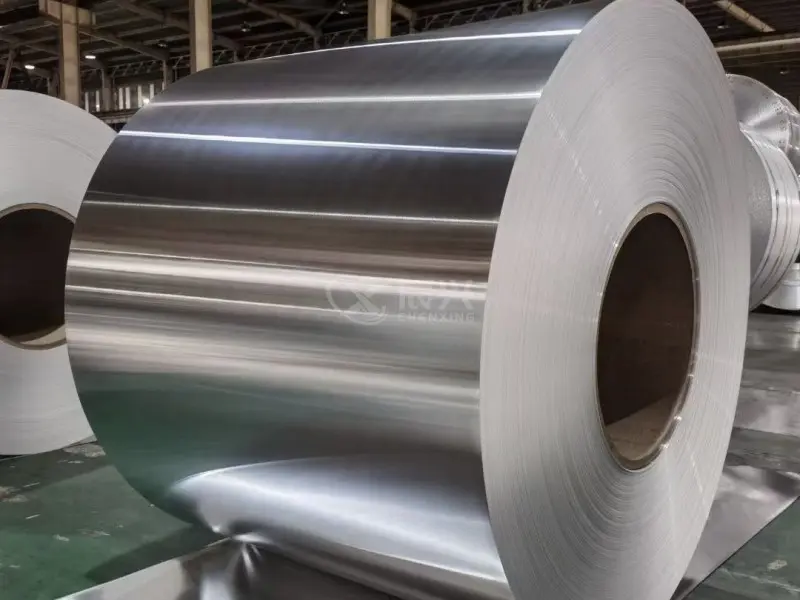
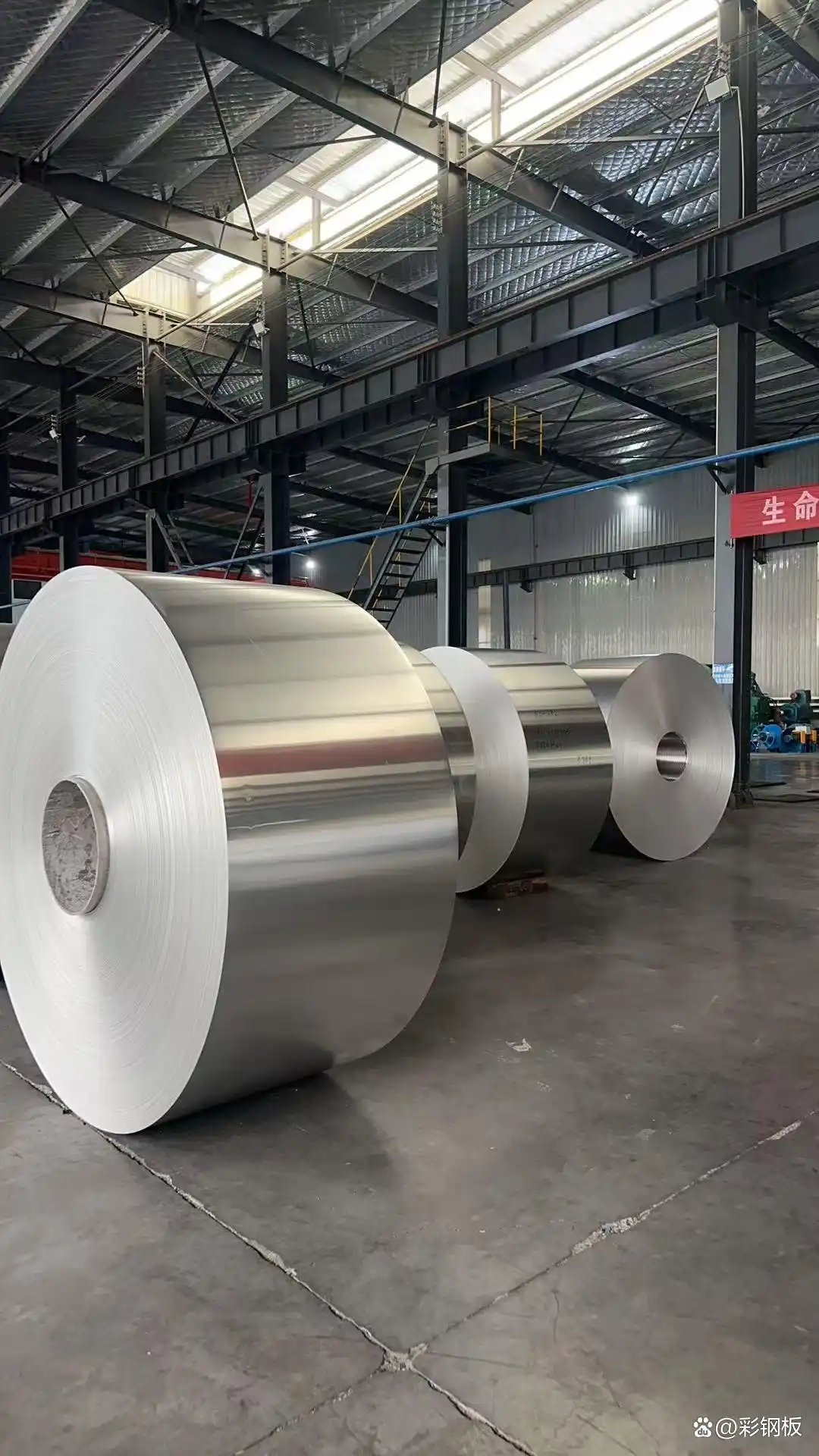
Standard base coil inventory available in dynamic custom widths. Engineered for high-speed continuous punching, roll forming, and structural slitting.
Features a premium textured surface finish. Widely selected for high-end consumer electronics casing, home appliances, and interior design accents.
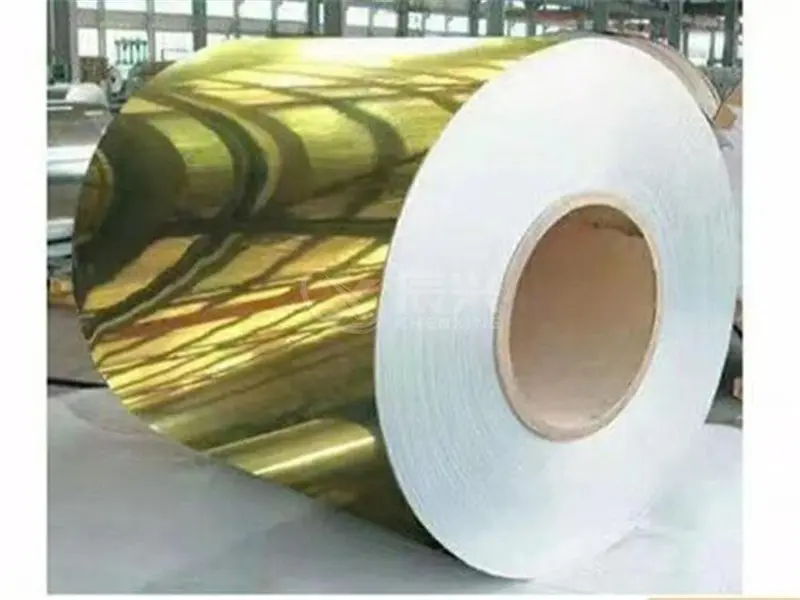
Highly reflective surface finish achieved through mechanical polishing and anodizing treatments. Perfect for solar collectors, lighting fixtures, and signage.
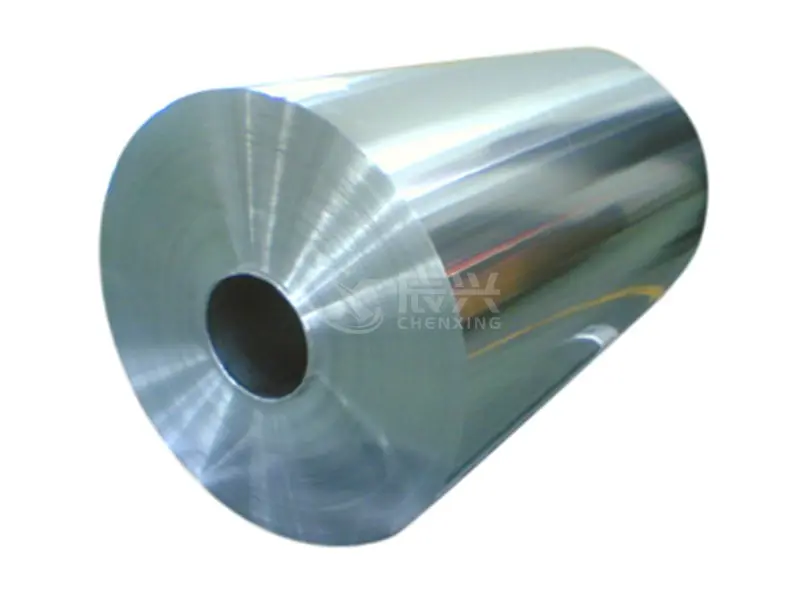
Specially formulated hydrophilic foil with corrosion resistant coatings. Engineered to increase heat transfer efficiency in commercial HVAC condensers.
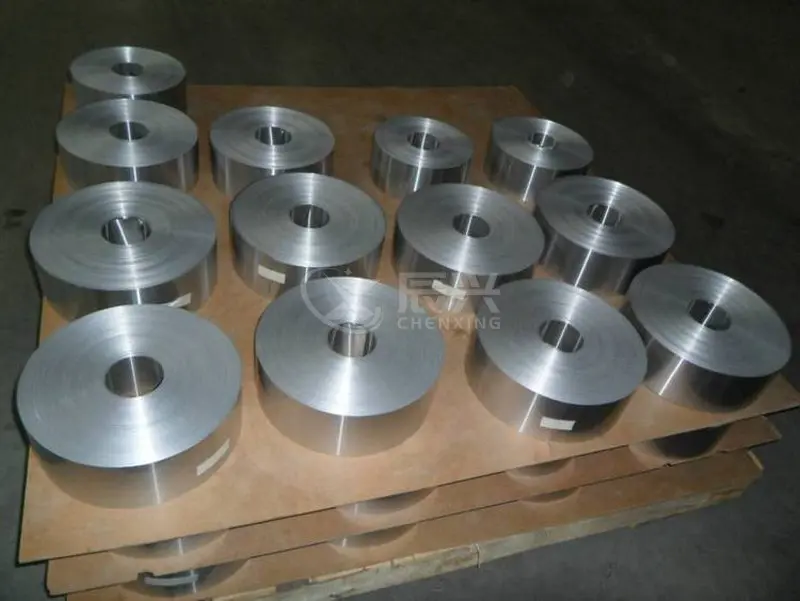
Flexible, tear-resistant foil developed for HVAC duct wrapping. Combines fire retardant barriers with low moisture permeability.
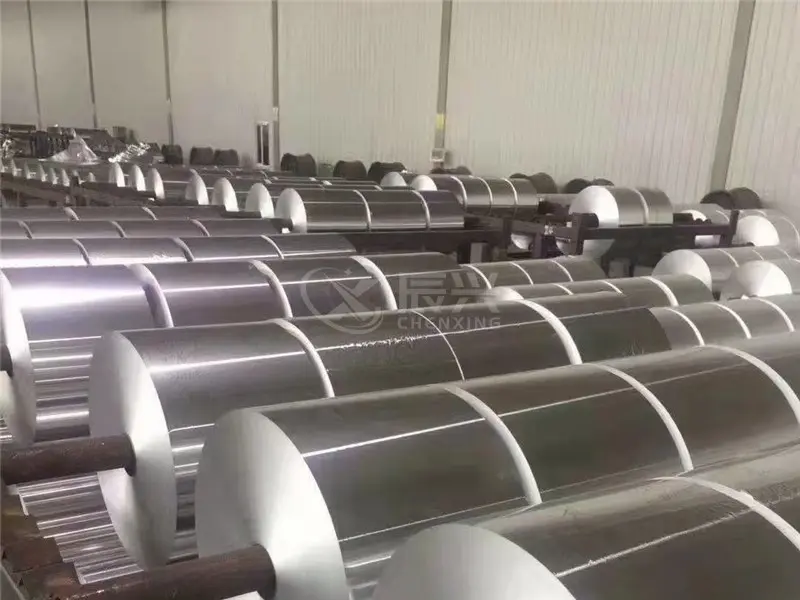
High-integrity foil, calibrated for pharmaceutical packaging, heat sealing containers, and consumer-grade insulation wrappers.
Innovations in metallurgical processing, rolling methodologies, and eco-friendly surface treatments.
As industrial requirements advance, the metallurgical roadmap focuses on mechanical integrity, microstructural control, and reduced processing waste. Leading manufacturers are migrating from basic batch annealing methods to continuous online quenching and heat-treatment processes. This technological evolution allows precise control of grain sizes and inhibits planar anisotropy. Consequently, downstream manufacturers can perform high-speed deep drawing and stamping operations without tearing or wrinkling the metal sheet. In addition, the development of ultra-thin rolling technology enables the commercial production of foil gauges below 0.005mm, which are critical for high-capacity lithium-ion battery current collectors.
Parallel to physical processing innovations, chemical coating technologies have advanced rapidly. Traditional chromate conversion coatings are being replaced by eco-friendly zirconium and titanium-based passivation treatments. These green coatings provide outstanding paint adhesion and corrosion resistance without compromising recycling processes. For harsh exterior architectural cladding, next-generation PVDF coatings with advanced ceramic pigments offer long-term color and gloss retention, shielding the underlying aluminum sheet from severe weather and industrial pollution.
In the near future, the integration of artificial intelligence and machine vision inspection systems on rolling mill lines will enable real-time defect identification. By tracking parameters like strip tension, rolling forces, and cooling lubricant flows, these systems predict surface quality fluctuations and adjust rolling pressures dynamically. This degree of process control ensures thickness tolerances within +/-1%, giving global OEMs confidence in consistent product performance.
An analysis of raw material integration, local cluster efficiencies, and global logistics execution.
China's aluminum industry stands as a model of manufacturing efficiency and supply chain resilience, supported by extensive industrial clusters. The close proximity of alumina smelting plants, rolling mills, and custom extrusion centers creates a highly efficient manufacturing ecosystem. This physical concentration minimizes transportation times and energy consumption during intermediate processing stages, allowing Chinese manufacturers to respond rapidly to shifting market demands. When global lead times stretch, this integrated cluster structure provides stability, ensuring consistent raw material availability and production throughput.
Beyond geographical layout advantages, Chinese rolling factories have invested heavily in high-performance equipment. Wide-width hot tandem rolling lines, high-speed thin-gauge cold mills, and automated slitting machines are standard systems. This processing equipment is supported by advanced logistics networks, including deep-water shipping lanes, high-speed rail lines, and dedicated container storage yards. Because logistics processes are integrated with ERP software, shipments are dispatched with complete paperwork, enabling efficient customs clearance at destination ports.
Additionally, modern Chinese manufacturers utilize strict quality control methods, such as the 8D response system and smart real-time tracking. If a quality variance is identified, cross-functional engineering teams execute root-cause analyses and implement corrective actions within 24 hours. This combined approach of efficient manufacturing, robust logistics, and systematic quality assurance makes China a highly reliable partner for companies looking to secure their aluminum sheet coil supply chains.
Visual map representing target fields of application where aluminum sheet coils serve as structural baselines.

Aluminum For Transportation
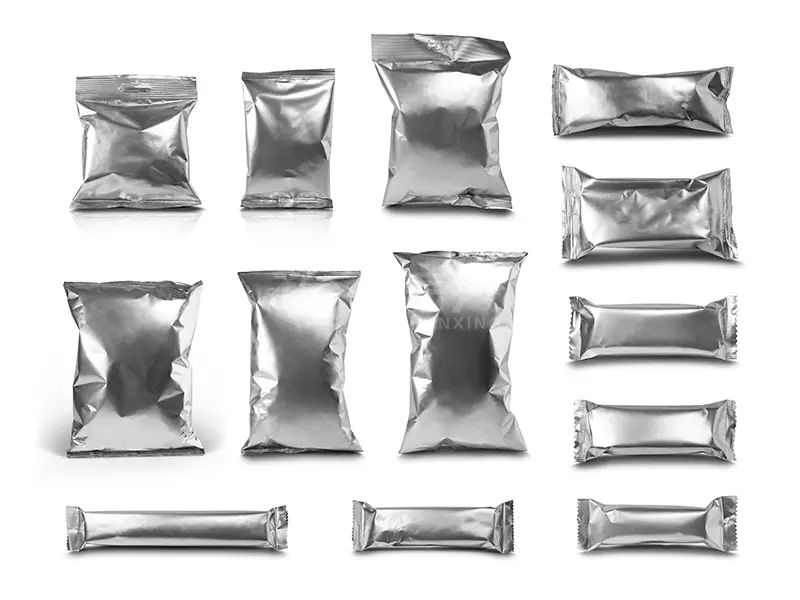
Aluminum For Packaging

Aluminum For Electronics

Aluminum For Aerospace
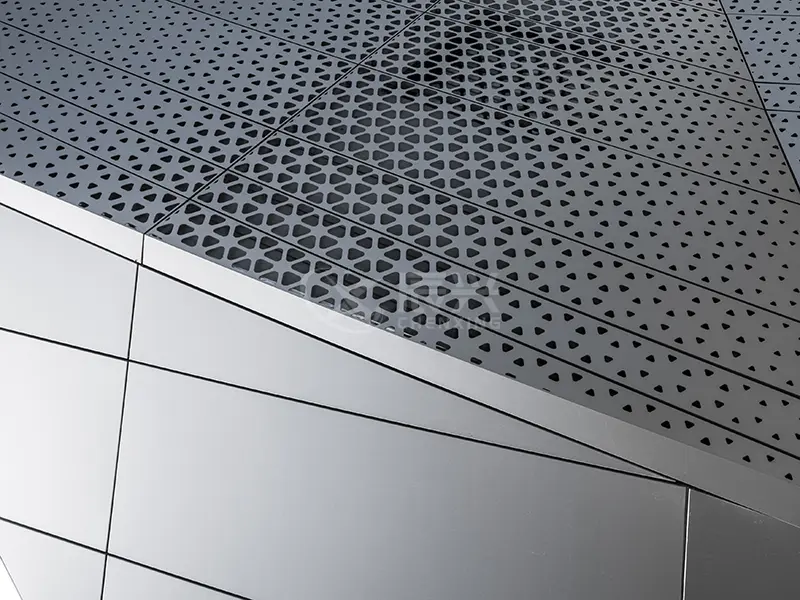
Aluminum For Construction

Aluminium For Household Appliances
Analyzing custom alloy deployment in specialized architectural, marine, and culinary environments.
Aluminum's adaptability is demonstrated through its performance in varied environments. For instance, in marine engineering applications, the choice of alloy is critical to prevent galvanic corrosion. In saltwater conditions, 5052 and 5754 marine-grade aluminum sheets are widely specified. These alloys include high levels of magnesium, which forms a dense, self-healing oxide barrier upon exposure to moisture. This oxide layer prevents deep pitting, making the alloys suitable for hull structures, deck components, and marine storage systems. Our factories apply tailored cold-rolling tempers (such as H32 and H111) to balance corrosion resistance with the ductility required for complex hull contours.
In contrast, the HVAC and climate control sectors prioritize thermal conductivity. Evaporator and condenser units rely on high-purity aluminum foils (1050/3003) to maximize heat exchange. These foils are often treated with hydrophilic coatings to prevent water droplets from forming bridge barriers between cooling fins. This configuration ensures consistent airflow, lowers pressure drop, and improves cooling efficiency by up to 15%, reducing operational energy costs in commercial structures.
For architectural cladding, PVDF-coated aluminum coils provide a durable exterior solution. Applied through continuous coil-coating lines, this chemical finish creates a dense barrier that protects the substrate from UV radiation, industrial chemicals, and acid rain. Consequently, modern skyscrapers clad in these materials require minimal maintenance, retaining color consistency and gloss levels across decades of service.
How our mills adhere to ISO, ASTM, EN, and national standards to ensure seamless international procurement.
Entering international supply chains requires strict adherence to international quality standards. Every coil dispatched from our facilities is manufactured to meet recognized global specifications, including ASTM B209, EN 485, and JIS H4000. These specifications define the permissible limits for chemical compositions, mechanical properties, and thickness tolerances. We verify compliance through comprehensive laboratory testing, documenting parameters such as yield strength, tensile strength, elongation, and grain directionality.
Traceability is maintained through systematic labeling and record keeping. Each coil is assigned a unique tracking code that links to its original furnace melt and chemical ladle analysis. This digital record, combined with Mill Test Certificates (MTC) conforming to EN 10204 3.1, ensures complete accountability. In industries where material failures can compromise safety—such as pressure vessels or transportation components—this level of traceability protects purchasing organizations from liability and guarantees material consistency.
Furthermore, our operations maintain IATF 16949 certification for automotive sheet metal production. This automotive standard requires continuous process capability monitoring (Cpk) and structured failure mode effects analyses (FMEA). By applying these rigorous quality methods to all product categories, we ensure our global partners receive materials that perform reliably in demanding environments.
Market trends, technological updates, and processing breakthroughs from our engineering team.
Connect with our metallurgical engineering team. Submit your required alloy specifications, dimensional tolerances, and delivery terms to receive a formal quotation within 24 hours.
Request QuotationExpert technical answers addressing chemical composition, processing options, and logistics details.
Explore our complete catalog of precision aluminum alloys, sheets, coils, and specialty barrier foils.
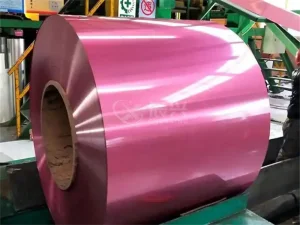
Offers a uniform, impact-resistant paint layer. Engineered for interior decoration panels, domestic appliance housings, and ceiling systems.
Explore Specifications →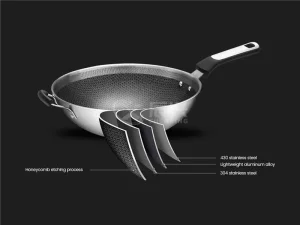
Multi-clad material featuring a high-conduction aluminum core bonded between stainless steel layers. Delivers heat distribution for cookware.
Explore Specifications →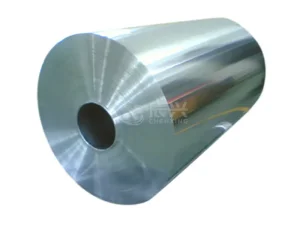
High-performance foil rolls developed for manufacturing HVAC heat exchanger fins. Optimizes cooling efficiency and resists corrosion.
Explore Specifications →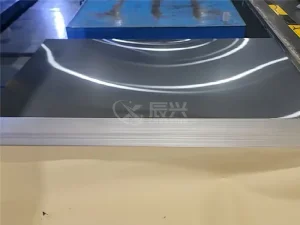
Standard construction sheet stock with good weldability and chemical resistance. Used in mechanical enclosures, storage tanks, and vehicle panel work.
Explore Specifications →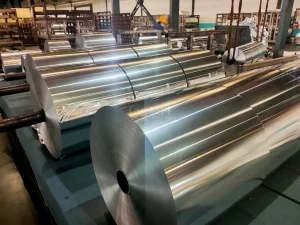
High-speed press-ready container foils, certified for direct contact with food. Offers high tensile strength to prevent puncture damage.
Explore Specifications →
Engineered with precise tensile strength and draw ratios, enabling high production speeds with minimal mechanical tearing.
Explore Specifications →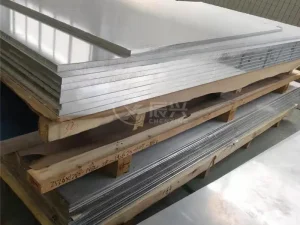
Anodizing-grade plate metal displaying high mechanical strength, corrosion resistance in saltwater, and weld joint integrity.
Explore Specifications →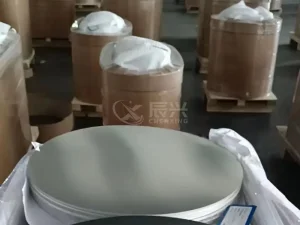
Calibrated for deep draw forming. Consistent grain structures prevent orange-peeling defects and reduce reject rates during high-speed spinning.
Explore Specifications →