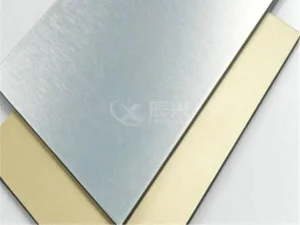
Explore our elite selection of aluminum sheets, circles, profiles, and structural products manufactured to exceed international quality standards.
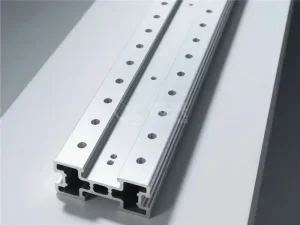
Decades of industrial excellence, verified global exports, and robust quality management systems.
Refining manufacturing processes, metallurgy controls, and structural box fabrication.
Providing dependable supply chains and structural assemblies to key international markets.
Real-time batch testing, thickness verification, and fully integrated production tracing protocols.
Providing actionable 8D engineering responses to resolve quality and dimension issues swiftly.
When selecting and purchasing aluminum sheet boxes from manufacturers and factories, global procurement managers must evaluate several critical parameters that go beyond basic product pricing. Industrial aluminum enclosures, transport boxes, and custom-welded configurations serve vital roles in military logistics, aerospace tooling, clean-room medical environments, and high-performance electronics housing. Their design requires an understanding of mechanical metallurgy, alloy temper choices, structural welding, and advanced anti-corrosion surface treatments.
Modern factories leverage precise CNC forming, automated robotic TIG/MIG welding, and laser cutting systems to manufacture enclosure walls. The goal is to maximize physical strength while minimizing material weight. Aluminum's native strength-to-weight ratio makes it the ideal candidate for mobile transportation containers, specialized electronics rackmounts, and rugged protective gear. However, matching your specific application with the correct alloy series (e.g., 3xxx vs 5xxx vs 6xxx series) is critical to prevent mechanical fatigue and stress corrosion cracking over time.
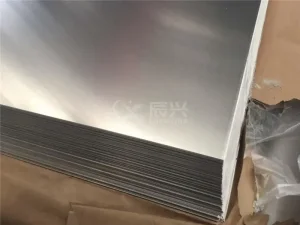
Choosing the correct aluminum sheet raw material determines the longevity and durability of your final fabricated metal box. Below, we break down the engineering characteristics of the industry's most common alloys utilized by factories:
| Alloy Grade & Temper | Yield Strength (Rp0.2 MPa) | Tensile Strength (Rm MPa) | Corrosion Resistance | Primary Sheet Box Applications |
|---|---|---|---|---|
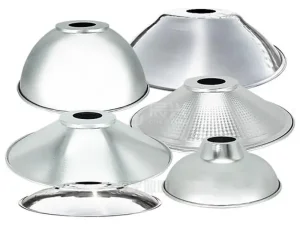
| 1050 - H14 / H24 | 85 - 120 | 105 - 145 | Excellent (Pure Al) | Lighting reflectors, chemical boxes, deep-drawn container lids. |
| 3003 - H14 / H22 | 115 - 160 | 140 - 180 | Very High | Liquid containers, electronic housings, battery boxes, cookware. |
| 3104 - H19 / H24 | 230 - 280 | 260 - 310 | High | Deep-drawn storage units, structural frames, can body components. |
| 5083 - H111 / H116 | 125 - 210 | 275 - 350 | Exceptional (Marine Grade) | Offshore storage boxes, heavy logistics crates, pressure vessels. |
| 6082 - T6 | 250 - 310 | 295 - 340 | High | Structural framing, load-bearing military transport cases, extrusions. |
For global procurement agents, sourcing finished aluminum sheet boxes directly from integrated factories in China provides distinct strategic advantages. These advantages go beyond raw material pricing and are deeply rooted in vertical supply chain optimization and advanced production tech.
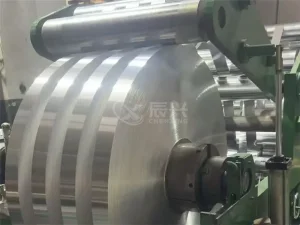
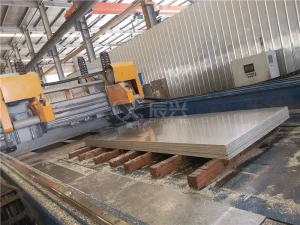
Chinese factories are often located in specialized industrial hubs (such as Henan, Shandong, and Guangdong provinces). These regions boast close integration with major aluminum smelters, rolling mills, and surface treatment plants. This close geographic proximity eliminates high logistics costs and allows manufacturers to procure aluminum coils, strips, and plates at competitive base prices. The direct integration of rolling and casting processes also minimizes shipping delays for custom alloy configurations.
Top-tier Chinese manufacturers operate state-of-the-art metalworking machinery. This includes 5-axis CNC laser cutters, high-speed CNC press brakes for precise panel bending, automated welding robots, and inline powder coating systems. These technologies ensure that sheet box enclosures have consistent tolerances down to +/- 0.1mm, clean weld joints, and paint thickness uniformity. This level of precision is critical for military electronics and dust-tight IP66 enclosures.
Whether you require a custom-sized utility box, an aluminum rack chassis, or an industrial battery storage unit, Chinese factories excel at rapid prototyping. With inside tooling shops and CAD/CAM engineering teams, designs can be verified, toolings generated, and physical first-article samples produced within 7 to 10 working days. Scale production can then ramp up to handle thousands of units per month to match large global rollouts.
When sourcing aluminum boxes, quality compliance should follow strict international standards to ensure durability. Manufacturers must adhere to rigorous quality verification tests, including:
Industrial aluminum sheet boxes and panels are engineered for distinct operating environments. Below are the key applications and scenarios where these custom metal structures excel:
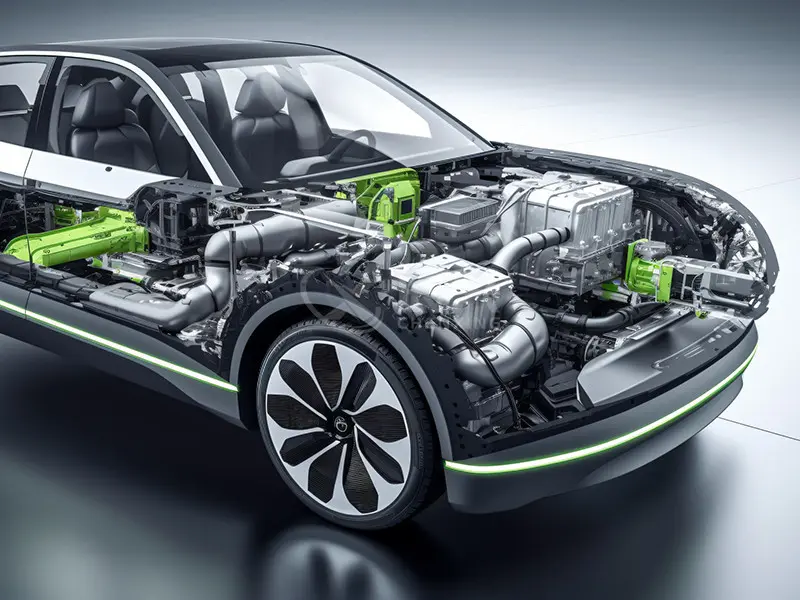
High-strength, lightweight transit cases constructed from marine-grade 5083 or 5754 sheets. These boxes protect payload contents from heavy impacts, extreme vibration, and moisture ingress.
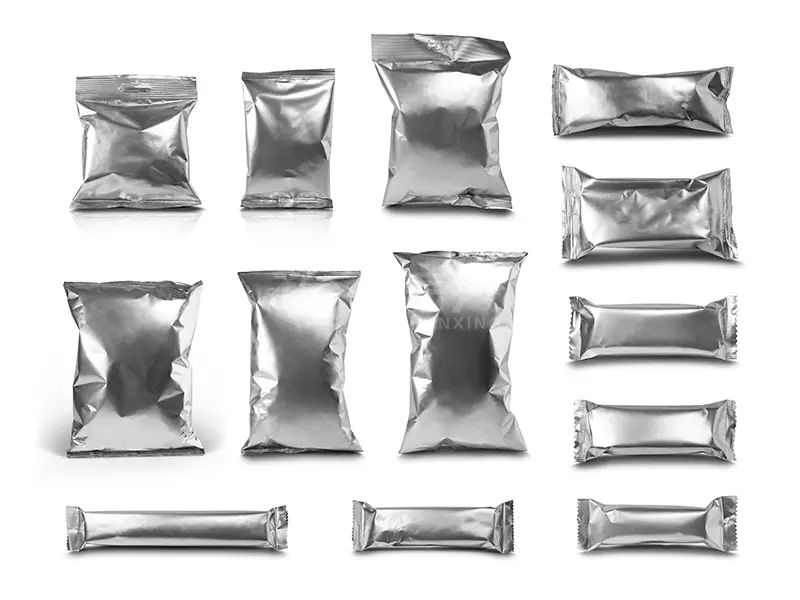
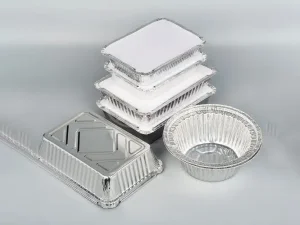
Custom-fabricated stackable storage bins, logistics boxes, and high-performance foil wraps designed for chemical containment and secure raw material transfer across supply chains.

19-inch rackmount chassis, server enclosures, and power supply boxes. They provide outstanding electromagnetic interference (EMI) shielding and optimized thermal dissipation pathways.

Avionics bays, lightweight structural gearboxes, and specialized flight cases built using high-strength 6082-T6 and 7075 alloys to meet strict weight reduction criteria.
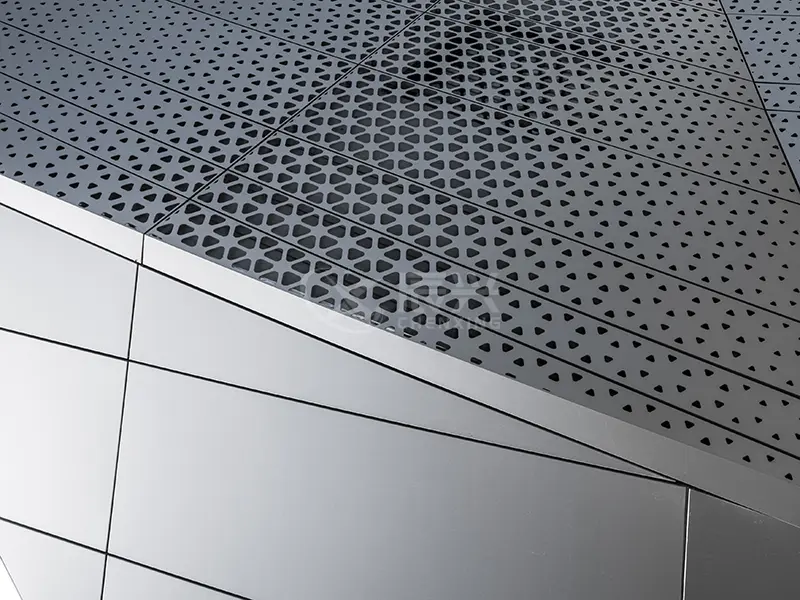
Weatherproof utility boxes, access panels, and cable distribution cabinets built to withstand prolonged outdoor exposure, UV radiation, and severe wind loads.
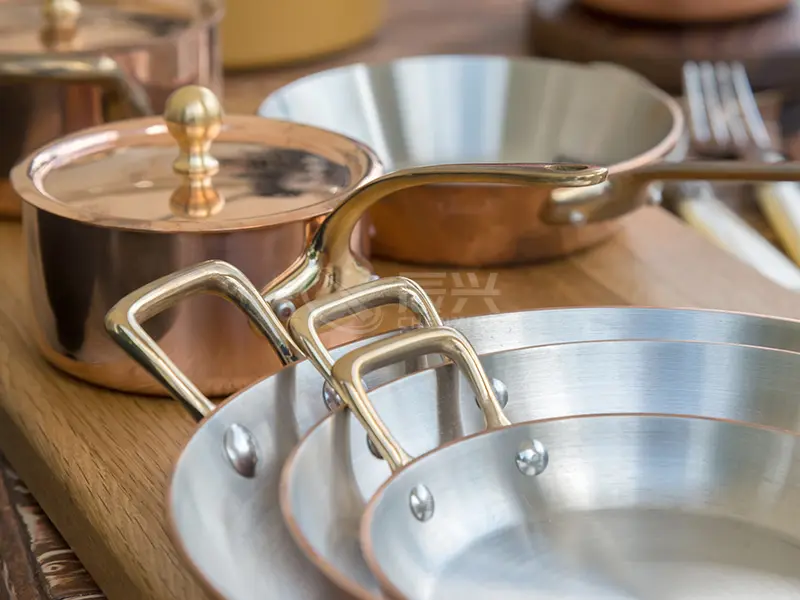
Aesthetic control boxes, sterilization containers, and food-grade storage systems designed to resist chemical cleaning agents and high heat exposure.
Stay updated on metallurgy advancements, processing optimizations, and shifts in the global supply chain.
Industrial demands for high-purity aluminum alloys continue to expand globally as manufacturing standards adapt to green logistics requirements.
Read More News →
Discover how modern thin-gauge aluminum foil roll processing supports new lithium-ion energy cells and power storage architectures.
Read More News →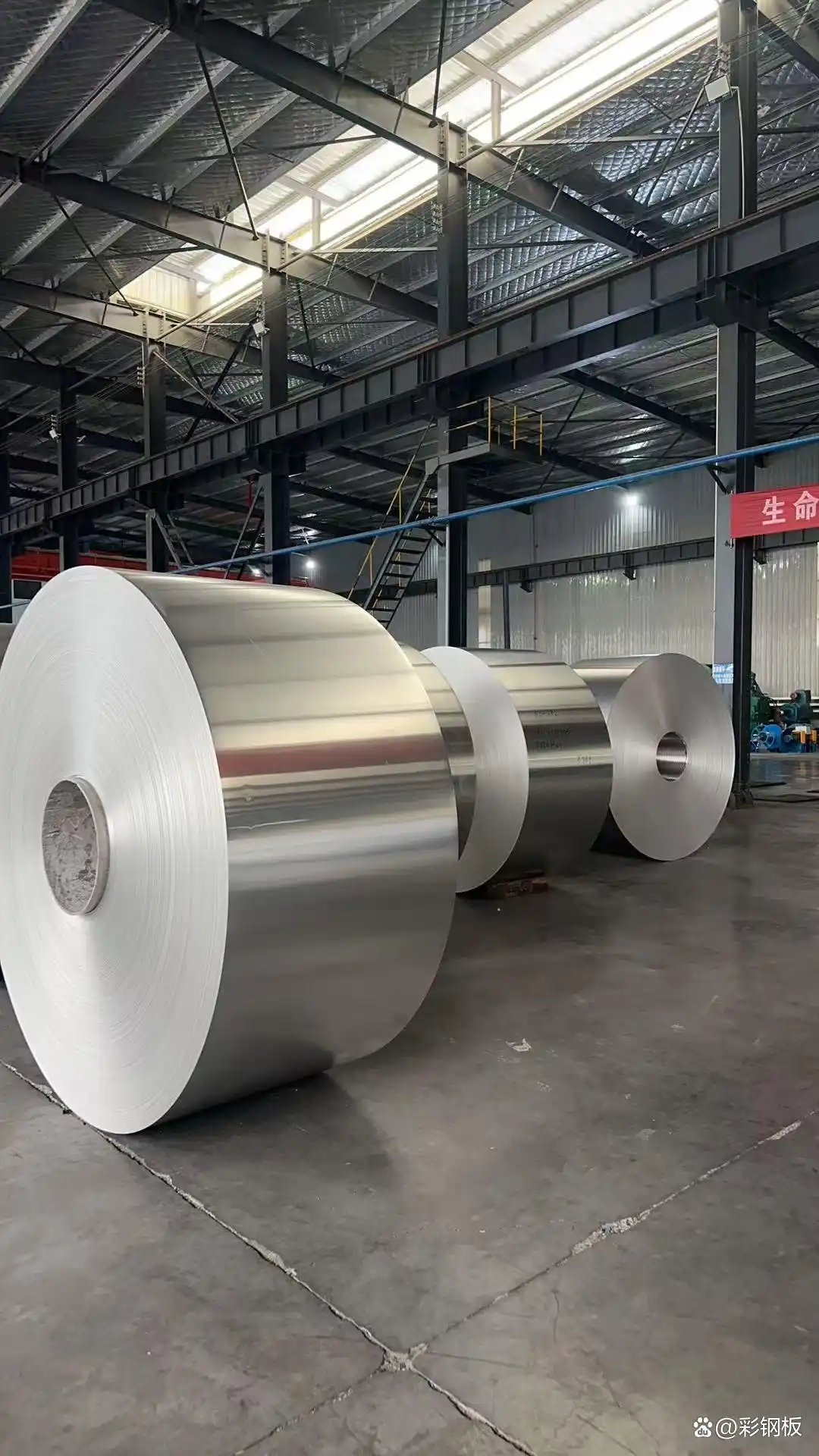
Urban construction projects and telecommunication infrastructure rely heavily on anodized aluminum coils and wall corner profiles.
Read More News →Expert technical insights to assist engineering teams and global procurement personnel.
The minimum bend radius depends heavily on the alloy temper. For 5083-H116, the MBR is typically 1.5 to 2.5 times the sheet thickness to prevent outer fiber cracking. For 6082-T6 (which has higher yield strength but lower ductility), we recommend a minimum bend radius of 3 to 4 times the sheet thickness, and always bend perpendicular to the rolling grain direction when possible.
Anodization is an electrochemical process that converts the metal surface into a durable, corrosion-resistant anodic oxide layer. For industrial sheet boxes, a coating thickness of 15 to 25 microns (Class I) is recommended. This protective layer seals the aluminum from oxygen and moisture, preventing galvanic corrosion, surface oxidation, and mechanical scratching.
Yes. Our factory utilizes high-precision CNC laser cutting systems and punch presses. We can pre-cut circular holes, D-sub cutouts, vent slots, and square interface openings based on your CAD/DXF engineering drawings before bending and welding, saving you significant assembly and labor costs.
We use specialized testing labs to conduct continuous pressure-spray water tests matching IP65/IP66 protocols. Additionally, we use mechanical compression testing to ensure the silicone or EPDM gaskets seat evenly along the lid mating flange when latches are secured.
Alloy 3003 has outstanding elongation properties and workability. In deep drawing processes, the metal must flow smoothly into the die without tearing or localized necking. The presence of manganese provides a moderate strength increase over pure 1050 aluminum while retaining excellent formability.
Get a direct, factory-level price estimate within 24 hours. Contact our engineering team for specialized alloy selection, dimension verification, and CAD blueprint reviews.
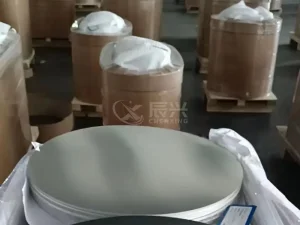
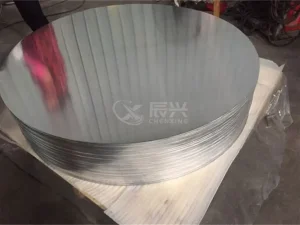
Explore our specialized alloys, circular discs, container blanks, and precision tubes manufactured for commercial and industrial markets.