
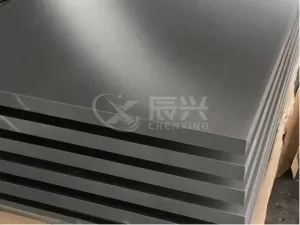
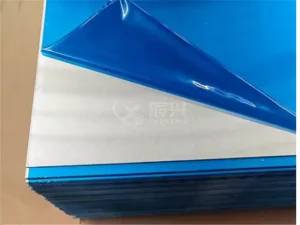
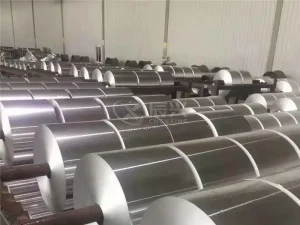
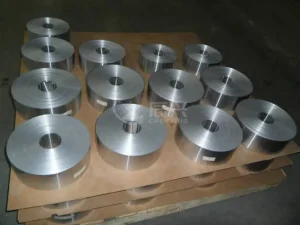
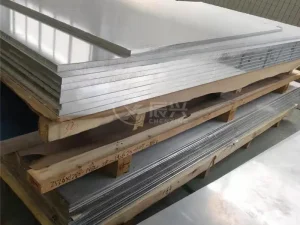
The global demand for high-integrity aluminum plate stock has undergone a seismic shift. As heavy industries push the boundaries of energy efficiency, structural weight reduction, and extreme environment resilience, aluminum has established itself as the structural metal of the 21st century. Unlike thin sheet materials, heavy-duty aluminum plates are defined by their thickness—typically exceeding 6mm (0.25 inches)—providing structural elements with the necessary tensile strength, fatigue resistance, and load-bearing properties required in capital-intensive sectors.
Currently, the global aerospace, maritime, high-speed rail, and chemical processing sectors represent the major drivers for premium aluminum alloy plates. With regional manufacturing bases demanding highly localized certifications (such as AS9100 for aerospace or DNV GL/ABS for marine environments), procurement professionals must navigate a complex ecosystem of mill capabilities, heat treatment certifications (T6, T651, T73), and international logistics constraints. The focus is no longer just on securing raw metal, but on obtaining verified, dimensionally stable plates that minimize post-machining distortion.
The introduction of trace elements such as Zirconium (Zr), Scandium (Sc), and Chromium (Cr) modifies the grain structures of heavy plates, preventing micro-cracking and increasing corrosion resistance in high-stress thermal zones.
Uncontrolled internal stresses can warp plates during CNC machining. Our top-tier manufacturers utilize heavy-duty hydraulic stretchers to apply controlled permanent deformation, eliminating internal stress and guaranteeing flat machining results.
For structural plates deployed in critical aerospace or pressure vessel environments, plates undergo rigorous non-destructive testing (NDT), conforming to ASTM B594 standard to ensure zero internal voids or inclusions.


Aluminum is not a singular material, but a vast family of engineered alloys. Sourcing engineers must match operational environments (temperature, stress, corrosive elements) to the correct alloy designation. The following breakdowns focus on the most popular commercial plate stocks.
Comprising minimums of 99.5% pure aluminum, these plates exhibit excellent thermal and electrical conductivity, superior corrosion resistance, and high formability. However, they lack the tensile strength needed for structural loads. Their primary industrial applications include electrical busbars, chemical containment vessels, and heat dissipation fins.
Magnesium is the primary alloying agent here, providing excellent solid-solution strengthening without sacrificing weldability. 5052 aluminum sheets/plates offer exceptional fatigue strength, making them optimal for marine fuel tanks and transport brackets. 5754 aluminum provides outstanding resistance to seawater and industrial atmospheres, widely specified in heavy welded structures and localized chemical storage tanks.
Heat-treatable magnesium-silicon alloys form the backbone of general engineering. 6082 T6 aluminium sheets have become the dominant standard in Europe and the Americas for structural frameworks, offering higher strength than 6061 while retaining robust corrosion resistance. They are highly responsive to machining, tapping, and structural welding processes.
Zinc is the key alloying element in the 7000 series. When artificially aged to the T6 temper, 7075 aluminum plates exhibit yield strengths comparable to structural steel, combined with the lightweight benefits of aluminum. This makes them indispensable for aerospace skins, highly stressed military defense brackets, mold-making blocks, and specialized tooling plates.
Each sector demands specific metallurgical behaviors. Below are the key engineering areas where aluminum plate stock plays a mission-critical role.

High-efficiency road and rail transport rely heavily on 5xxx and 6xxx alloy plates to reduce chassis weights, increase payload capacity, and lower fuel consumption.
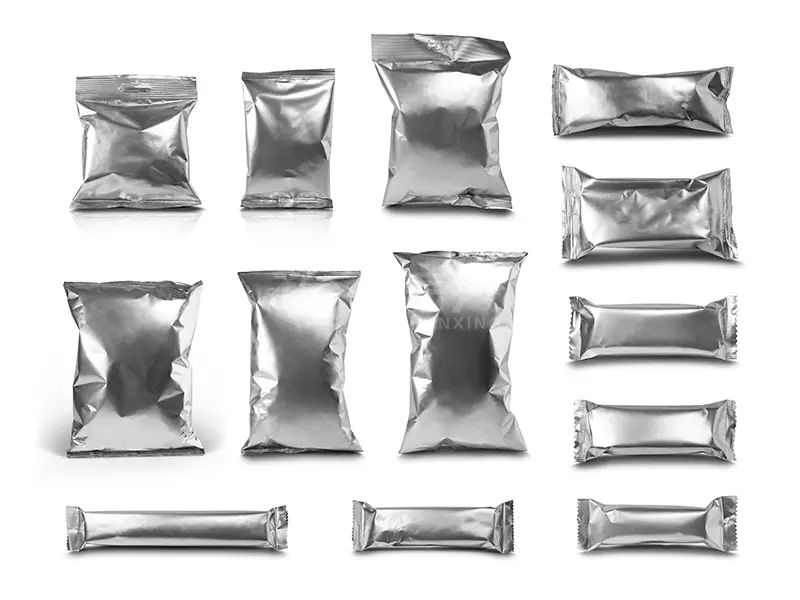
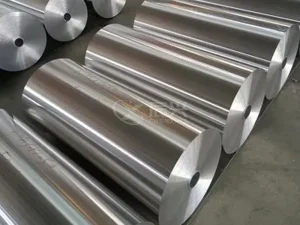
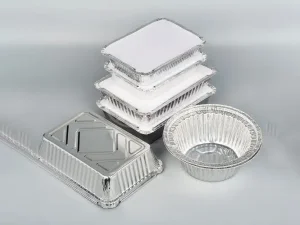
Coils and foils crafted from pure alloys provide light-shielding barriers and hygienic, non-reactive surfaces suitable for pharmaceutical and food storage.

Superior thermal conductivity and electromagnetic shielding make aluminum plates essential for manufacturing semiconductors, battery trays, and heat sinks.

Alloy plates like 7075-T651 provide high strength-to-weight ratios and crack resistance required under extreme pressure differentials and G-forces.
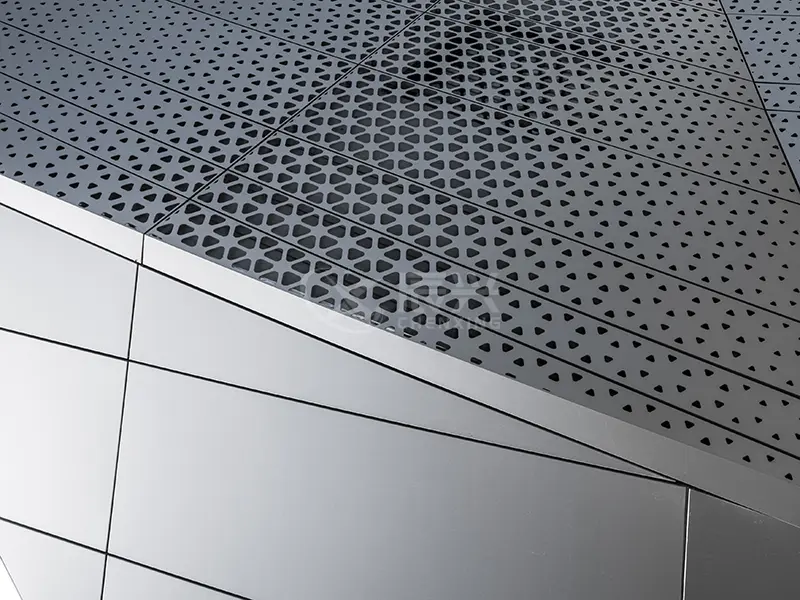
Structural stability combined with natural oxide protection enables 5xxx and 6xxx series plates to form weathering facades, bridges, and offshore platforms.

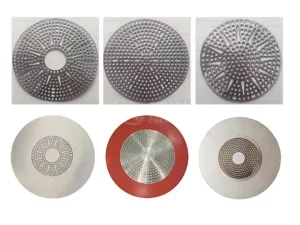
For modern appliances, aluminum sheets and circles supply corrosion-free, aesthetically pleasing casings and highly efficient heating induction panels.
Global industrial purchasing teams are increasingly relying on Chinese manufacturing clusters to secure critical aluminum stock. This transition is not driven by cost reduction alone, but by integrated factory efficiency, supply chain responsiveness, and massive technical infrastructure.
Leading Chinese mills operate in close proximity to major alumina refineries and primary smelters. This layout minimizes the logistical costs of molten aluminum transport, enabling continuous casting operations that optimize energy efficiency and control microstructural impurities from the starting ingot phase.
Equipped with state-of-the-art multi-stand hot rolling mills (ranging from 3,000mm to over 4,500mm wide), these facilities produce extremely wide plates with minimal thickness deviations. Advanced quenching systems ensure uniform heat treatment across the entire plate matrix.
Quality issues can bring automotive assembly lines or aerospace fabrication plants to a standstill. Leading Chinese factories execute a standardized 8D problem-solving process, providing root-cause analyses within 24 hours. Intelligent barcode systems track each raw plate back to the specific smelting furnace batch, offering complete transparency.
Several macro-trends are reshaping how procurement managers buy aluminum stock:
Our mill infrastructure scales to meet rising global import requirements, ensuring reliable delivery networks amidst evolving trade policies. Industry analysts track record shipments of high-temper plates to major industrial hubs.
Driven by the electric vehicle revolution, advanced battery-grade foils require strict dimensional precision. Mills are upgrading cleanroom facilities to eliminate dust contamination during high-speed rolling.
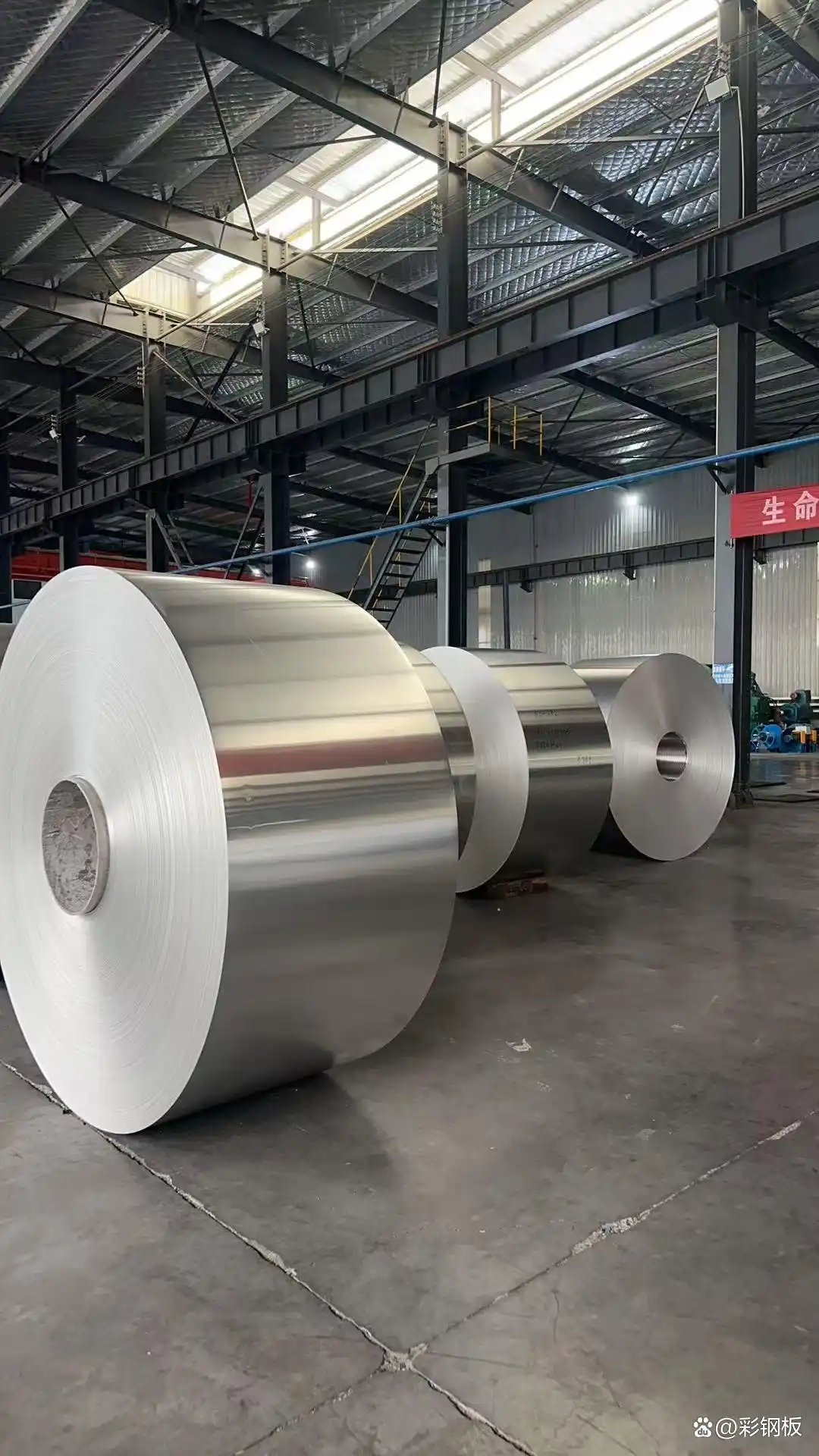
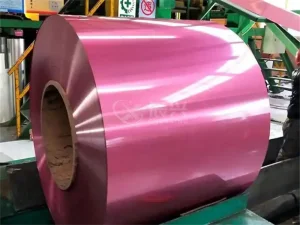
Sustainability mandates across key construction sectors are driving demand for green-certified coil coatings. Companies focus on polyester and PVDF coatings that withstand extreme UV exposure without chalking.
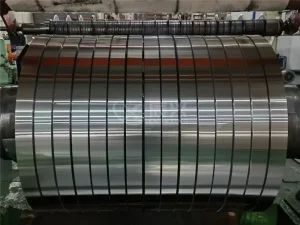
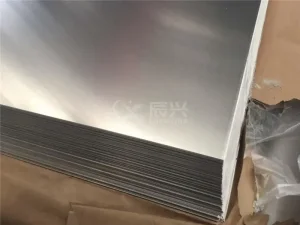
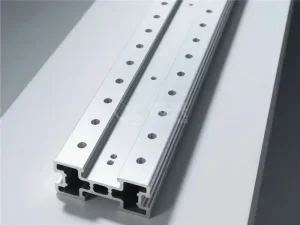
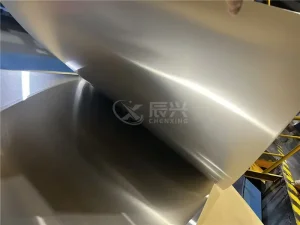
Need custom dimensions, specific temperings, or direct mill-run pricing? Submit your requirements now, and our technical engineering department will review your specifications and contact you within 24 hours.
Submit Inquiry Now