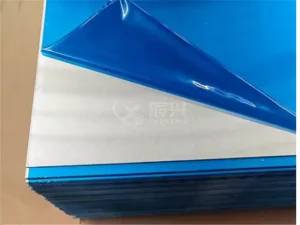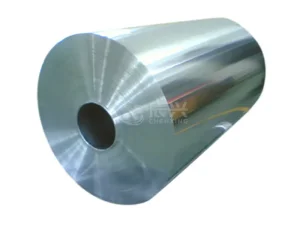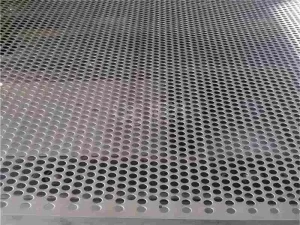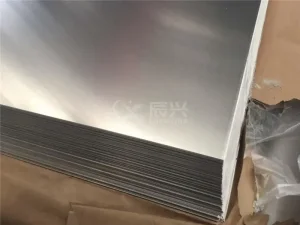
Buy Aluminum Mill Companies & Factory

Direct Access to Enterprise-Grade Raw Materials, High-Precision Alloys, and Industry-Leading Cold & Hot Rolling Mill Infrastructures.

Engineered for Global Industry Leaders

Leveraging state-of-the-art aluminum mills to deliver certified quality, competitive global pricing, and robust structural capacity.

20+

Years of Industrial Mill Expertise

Over two decades of precision metallurgical development, custom chemical profiling, and high-volume order fulfillment.

35+

Global Destination Countries

Exporting verified raw materials worldwide under compliance with European EN, American ASTM, and global GB standards.

QC Inspection

Strict Quality Control & Intelligent Tracking

Real-time spectral analysis, ultrasonic crack detection, and intelligent grain-structure control protocols for zero-defect output.

Customer Service

24-Hour Customer Support & 8D Remediation

Prompt technical advisory, localized engineers support, and standard 8D response processes for comprehensive project execution.

200k+

Metric Tons Annual Output

0.01mm

Tolerance Precision Control

100%

Traceable Chemical Composition

Class A

Surface Integrity Certification

Global Trends, Tech Innovation, and Procurement Strategies in the Aluminum Milling Industry

As the international manufacturing sector transitions toward decarburization, lightweighting, and higher dimensional efficiency, the role of heavy-duty aluminum mills has transformed. Modern industrial engineering no longer requires generic aluminum; instead, it demands specialty-grade alloys, micro-tolerances, and responsive supply networks. Sourcing from premium factories allows global enterprises to acquire components developed under the strictest quality parameters, mitigating structural fatigue and corrosion risks.

1. Global Aluminum Mill Industry Trends

The global metal rolling ecosystem is experiencing a shift driven by three primary catalysts: sustainability protocols, digitalized process controls, and specialized alloy formulations. Low-carbon or "green" aluminum has transitioned from a specialty request to a core procurement standard. Modern aluminum factories are upgrading their smelting, casting, and cold-rolling infrastructures to run on renewable energy sources or to utilize high-purity post-industrial scrap. This reduces the embedded carbon footprint of components like 5052 aluminum sheets, anodized cladding panels, and industrial heat sink foils.

Simultaneously, hot and cold rolling mills are incorporating real-time feedback loops. Modern mills use automated flatness controls (AFC) and thickness correction sensors to achieve thickness tolerances of within ±0.01mm. This degree of accuracy is essential for high-speed continuous press lines in packaging and electronic enclosure production, preventing line jams and minimizing scrap loss.

2. China Industry 4.0: Supply Chain Resilience & Efficiency

Choosing to source from a Chinese Industry 4.0 aluminum factory provides key operational and logistical advantages. Over the past decade, Chinese manufacturers have made significant upgrades to their production lines, installing fully automated rolling systems and intelligent warehouse management solutions. This automation ensures high consistency across production runs, even during high-volume contract rollouts.

  • Integrated Production Ecosystems: From hot-rolled coil casting to finish slitting, surface texturing, and packaging, every stage occurs within centralized, highly coordinated industrial zones. This proximity minimizes raw material transport costs and decreases lead times.
  • Continuous Cold Rolling (CCR) Technology: Modern lines run continuously, optimizing mechanical properties like yield strength, tensile properties, and grain alignment. This approach yields high consistency in alloys like 3104 and 6082 T6 sheets.
  • Resilient Logistics Networks: Close proximity to major international shipping ports like Qingdao, Shanghai, and Ningbo ensures reliable global transport. Integrated container booking and customs clearing interfaces enable seamless delivery to key markets.

3. Global Procurement Demands & Quality Parameters

In the global market, procurement officers evaluate aluminum factories based on strict technical criteria. Ensuring compliance with standards like ASTM B209, EN 485, and JIS H4000 requires factories to follow disciplined quality assurance protocols. Sourcing teams prioritize key structural parameters during audits:

  • Alloy Homogeneity: Uniform distribution of elements like magnesium in the 5xxx series and silicon/magnesium in the 6xxx series is critical. Inconsistent chemistry can lead to fractures during bending, forming, or deep drawing.
  • Surface Quality: Standard commercial applications require surfaces free of oil stains, roll marks, slip lines, and oxidation. For premium applications like anodizing, mills utilize specialized finishing rollers to ensure a uniform appearance.
  • Temper Precision: Achieving specific mechanical properties—such as the balance between ductility and structural strength in 3104-H19 or 6082-T6—requires precise thermal treatment profiles during annealing.

4. E-E-A-T Sourcing Checklists: Vetting an Aluminum Factory

When selecting a manufacturing partner, sourcing professionals rely on a systematic checklist to verify supplier experience, expertise, and authority. Key indicators of a reliable supplier include:

  1. Certifications: Verify valid ISO 9001:2015 (Quality Management), IATF 16949 (Automotive Quality Management for structural alloys), and RoHS/SGS conformity certificates for food packaging materials.
  2. Traceability Protocols: A reliable supplier should provide mill test certificates (MTC) with heat numbers for every shipment, linking each product back to its original raw material ingot.
  3. Testing Equipment: Qualified factories maintain in-house labs equipped with optical emission spectrometers (OES), tensile testing systems, hardness testers, and cupping test machines.

Localized Applications & Performance Scenarios

Custom-engineered aluminum sheets, foils, and coils designed for demanding global industries.
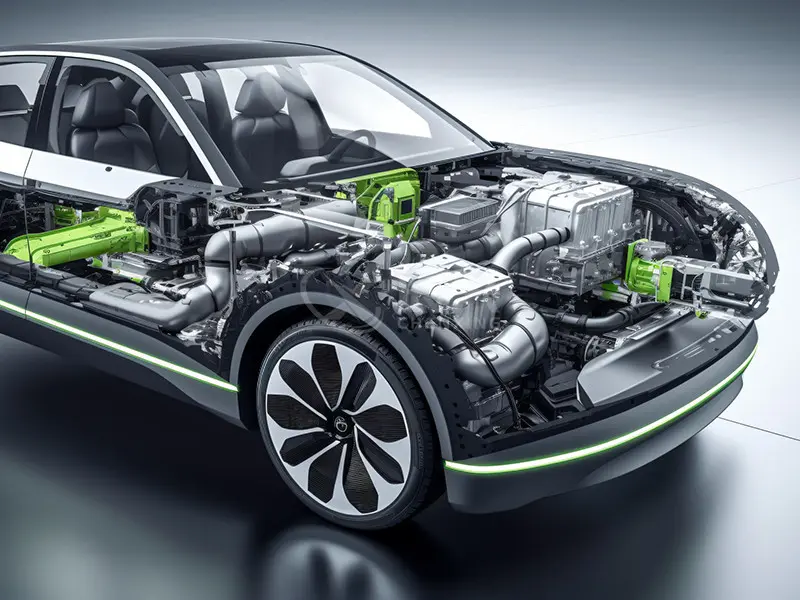
Aluminum For Transportation

Aluminum For Transportation

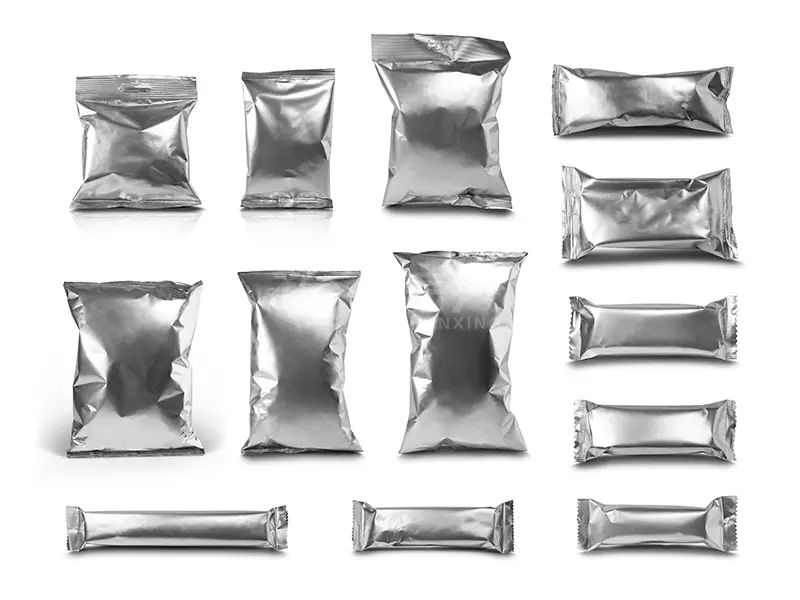
Aluminum For Packaging

Aluminum For Packaging

Aluminum For Electronics

Aluminum For Electronics

Aluminum For Aerospace

Aluminum For Aerospace

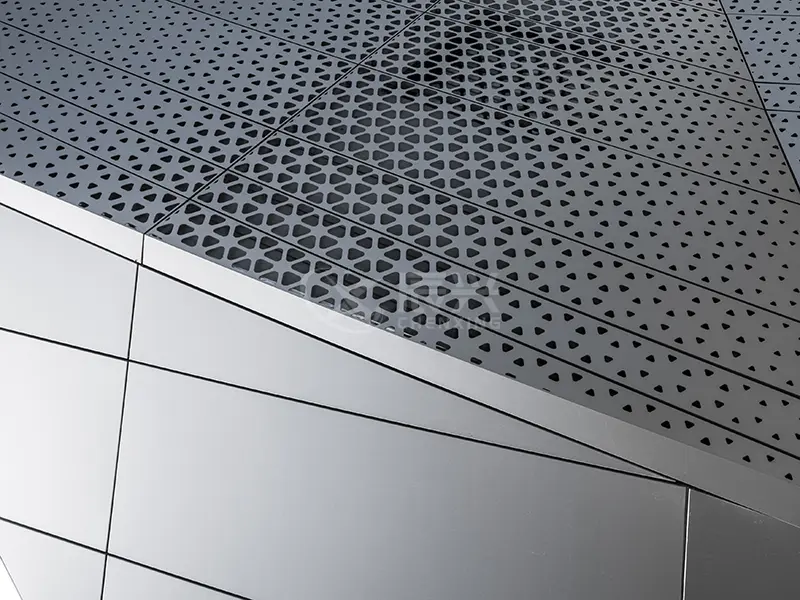
Aluminum For Construction

Aluminum For Construction

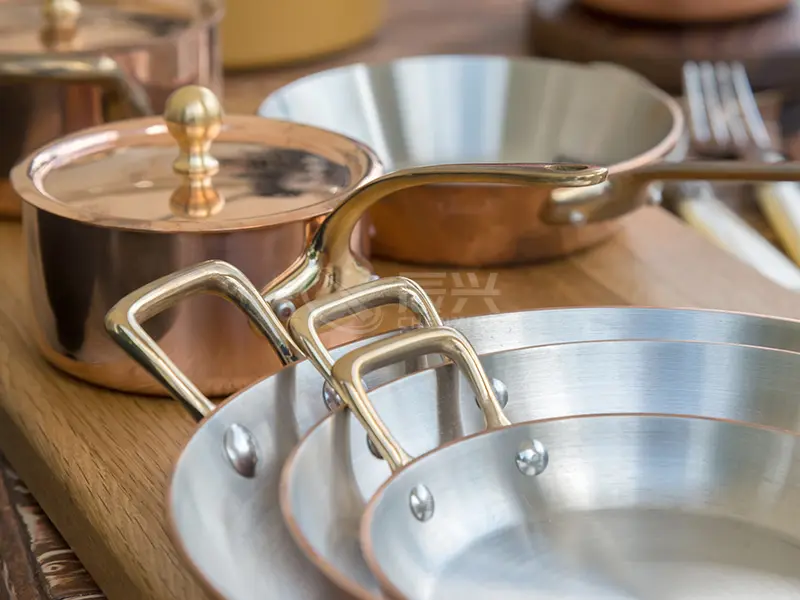
Aluminium For Household Appliances

Aluminium For Household Appliances

Latest Mill Insights & Market Dynamics

Keep pace with global industrial updates, raw material price shifts, and manufacturing upgrades.

Global Aluminum Semi-Finished Exports

Global Aluminum Semi-Finished Exports Surge, Our Factory Expansion...

Discover how international demand patterns are reshaping production schedules and driving capacity increases.

Read Full Report →
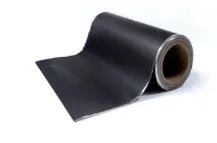
Battery-Grade Aluminum Foil

Battery-Grade Aluminum Foil: Introduction and Market Demand Outlook

Analysis of carbon-coated battery foils in electric vehicle power packs and grid storage applications.

Read Full Report →
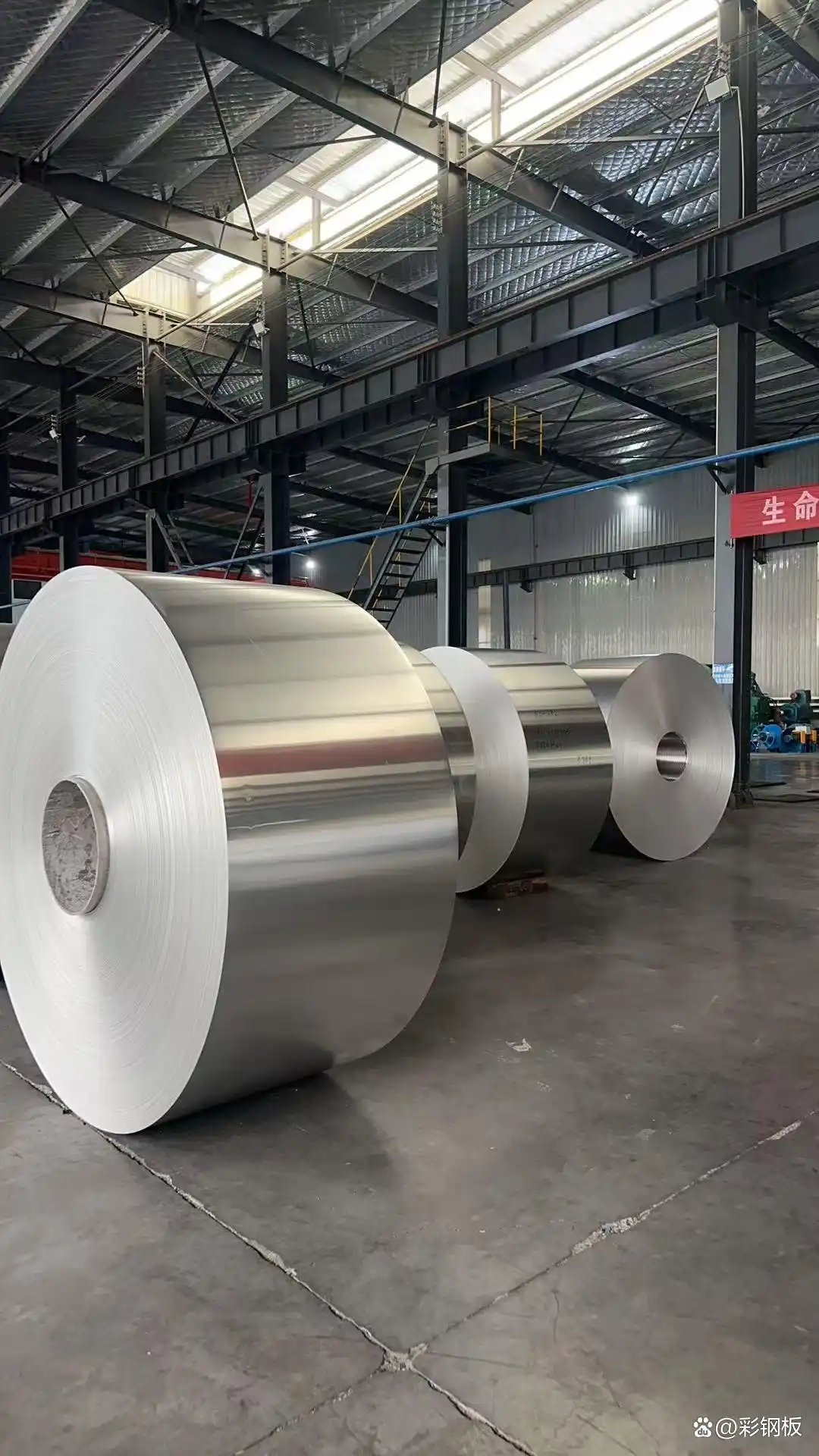
Global Aluminum Coil Market Grows

Global Aluminum Coil Market Grows Steadily Driven by Green Building Standards

Evaluating how green building codes are driving the adoption of recyclable wall panels.

Read Full Report →

Expert FAQ: Sourcing from High-Capacity Aluminum Mills

Answers to technical questions about alloy selections, mill tolerances, and logistics protocols.

What is the standard lead time for customized bulk mill runs?
Standard production runs for customized alloy sheets and coils typically take 20 to 30 days from formulation approval. High-volume orders of stock alloys, such as standard 1050 circles or 5052 sheets, can be expedited depending on raw material inventory.
How does the factory prevent surface corrosion and white rust during sea freight?
All export shipments undergo specialized protection protocols. Coils and sheets are wrapped in anti-corrosion paper, treated with thin protective oils when requested, and packed with desiccant bags in sea-worthy wooden crates with IPPC-certified heat-treatment.
What testing data is provided with each shipment?
Every delivery includes a comprehensive Mill Test Certificate (MTC). This includes chemical composition percentages (spectral analysis), mechanical values (tensile strength, yield strength, elongation), and dimensional tolerance verification.
Can you supply deep-drawing quality (DDQ) aluminum circles?
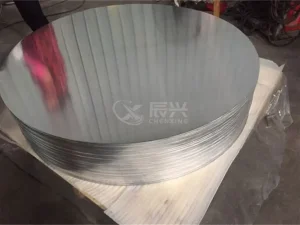
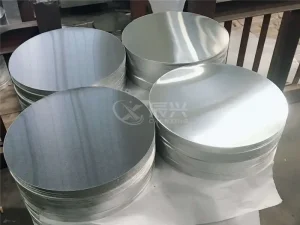
Yes, our hot rolling lines produce fine grain-structure 1050 and 3003 aluminum circles optimized for deep drawing. These circles feature low earing rates, ensuring minimal tearing during multi-stage forming processes.
What parameters verify the quality of anodized-grade sheets?
Anodizing-grade (AQ) sheets require controlled grain orientation and minimal surface inclusions to prevent streaking or color variations. Our mills process AQ-designated 5052 and 5005 coils under strict quality controls to ensure color consistency after anodization.

Initiate Sourcing Request & Obtain Pricing

Get in touch with our technical sales engineers for detailed chemical profiles, MOQ schedules, and volume-based pricing structures.

For inquiries about our products or pricelist, please leave your contact details below and we will be in touch within 24 hours.

Submit RFQ Now