
Buy Aluminum Coil Stock Factories & Factory

Direct Mill Sourcing, Global Supply Chains, and Advanced Technical Grade Aluminum Solutions for Industrial Excellence.

1. Global Commercial & Industrial Status of Aluminum Coil Stock

The global demand for aluminum coil stock has experienced unprecedented growth, evolving from basic construction sheet metal to an indispensable cornerstone of high-performance manufacturing. Across sectors as diverse as architectural design, automotive structural engineering, modern HVAC thermal systems, and aerospace dynamics, aluminum coils represent a foundational element that combines mechanical longevity with unmatched chemical-physical versatility.

In modern industrial sourcing, the term "aluminum coil stock" represents structural materials processed via high-performance hot-rolling (direct chill - DC) or continuous casting (CC) mills. By alloying aluminum with magnesium, manganese, iron, copper, and zinc, metallurgy specialists optimize properties like tensile strength, yield limits, corrosion protection, and deep-drawing capacity. The global transition to lightweight solutions in the transportation sector and fire-safe, sustainable metal configurations in construction has made choosing direct-mill factories critical for maintaining supply chain resilience and strict engineering compliance.

Expert Insight: Under standard specifications such as ASTM B209, BS EN 485, and GB/T 3880, raw ingot quality determines the structural reliability of the final coil stock. Industrial buyers must ensure their supplier factories use Grade A primary aluminum ingots (Al content ≥ 99.7%) to prevent structural weak points or microscopic pinholes in ultra-thin foil applications.

Key Mechanical & Material Characteristics by Grade Series

Alloy Series Primary alloying Element Tensile Strength (MPa) Optimal Fields of Application Corrosion Resistance Rating
1xxx (e.g., 1050, 1060) Pure Aluminum (≥ 99.0%) 75 – 125 Capacitors, Deep Drawing, Food Containers, Electrical Busbars Excellent (High Chemical Purity)
3xxx (e.g., 3003, 3105) Manganese (Mn) 110 – 190 HVAC Heat Exchangers, Air Ducts, Roofing & Cladding Sheets Very High (Industrial Atmosphere)
5xxx (e.g., 5052, 5754) Magnesium (Mg) 190 – 290 Marine Hardware, Fuel Lines, Automotive Panels, Pressure Vessels Superior (Saltwater Environments)
8xxx (e.g., 8011, 8006) Iron / Silicon (Fe/Si) 80 – 140 Ultra-thin Foil Packaging, Air Conditioner Fins, Cable Wrap Excellent

2. Strategic Manufacturing Advantages of Chinese Aluminum Factories

Procuring directly from verified aluminum sheet, strip, and coil factories in China provides global enterprises with clear technical and logistical advantages. This model addresses the three main pain points for industrial buyers: quality consistency, cost efficiency, and delivery lead times.

  • Integrated Industrial Clusters: China's major aluminum production hubs in Henan, Shandong, and Guangdong provinces benefit from close integration with raw ingot refining facilities. This proximity lowers the logistics costs of raw materials and speeds up turnaround times for custom alloy orders.
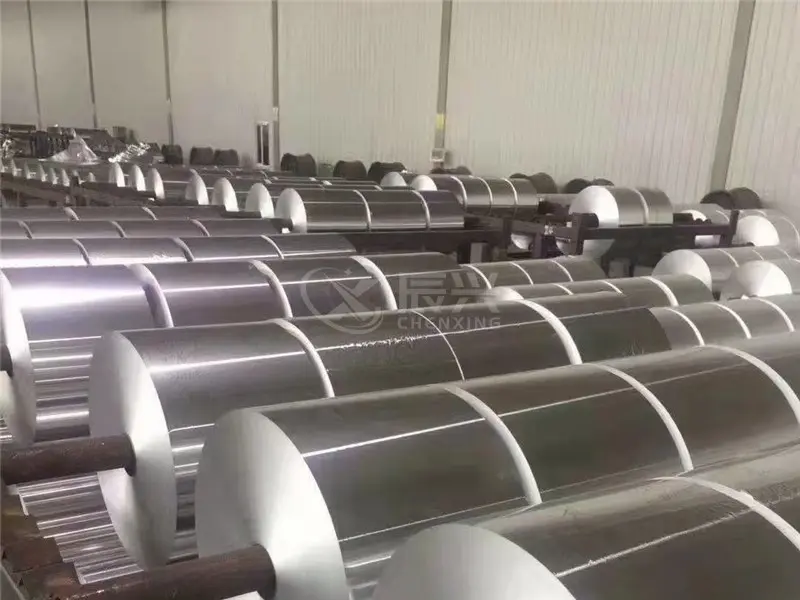
  • State-of-the-Art Rolling Technology: Modern Chinese factories have installed advanced high-speed rolling mills equipped with automated gauge control (AGC) and optical defect detection systems. This ensures thickness tolerances within +/-0.02mm and flatness ratings that meet international standards.
  • Scalability and Lead-Time Control: Chinese mills process large volume orders efficiently. Multiple casting lines operating continuously allow factories to manufacture thousands of metric tons per month. This helps cushion international clients against sudden supply chain disruptions.
  • Strict QC Compliance: Leading factories implement comprehensive Quality Management Systems. They provide Mill Test Certificates (MTC) matching EN 10204 3.1 standards, ensuring full traceability of chemical compositions and mechanical properties from raw ingot to finished shipment.

Why Sourcing Partners Trust Our Factory

For over two decades, we have delivered certified aluminum alloys to critical industries worldwide.

20+

20+ Years Manufacture Experience

35+

Exported To 35+ Countries

STRICT QC INSPECTION & INTELLIGENT TRACKING
QC

STRICT QC INSPECTION & INTELLIGENT TRACKING

24-HOUR CUSTOMER SERVICE, 8D RESPONSE
24/7

24-HOUR CUSTOMER SERVICE, 8D RESPONSE

Hot & New Factory Products Performance

Filter and review our top-rated factory direct aluminum products. Manufactured to withstand rigorous industrial conditions.

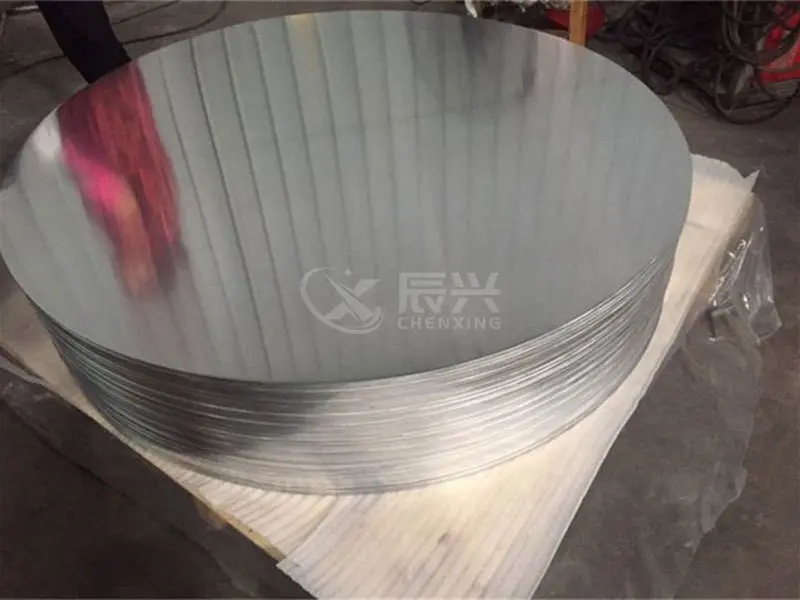
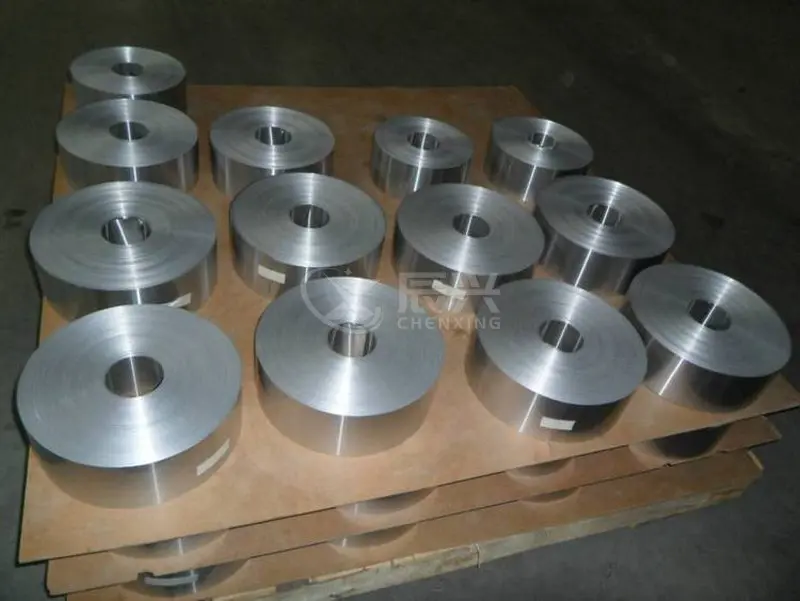
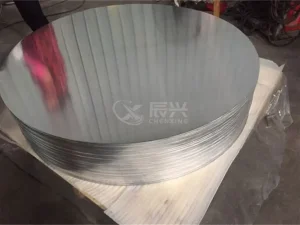
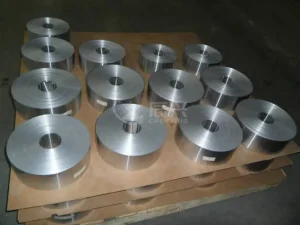
1050 Aluminium Circle

Deep Drawing & Spinning Grade Disc for Utensils and Signage

1050 Grade
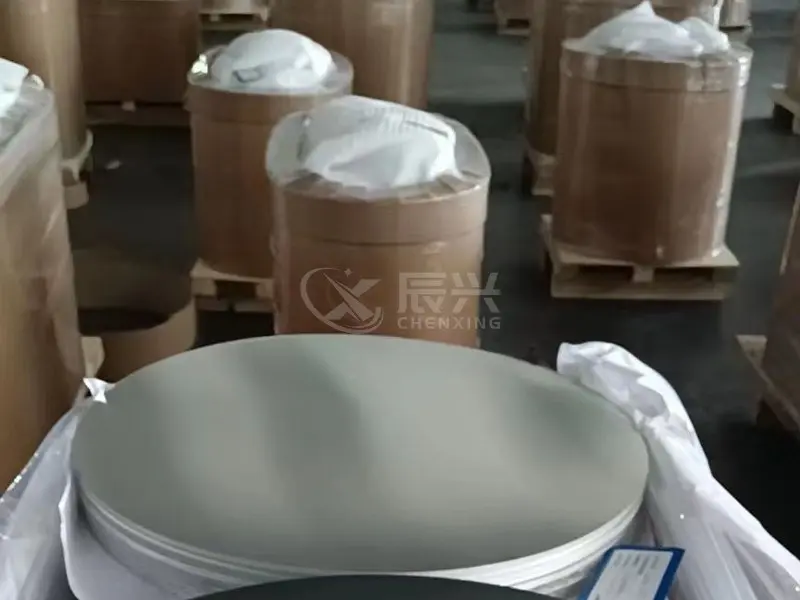
3003 Aluminium Circle

Rustproof Manganese Circle for Non-Stick Cookware Base

3003 Grade
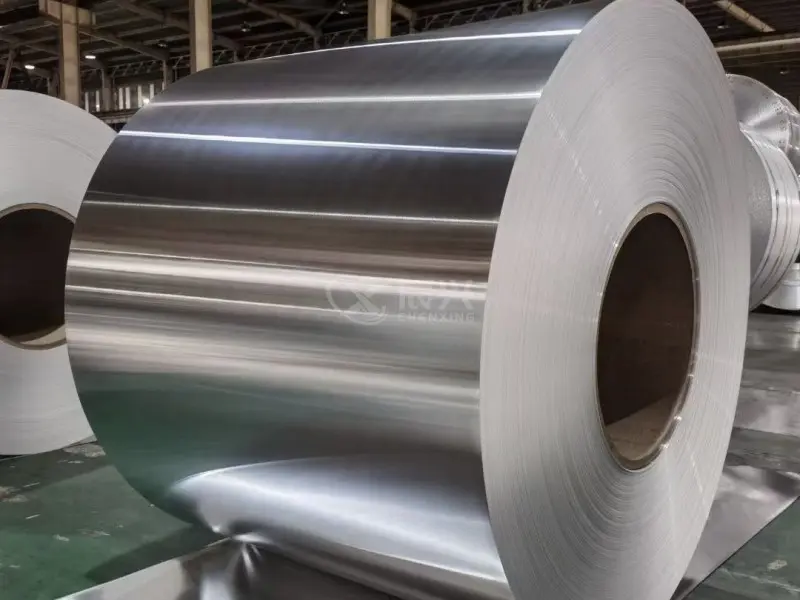
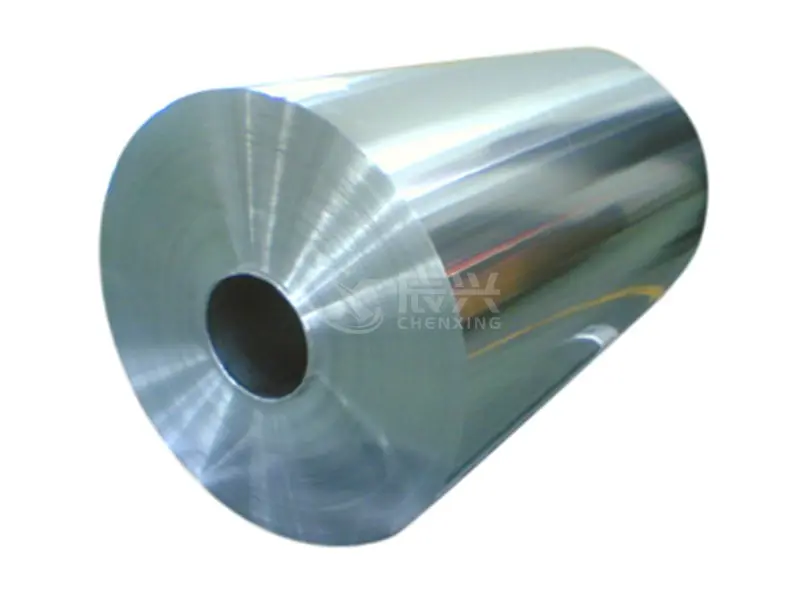
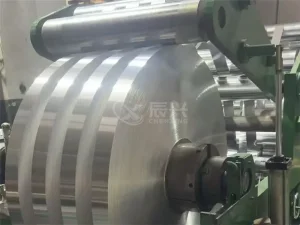
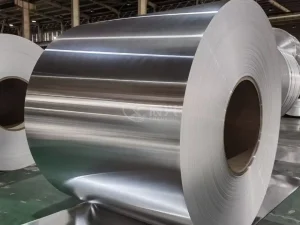
Aluminium Coil
Aluminium Coil

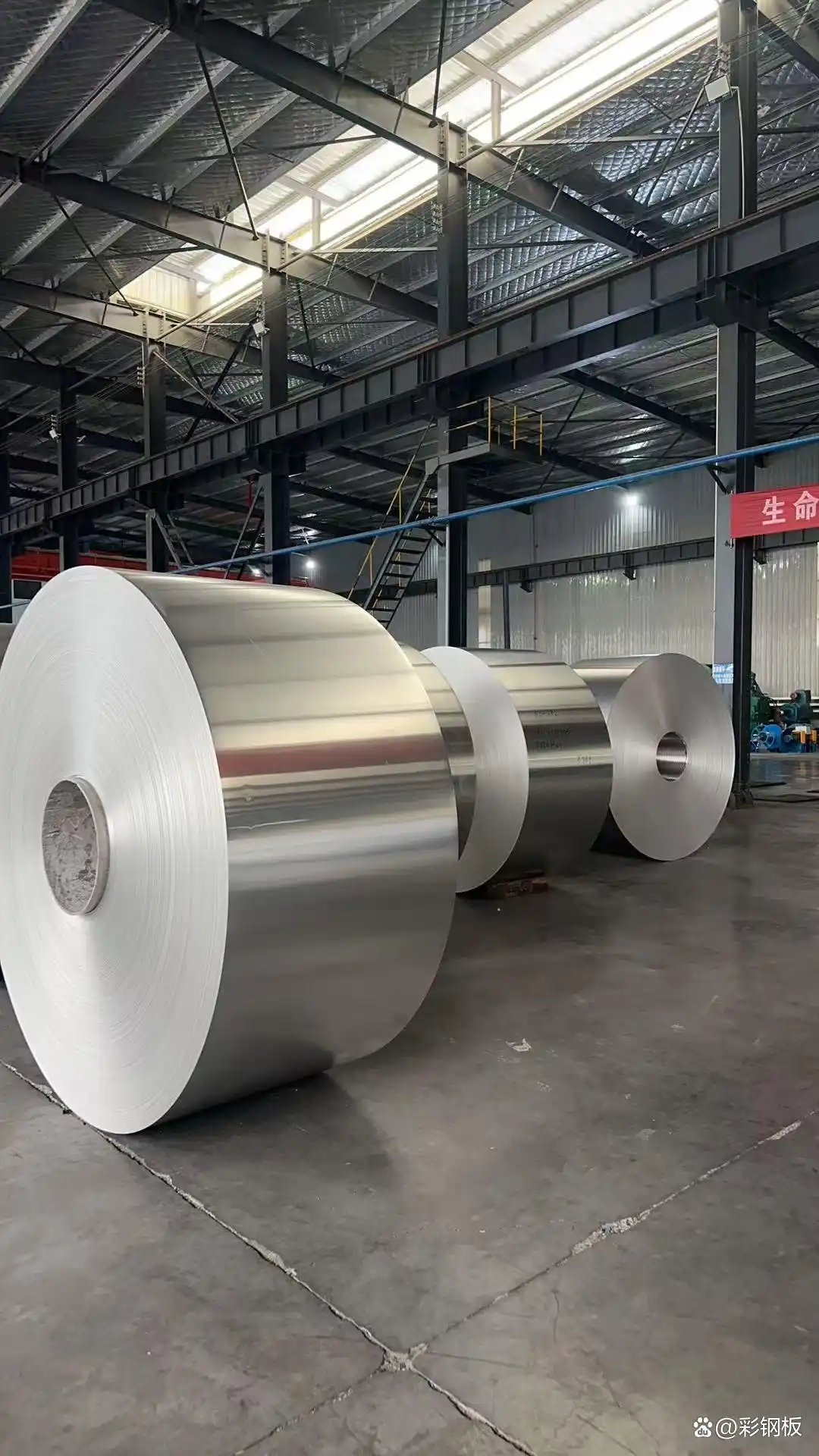
Premium Mill Finish Coil for Industrial Metal Stamping

Mill Finish
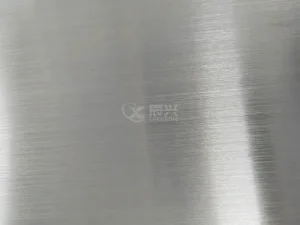
Brushed Aluminum Coil

Clean Surface Textured Architectural Finishing Panel Coil

Textured
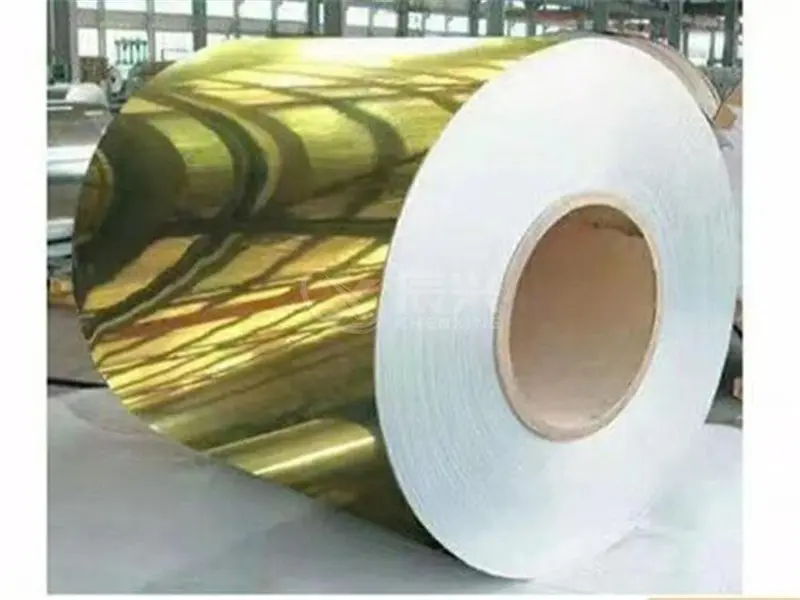
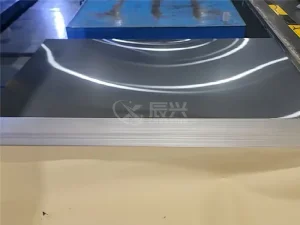
Mirror Aluminum Coil/Sheet

Reflective Finish (Total Reflectance > 86%) for Lighting Reflector

High Reflective
Air Conditioning Aluminum Foil

Hydrophilic Foil Coil for Air Conditioner Evaporator & Condenser Fins

Hydrophilic
Air Duct Aluminum Foil

Robust Flexible Air Ducting Foil for Ventilation and Insulation

Flexible Duct
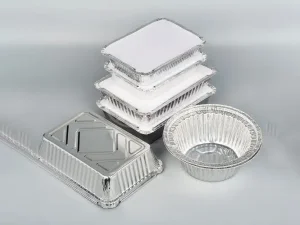
Aluminium Foil
Aluminium Foil

Food Grade Pure Aluminum Insulation Foil for Kitchen and Packaging

Food Grade Foil

Industrial Application Scenarios

From lightweight automotive bodies to food packaging, our mill products are engineered for specific industry applications.

Aluminum For Transportation

Transportation

High-strength 5xxx series alloys (such as 5052 and 5754) are widely utilized in electric vehicle (EV) battery packs, truck fuel tanks, and subway body construction to optimize weight and structural safety.

Aluminum For Packaging

Packaging

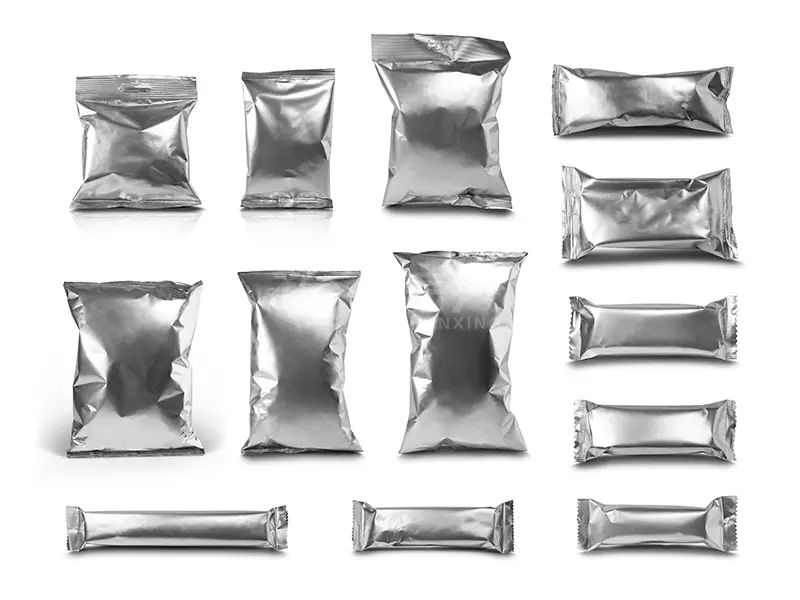
Food grade 8011 and 1235 coils offer total moisture and light barriers. This material is key for flexible pharmaceutical pouches, sterile blister wraps, and durable household kitchen foils.

Aluminum For Electronics

Electronics

Superior thermal conductivity and electrical shielding properties make our mirror and anodized aluminum coils optimal for manufacturing smartphone shells, capacitor cans, and LED thermal plates.

Aluminum For Aerospace

Aerospace

Supplying the aerospace sector demands structural alloys like 7075 and 2024. These grades undergo stress relieving and precision heat-treating to guarantee mechanical fatigue resistance under pressure.

Aluminum For Construction

Construction

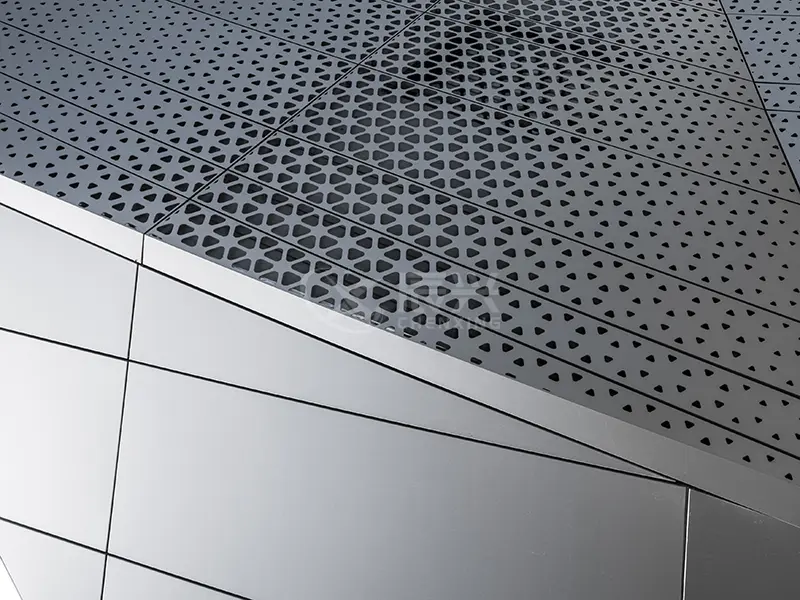
Perfect for long-span roofs, insulated wall systems, and high-rise curtain walls. Polyester (PE) or PVDF coated 3003 and 5052 coils protect buildings against corrosion, UV exposure, and thermal shock.

Aluminium For Household Appliances

Household Appliances

Refined brushed and anodized aluminum coil surfaces are custom-manufactured for luxury refrigerator panels, washing machine structural elements, and microwave inner cavities.

3. Global Sourcing Trends & Corporate Procurement Needs

Enterprise-level metal procurement has changed. Buyers no longer focus only on spot prices per metric ton; they now look at total cost of ownership (TCO) and long-term risk management. Modern procurement managers balance multiple priorities, including material consistency, supply chain traceability, green metallurgy certification, and reliable marine logistics.

With international frameworks like the European Union's Carbon Border Adjustment Mechanism (CBAM) coming into effect, global buyers are actively seeking aluminum suppliers who can provide certified carbon footprint calculations. Utilizing green energy, such as hydropower, for primary aluminum smelting helps lower indirect carbon emissions, making the finished products highly competitive in regulated markets.

Key Operational Risk Mitigation Strategies in Sourcing:

  • Alloy Verification: Standardize on-site verification using Handheld XRF Spectrometers during container loading to verify alloy composition.
  • Gauge Uniformity Control: Insist on continuous thickness measurement logs from the rolling mill's gauge system to protect your downstream stamping dies.
  • Packaging for Sea Cargo: Specify robust sea shipping packaging, including moisture-resistant barriers and desiccant packs, to prevent water stain corrosion during maritime transit.

4. Global Aluminum Sourcing News & Market Movements

Keep track of the global aluminum market with direct intelligence reports from our factory floors and export offices.

Global Aluminum Semi-Finished Exports Surge

Global Aluminum Semi-Finished Exports Surge, Our Factory...

International export volumes of rolled aluminum sheets and coils have surged as regional automotive manufacturers ramp up electric vehicle production lines...

Read More News
Battery-Grade Aluminum Foil Market

Battery-Grade Aluminum Foil: Introduction and Market Demand...

Lithium-ion battery cathode collectors require high-purity aluminum foils. Standardizing coil parameters at the mill level ensures safety and high cycle life...

Read More News
Global Aluminum Coil Market Grows Steadily

Global Aluminum Coil Market Grows Steadily Driven by Green...

Demand for sustainable metal packaging and recyclable architectural siding panels continues to rise, driving steady growth in the global aluminum coil market...

Read More News

Submit Sourcing Inquiry

Request direct-mill pricing, chemical certificates, or custom product specifications. Our engineering team will review your parameters and respond within 24 hours.

Industrial Sourcing & Metallurgy FAQ

Technical answers to key questions about sourcing directly from aluminum coil manufacturers.

How does the choice between continuous cast (CC) and hot-rolled (DC) coils affect fabrication?

Continuous Cast (CC) coils are typically more cost-effective and work well for simple applications like general cladding, roofing, and standard foil manufacturing. However, Hot-Rolled (DC) coils offer superior mechanical properties. The DC process produces a more uniform metallurgical structure, making it the preferred choice for demanding applications like deep-drawing, anodizing, and structural automotive components where material cracking is not acceptable.

What is the standard tolerance limit for aluminum coil thickness?

Thickness tolerances depend on the specific alloy series, mill width, and international standards (like ASTM B209 or EN 485). Typically, standard industrial mills maintain tolerances between ±0.02mm to ±0.05mm. High-precision operations using computerized AGC systems can achieve thickness consistency down to ±0.01mm, which helps extend the life of high-speed stamping presses.

How do factories prevent white rust and atmospheric oxidation during ocean shipping?

Oxidation, commonly known as white rust, occurs when moisture is trapped between coil layers. Factories prevent this by using seaworthy eye-to-sky or eye-to-wall wooden pallets, wrapping coils in moisture-proof plastic film, and adding heavy-duty desiccant packs. The entire shipment is secured inside clean, dry containers to prevent exposure to condensation and sea spray.

Which aluminum grades are recommended for highly corrosive industrial environments?

For marine and highly corrosive industrial environments, 5xxx series alloys (such as 5052, 5754, and 5083) are highly recommended. These alloys are formulated with magnesium, which improves their natural corrosion resistance and ensures structural stability under harsh conditions without requiring heavy surface coatings.

What verification documents should accompany a standard mill shipment?

A standard industrial shipment should include a Mill Test Certificate (MTC) conforming to EN 10204 3.1. This certificate details the heat number, chemical composition breakdown (percentages of silicon, iron, copper, etc.), mechanical test values (tensile strength, yield strength, elongation), and dimension check logs.