
Direct supply channels for high-performance industrial plates, coils, and sheets engineered for maximum structural reliability.
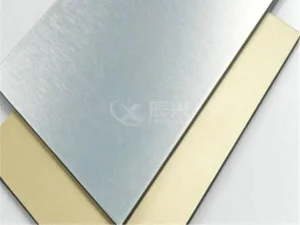
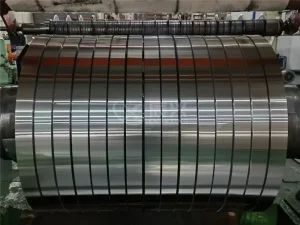
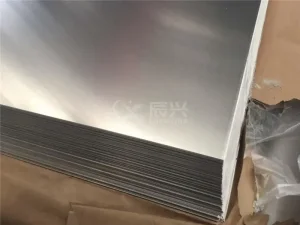


Analyzing metallurgical composition, mechanical requirements, surface engineering, and factory-level procurement parameters.
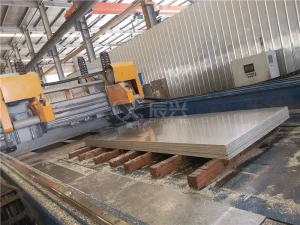
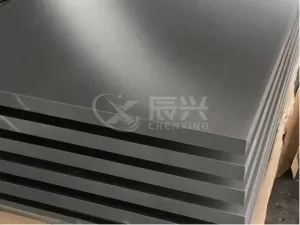
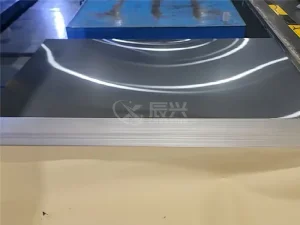
In modern civil engineering, wastewater treatment, petrochemical operations, and telecom infrastructure, Aluminium Plate Covers have emerged as the premier alternative to heavy, corrosion-prone structural steel and brittle concrete systems. Sourcing directly from certified manufacturers ensures not only cost-efficiency but critical compliance with mechanical design codes such as EN 124, ASTM B209, and ISO 9001 quality controls.
Aluminum covers provide an exceptional strength-to-weight ratio, high natural resistance to atmospheric oxidation, and complete structural recyclability. However, selecting the right manufacturing process, alloy composition, and temper requires understanding the structural stress limits, load expectations, and environmental conditions of your specific job site.
Not all aluminum plates perform identically. Selecting the improper alloy for an industrial cover could lead to galvanic corrosion, structural fatigue, or premature deflection under load. Manufacturers utilize distinct series configurations depending on structural requirements:
Perfect for marine installations, petrochemical covers, and wastewater treatment plants. Highly resistant to saltwater, hydrogen sulfide, and general chemical vapors. Typically delivered in H32 or H112 tempers for stable tensile strengths.
Designed for heavy structural applications. 6082-T6 represents high mechanical shear limits and excellent weldability. Suitable for vehicle-accessible trench covers, utilities vaults, and industrial plant flooring panels.
Excellent workability, mild corrosion resistance, and economical price point. Primarily utilized for architectural trims, HVAC ducts, lightweight cover wraps, and deep-drawn packaging systems.
The highest strength alloy range, providing yield values comparable to structural carbon steels. Used selectively in aerospace tooling covers, heavy-stress plates, and specialized mechanical defense structures.
To extend the operating life of aluminium plate covers to 30-50 years, factories utilize advanced surface engineering technologies:
Discover how modern aluminum cover plates are deployed across global commercial, civil, and high-performance processing plants.
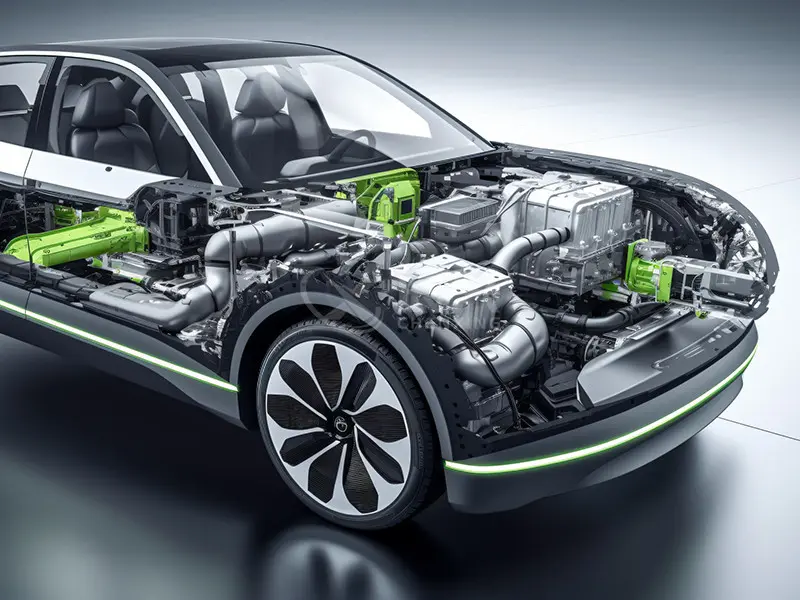
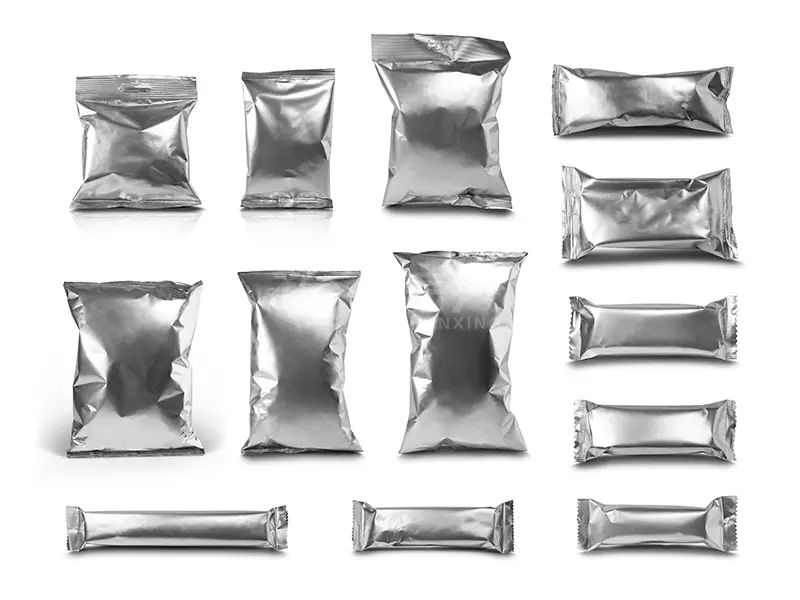



1. Wastewater Odor Control Cover Systems: Localized municipality guidelines across North America and Europe mandate the installation of odor control hoods in wastewater clarifiers and sludge storage tanks. Our custom-designed 5083 aluminum plates block corrosive gases (specifically H2S) and reduce emissions while offering lightweight profiles for easy access inspections.
2. Marine Offshore & Shipbuilding: Marine-grade alloys are highly resistant to saltwater corrosion. Standard 5083-H112 cover panels are used for subsea junction box protection, offshore platform deck hatches, and marine transport barge walkways, providing structural performance without adding dead weight.
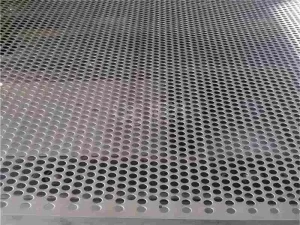
3. Cleanroom & High-Precision Facilities: Electronics factories in East Asia and Germany rely on non-magnetic, low-outgassing perforated aluminum sheets. These sheets allow laminating airflow while acting as dynamic shields for high-frequency interference (EMI/RFI).
Exploring mechanical design innovations, manufacturing trends, and sustainable supply pathways.
As sustainability initiatives guide modern manufacturing, the raw materials used in aluminum covers are evolving. Standard production lines are shifting to prioritize secondary aluminum alloys (recycled scrap), which consume 95% less energy than primary smelting processes without sacrificing structural strength.
Furthermore, structural health monitoring is driving cover integration. Future utility covers will incorporate integrated loT sensors, allowing operators to monitor stress cycles, deflection peaks, and temperature fluctuations in real-time. Anti-corrosion technologies are also advancing toward smart chemical inhibition, using self-healing epoxy coatings that automatically repair microscopic micro-fractures in high-wear conditions.
Choosing a reliable Chinese manufacturer offers substantial advantages in scale, logistics, and process integration. Chinese aluminum hubs combine ingot smelting, precision sheet hot-rolling, custom CNC machining, and automated surface treatment at single, centralized manufacturing campuses.
This integration significantly reduces transport overhead, ensures consistent grain structures, and enables rapid production scaling. Backed by automated robotic welding lines and CNC laser cutting, orders that typically take months elsewhere can be designed, verified by finite element analysis (FEA), and loaded into sea containers in less than 3 weeks.
Meeting rigorous international testing criteria and safety requirements.
To ensure global compatibility, our partner factories adhere strictly to local engineering standards. Whether your project requires compliance with ASTM B209 (US plate standards), EN 124 (European access covers load rating from A15 to F900), or AS 3996 (Australian trench grating protocols), our engineering team conducts comprehensive Finite Element Analysis (FEA) and physical stress testing before shipment.
Additionally, each production batch undergoes testing for chemical composition via spectrochemical analysis, intergranular corrosion vulnerability, and tensile properties, with results documented in Mill Test Certificates (MTC EN 10204 3.1). This level of testing ensures that every plate cover installed on-site performs reliably under specified load and environmental conditions.
Technical answers to common questions regarding the procurement, engineering, and lifetime maintenance of aluminum plate covers.
Stay informed on aluminum processing technology, global logistics, and supply chain updates.
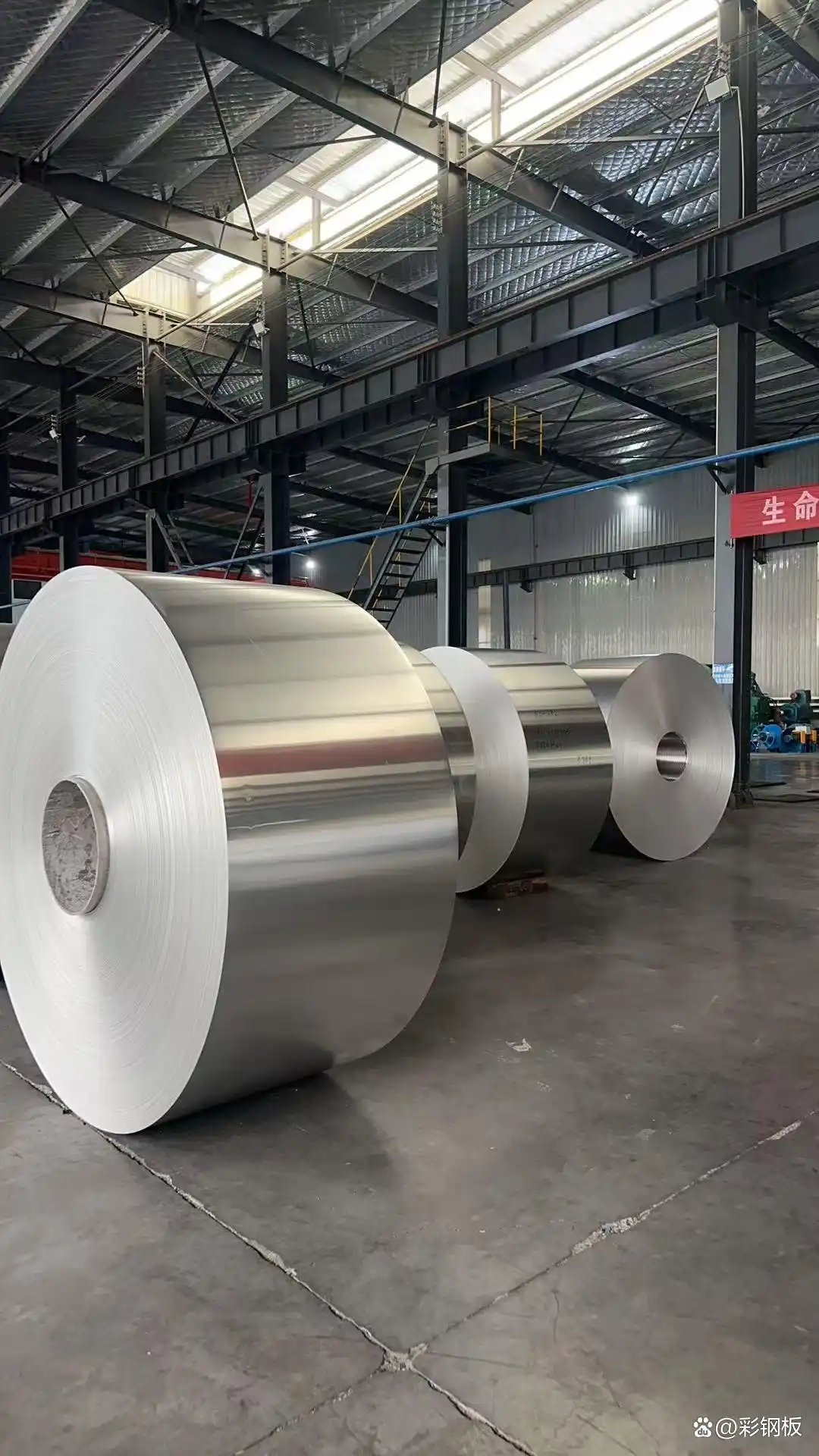
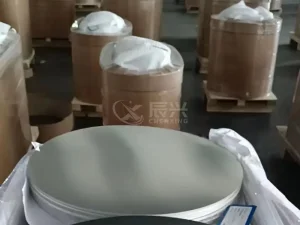
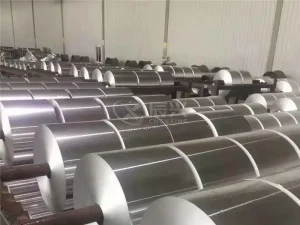
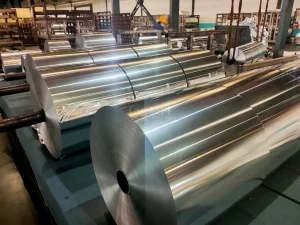
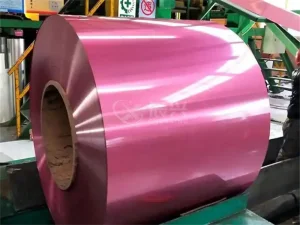
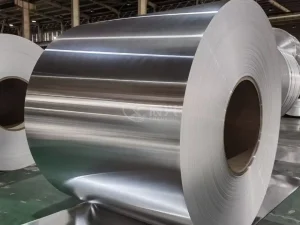
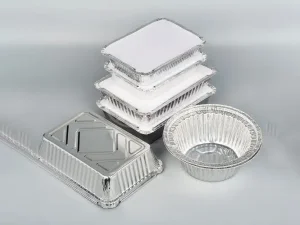
Premium aluminum foils, multi-coated decorative coils, and custom food-grade containers direct from our production facilities.
Receive engineered design consultations, complete alloy recommendations, and competitive container-load pricing quotes within 24 hours.